From over 100,000 films, discover the handful you'll love.
Free or premium access to the world's largest documentary library.
22463 films(Page 47 of 468)
Poland's resistance during World War II, marked by the establishment of the largest underground movement in occupied Europe, showcased remarkable bravery against oppression.
Martin Bormann, born on June 17, 1900, became a key figure in the Nazi regime and was last seen fleeing Berlin on May 1, 1945.
In 1911, explorer Hiram Bingham discovered the ruins of a royal estate belonging to the Inca, hidden in the dense forests of the Urubamba Valley.
NASA's Artemis program aims to return humans to the Moon, while advancements in satellite technology and Virgin Galactic's space tourism plans are also explored.
A UK terrorist cell's 2006 plot to use liquid explosives on planes was thwarted by a surveillance operation, preventing a potential disaster that could have killed 2,000 people.
In July 1942, a small force of Australian and New Guinea soldiers trekked overland to Buna, aiming to secure a vital airfield for future operations.
Elam, an influential ancient civilization in southwestern Iran, thrived from the 4th millennium BC, showcasing a rich tapestry of culture, politics, and military power.
Over 5 million Vietnamese people died in the Vietnam War, which saw American tanks engaged in intense battles against North Vietnamese forces.
Neanderthals reigned for 300,000 years before their extinction, possibly linked to a super volcano's catastrophic eruption.
Darius I, a pivotal figure of the Achaemenid Dynasty, is examined through his own words, highlighting his rise to power, empire-building, and enduring legacy.
In 1940, Air Chief Marshal Hugh Dowding led RAF Fighter Command with only 34 squadrons available to defend Britain against the Luftwaffe's attacks.
Bransk, Poland, once home to 2,500 Jews before the Holocaust, becomes the site of reflection for two elderly Polish-American Jews and a local historian.
Ancient China, known for its remarkable achievements and powerful dynasties, is explored through its unification, cultural heritage, and iconic sites like the Terracotta Army.
Hawaii's transition from an independent nation to America's 50th state highlights the complex and controversial history of U.S. control over the islands.
The Marianas Trench, Earth's deepest point, reveals the geological history shaped by floods, volcanoes, and earthquakes over 4.5 billion years.
NASA's Artemis II mission aims to return astronauts to lunar orbit for the first time since Apollo, featuring a 10-day journey beyond Earth orbit.
Medieval London, with its narrow streets and soaring spires, reveals hidden remnants of a vibrant metropolis largely erased by the Great Fire and WWII.
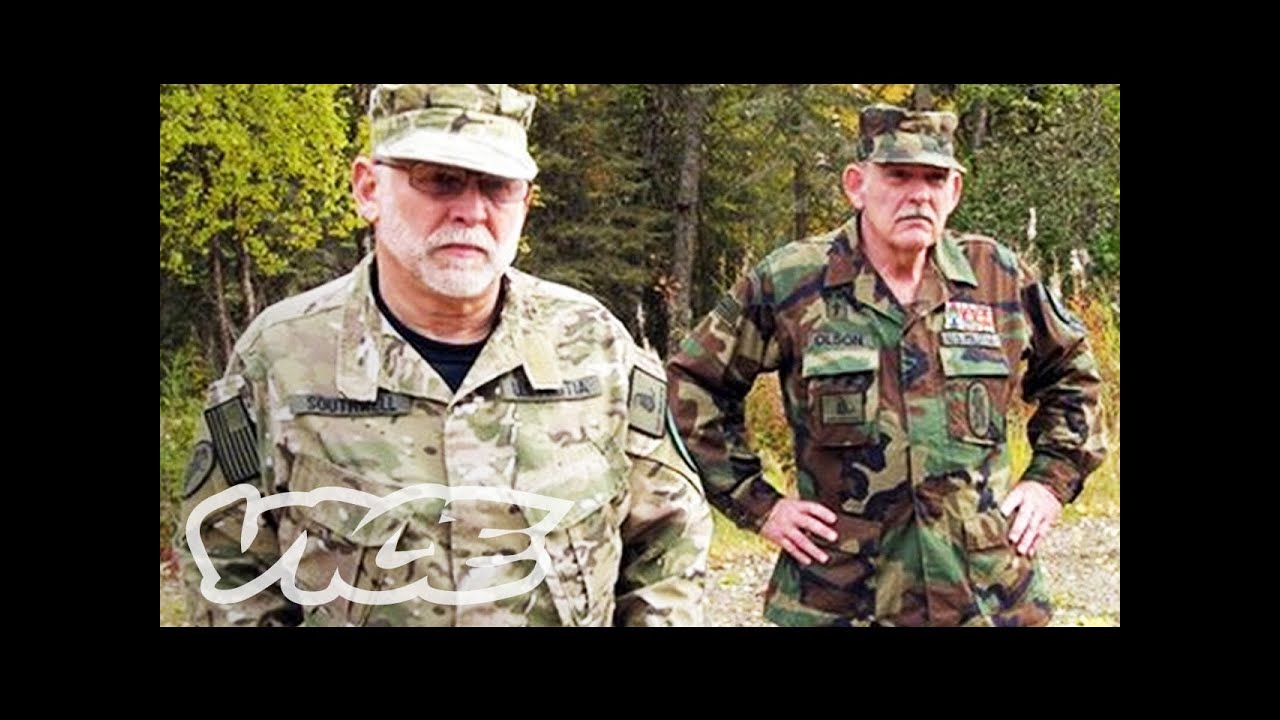
Norman Olson, founder of the Michigan Militia, discusses the group's controversial history, its connection to the Oklahoma City bombing, and attempts at revival.
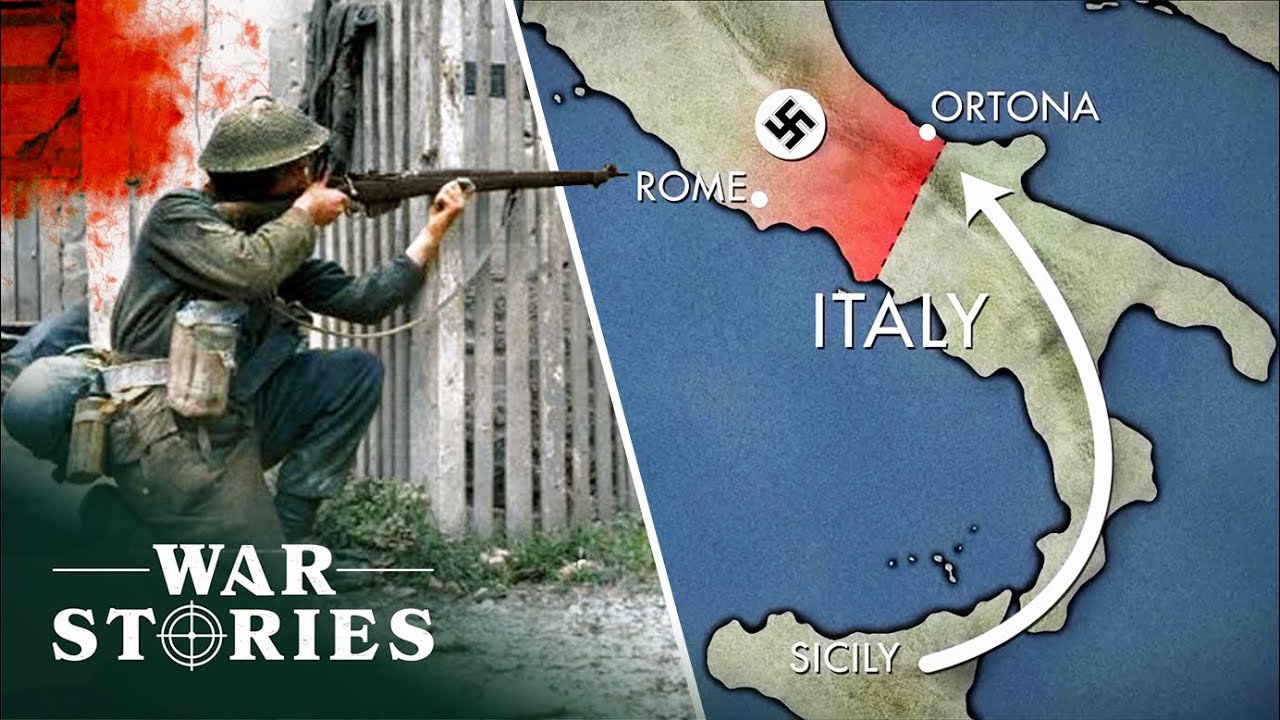
In 1943, Canadian forces faced Nazi Germany's elite airborne troops in the brutal Battle of Ortona, known as the 'Italian Stalingrad'.
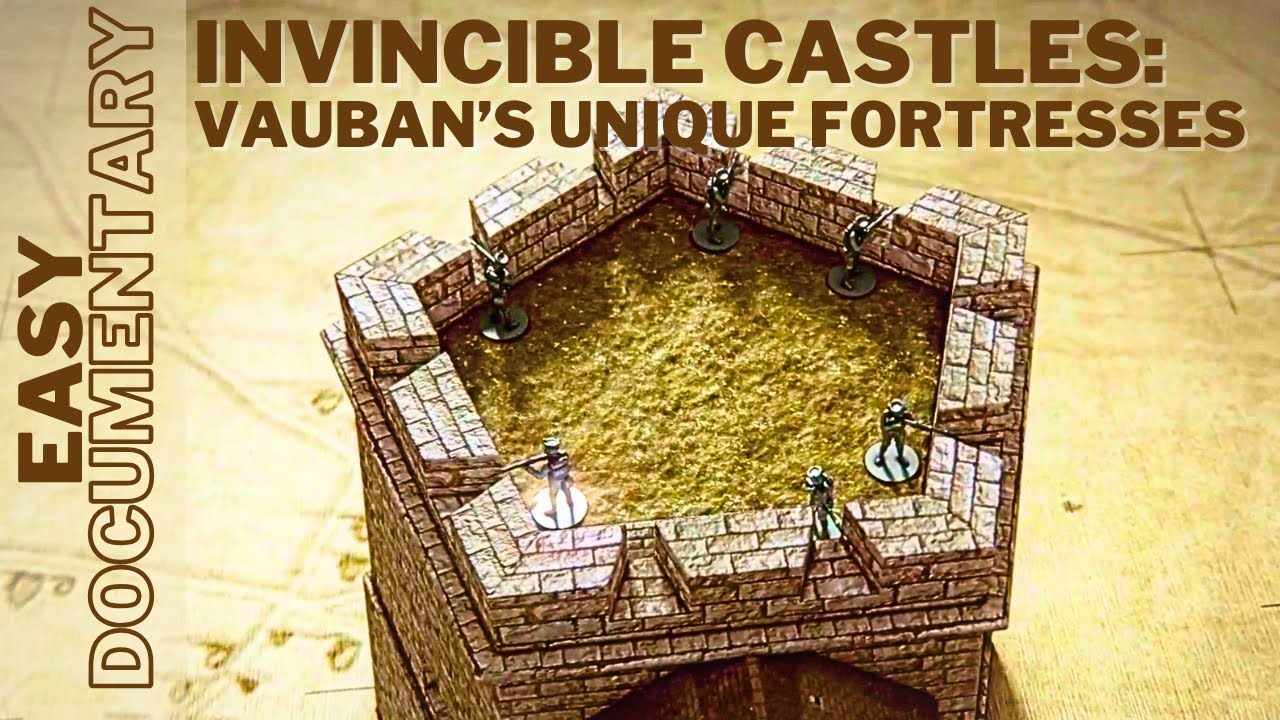
Vauban's innovative star-shaped fortifications in France, built over three centuries ago, exemplify military engineering that has withstood numerous historical conflicts.
Soviet Pilot Anatolij Gerasimov attacks a US Navy Privateer on April 8th, 1950.
Stourhead, an iconic English estate, boasts a rich history of artistic innovation, dramatic events, and notable visitors, including King Alfred the Great.
A thousand miles up the Nile, David Adams sails through Sudan, reflecting on the ancient civilization of the black Pharaohs that once ruled the region.
A 15-meter steam locomotive weighing over 100 tons is transported 10,000 kilometers from South Africa to Glasgow, facing numerous logistical challenges.
Burke and Hare, Scotland's most notorious serial killers, murdered at least 16 victims to sell their bodies for dissection, igniting a media frenzy in the 19th century.
A three-year expedition in the Black Sea led by archaeologists revealed a perfectly preserved 2,000-year-old Roman cargo ship and an ancient Greek vessel from 500 BC.
Philip II of Macedon transformed his kingdom into a military powerhouse, conquering Greece and setting the stage for his son Alexander the Great's campaigns.
The man and boy sniper team behind the 2002 D.C. Sniper Attacks left a trail of terror, as firsthand accounts reveal the chilling dynamics of their crimes.
Major Robert Henry Cain's valor is highlighted as Jeremy Clarkson explores the history and significance of the Victoria Cross and its recipients.
In medieval London, guilds like the Grocers’ Guild wielded significant power and influence, shaping the lives of merchants and tradesmen in the city.
Medieval historian Matt Lewis analyzes the battlefield tactics and strategies that led to Robert the Bruce's decisive victory at the Battle of Bannockburn.
5,000 soldiers from Erwin Rommel's forces were killed during the Second Battle of El Alamein, marking a significant Allied victory in North Africa.
A marble block weighing one ton is hoisted 150 meters up the rocky slope of the Acropolis for the restoration of the Parthenon.
An archaeological find in Ireland reveals mutilated bodies that may be linked to political terrorism or ritual killings, challenging the origins of vampire legends.
In the Three Gorges region of China, ancient human remains known as 'Dragon Bone' provide evidence suggesting human existence over two million years ago.
Fidel Castro was born on August 13, 1926, in Biran, Cuba, to a father who emigrated from Spain and became a successful agricultural businessman.
Tens of thousands of Syrians have disappeared into secret detention centers since 2011, with survivors and investigators seeking justice against the regime's atrocities.
Amorites, an ancient Semitic people, are examined through early Sumerian, Elbaite, and Akkadian texts, highlighting their significance in Mesopotamian history.
The Israeli-Palestinian peace process, initiated by the 1993 Oslo Accord, faced significant setbacks due to political dynamics and violence from both sides.
Orson Welles quotes H.G. Wells, stating that in the early 20th century, Earth was being watched by intelligences greater than man's.
An intact tomb from 1906, undisturbed for over 3,000 years, holds the mummies and belongings of a working man named Carr and his wife Merit.
Continental 3407's crash in Buffalo highlighted concerns among aviation insiders about the safety and capacity of a rapidly changing airline industry.
WorldCom executives hid almost $4 billion in expenses, leading to the company's bankruptcy in 2002, the largest in U.S. history at that time.
The Peloponnesian War's origins are explored through Thucydides' insights on the motivations of Athens, Sparta, and Corinth, raising questions about its preventability.
Michael Wittman killed 138 tanks during World War II, becoming a celebrated figure in the Nazi military before his controversial death in 1944.
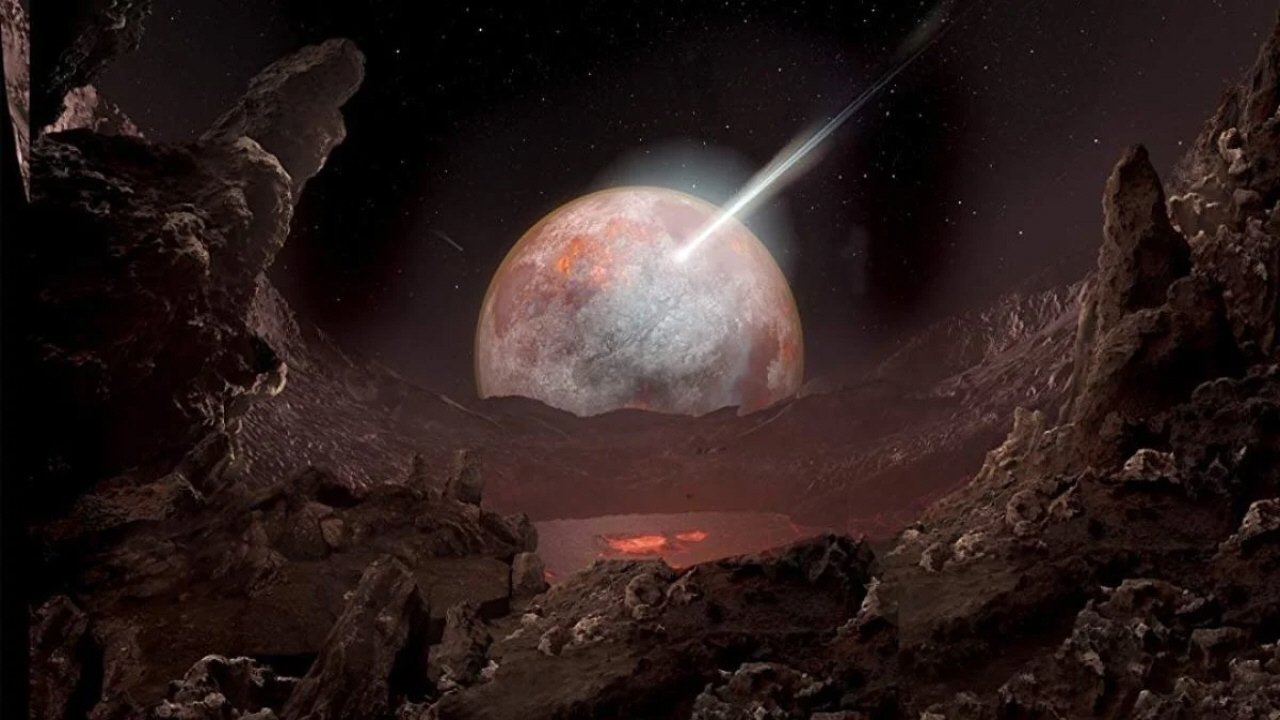
Up to a billion planets similar to Earth may exist in the galaxy, according to scientists featured in this 50-minute documentary.
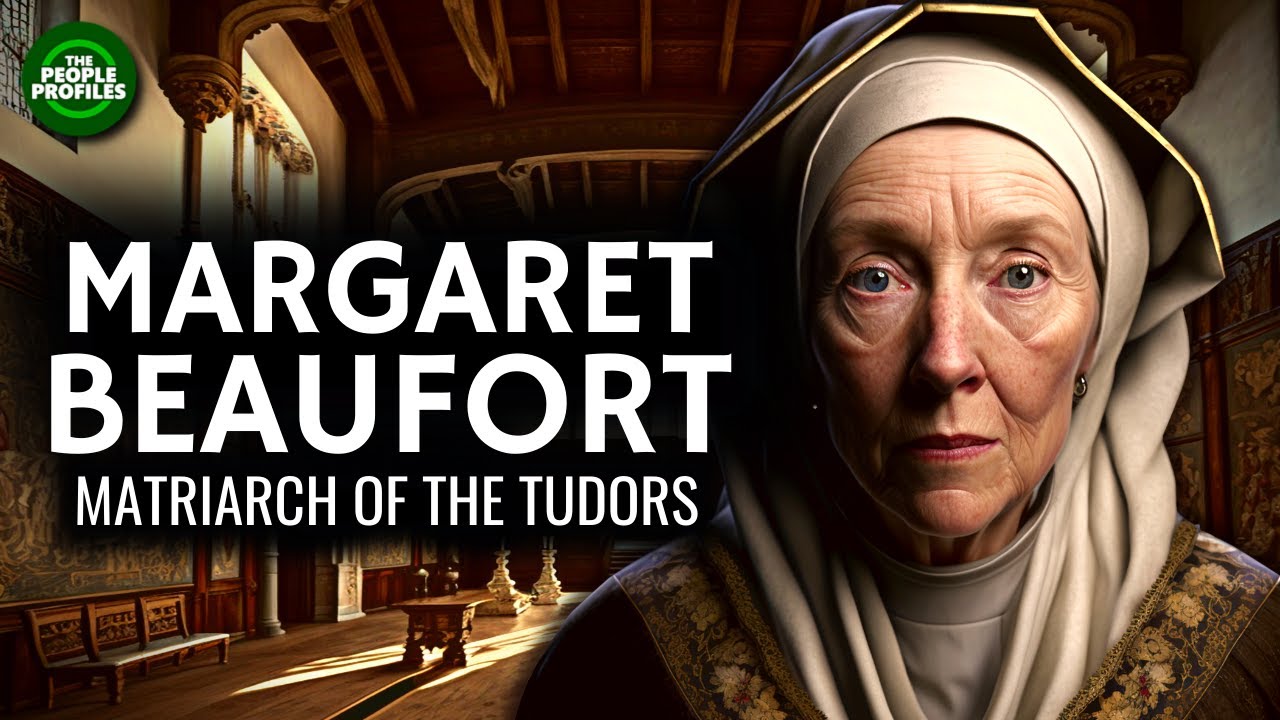
Margaret Beaufort was born on May 31 in either 1441 or 1443 at Bletsoe Castle, Bedfordshire, and played a crucial role in legitimizing her son Henry's claim to the throne.
The lost 9th Legion's trail leads historians and archaeologists to ancient Roman sites in northern England, including a mysterious camp and a bathhouse in York.