From over 100,000 films, discover the handful you'll love.
Free or premium access to the world's largest documentary library.
22463 films(Page 8 of 468)
Archaic peoples of the Keweenaw Peninsula utilized high-quality copper for millennia, significantly shaping their culture and technological advancements.
Khipus, intricate knotted cord devices, served as vital recording tools for the Wari and Inca civilizations, showcasing their advanced administrative systems.
The arrival of the first Americans remains a complex and debated topic among scientists and archaeologists, raising questions about their origins and migration patterns.
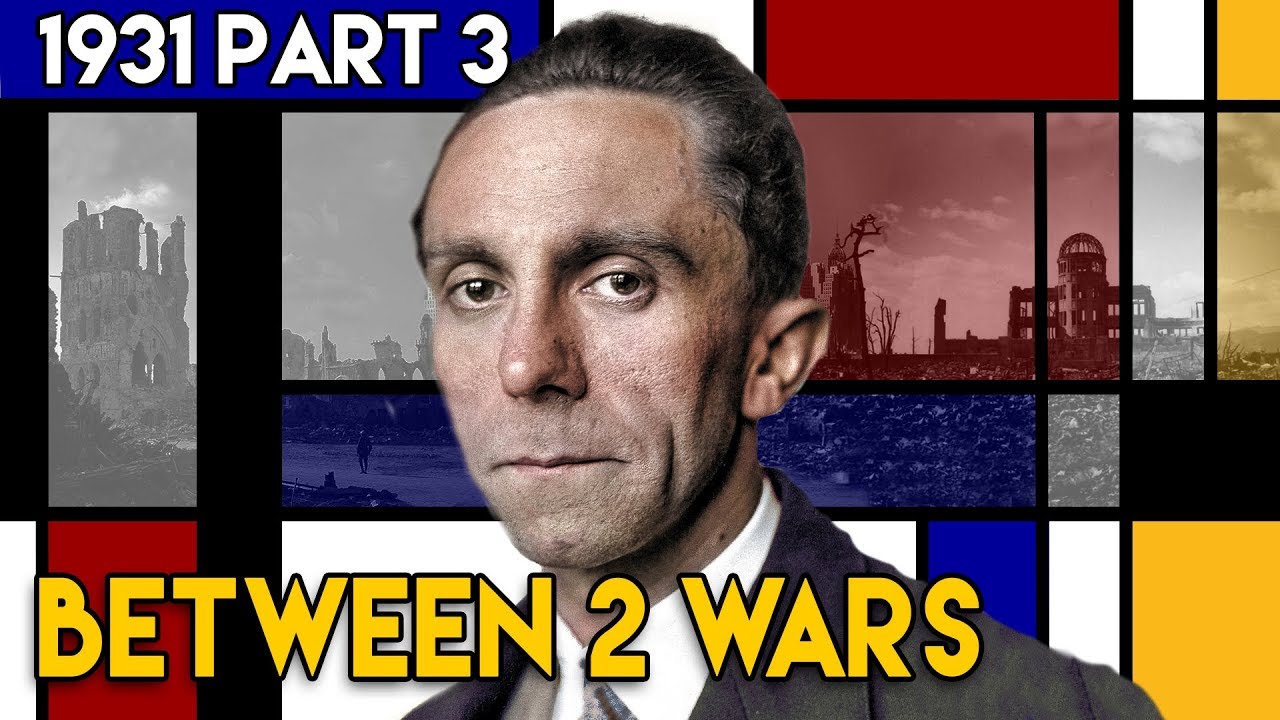
Heinrich Brüning's policies to cancel war reparations significantly destabilized Germany's economy, paving the way for Hitler and Goebbels to seize power.
Iran faces unprecedented turmoil, as Suroosh Alvi meets diverse citizens amid crises including a downed jet, a general's assassination, and a pandemic.
Józef Piłsudski's Sanacja regime aimed to address the economic and political crises of the Second Polish Republic, raising questions about its undemocratic methods.
Indonesia's nationalist movements surge as the end of Japanese rule in 1945 creates a power vacuum, prompting the Dutch to reclaim colonial dominance.
Greece experienced an inflation rate of 13,800 percent in October 1944, marking one of the worst cases of hyperinflation in history.
Sengoku Jidai Samurai battlefields were marked by intense atmosphere and strategic warfare, vividly illustrated through the Shokuho mod for Mount & Blade II: Bannerlord.
Militarism in Japan escalated after The Great War, culminating in the 1931 invasion of Manchuria following a fabricated terrorist attack.
19th century China faces immense challenges as Western and Asian powers vie for influence, threatening its status as a once-mighty global leader.
The Calusa, an ancient coastal society in Florida, thrived without staple crops, creating impressive mounds and resisting Spanish colonization for over 200 years.
Poverty Point stands as North America's earliest and largest city during the Archaic period, showcasing advanced societal organization and monumental earthworks.
More than 334 million people live in the United States, a nation that has evolved from its colonial beginnings to become a global leader.
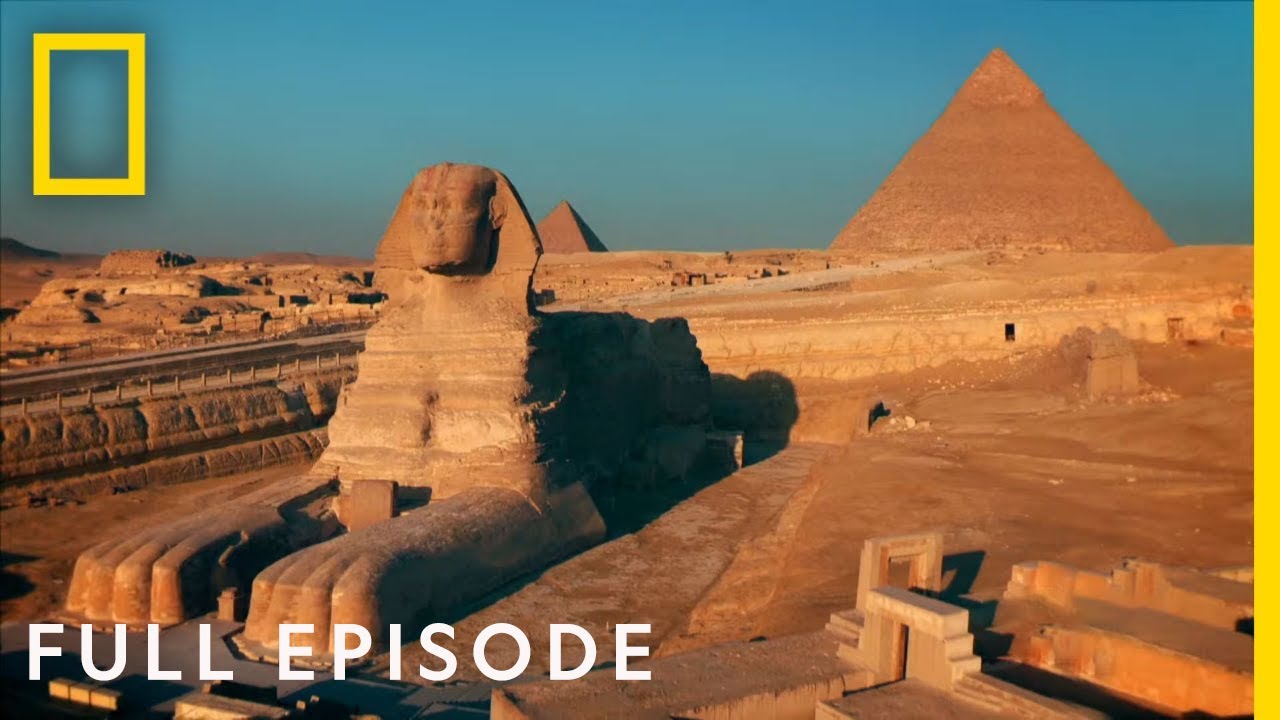
Over 5,000 artifacts were found in Tutankhamun's tomb, including a coffin made of more than 200 pounds of solid gold.
The 1934 political crisis in France reveals the rise of anti-Semitic Fascism, highlighting the disorganization of French extremists compared to their Nazi counterparts.
Omar Mukhtar, known as the Lion of the Desert, fiercely opposes Mussolini's efforts to solidify Italy's control over Libya during colonization.
Resistance against colonialism begins to rise in British colonies and dominions as the empire reaches its peak in population and size after the Great War.
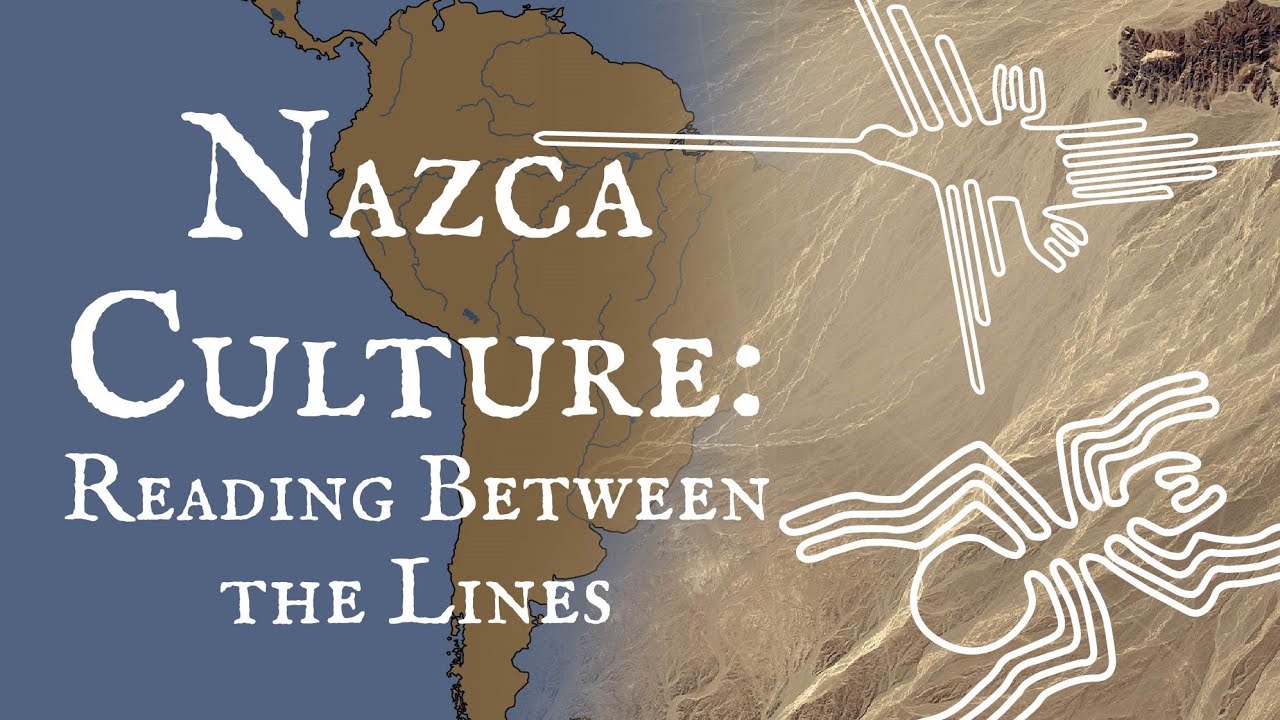
Nazca culture is celebrated for its remarkable artistic and engineering achievements, extending far beyond the iconic Nazca lines.
Medieval apocalyptic art reflects the era's fascination with doom, as Dr Eleanor Janega explores its meanings and the symbolism in the 'Book of Revelation.'
World War II was ignited by a series of events that escalated tensions, culminating in a fateful phone call announcing a death that changed history.
Moncacht Apé, a Yazoo man, represents the experiences of Indigenous peoples in North America during a transformative era marked by exploration and cultural change.
The arrival of humans in the Americas has been redefined by recent discoveries, challenging long-held beliefs and sparking new questions about migration theories.
In 2014, Ukraine's acting president called on civilians to defend the country as the military faced an unprepared response to Russian-backed separatists.
Western women in the 1930s confront rising misogyny and patriarchy amid economic depression, with some embracing traditional roles as a source of stability.
The man-made famine in Ukraine, fueled by oppressive grain taxes and Stalin's hostility, resulted in the deaths of millions during a tragic period of history.
Brutal colonial repression in Indonesia fueled a rising nationalism and the desire for independence, setting the stage for a pivotal historical conflict.
Dogger Bank, an area with an average depth of around 93 meters, was once a landmass connecting Great Britain to mainland Europe before it submerged.
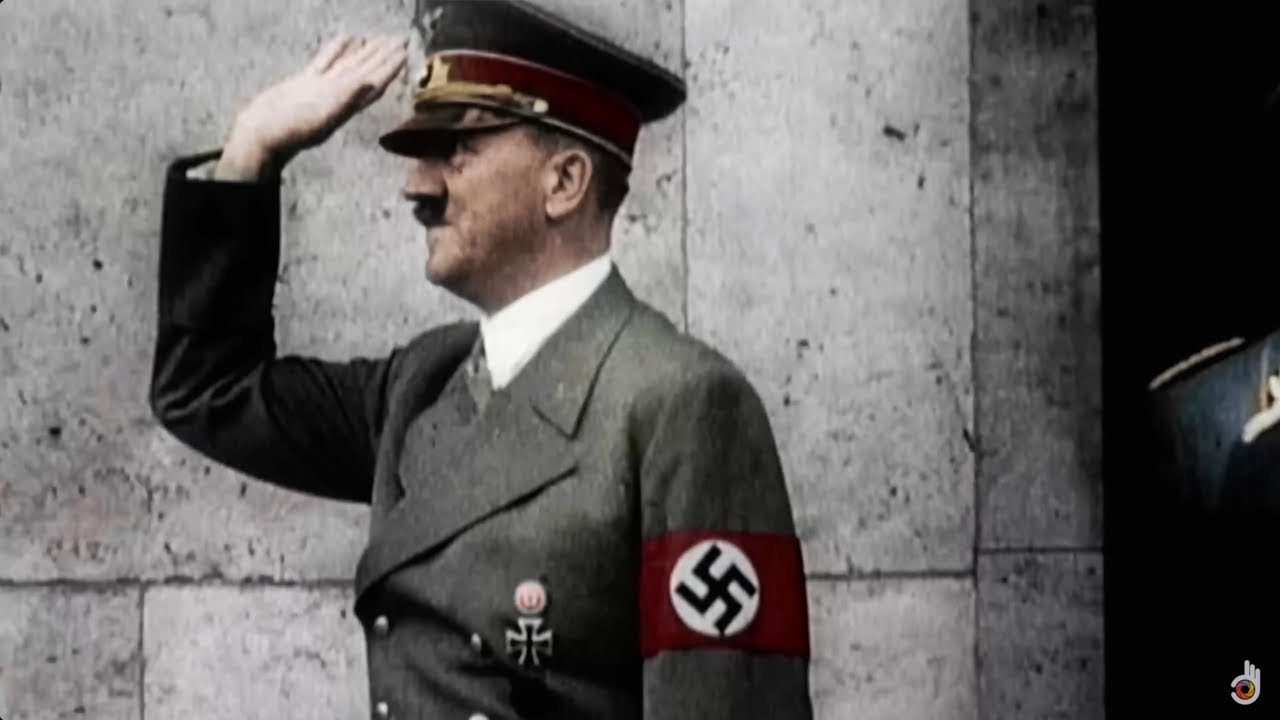
Hitler is depicted as a fallen angel, surrounded by allies like Goering and Goebbels.
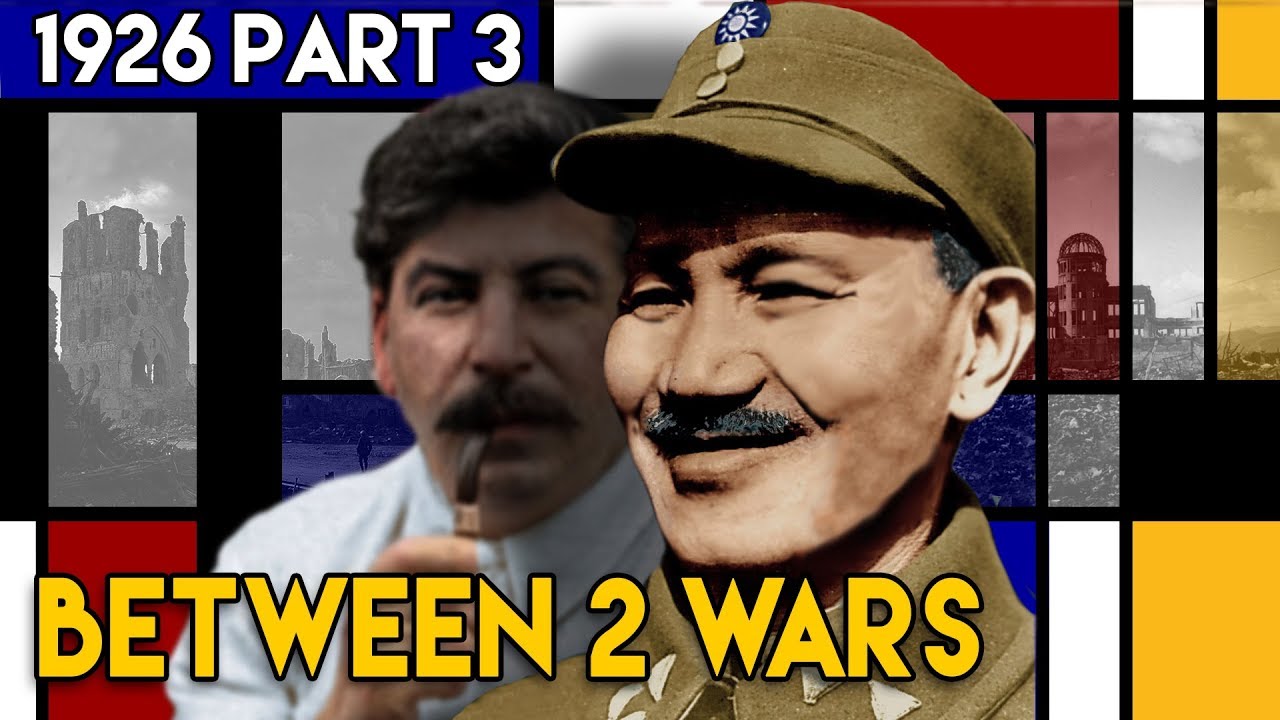
Chiang Kai-shek transforms the Kuomintang into a formidable military force in 1926, navigating complex political landscapes and alliances.
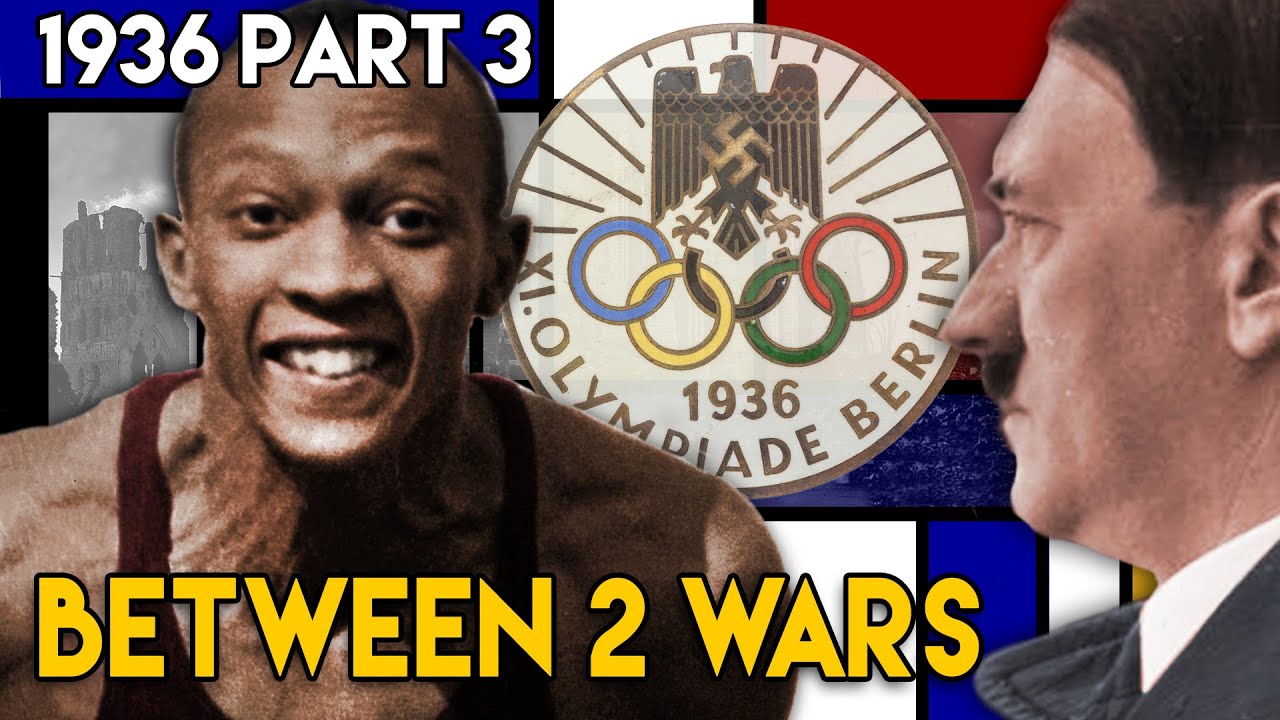
Berlin's 1936 Olympics served as a strategic propaganda tool for the Nazis, promoting their ideology while masking their racism and anti-Semitism.
Eighteen people from one office hesitated in an elevator as the South Tower collapsed on September 11, 2001, resulting in significant loss of life.
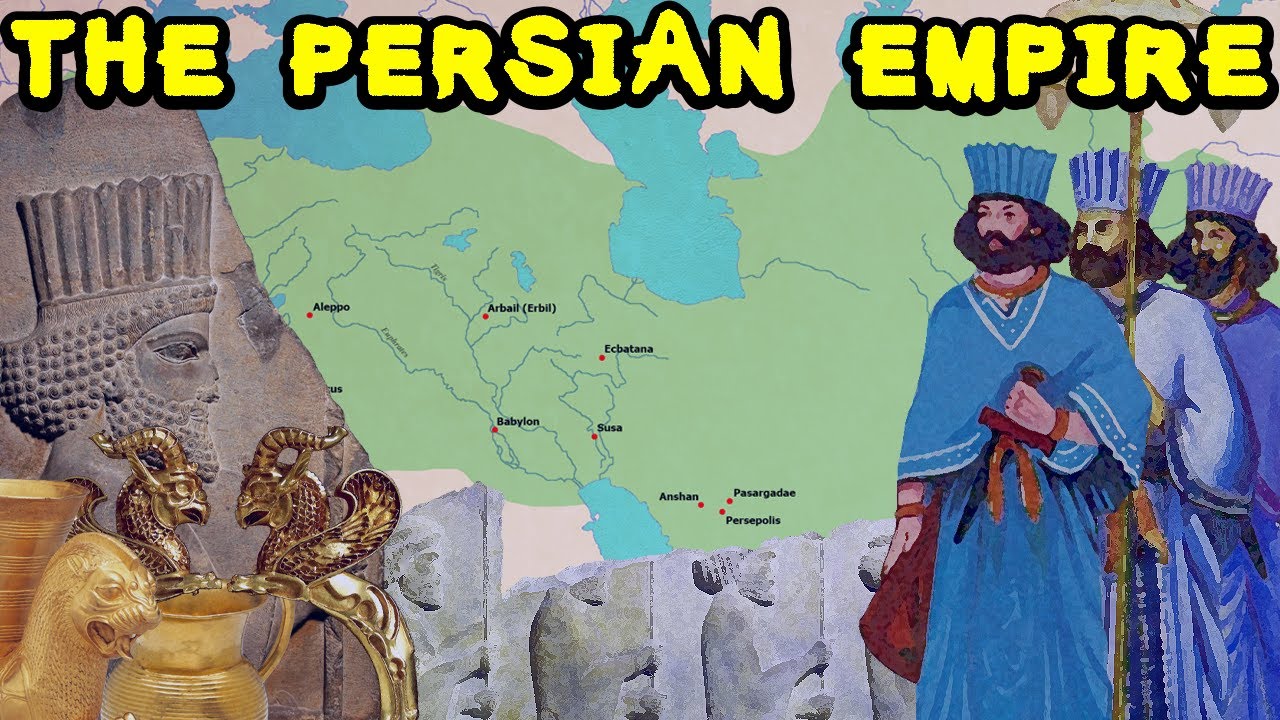
Xerxes I's reign marked pivotal events in the Greco-Persian wars, leading to the eventual fall of the Achaemenid Empire under Darius III and Alexander the Great.
By the end of 1860, Philip Slater had classified 30 distinct lemur species from Madagascar, leading to theories about ancient land connections.
Tomb Raider: The Ride at Paramount's Kings Island is explored for its unique design and impact on theme park history in this engaging retrospective.
Medieval beauty standards, hygiene practices, and women's roles are examined through insights from historian Eleanor Janega and Dr Kate Lister's engaging discussion.
Helen Bond FRSE answers the most googled questions about Jesus, addressing topics from his birth and crucifixion to his ethnicity and miracles.
Isolationism in the US after World War I leads to increased crime and corruption during Prohibition, highlighting the unintended consequences of restrictive policies.
Victorian London is explored through the lens of Assassin's Creed Syndicate, highlighting the accuracy of its iconic locations like Buckingham Palace and the East End.
American isolationism during the prelude to World War II hampers President Franklin Roosevelt's efforts to re-arm the military amid rising global tensions.
Michael Moore hosts a special screening of his acclaimed film, featuring a Q&A with Cpl.
Mochlos, a tiny island off Crete, was first settled 5,000 years ago and played a key role in the development of Minoan civilization.
The Roman Catholic Church served as a powerful unifying force in the Middle Ages, influencing all social classes and exerting significant control over monarchy and clergy.
The Roaring Twenties in the US saw a booming stock market, yet underlying financial issues hinted at the instability to come.
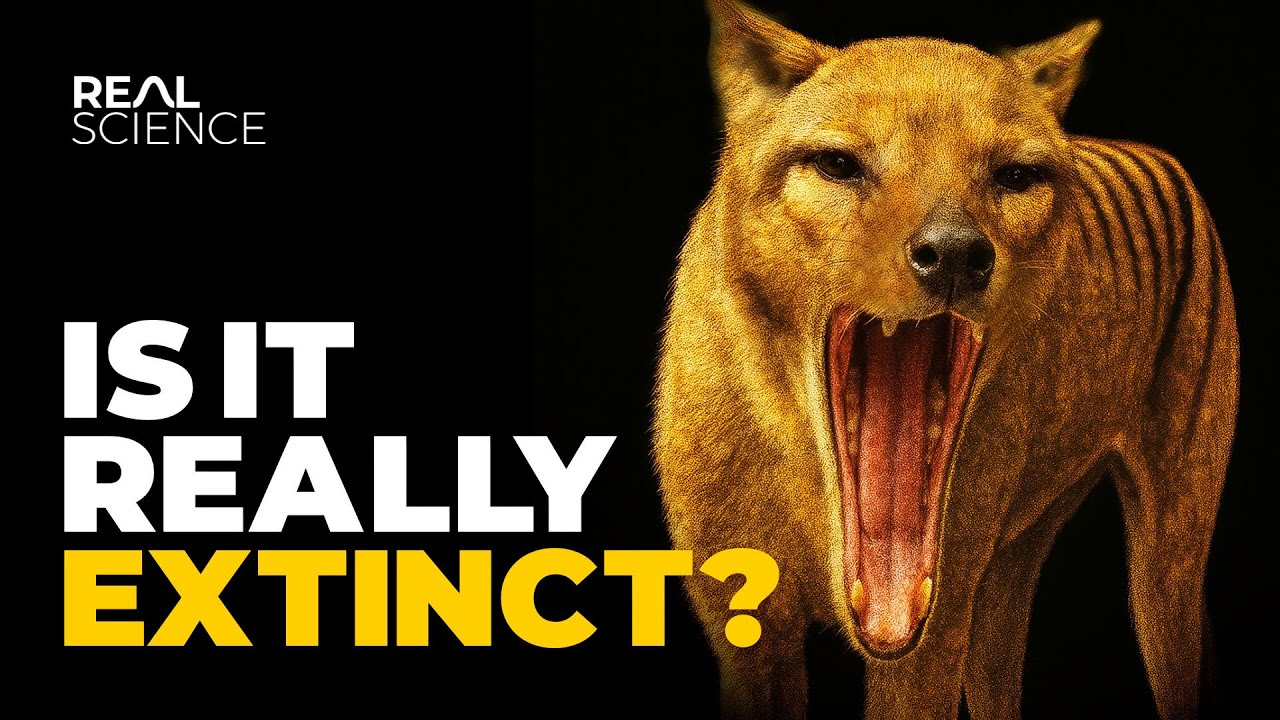
The thylacine's extinction remains uncertain, with insights from experts like Dr. Timothy Churchill and Dr. Douglass Rovinsky exploring its possible existence in New Guinea.
On September 11, 2001, first responders at the World Trade Center confront overwhelming challenges while trying to rescue civilians during the attacks.
Around 1177 BC, black sails were spotted off the Egyptian shore, signaling the arrival of a fleet intent on plunder and conquest.
Norte Chico civilization, composed of early fishermen and farmers, laid the groundwork for subsequent Andean cultures along the Peruvian coast.