From over 100,000 films, discover the handful you'll love.
Free or premium access to the world's largest documentary library.
22463 films(Page 9 of 468)
Spain in the early 1930s experienced intense political and ideological clashes that escalated into a devastating Civil War by 1936.
The Real Story of Halloween reveals its origins as a pagan holiday honoring the dead.
Euro Disney Resort, Disney's ambitious venture near Paris, faced significant challenges and ultimately struggled to meet expectations and attract visitors.
Mao's Great Leap Forward resulted in catastrophic decisions that led to a famine claiming 45 million lives, as revealed through survivor testimonies and archival evidence.
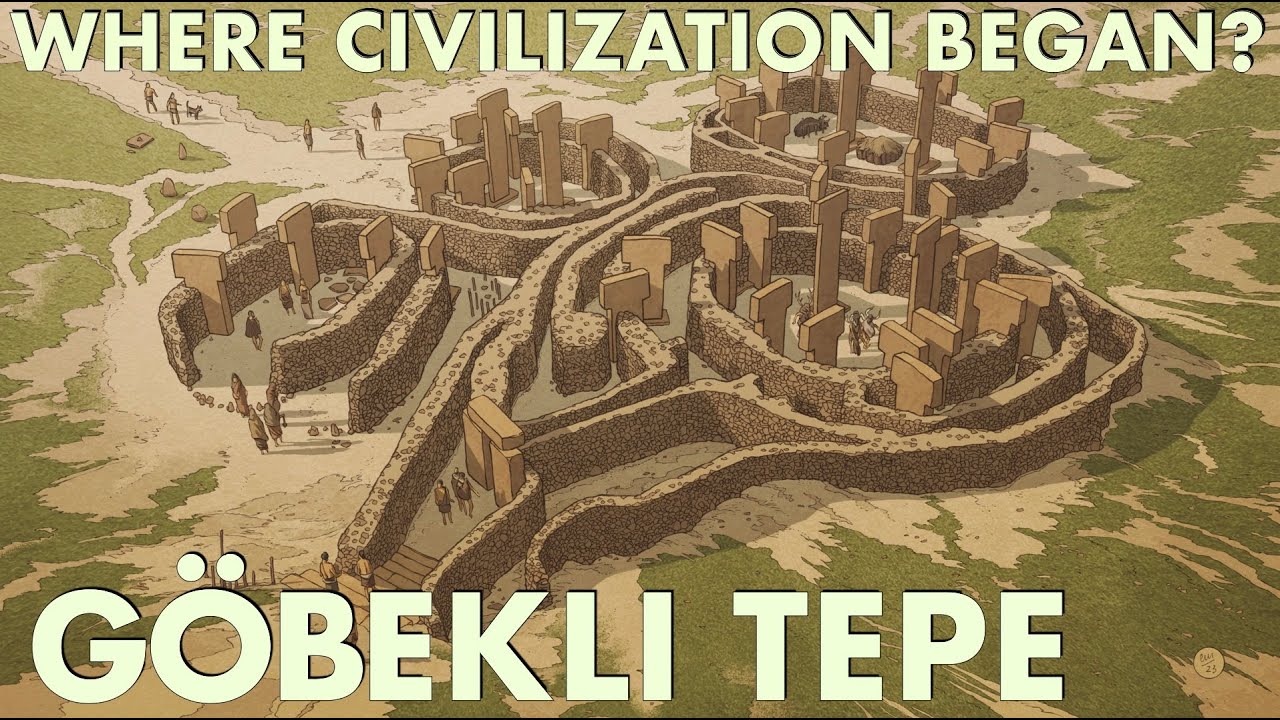
Over 200 monoliths, some standing more than 5 meters high, form 20 enclosures at Göbekli Tepe, a site dating back to around 10,000 BC.
Unemployment in the United States reached 17% by 1939, as the nation struggled to recover from the Great Depression's devastating economic impact.
Wari empire, which thrived for over 300 years across Peru's diverse landscapes, exemplifies a complex society marked by expansion, authority, and eventual decline.
Medieval historian Matt Lewis answers popular questions about life in the Middle Ages, exploring topics from diet and knights' physiques to torture methods and societal structures.
The Dutch military's aggressive campaign to reclaim their colony, disguised as 'police actions,' highlights the complexities of post-war colonial tensions.
Indigenous nations of the Pacific Northwest Coast developed complex societies and vibrant communities over thousands of years without relying on agriculture.
Peaky Blinders, a notorious 19th-century gang from Birmingham, relied on various weapons and faced intense police opposition, challenging popular myths about their history.
Kristallnacht marks a pivotal moment in history, as a nationwide pogrom on November 9, 1938, signifies the devastating end of Jewish life in Germany.
Knights Templar, a powerful medieval organization, evolved from protecting pilgrims in Jerusalem to wielding significant influence across Europe.
In the late 1980s, a discovery in the Arizona desert linked Monoatomic Gold to Medieval Arabian Alchemy, raising questions about human DNA manipulation and tragic outcomes.
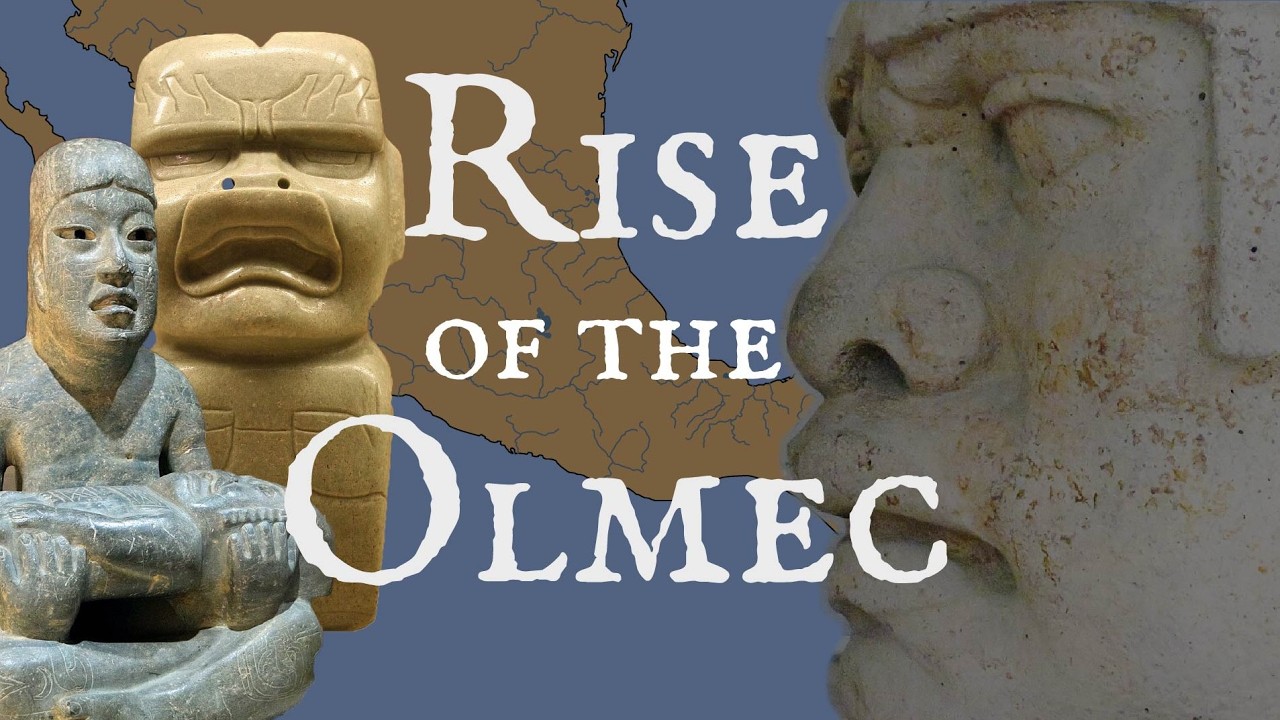
Olmec civilization significantly influenced Mesoamerican cultures, showcasing monumental art and complex religious practices, particularly at San Lorenzo.
Over 2,000 years ago, Democritus proposed that matter is made of tiny, indivisible particles called atoms, a concept later confirmed by modern science.
The Takeda clan's legacy is marked by their significant rise in power during Japan's feudal era and their eventual decline in the face of rival factions.
Over 100 calls a day flood the hotline of the Traditionalist American Knights, a KKK faction claiming to be the fastest growing in the U.S.
The Second Italo-Abyssinian War marks Italy's aggressive attempt to colonize Abyssinia, challenging the kingdom's hard-won independence in the 1930s.
Yasuke, the only recorded black samurai in history, played a significant role in feudal Japan, showcasing a unique blend of African and Japanese cultures.
Between 2011 and 2021, families in Turkey and Kuwait reported a series of unexplained fires, with one incident involving a man engulfed in flames without a trace of fire left behind.
France's rapid defeat in World War II resulted from innovative military tactics and technologies employed by Nazi forces, leading to a swift armistice in 1940.
Percival Lowell established the first high-altitude observatory on Mars Hill in 1909, using a 24-inch telescope to study the planet's surface.
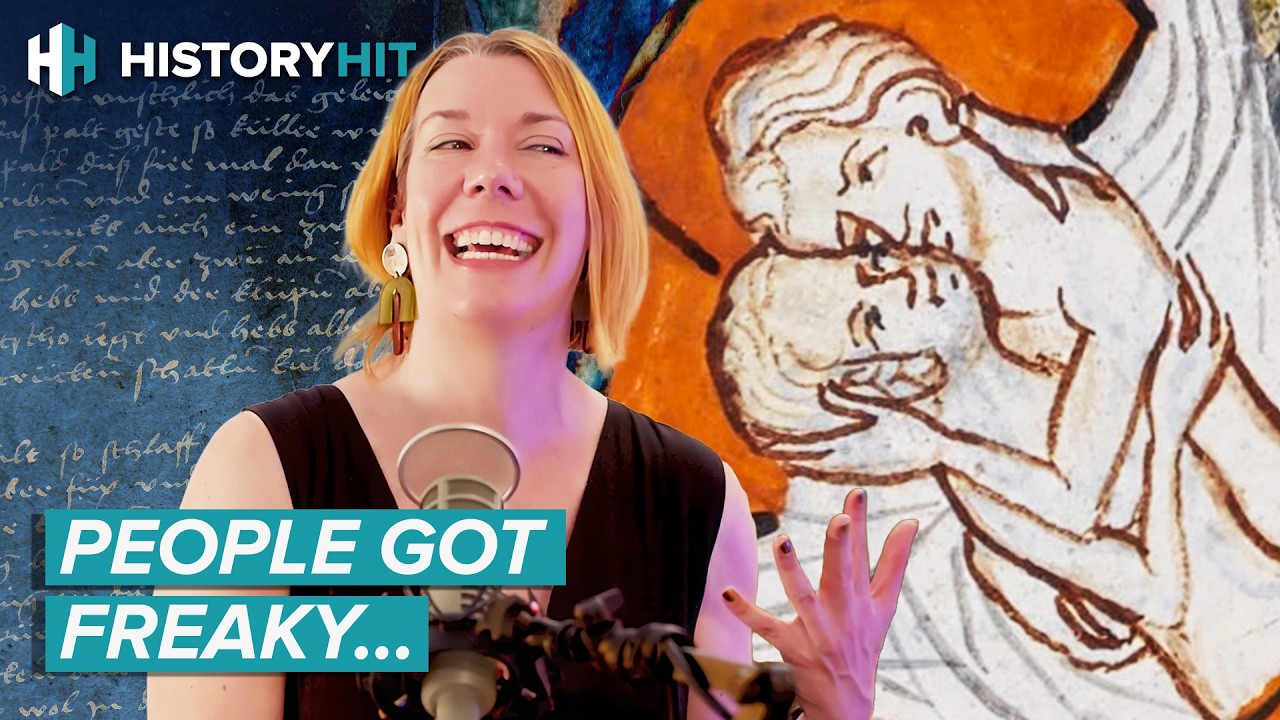
Medieval sexual practices reveal a vibrant culture of pleasure and agency, challenging Victorian myths of repression and highlighting the complexities of love and morality.
Benkei, Japan's legendary warrior monk, is celebrated for his extraordinary feats and mythical tales that have shaped the nation's cultural heritage.
Homo erectus migrated from Africa approximately 1.9 million years ago, marking a significant moment in human evolution and expansion.
The escalating Cold War tensions between the USSR and the US are highlighted through their nuclear arms race and strategic positioning in Cuba.
Medieval drinking habits reveal that alcohol was integral to daily life, with insights from experts and tastings of historically crafted brews.
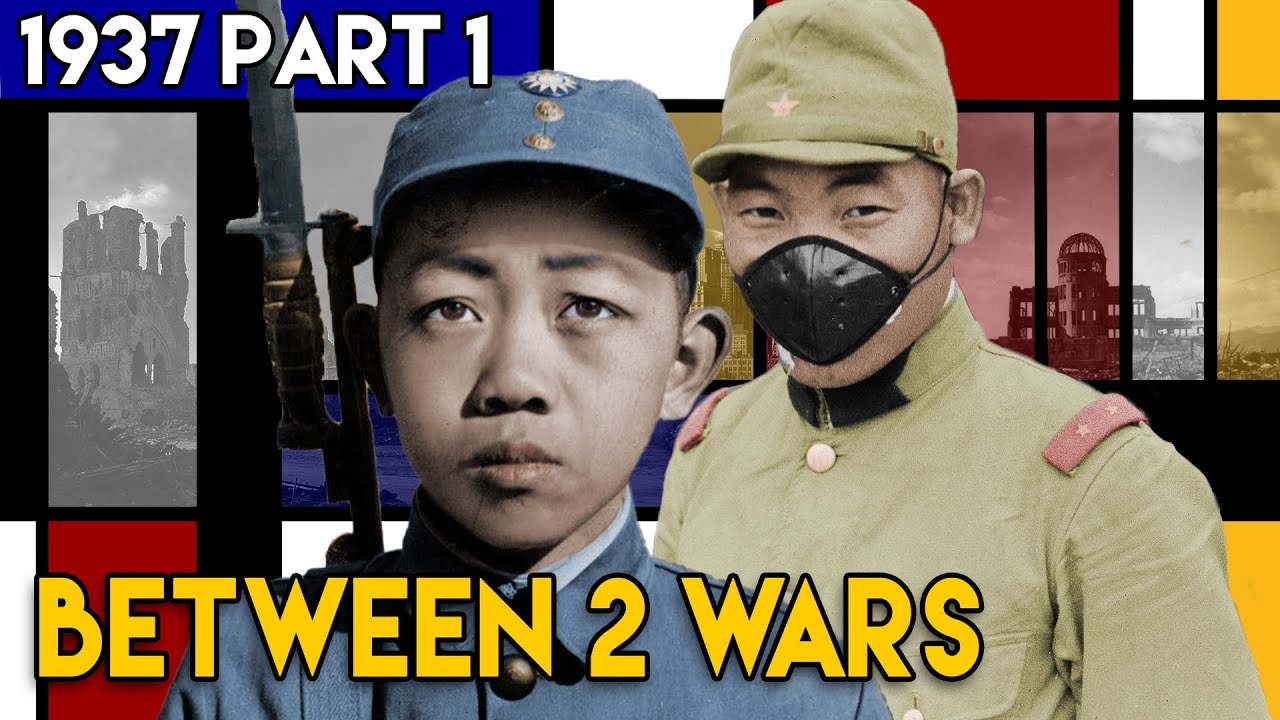
The Second Sino-Japanese War began in 1937, resulting in hundreds of thousands of deaths and millions displaced, raising questions about the true start of World War Two.
A group of Chinese Communists, led by Mao Zedong, undertook a 6,000-mile Long March in 1935 to escape Nationalist forces and rebuild their movement.
Teuchitlán culture, known for its exquisite art, highlights the complex and often misunderstood history of West Mexico's connection to Mesoamerica.
Hadrien's Wall stretches 73 miles across northern England, marking the Roman Empire's northern frontier during the early 2nd century AD.
Finding Joe highlights Joseph Campbell's hero's journey through interviews and children's enactments.
Nara Dreamland, a Japanese theme park inspired by Disneyland, faced decline and eventual abandonment, reflecting the challenges of imitation in entertainment.
King Arthur's legends, featuring iconic figures like Merlin and Guinevere, reveal their significance to medieval society and their lasting impact today.
Honor Cargill-Martin addresses popular questions about the lives of women in Ancient Greece, revealing their roles, rights, and societal expectations.
The last believer in the phlogiston theory of heat died in the mid-20th century, marking the end of a once-prominent scientific explanation.
Napoleon's tumultuous relationship with Joséphine de Beauharnais reveals a passionate love life marked by jealousy, infidelity, and a dramatic divorce.
Historian Eleanor Janega evaluates iconic menswear styles from the medieval period, including the codpiece and doublet, highlighting their significance and practicality.
Egypt, under President Gamal Abdel Nasser, strives for national autonomy amid Cold War tensions and competing interests from global powers.
Six thousand funeral urns containing the charred remains of cremated Phoenician children were discovered on a small island off the coast of Sicily.
Tudor historian Joanne Paul evaluates the historical accuracy of the films Elizabeth and Elizabeth: The Golden Age, featuring Cate Blanchett's acclaimed portrayal.
Ethnic and cultural clashes in the Middle East during the 1920s lead to unrest and violence, resulting in significant and lasting consequences.
Mister Rogers' Neighborhood, created by Fred Rogers, celebrates its 50th anniversary with reflections from Michael Keaton, Whoopi Goldberg, and others on its lasting impact.
Holodomor, a man-made famine in Ukraine, resulted from oppressive grain-tax policies and Stalin's animosity, leading to the deaths of millions.
Ancient hieroglyphics and stone carvings depict the parting of the sea and the biblical plagues, suggesting these events may have historical roots.
Giles Keing purchased Athelhampton House in 2019 and began restoring its kitchen to reflect its Elizabethan origins.
A young man searches the mountains of China for a Buddhist hermit master, encountering dedicated recluses who share teachings on life and solitude.