From over 100,000 films, discover the handful you'll love.
Free or premium access to the world's largest documentary library.
22469 films(Page 39 of 469)
In 1520, Alexandra Lisowska, a captured priest's daughter from Ukraine, entered the imperial palace in Istanbul to become part of the sultan's harem.
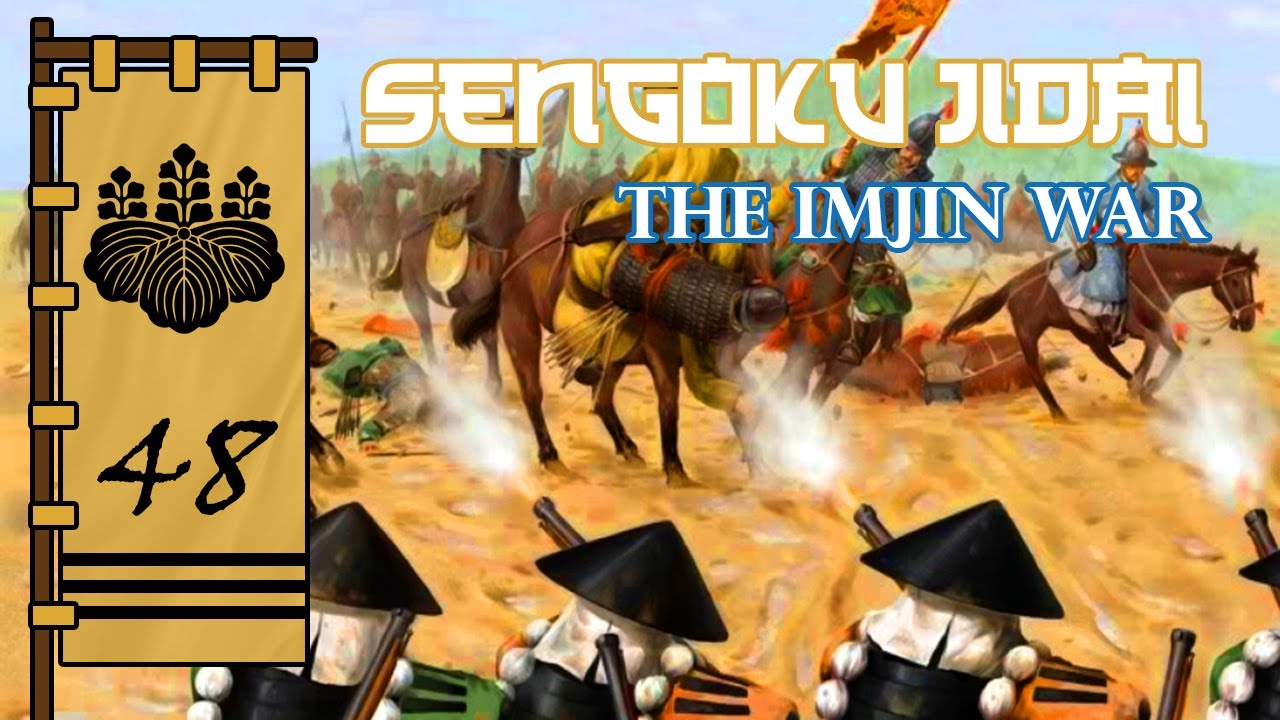
Japanese forces struggle to maintain control over occupied Korea while advancing towards the Chinese border, prompting imminent intervention from China.
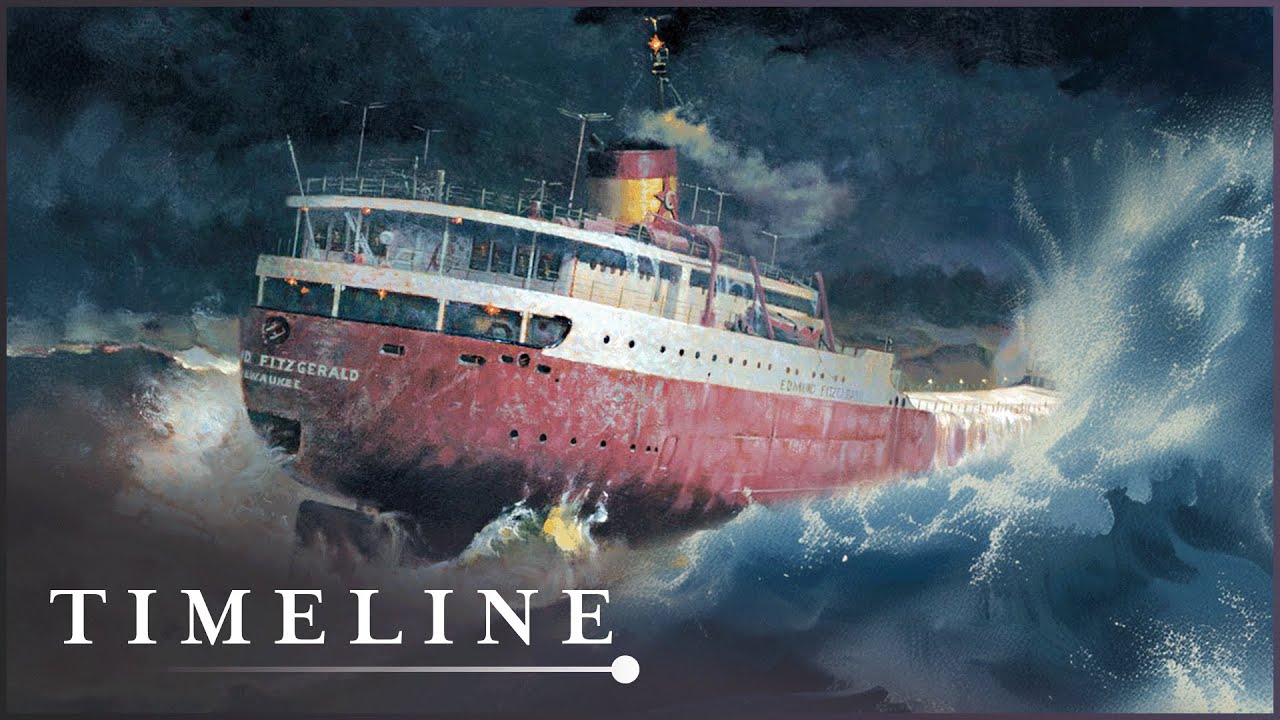
On November 10, 1975, the Edmund Fitzgerald sank in Lake Superior during a storm, taking with it all 29 crew members on board.
In the 18 months before his assassination, Martin Luther King Jr. faced overwhelming pressure and disappointment as he fought against racism, war, and poverty.
Life as a British Redcoat during the American Revolutionary War involved brutal conditions, fierce battles, and a constant test of loyalty to the crown.
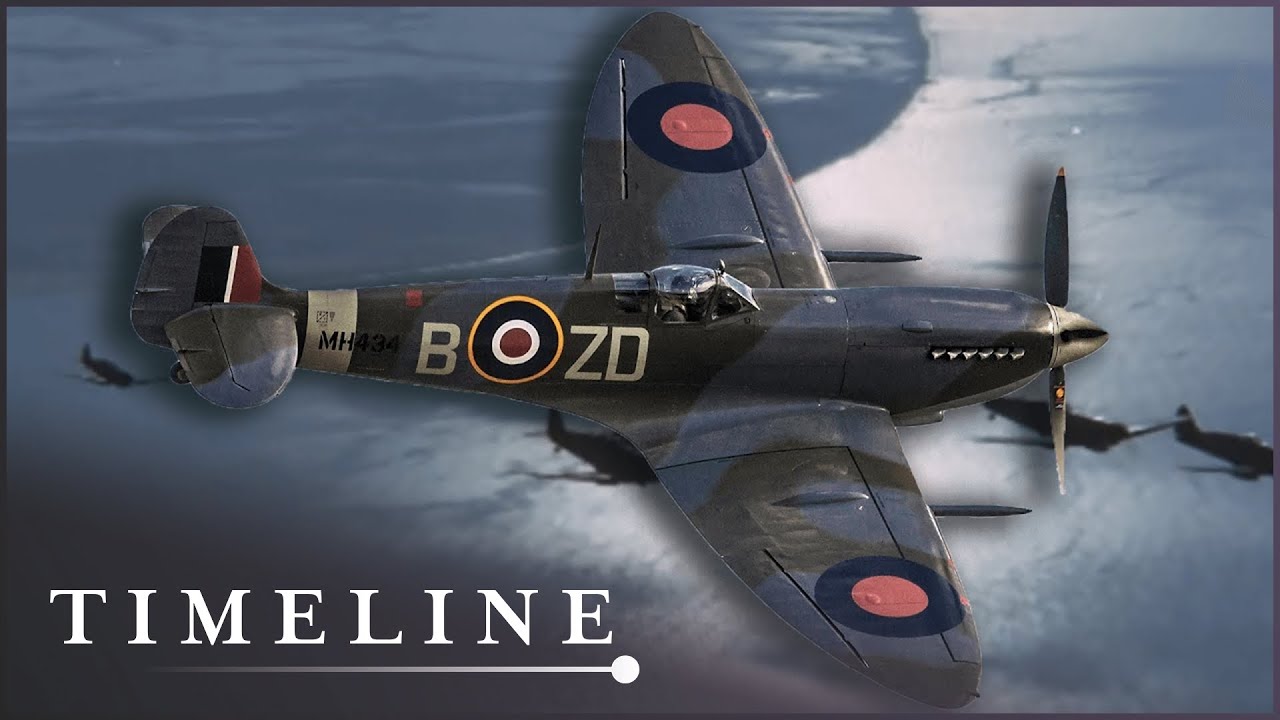
Over 2,500 Spitfires were built and served in the RAF until 1954, becoming a symbol of Britain's fight against invasion during World War II.
A stylus, possibly the earliest evidence of writing found in Cornwall, dates back to around 200 A.D. and suggests ancient trade connections with the continent.
On April 16, 1521, Martin Luther faced the imperial diet in Worms, where he was celebrated by supporters despite being branded a heretic by the church.
More books have been written about Napoleon Bonaparte than any other human being, reflecting his complex legacy as a military leader and reformer.
Zara's success story reveals how the brand managed to make fashion affordable worldwide.
5,000 years ago, the Sumerians created a clay map that depicted the course of the Euphrates and Tigris rivers and major cities in their empire.
At one point, there were 100,000 heroin addicts in New York, prompting community leaders to implement acupuncture as an alternative treatment method.
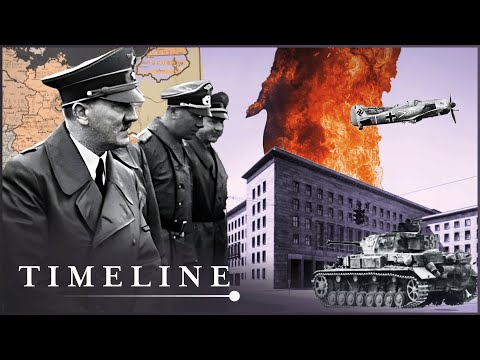
The brutal Battle of Berlin marked the final chapter of World War Two in Europe, showcasing Stalin's ambitions and the devastating Soviet advance on the city.
Amy Coney Barrett's confirmation solidified a conservative 6-3 majority on the Supreme Court, driven by Mitch McConnell's decades-long political strategy.
Iran's nuclear program faces renewed scrutiny amid escalating U.S.-Israeli military actions, raising critical questions about its current status and implications for regional stability.
Collapsing infrastructure across the U.S. reveals a critical crisis, with systemic neglect leading to public safety threats and devastating human impacts.
Two vast armies from Kent and Essex camped north and south of the Thames during the Peasants' Revolt in 1381, demanding justice from King Richard II.
The Promised Land, a site of profound historical and spiritual significance, has been a focal point of conflict and divine questions for millennia.
Queen Victoria was born on May 24, 1819, at Kensington Palace in London, where she was privately christened by the Archbishop of Canterbury.
Forty-one kings and queens of England from 1066 to the present are examined, revealing how their reigns shaped the history and identity of the UK.
In 1852, Te'o Figo ta Gautier spent nearly three months in Istanbul, documenting the city's history and the remnants of the Byzantine Empire.
Archaeologists believe Green Island was an industrial site producing shale ornaments and iron artifacts 2,000 years ago, contributing to early mass production.
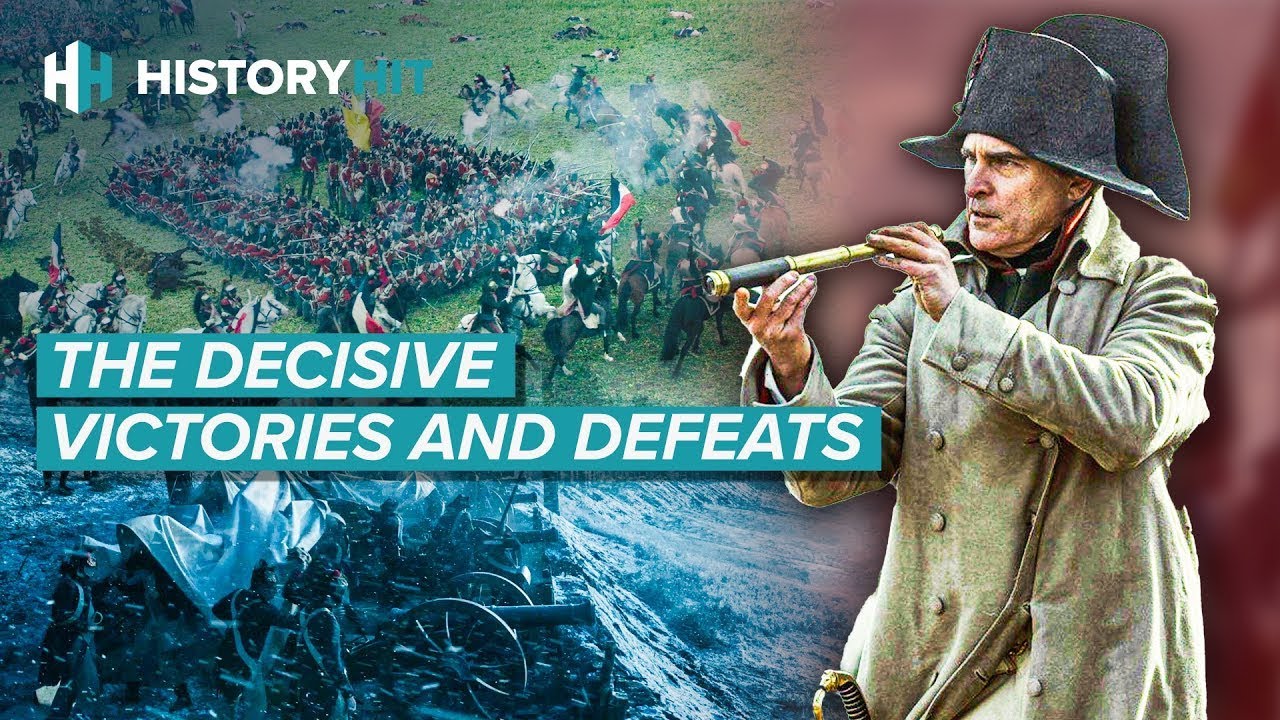
Napoleon Bonaparte's legacy is shaped by ten pivotal battles, including his triumphs at Austerlitz and Marengo, and his ultimate defeat at Waterloo.
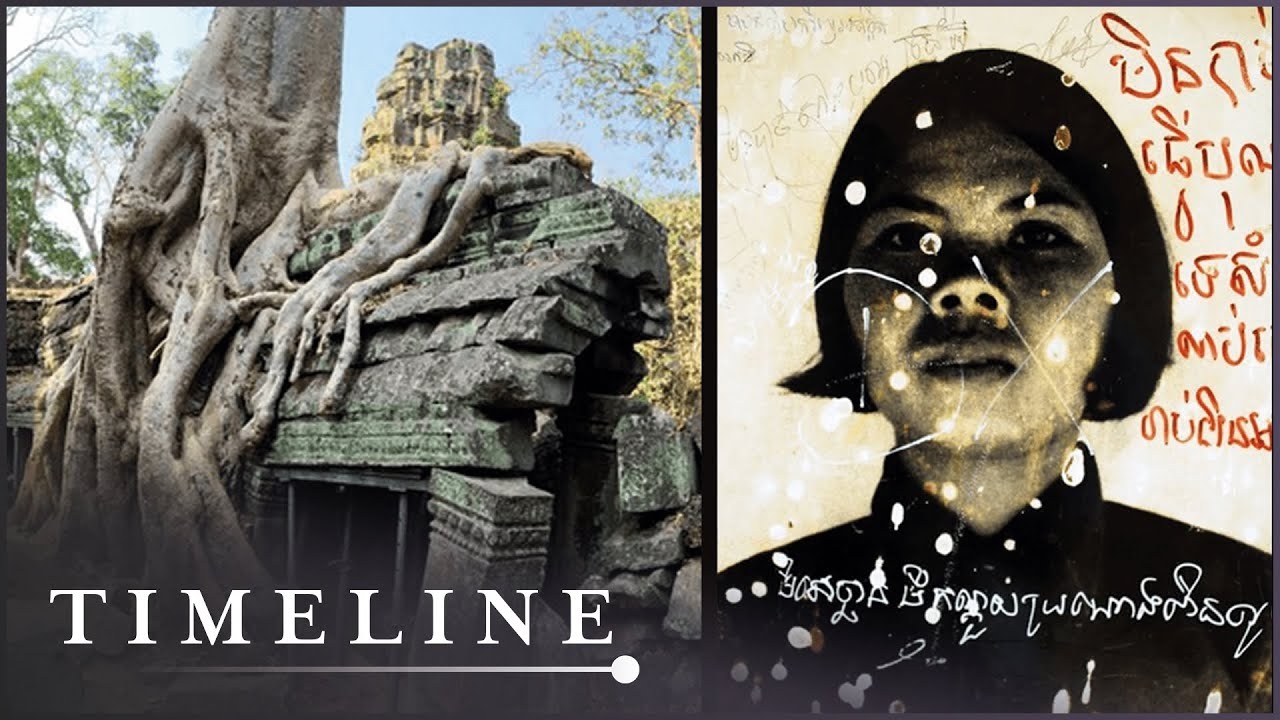
An estimated 1.7 million people died during the Khmer Rouge regime, which ruled Cambodia from 1975 to 1979, leaving a lasting impact on the country.
In 2011, archaeologists excavated 40 Viking warriors buried in two boat graves on the island of Sarimar in Estonia, dating back to 650 A.D.
A lance maker supplied 171 lances for a tournament in Spain in 1403, illustrating the demands of royal jousting in the medieval era.
James Holland examines the design flaws and operational challenges of Nazi Germany's Panzer tanks, including the Panzer II and Tiger models, during World War II.
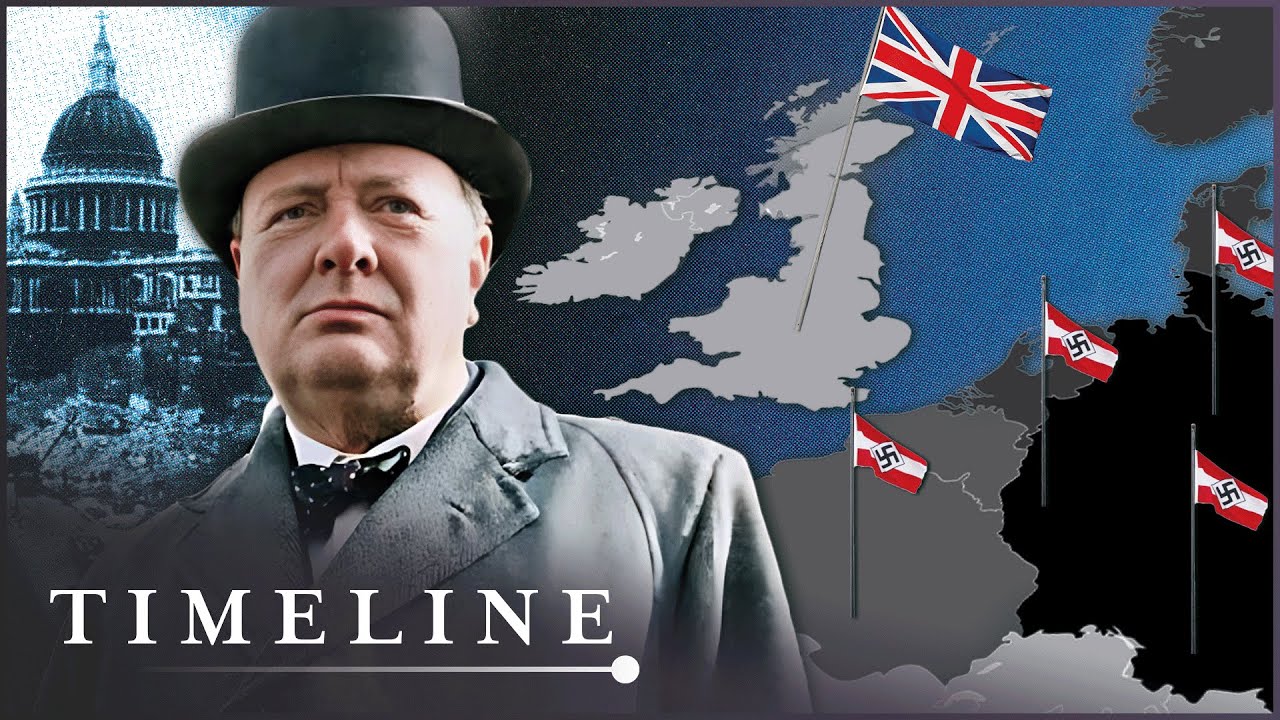
Dogfights over the English Channel lead to the Battle of Britain and the Blitz in 1940.
Key events leading to World War One include European expansion, the assassination of Archduke Franz Ferdinand, and Germany's support for Austria-Hungary.
30 years was the minimum sentence given to Ronnie and Reggie Kray after their conviction for murder and other crimes in 1968.
St. Peter's Basilica, built over the Tomb of Saint Peter, showcases architectural innovations and technical challenges faced by artists like Michelangelo and Bernini.
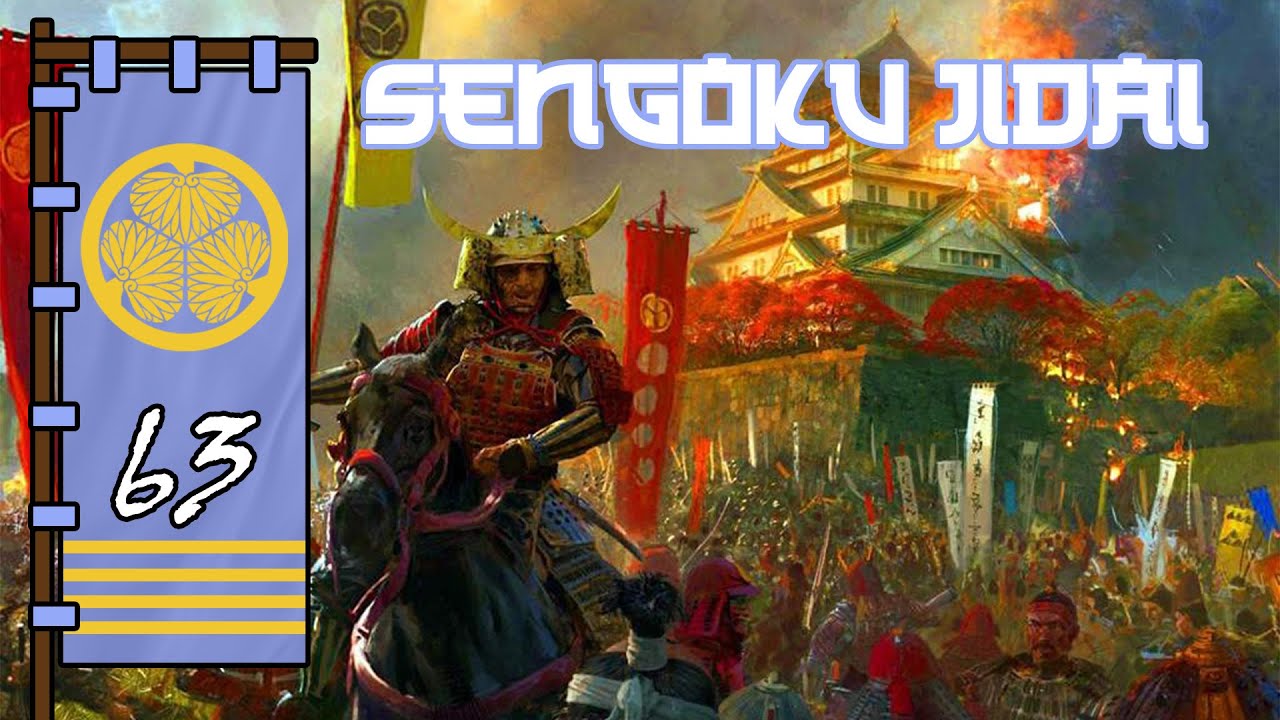
Tokugawa Ieyasu and Toyotomi Hideyori face off in legendary battles during the summer siege of Osaka, marking the dramatic conclusion of the Sengoku period!
For the first time, color film from the 1930s captures Beijing's Tiananmen Gate, revealing a city undergoing significant change before the Japanese invasion.
Never-before-seen footage and personal accounts reveal the desperate final months of the Nazi regime as it faced inevitable collapse in 1945 Germany.
An 80-meter-long tunnel, part of an ancient hydraulic system, diverted water around Petra to manage floods and supply the city.
Tuam reveals an unimaginable story of 800 children buried in a hidden mass grave in Ireland.
Assyria's early kings and the origins of the Assyrian people are explored in this first episode of a multi-part historical series.
Over 900 artefacts from the Melsonby hoard, possibly the largest Iron Age discovery in Britain, provide invaluable insights into ancient society and trade.
Season 1, Episode 1 reveals the truth about the infamous Hells Angels and their code.
On March 17, 1945, a bridge near Remagen collapsed, resulting in the deaths of 28 men and blocking the first Allied thrust into Germany.
The beliefs of the Founding Fathers regarding Christianity and their intentions for America's religious foundation are examined through the lens of the Constitution's language.
The American fleet repaired the USS Yorktown in just two days, allowing it to participate in the decisive Battle of Midway in June 1942.
Harkhuf, an Egyptian governor, returned from Nubia with exotic goods and a dancing performer, prompting a royal decree from the child pharaoh Pepy II.
Ancient civilizations are often linked to alien visitors, prompting a critical examination of these theories and their cultural impact on society.
Croghan Man and Clonycavan Man, two 2,000-year-old Iron Age bodies from Irish bogs, reveal insights into ancient rituals and elite leadership through their violent deaths.
With a maximum take-off weight of 800 tons, the Antonov AN-225 can transport cargoes that no other plane can lift.
In 1323 BC, Tutankhamun sustains a thigh bone injury that may have resulted from battle, leading to his eventual death, while exploring the 1920s phenomenon of Tutmania.
Germany aimed to build an air force of 21,000 planes during World War II, relying on a network of factories to support Hitler's military ambitions.