From over 100,000 films, discover the handful you'll love.
Free or premium access to the world's largest documentary library.
22463 films(Page 70 of 468)
Hitler's underestimation of the United States during World War II is examined through the lens of the US War Department's strategies and personal accounts from soldiers.
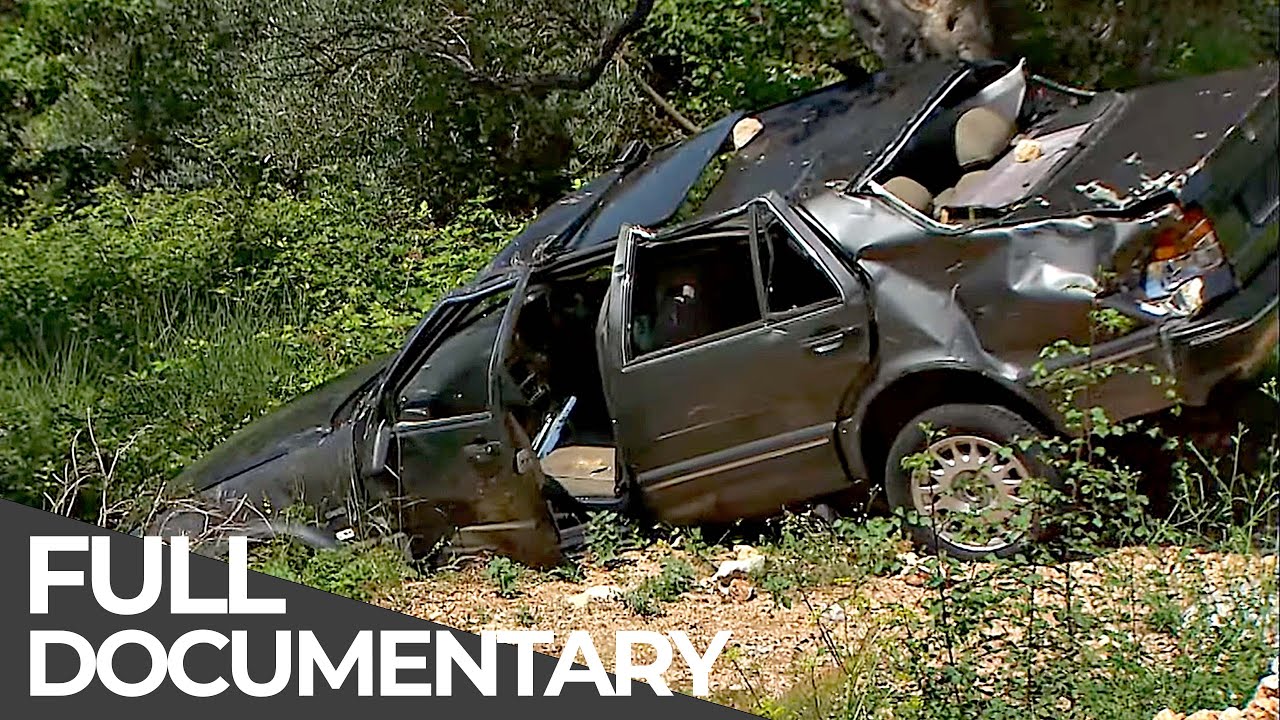
The Adriatic Highway, a 1,200-kilometer coastal road built during the era of Yugoslavian President Tito, connects Slovenia, Croatia, Montenegro, and Bosnia and Herzegovina.
Llancaiach Fawr manor in South Wales is investigated by geophysicists seeking to determine the historical significance of an ancient moat surrounding the site.
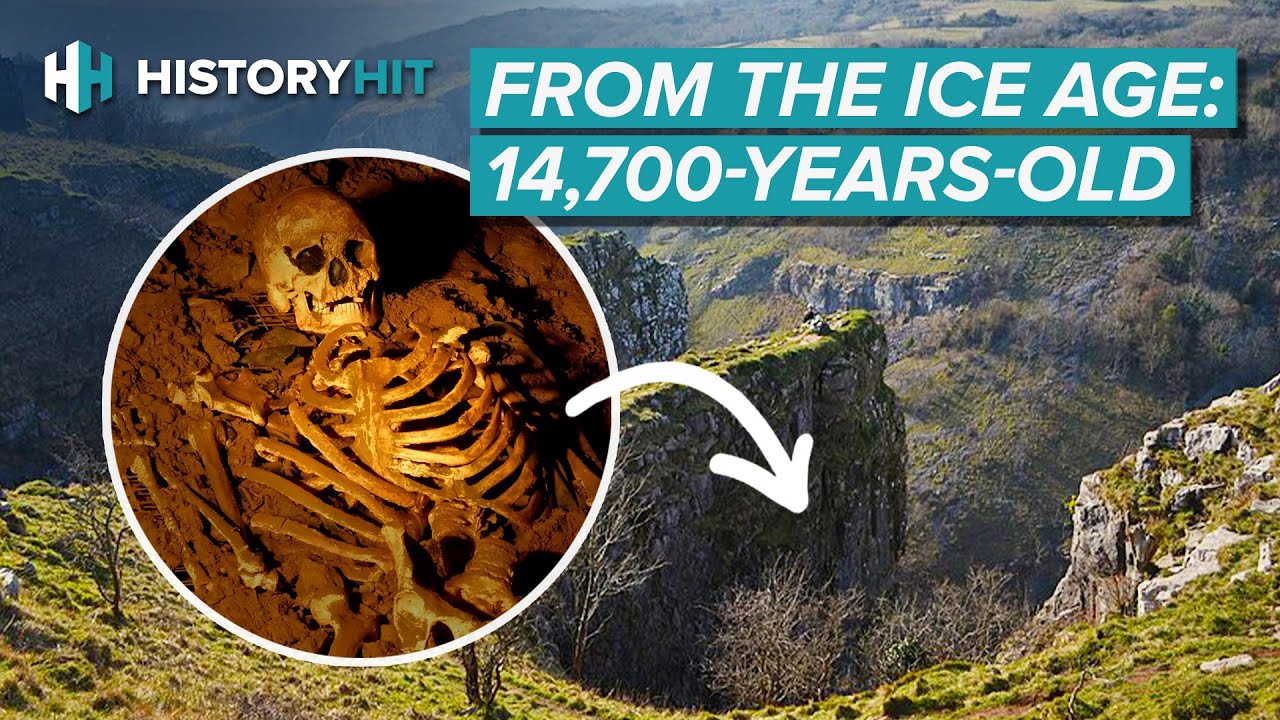
Cannibalism among Ice Age Britons in Somerset reveals ritualistic practices rather than mere survival, as experts investigate the chilling implications of ancient remains.
In October 1943, a formal agreement between the Allies led to the formation of a United Nations commission on war crimes against the Axis powers.
Myanmar's ongoing struggle for freedom is marked by military control, ruby mining exploitation, and rising religious extremism, as rebels fight for autonomy and justice.
The Russian Civil War, fought between 1919 and 1922, led to the establishment of the Gulag system and the brutal political repression known as the Red Terror.
During World War II, German U-boats sank 2,771 Allied ships, totaling 14.5 million tons, significantly impacting naval operations in the Atlantic.
Ancient Alexandria, founded by Alexander the Great in 331 BC, evolved into a global center of culture, attracting wealth and knowledge from around the world.
Over nine years, around 300 people were executed during the Great Noise witch trials in Sweden from 1668 to 1676.
Ten thousand Confederate cavalry troops paraded in a grand review just days before the largest cavalry battle in American history on June 9, 1863.
A 47-minute examination of Henry Kissinger's influence on Realpolitik during the Cold War includes insights into his early life in Nazi Germany.
A circular crop mark near Peterborough, believed to be a 6,000-year-old causewayed enclosure, is examined by Francis Pryor and Ben Robinson for its origins.
The Time Team investigates an 11th-century flour mill site near Stoke Trister in Somerset.
Marie Curie was born on 7th November 1867 in Warsaw, Poland, and became the first woman to win a Nobel Prize in 1903 for her work in physics.
Military technologies such as the Brown Bess musket and the world's first combat submarine played crucial roles in the American colonies' fight for independence.
An ancient Roman industrial site in Stilton reveals a cheese press and an unexpected landscape filled with human remains, prompting questions about its history.
Christine Granville, born Christina Scarbeck, served as a British spy for five years during World War II, risking her life to gather vital intelligence.
A 1985 interview reveals Margaret Thatcher's candid thoughts on being the first female Prime Minister and the challenges of public life.
Two thousand tons of TNT detonated in a chain reaction at Black Tom Island, leading to the FBI's transformation into a powerful national security agency.
Top secret documents reveal the extensive planning and deception strategies employed by the Allies to mislead Hitler during the D-Day landings.
Ancient Sumerians, credited with establishing the world's first civilization over 7,000 years ago, attributed their advancements to the Anunnaki gods.
A war that began over 40 years ago remains officially unacknowledged, pitting Iran against the United States and Israel in a complex conflict.
Lost artifacts like the Ark, the Spear of Destiny, and Crystal Skulls are explored alongside the enigmatic Book of Spells in this captivating historical series.
The Uro people of Lake Titicaca face dangers in their quest for education and survival.
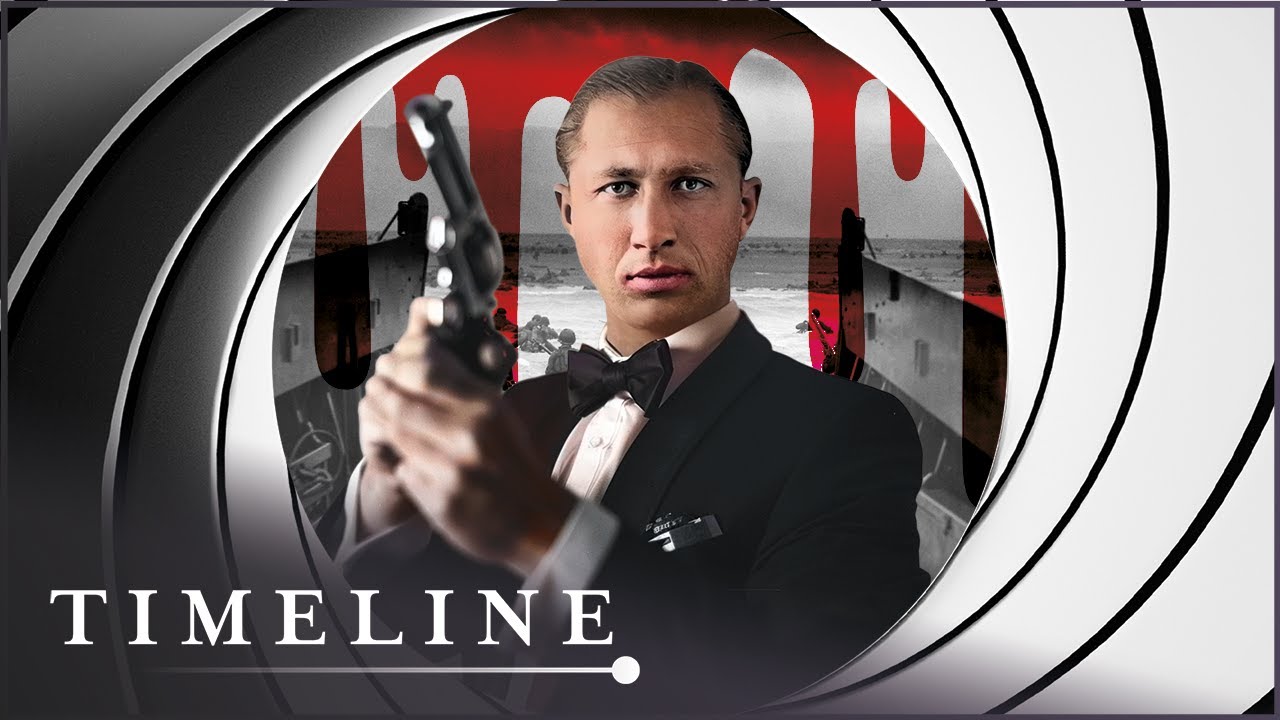
Duško Popov drained German intelligence of $85,000 during World War II, significantly impacting the success of D-Day and the Allied war effort.
Stanford White designed the Washington Square Arch, a prominent symbol of New York City, and was a key figure in the city's Gilded Age architecture.
Brendan Bracken, Winston Churchill's closest advisor for over 30 years, raises questions about his lineage and the truth behind his remarkable life.
In the hills of Cornwall, archaeological investigations reveal evidence of Iron Age human sacrifices and cannibalism linked to ancient inhabitants.
Over five million passengers use the Paris Metro daily, which spans 220 kilometers and includes 302 stations across 14 lines.
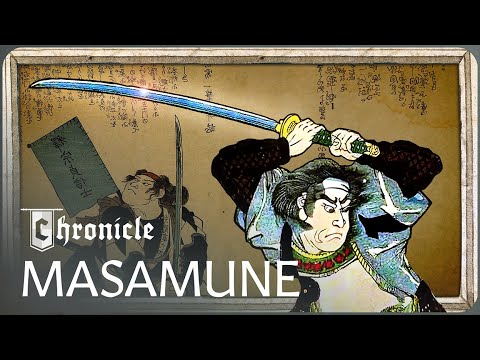
The Honjo Masamune, a legendary samurai sword crafted by Goro Nyudo Masamune, remains missing since its surrender to Allied forces after World War II.
A 750-meter-long causeway at Unas Pyramid Complex symbolizes the connection between life and death during Ancient Egypt's transition from prosperity to turmoil.
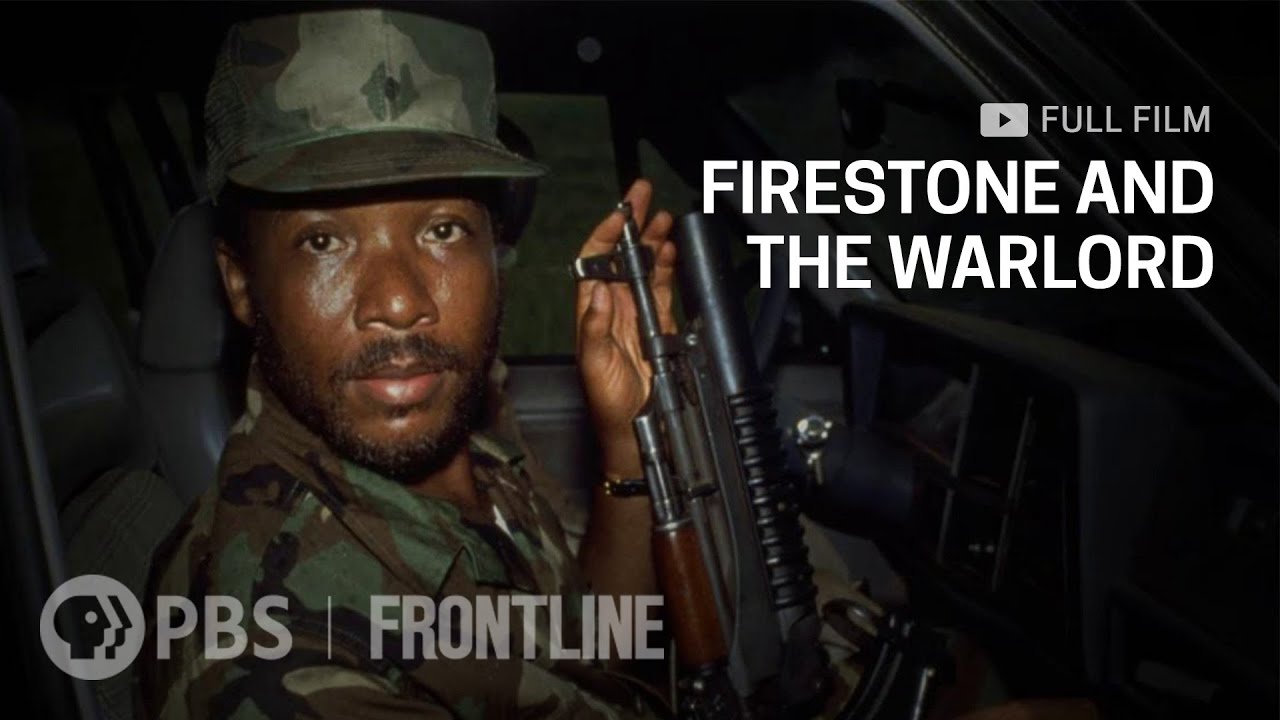
Firestone's operations in Liberia during the civil war reveal a complex relationship with warlord Charles Taylor, raising critical questions about corporate ethics in conflict zones.
Henry II, the first Plantagenet king, significantly shaped English history through his reign, marked by legal reforms and territorial expansion.
Shulgi of Ur, a pivotal king of the Neo-Sumerian Empire, significantly advanced Sumerian culture and influence before his dynasty ultimately declined.
Dr. Martin Pepper searches for Atlantis in Santorini, using sonar scans and Plato's clues.
Three and a half thousand years ago, a tightly packed community of ordinary Egyptians lived in a village on Luxor's West Bank, near the Valley of the Kings.
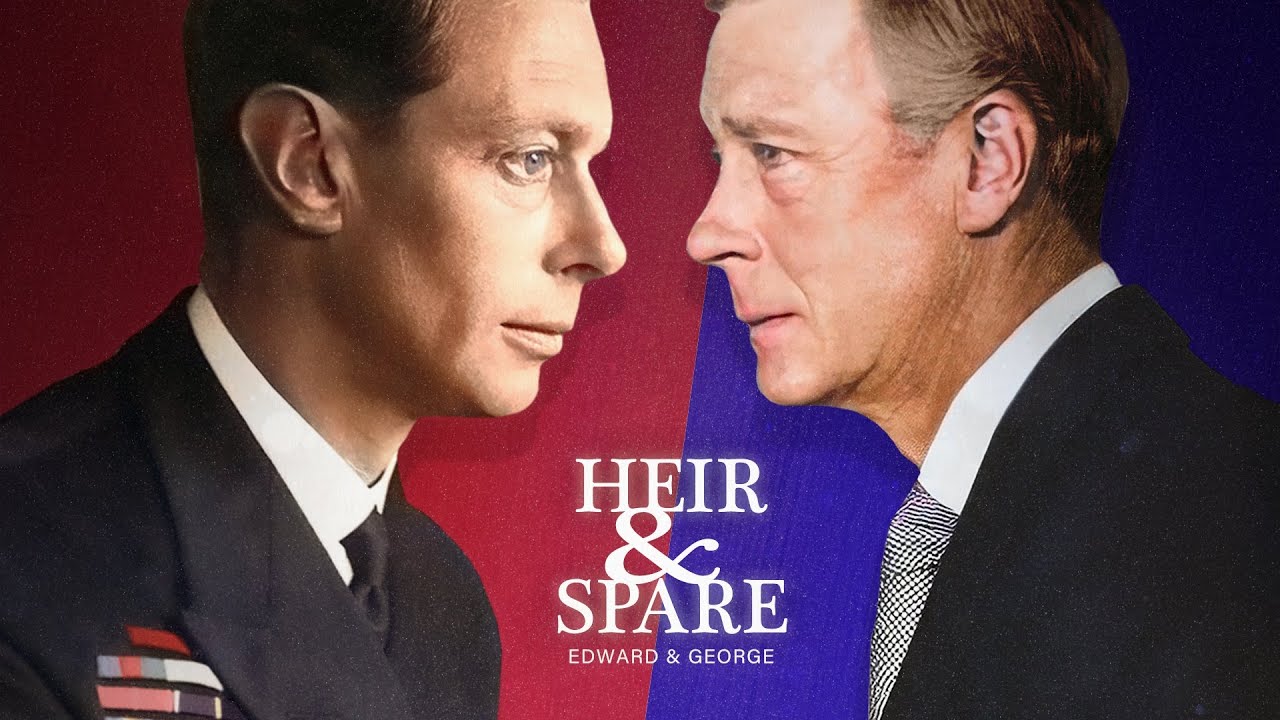
Edward and George, two brothers of the British Royal family, navigated the complexities of monarchy, with Edward's abdication shaping George VI's reign during World War II.
Operation Barbarossa, launched by Adolf Hitler in 1941, marked the largest military invasion in history and revealed the brutal realities of the Eastern Front during World War II.
Hugh Dowding's leadership and strategic foresight were crucial in enabling RAF Fighter Command to defend Britain during the pivotal Battle of Britain in 1940.
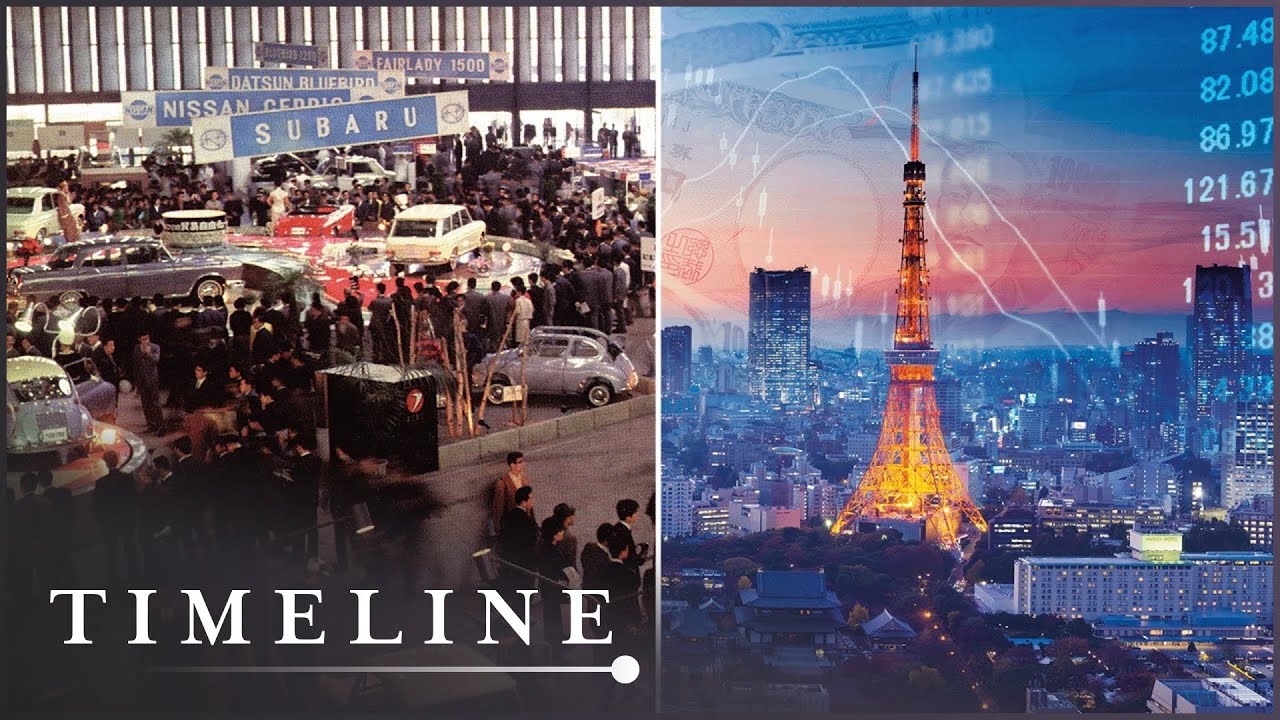
In the 1990s, Japan's stock market fell by 80% and housing prices dropped by up to 84%, leading to a deep economic crisis.
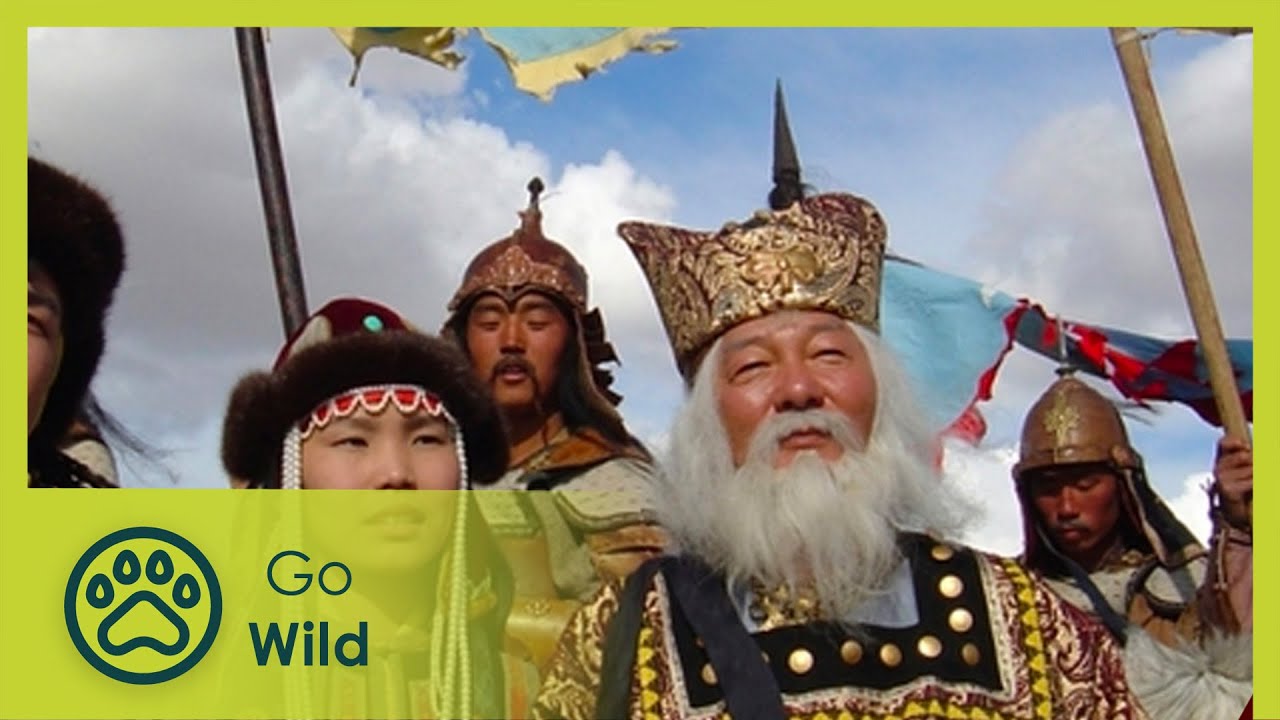
Genghis Khan transformed from a timid herd boy into a formidable general and statesman, as seen through the perspective of his own people.
A cunning bank robber, responsible for the longest series of unsolved bank heists in FBI history, challenges law enforcement's investigative skills.
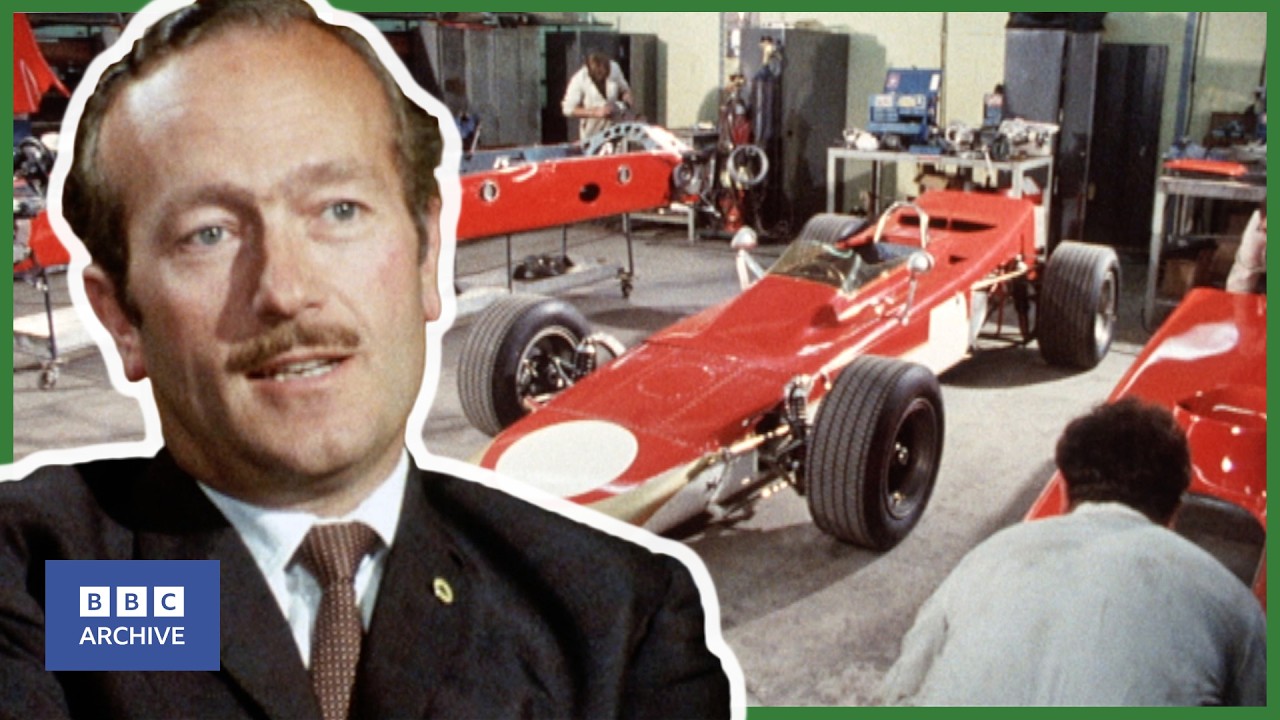
Colin Chapman transformed Lotus Racing from a humble garage operation into a powerhouse of innovation in Formula 1 and sports car manufacturing.
The Enola Gay, a B29 Superfortress, carried a 9,700 lb uranium bomb named Little Boy on its mission to drop the first atomic bomb in history.
Excavations at Syndale, Kent, reveal a Roman military trap from 43 AD.
Roman gladiators, often misunderstood, are examined through expert insights addressing their reality, training, societal roles, and the myths surrounding them.
The series reveals discoveries from a four-year Maritime Archaeological Expedition in the Black Sea.