From over 100,000 films, discover the handful you'll love.
Free or premium access to the world's largest documentary library.
22463 films(Page 268 of 468)
American innovation is explored through a collection of significant inventions and absurd failures, highlighting the impact of creativity on society.
Four presidential elections between 1900 and 2000 are examined for their impact on American political history, including the 1992 race that brought Bill Clinton to power.
In 1994, the murder of a single mother in her apartment remains unsolved for three years until DNA evidence links it to a subsequent crime against a child.
Female guerrillas of the Kurdish Liberation Movement fight for independence and women's rights in a region where traditional gender roles are deeply entrenched.
Sheila Tate served as press secretary to Nancy Reagan from 1981 to 1985, providing insights into the First Lady's life during her husband's presidency.
Three women in mid-19th-century Auburn, New York, organized conventions and provided support for abolition and women's rights, shaping social justice efforts.
A filmmaker searches for his enigmatic Hungarian father, tracing a family's history through war, immigration, and healing across three continents and four generations.
In June 1976, Air France flight 139 was hijacked by Palestinian and German terrorists and led to a historic hostage rescue operation in Entebbe, Uganda.
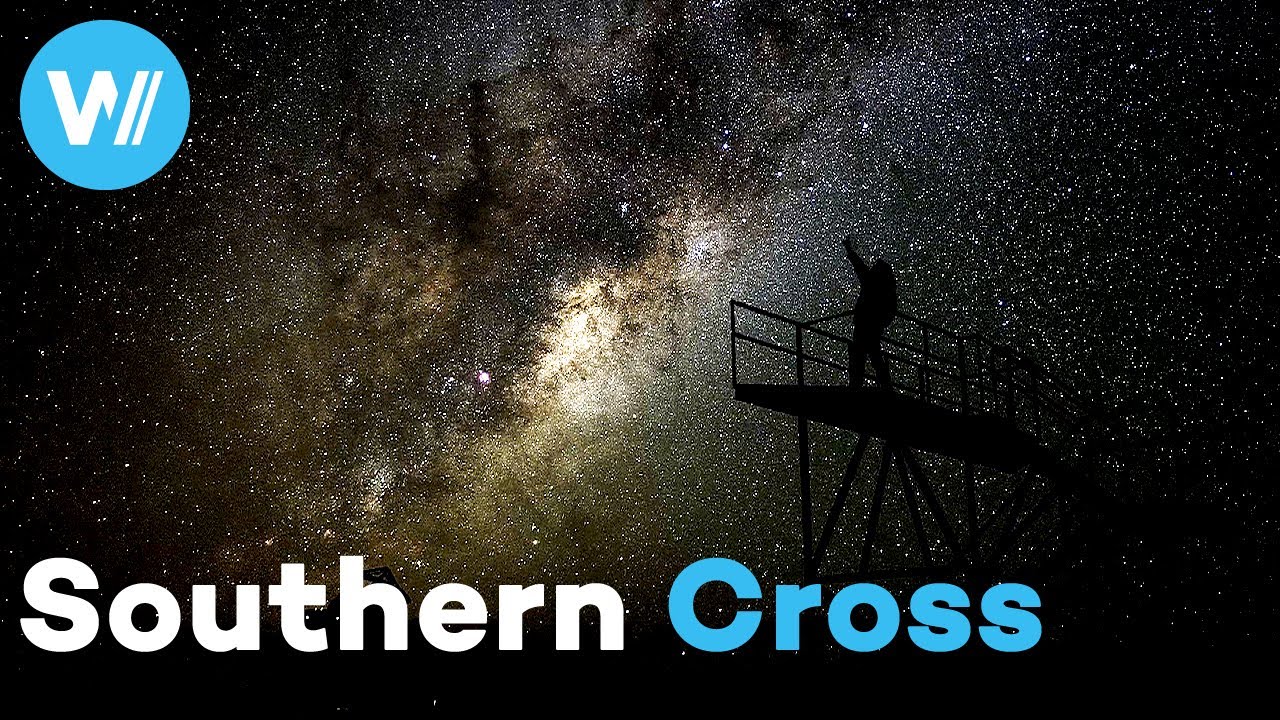
In Easter Island, the Pleiades Constellation guides the local calendar, while the Southern Cross has historically aided sailors, and a telescope in Paranal reveals Andean cultural perspectives on stars.
In Charleston, Dr.
Marthe Erbelding, a young girl murdered at Gare du l’Est in Paris, becomes the focal point of a heated debate on the death penalty in France following her killer's life sentence.
Bornholm, a Danish island known for its self-sufficiency and rich food culture, showcases local producers and unique flavors in Tareq Taylor's culinary exploration.
Medieval European architecture transformed religious buildings through innovative engineering techniques, creating structures that aimed to reflect divine beauty on earth.
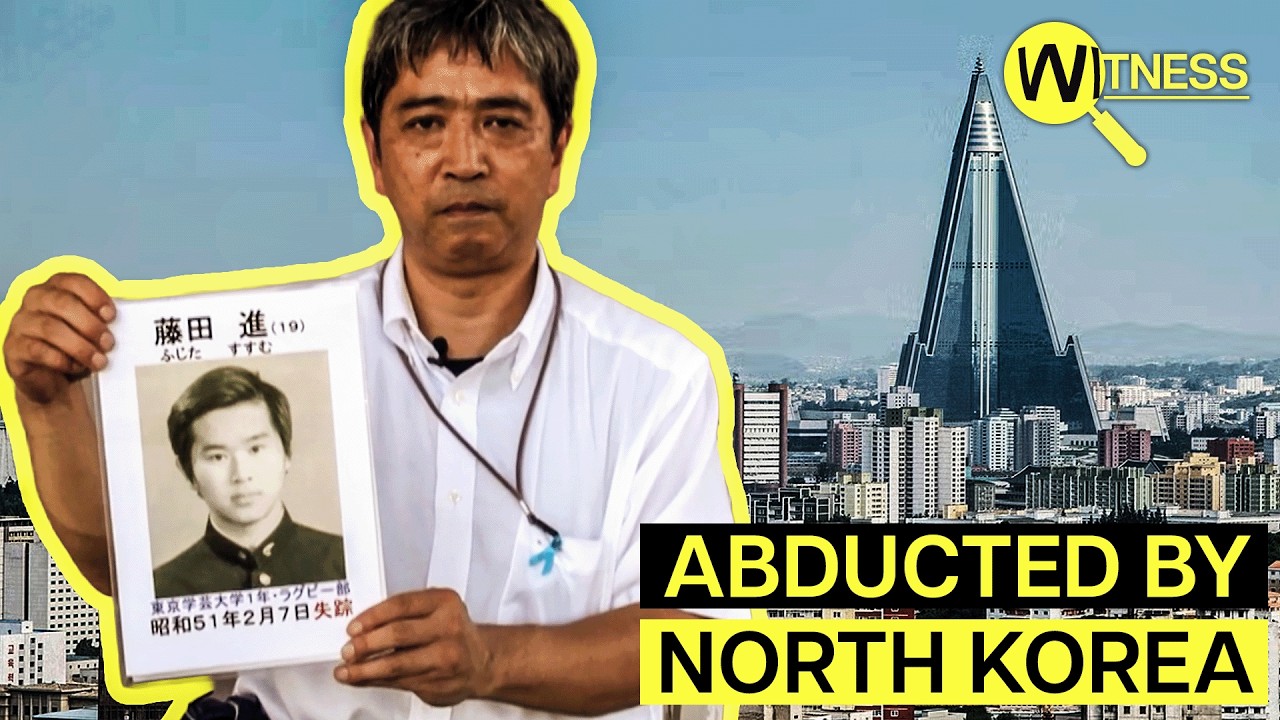
In the 1970s and 80s, North Korea's Secret Service, under Kim Jong Il's orders, abducted hundreds of individuals from various countries, with many still unaccounted for today.
Harry Belafonte reflects on his friendship with Martin Luther King Jr., sharing insights on their shared commitment to nonviolence and the Civil Rights Movement.
Coblenz, Germany, in 1919 showcases U.S. Army activities, including troop inspections, horse care, and military ceremonies following World War I.
The Caño Limon pipeline in Colombia, targeted by insurgents, received $100 million in U.S. funding for protection following 170 attacks in 2001.
In 2015, Yogi Roth and four strangers sailed around Cape Horn, retracing the journey of his great-great-grandfather while confronting their fears.
Japan's increasing skepticism towards nuclear power, fueled by the Fukushima disaster, has ignited local opposition against new power plants and divided public opinion.
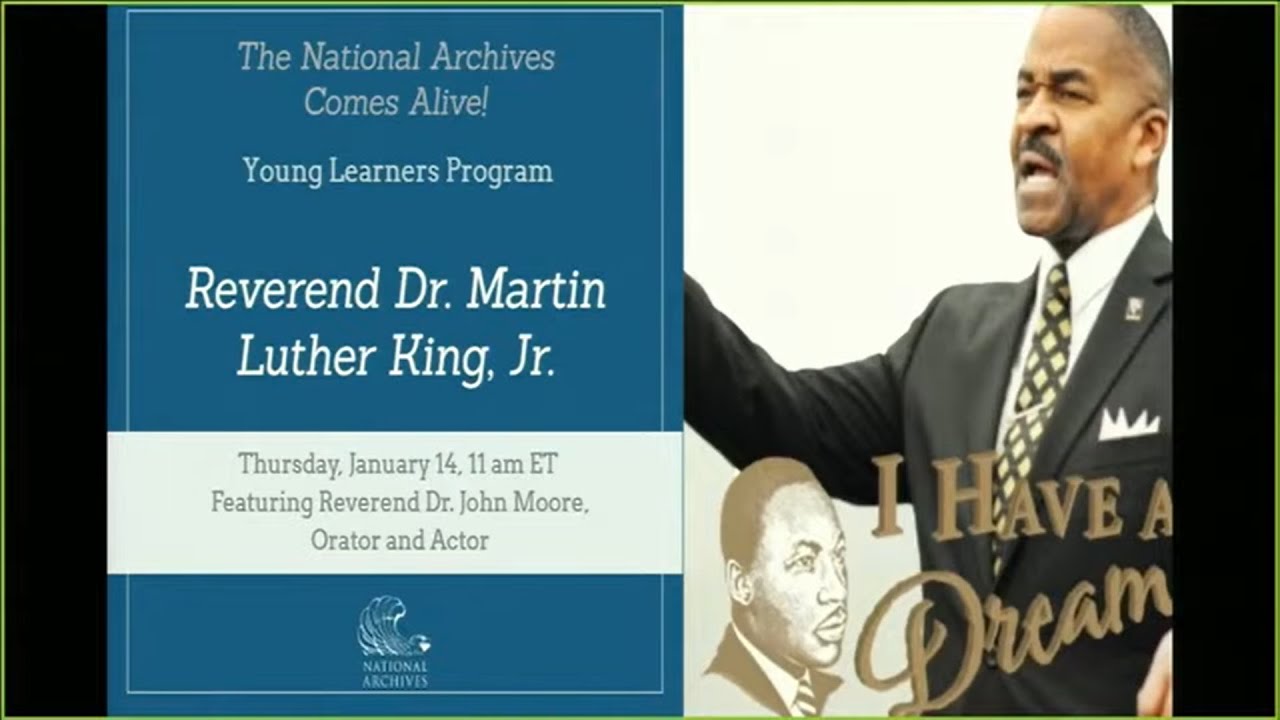
Reverend Dr. John Moore portrays Dr. Martin Luther King, Jr., sharing his impactful words and actions from the civil rights movement with young learners.
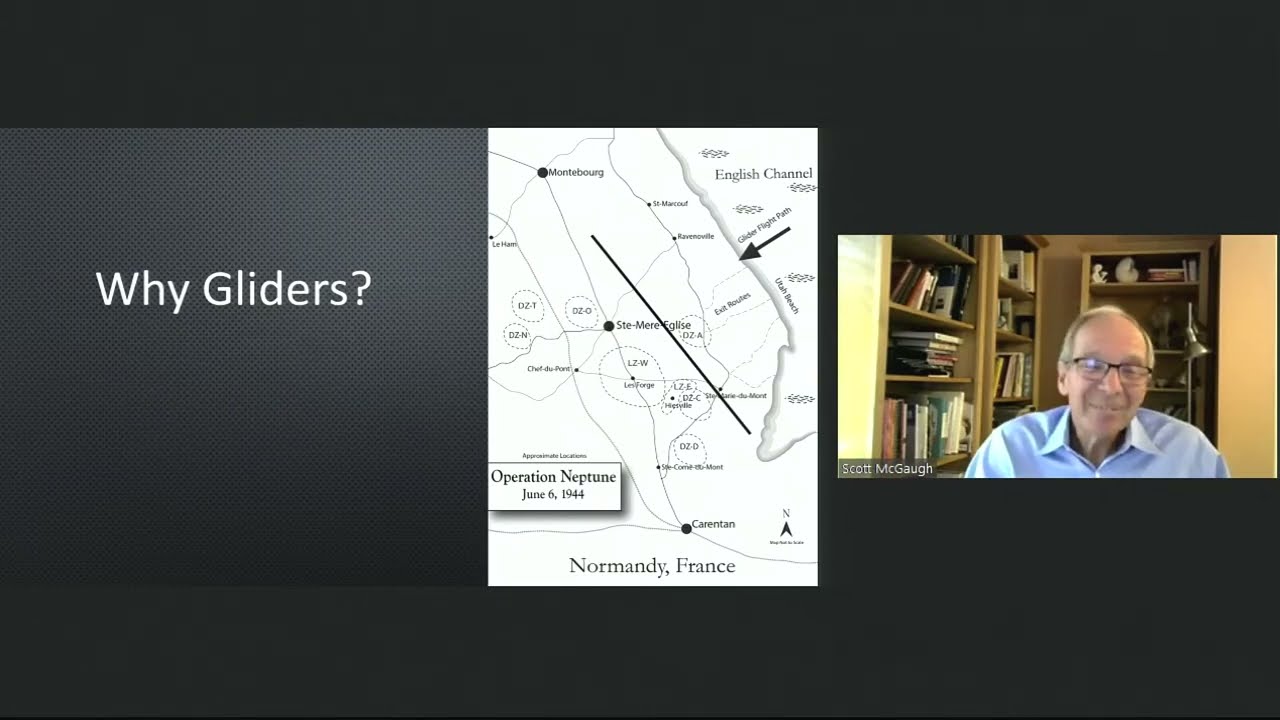
American glider pilots in World War II undertook perilous missions in unarmed, engine-less aircraft, facing a projected 50 percent casualty rate.
Julian Assange, founder of Wikileaks, ignited global debate on press freedom and accountability by leaking a controversial video of a US military incident in Iraq.
Bitcoin was invented in secret and is described as a gift to the world, challenging traditional banking systems and government control over money.
In 1947, children in the United States protested against candy manufacturers for raising the price of chocolate bars from five cents to eight cents, sparking national controversy.
Cutting-edge military technology, including main battle tanks, fighter jets, and warships, is examined alongside the history and strategies that shaped their development.
Gustave Eiffel's engineering legacy includes over 500 structures worldwide, such as the Eiffel Tower, the Maria Pia Bridge in Porto, and the Nyugati train station in Budapest.
Ellis Island, operational from 1892 until World War I, primarily processed European immigrants while Asian individuals faced significant exclusion and detention.
Jupiter's storms, studied through NASA's Juno mission, provide insights into the chaotic origins of the solar system and the early conditions that shaped Earth.
Sarah Childress Polk, First Lady during James K. Polk's presidency, played a significant role in American politics and feminism, often overshadowed by contemporaries.
Journalist Jack Tame and chef Ray McVinnie explore their complex ancestry through DNA testing, revealing unexpected connections to Norway and beyond.
Over 600,000 lives were lost in the Civil War, a conflict that ultimately led to the ratification of the 13th Amendment in 1865.
The quest for the mythical "Elixir of Life" has influenced history and power dynamics, revealing secrets that have remained hidden for centuries.
On August 28, 1977, Pelé played his final match, marking the end of an era in soccer and leaving a lasting legacy on the sport.
Adolf Hitler's strategic plans during World War II included a proposal for German fighter planes to crash into Manhattan's skyscrapers as suicide bombs to demoralize the United States.
In 1789, George Washington laid out his itinerary for a tour of the United States, which included stops in Savannah, Georgia, and other key locations.
Princess Diana's post-divorce life is examined, highlighting her transition from the constraints of royal expectations to her impactful humanitarian efforts.
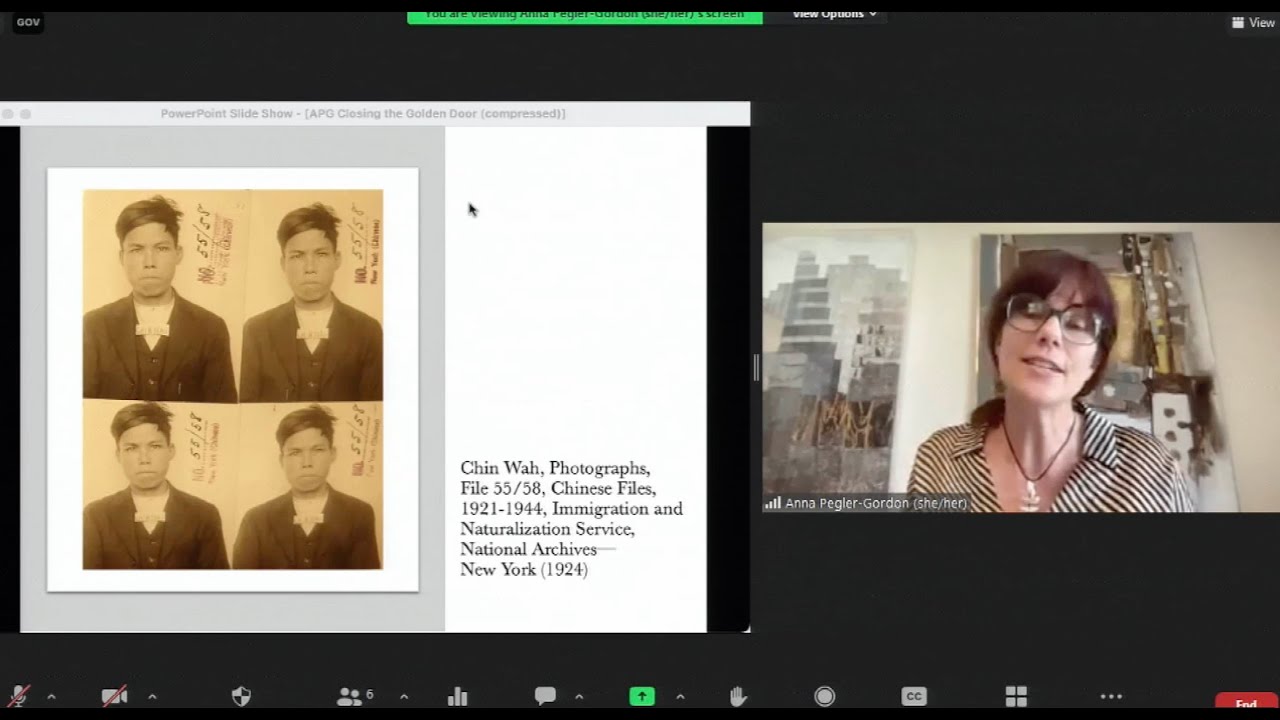
Chinese Exclusion Act case files at the National Archives provide valuable insights for family historians and genealogists, particularly those researching Asian American ancestry.
Alvin Hall revisits The Negro Motorist Green Book, gathering testimonies from survivors of Jim Crow-era travel to highlight its significance in Black resistance.
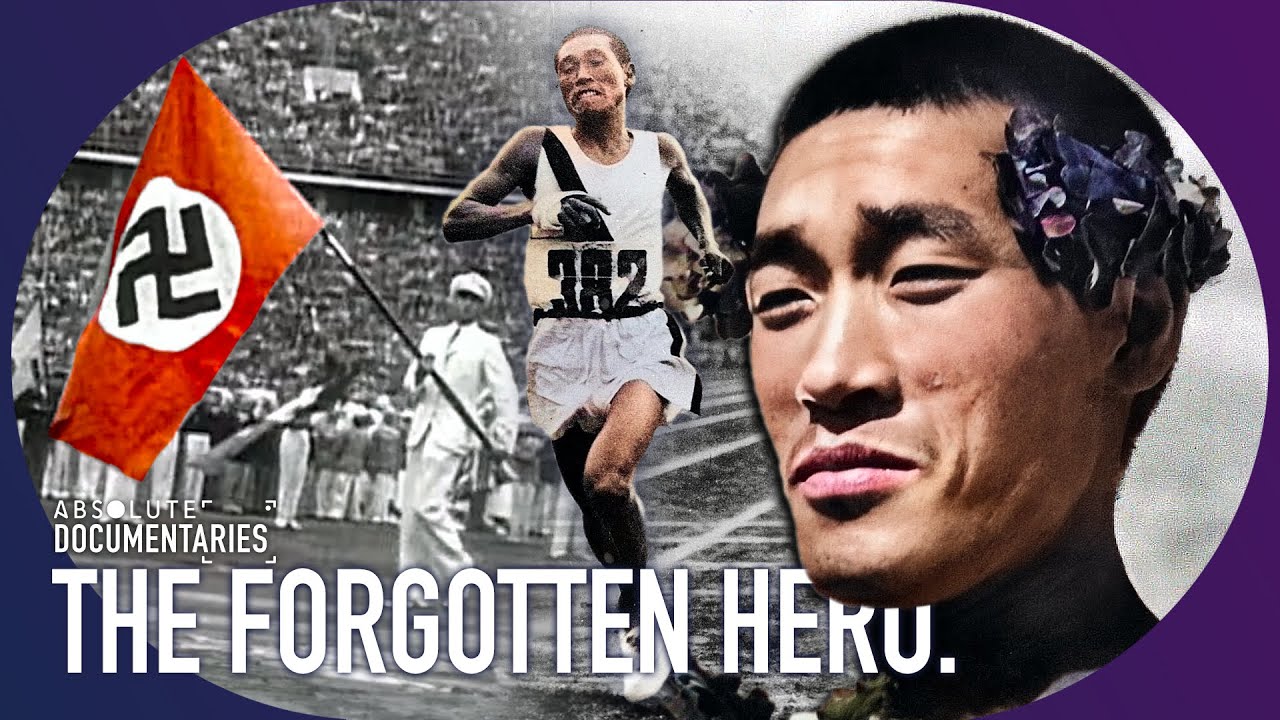
Sohn Kee-chung, a Korean marathon runner, won gold at the 1936 Berlin Olympics but protested Japan's colonial rule by covering the Japanese flag on his chest.
Art from Sheridan, Wyoming, showcases the region's unique cultural influences and highlights local artists who shape its vibrant creative landscape.
Cincinnati Music Hall, built on a former public cemetery, reveals its buried history as forensic anthropologist Dr. Elizabeth Murray investigates human remains found during renovations.
The Battle of Antietam on September 17, 1862, played a crucial role in shaping the United States' future by influencing politics and the fate of slavery.
Howard Dean's once-promising presidential campaign faces challenges as dwindling support raises questions about his viability as a candidate.
Syria's archaeological wealth has become a target for a multi-billion dollar black market, with ancient cities like Palmyra and Nimrud exploited to fund terrorism.
On September 21, 2001, a catastrophic explosion at the AZF factory in Toulouse, caused by a mishandling of ammonium nitrate, resulted in 31 deaths and 22,000 injuries.
A French chef named Nicolas Appert won a prize in 1809 for developing a method to preserve food by sealing it in containers and heating it.
Historical misconceptions about a flat Earth are examined alongside scientific evidence from figures like Eratosthenes and Galileo Galilei, revealing ongoing debates today.
The War of the Worlds broadcast panic, the Roswell Alien Autopsy hoax, and the Piltdown Man fossil fraud are among the historical deceptions examined in this series.