From over 100,000 films, discover the handful you'll love.
Free or premium access to the world's largest documentary library.
22463 films(Page 29 of 468)
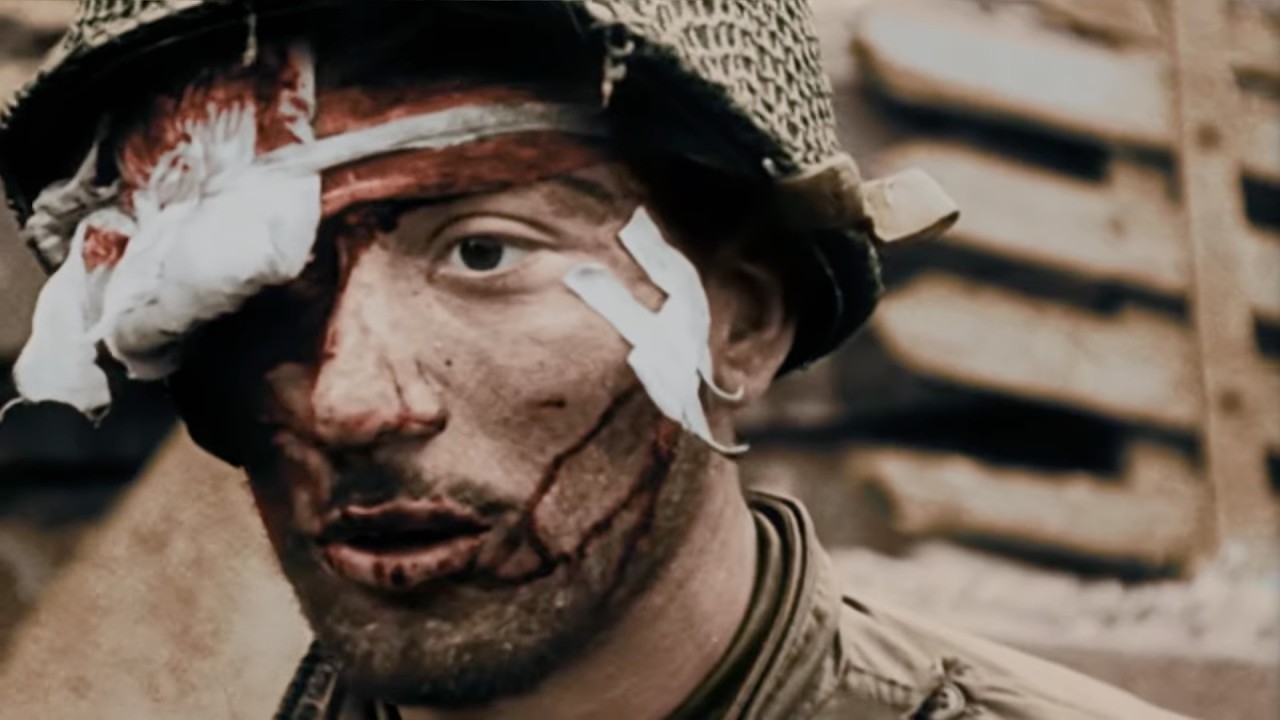
The D-Day invasion on June 6, 1944, marked the beginning of a brutal 100-day campaign in Normandy, highlighting the fierce battles and atrocities faced by both Allies and Germans.
TWA shut down for more than a month due to a strike of stewards and stewardesses, reflecting the tensions in the airline industry during the 1960s.
Medieval life in England varied dramatically across social classes, influencing food, education, mobility, and life expectancy for workers, tradesmen, clergy, and nobility.
Latin America faces political upheaval post-World War II as the U.S. attempts to maintain influence amid rising communist ideologies and regional coups.
Enjoy 10% off Hoverpens with free shipping to Canada and Europe in this engaging video.
Vladimir Putin's conflict with the United States reveals the complexities of international relations and the impact of political power struggles.
The D-Day landings achieved great success due to surprise and unprepared German forces.
Victorian attitudes towards sex reveal a complex society that balanced strict morals with hidden desires, challenging the notion of their prudish reputation.
In 1996, Michael Stone brutally attacked Lin Russell and her daughters, Megan and Josie, in Kent, resulting in the deaths of Lin and Megan.
A population of 5,000 made Roskilde one of the largest settlements in the North Sea kingdoms during the Viking Age from the 8th to the 11th centuries.
Operation High Jump, led by Admiral Richard Byrd in August 1946, involved 13 ships and over 4,700 military personnel in Antarctica.
Mycenaean Greece, a pivotal civilization of the late Bronze Age, shaped the historical context of the Trojan War and influenced Homer's epic narratives.
The Mosquito, a wooden fighter plane initially underestimated by the British government, became a vital asset for the Royal Air Force, instilling fear in the German Air Force.
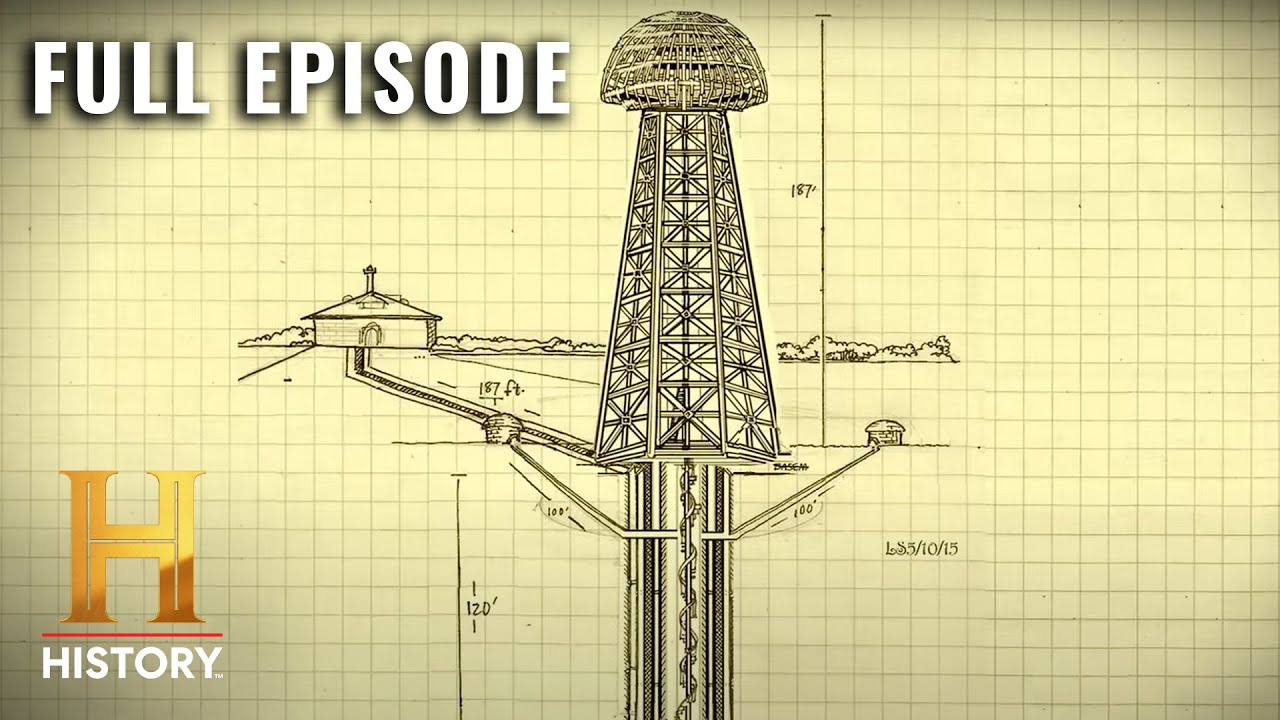
Marc, Jason, and Travis investigate Nikola Tesla's hidden files in New York.
Chosokabe clan, a prominent name of the Sengoku Jidai, experienced an ambitious rise and a tragic fall on the island of Shikoku.
1,400 kilometers of railway connect the Persian Gulf to the Caspian Sea, revealing Iran's landscapes and the lives of its people.
In Applecross, a team excavates a broch, one of the largest Iron Age structures in Britain, believed to be buried under a hill in Scotland.
Over 2 million people fled East Germany before the Berlin Wall was erected on August 13, 1961, prompting the Stasi to expand its surveillance operations.
The Tower of London, a historic fortress and prison, reveals its dark past through the examination of medieval torture chambers and their infamous uses.
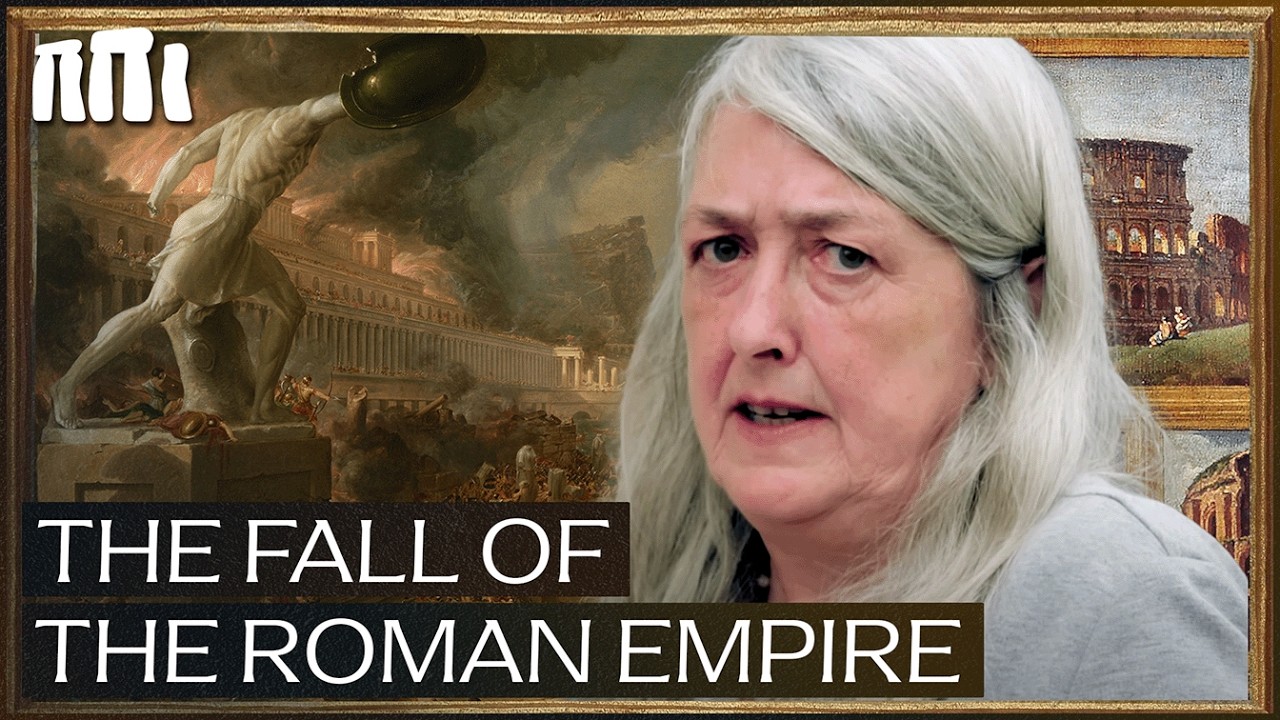
In Britain and Germany, Mary examines the pressures faced by the Roman Empire, exploring the factors that contributed to its decline and fall.
Giant production enterprises in the United States rapidly transformed the nation into a dominant military force during World War II, manufacturing everything from weapons to aircraft.
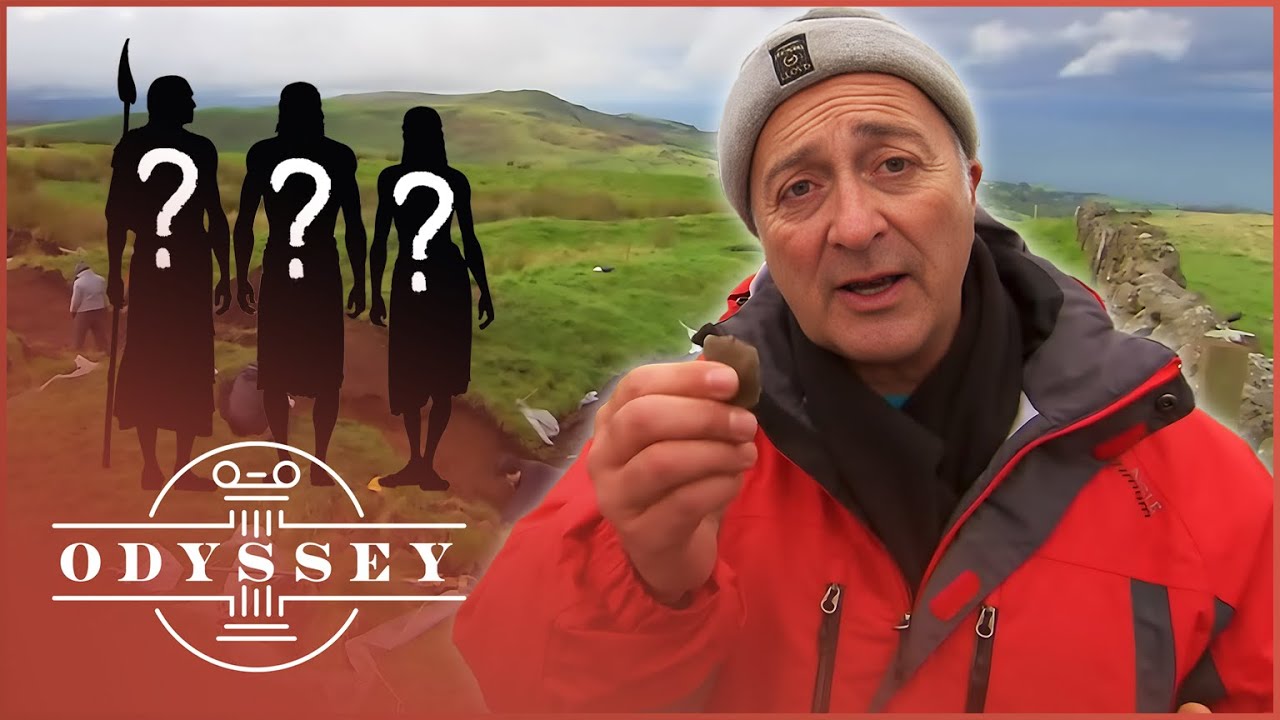
A massive Bronze Age promontory fort in Britain reveals the remains of a sophisticated society, prompting urgent excavation by Tony and his team.
Sarith Ou's escape from the Khmer Rouge genocide led him to Wisconsin, where he later returned to Cambodia with a Vietnam veteran to foster hope and healing.
Ireland's landscape is rich with haunted castles and dark woodlands, reflecting a history intertwined with magic, ritual, and folklore that shapes its culture.
Oberleutnant Wilhelm Sander's diaries provide a candid account of the brutal realities faced by German forces during the harrowing invasion of the Soviet Union.
Rameses II, renowned for his monumental architecture and military prowess, significantly shaped ancient Egyptian civilization during his 66-year reign.
Akechi Mitsuhide, often labeled Japan's greatest traitor, is reexamined as a complex figure whose actions may reveal deeper truths about loyalty and betrayal.
The Korean Demilitarized Zone stretches over 250 kilometers, marking one of the most heavily militarized borders in the world.
20,000 British soldiers were killed on the first day of the Battle of the Somme, marking one of the bloodiest days in military history.
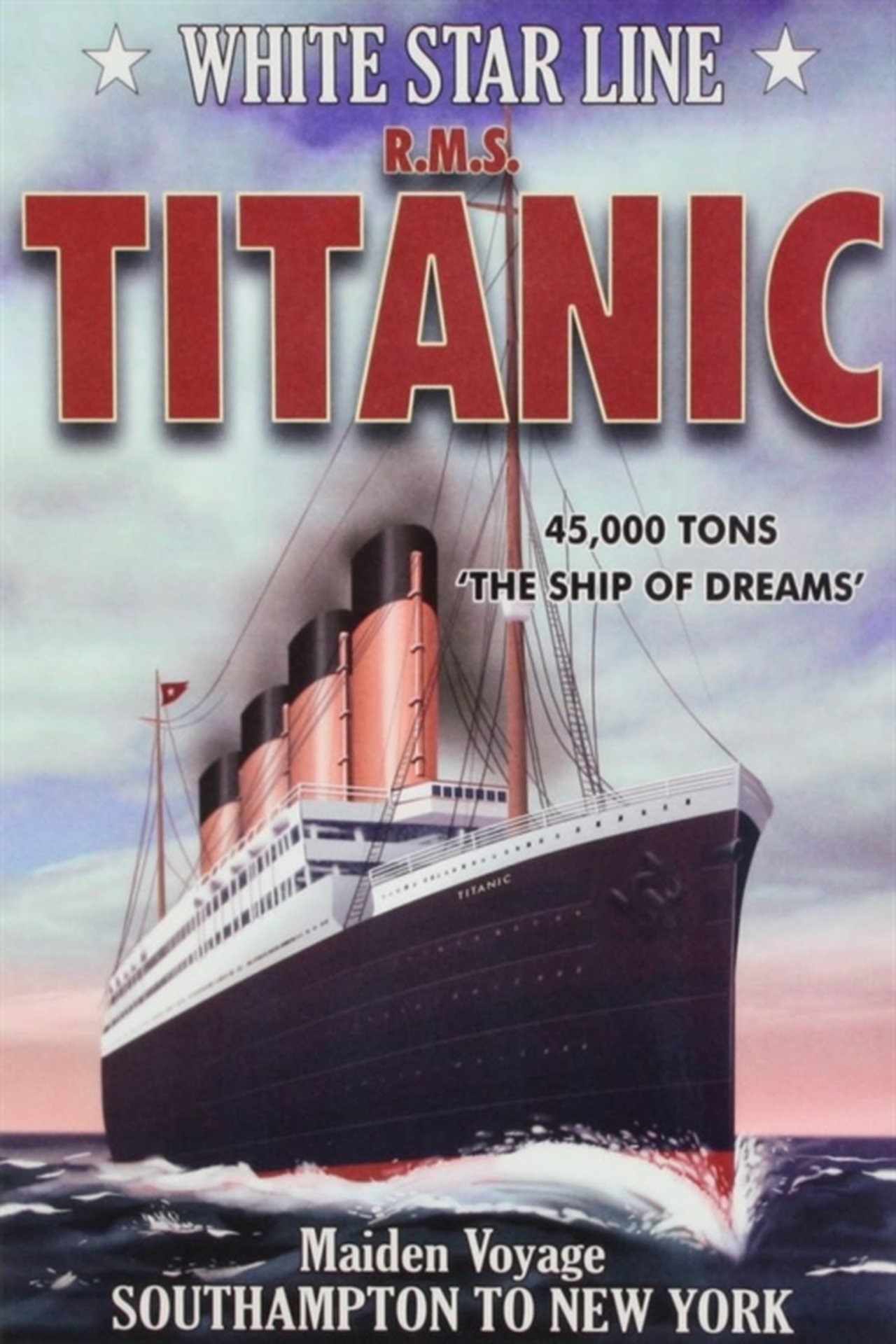
Approximately 1,500 lives were lost when the RMS Titanic sank after colliding with an iceberg on April 14, 1912, during its maiden voyage.
Titanic's wreck site is revealed in unprecedented detail through a groundbreaking scan, providing insights into the ship's final hours and its historical significance.
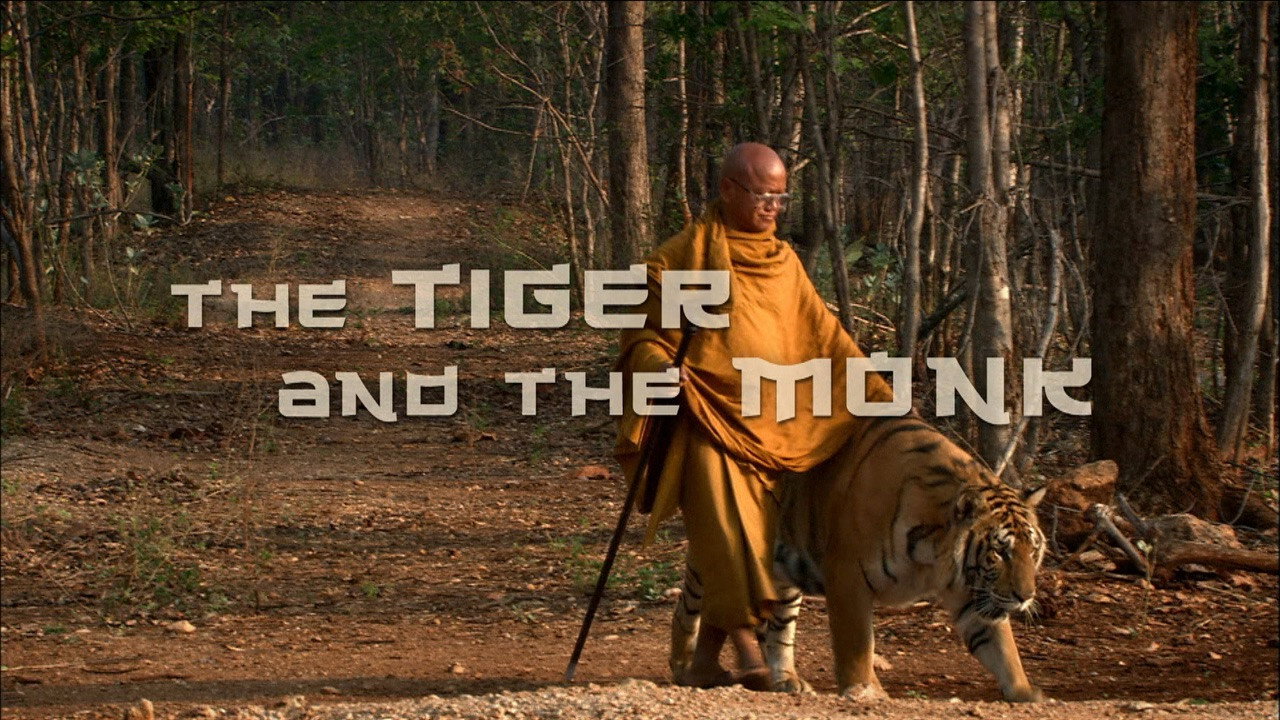
Sixteen tigers live at Wat Pa Luangta Bua, a forest monastery in Thailand, where they are cared for by a small group of Buddhist monks.
Ray Mears explores the historical roots of Robin Hood, examining evidence and folklore to determine if the legendary outlaw was a real person or a symbol of justice.
September 11th attacks are examined through a detailed timeline, providing a comprehensive account of the events as they unfolded that fateful day.
Bettany Hughes explores the historical significance and enduring legacy of the Seven Wonders of the Ancient World, revealing their original grandeur and present-day remnants.
126 crew members faced life-threatening conditions during the Deepwater Horizon oil rig disaster on April 20, 2010, in the Gulf of Mexico.
The Battles of Imphal and Kohima marked a pivotal moment in World War Two, as Allied forces halted Japan's advance into India, reshaping the conflict in Southeast Asia.
Hitler was sworn in as chancellor on January 30, 1933, after a decade of building a propaganda brand that manipulated public perception and rallied support.
Iconic firearms from the Old West, including the Colt revolver and Winchester rifle, are tested for accuracy in a thrilling shootout at the Royal Armouries Museum.
Twenty million books were printed in Europe within 50 years of Johannes Gutenberg's invention of the printing press in the 15th century.
Viking Berserkers, elite warriors known for their drug-fueled battle frenzy, were outlawed due to their extreme violence following the raid on Lindisfarne in 793.
Scribes in ancient Mesopotamia were vital for recording knowledge, drafting edicts, and even creating early diss tracks, showcasing their cultural significance.
The Bismarck, a formidable battleship of Nazi Germany's Kriegsmarine, instilled fear in the Royal Navy during WWII as Allied forces strategized to locate and neutralize it.
The Illuminati, a secret brotherhood active for just ten years, aimed to influence power structures but was banned in 1785, fueling ongoing conspiracy theories.
Ed Gein, a seemingly ordinary man from Plainfield, Wisconsin, committed horrific murders and grave robberies that inspired iconic horror films.
Hadrian's Wall, a 115-kilometer-long structure built in the second century A.D., symbolizes the Roman Empire's struggle to control its borders amid internal and external pressures.
Viking Age history is often oversimplified as a time of violence, yet expert insights reveal a complex legacy of trade, society, and cultural influence across Europe.
A de Havilland Beaver aircraft, affectionately named 'Olivia', is restored after decades of sitting in the Arizona desert near Tucson.