From over 100,000 films, discover the handful you'll love.
Free or premium access to the world's largest documentary library.
22463 films(Page 68 of 468)
Zero, introduced thousands of years after the birth of mathematics, revolutionized calculation and enabled advancements in science and technology.
Robert Mugabe's life in Zimbabwe illustrates his evolution from a freedom fighter against colonialism to a leader associated with tyranny and economic collapse.
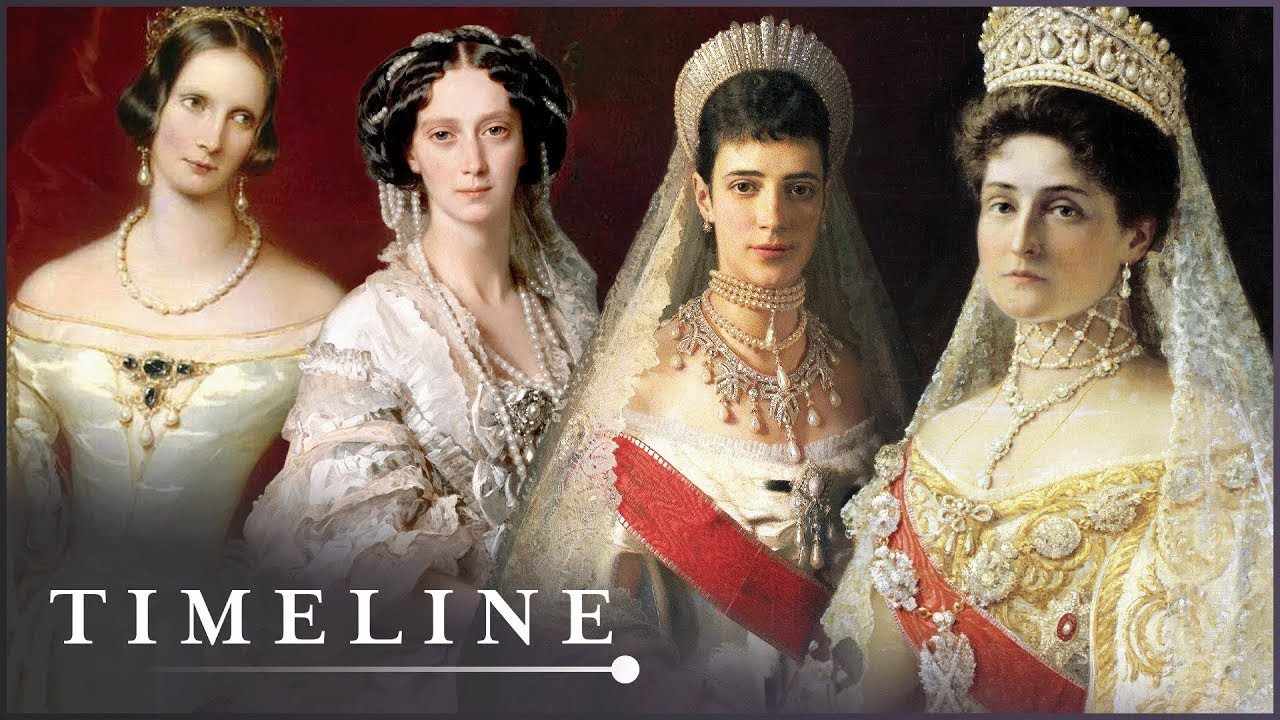
Charlotte von Prussia traveled 1,500 kilometers by horse-drawn carriage to Saint Petersburg in 1817 to marry Grand Duke Nicholas.
British mountain biking history is explored through the insights of legends like Tracy Moseley, Danny MacAskill, and Rachel Atherton.
The Anglo-Irish War and subsequent Civil War are examined through the lens of Professor Eunan O'Halpin, highlighting the human cost of Ireland's independence.
3,000 soldiers were shipped to the 84th Infantry Division in April 1944 before engaging in critical battles along the Siegfried Line during World War II.
In Northern Ireland, archaeologists including Colm Donnelly and Hiram Morgan search for the medieval castle of Dungannon, linked to the O'Neill dynasty.
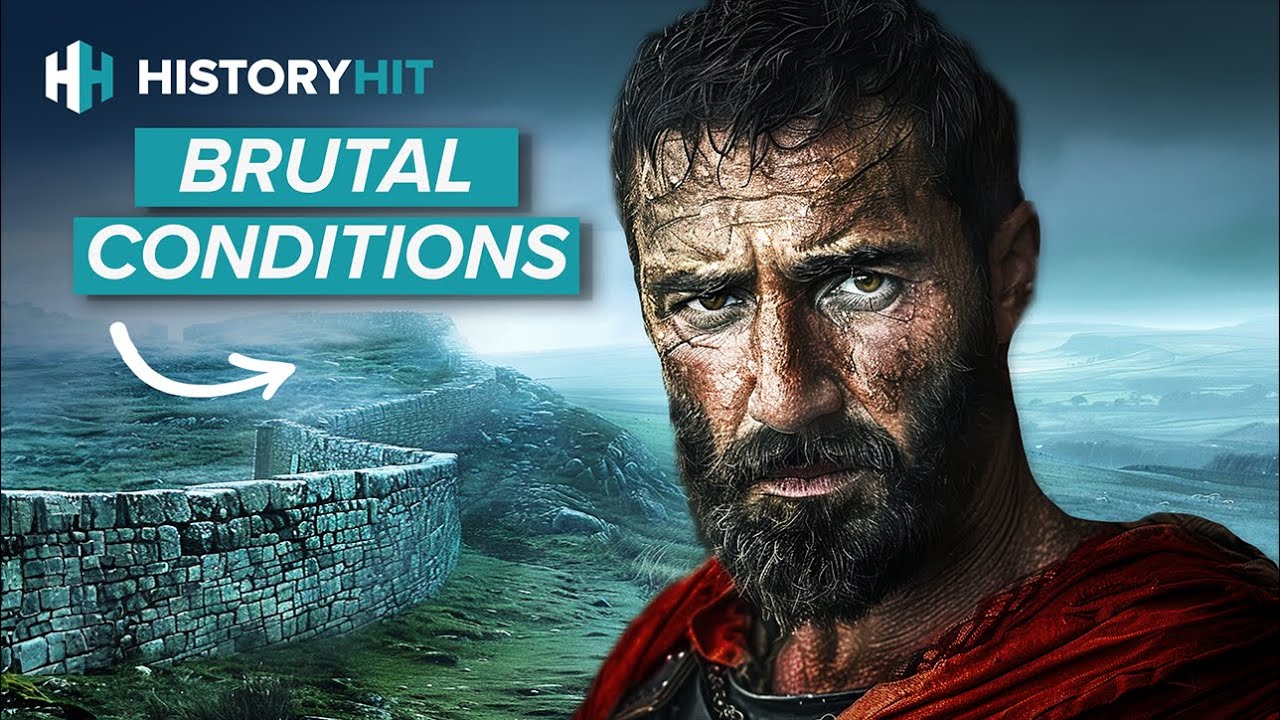
Hadrian's Wall, a monumental relic of the Roman Empire, reveals insights into ancient life through expert interviews and groundbreaking archaeological findings.
Nazi Admiral Karl Dönitz's U-Boat tactics during World War II, particularly his Wolfpack strategy, nearly led to Britain's starvation and surrender.
Archaeologists in the West of England reveal a massive Anglo-Saxon war cemetery alongside insights into Britain's earliest leprosy hospital and Roman military practices.
72 Hellcat fighters launch from the USS Enterprise and nearby carriers to attack Truk Atoll, targeting enemy ships and airfields on February 16, 1944.
500 rebels faced an army of 6,000 in Guatemala during the CIA's Operation PB Success, aimed at toppling President Jacobo Árbenz in 1954.
In 1066, William the Conqueror led the Normans to victory at the Battle of Hastings, marking a significant shift in English history.
Over 4 million German soldiers were deployed for Operation Barbarossa, the assault on the Soviet Union that began in June 1941.
William, orphaned at eight, overcame early challenges to lead Normandy and ultimately conquer England in 1066, reshaping European power dynamics.
A Roman wall nearly 2 meters wide and 110 meters long is discovered beneath St Kyneburgha's church graveyard in Castor, Cambridgeshire.
Tudor fashion, characterized by its extravagance and vibrant colors, reflects the unique contributions of monarchs like Henry VIII and Elizabeth I to the era's style.
Combat vehicles, including the Leopard 2, Tiger I, and Merkava Mark IV, showcase the evolution of military technology and design over the decades.
Brooklands Museum serves as a historical backdrop as Luke Tomes explores the evolution of grand prix racing, from vintage cars to modern Formula 1 simulators.
CIA covert operations reveal the complexities of missions like the hunt for Che Guevara, the Beirut bomb plot, and the Iran hostage crisis escape.
Operation Barbarossa marked the beginning of a brutal conflict on the Eastern Front, leading to pivotal battles such as Moscow, Stalingrad, and the retreat to Berlin.
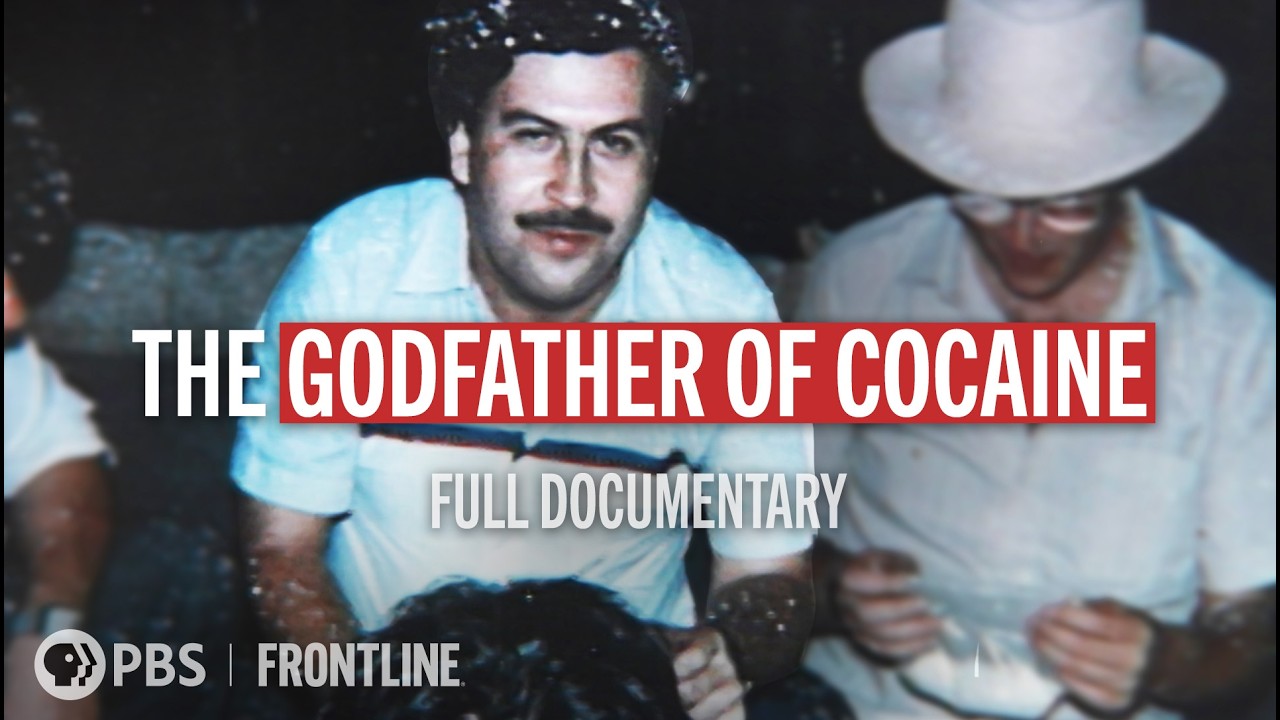
Pablo Escobar's reign as the Medellin cartel leader transformed the cocaine trade in the U.S., leaving a legacy of violence and a resilient trafficking model.
1,177 men died on the USS Arizona during the attack on Pearl Harbor on December 7, 1941, which now lies submerged as a war memorial.
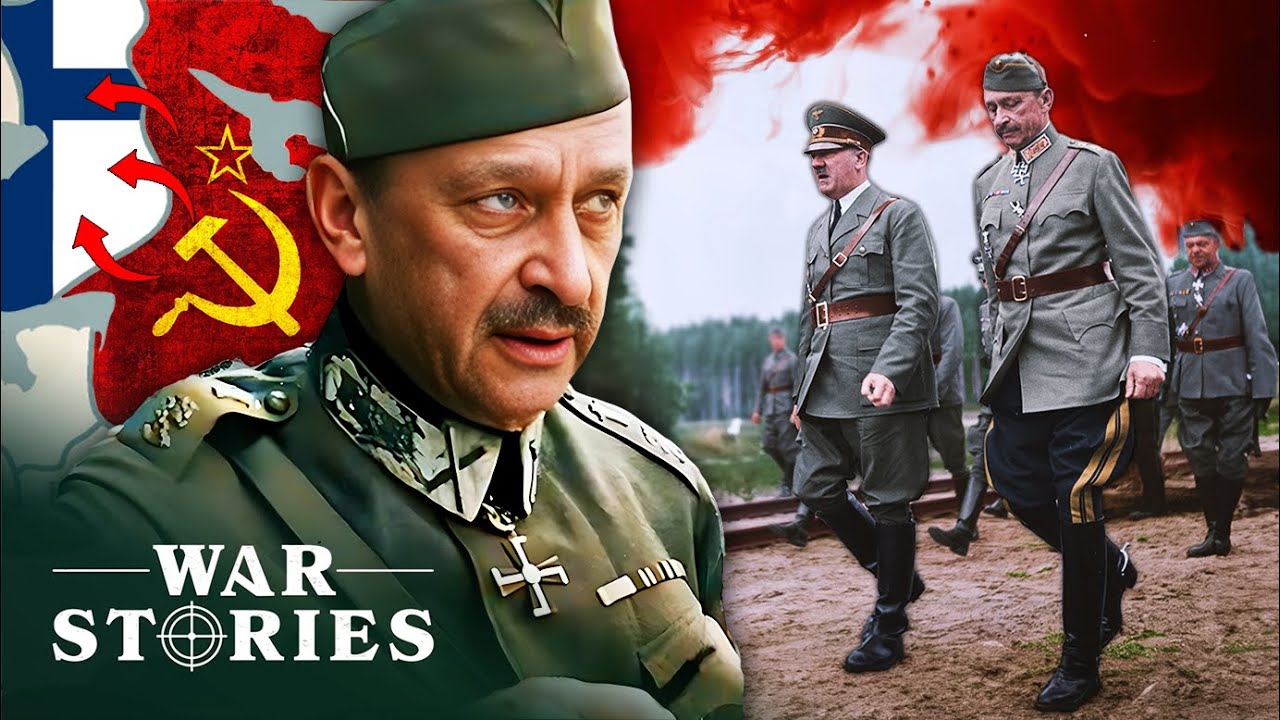
Finland, a nation of 3.5 million people, fought alongside Nazi Germany during World War II to avoid being overtaken by the Soviet Union.
Nikola Tesla's groundbreaking innovations in wireless power and communication were overshadowed by fears of elite control over his revolutionary ideas.
Hitler's obsession with the Spear of Destiny, the actions of Hermann Göring in rescuing Jews during the Holocaust, and government experiments on citizens are examined.
Two million men volunteered to fight after Britain declared war in August 1914, driven by a wave of patriotic fervor and propaganda.
In Afghanistan, coalition forces faced unprecedented challenges in treating wounded soldiers amid guerilla warfare tactics and a hidden enemy.
Simón Bolívar was born on July 24, 1783, in Caracas, Venezuela, into one of the wealthiest families in the Spanish colonial empire.
CIA operations in South America, including the 'Deadly Phantom Coup' in Guatemala and assassination attempts on Fidel Castro and Che Guevara, are examined for their historical impact.
Globally, the coffee industry is worth over $100 billion annually, with more than 2 billion cups consumed every day.
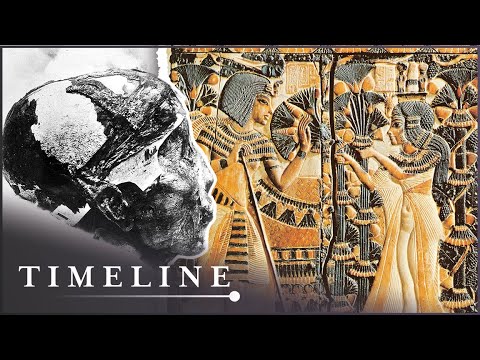
Tutankhamun's burial was a rush job, with evidence suggesting that powerful factions competed for the throne immediately following his unexpected death in 1323 BC.
John Wayne Gacy, a Chicago businessman and notorious serial killer, lured young men to his home in the 1970s, burying their bodies in the crawl space.
Marty and Gary investigate a mysterious stone well on Lot 5 of Oak Island, seeking evidence to support theories about a 13th-century structure.
On 13 September 1759, British General James Wolfe led an outnumbered army to capture Quebec, a key stronghold in the Seven Years War.
Seven of the early adventurers out of every ten will be dead within a year as they struggle to survive in the harsh conditions of early America.
Paul Touvier, a Nazi collaborator, was found guilty of crimes against humanity and sentenced to life in prison, becoming the first French citizen to face such charges.
US forces faced significant challenges patrolling Vietnam's rivers during the war, as these waterways were crucial for Viet Cong supply routes.
188 aircraft were destroyed during the Japanese attack on Pearl Harbor on December 7, 1941, marking a significant escalation in World War II.
Five thousand years ago, farmers in Oman developed the falaj irrigation system to channel spring water and cultivate crops in a harsh environment.
Six million Jews were murdered during the Holocaust, a genocide carried out under Adolf Hitler's regime from 1934 to 1945.
Atomic bombings on August 6 and 8, 1945, prompted Japan's surrender on August 15, marking a pivotal moment in World War II's conclusion.
Over 800 people lived per acre in the overcrowded slums of London's East End during the late Victorian era, a backdrop for notorious murders.
Paul Klipsch's Mark 1 Spitfire, lost during WWII, is excavated in Northern France, revealing both the aircraft's remains and personal artifacts from the pilot.
Catherine Middleton's role as the Princess of Wales, following the emotional passing of the title from King Charles III, highlights her potential for impactful change in royal life.
In 1890, Indiana opened the Indiana School for Feeble Minded Youth in Fort Wayne, housing children with mental disabilities in state-run institutions.
In Cornwall, legends of a visit by Christ and Joseph of Arimathea are explored as archaeologists investigate the historical significance of a vanished chapel.
Squire Martin prepares a succulent dish of goose for his lord in the year 1427, demonstrating the culinary skills of medieval master cooks.