From over 100,000 films, discover the handful you'll love.
Free or premium access to the world's largest documentary library.
22463 films(Page 360 of 468)
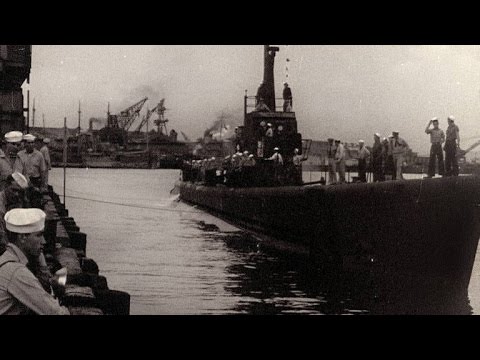
On February 7, 1943, the USS Wahoo became the first U.S. submarine to sink a convoy of over 11,000 tons of Japanese ships during World War II.
A sunset on Earth as seen from the Moon highlights the beauty and historical significance of humanity's early space exploration efforts by NASA.
The origins of the Inca Empire are explored through its rise to power and cultural significance in ancient Peru, highlighting its lasting impact on modern society.
An abandoned U.S. army tank on Flamenco Beach in Puerto Rico serves as a symbol of the island's complex military history and strategic significance in the Caribbean.
The Silk Road connects East and West, influencing history and spreading disease today.
The video addresses the causes of the 1981 Toxteth riots, focusing on criminal behaviour and parental responsibility.
Some 50 years after Columbus's arrival, Conquistadors found the Americas largely deserted, with nature reclaiming the land and no towns or people in sight.
As many as 500 underground sites used by soldiers during World War I lie along a 45-mile section of the western front near the Sheaman deam plateau.
Fireworks, integral to American Independence Day celebrations, trace their origins from ancient Chinese gunpowder to modern folklore, highlighting their cultural significance.
Many mosques use sundials to find the correct time for Islamic prayer.
Researchers analyze Turkish forts to reveal insights about the Great Arab Revolt.
A telegram sent on May 15, 1944, by Agent Bronx contained a coded message about an upcoming Allied attack in the Bay of Biscay.
In 1909, DELAG became the first passenger airline in Germany, using hydrogen-filled Zeppelins for air travel before the dangers of hydrogen were revealed.
The Golden Gate Bridge spans 1.7 miles and features towers that rise 746 feet above San Francisco Bay, making it a significant engineering achievement.
Yale University's historical ties to slavery and its ongoing impact on contemporary society are examined through interviews and archival research.
Gladiator school offers comfort and strict training for fighters, uncertain if voluntary or prison-like.
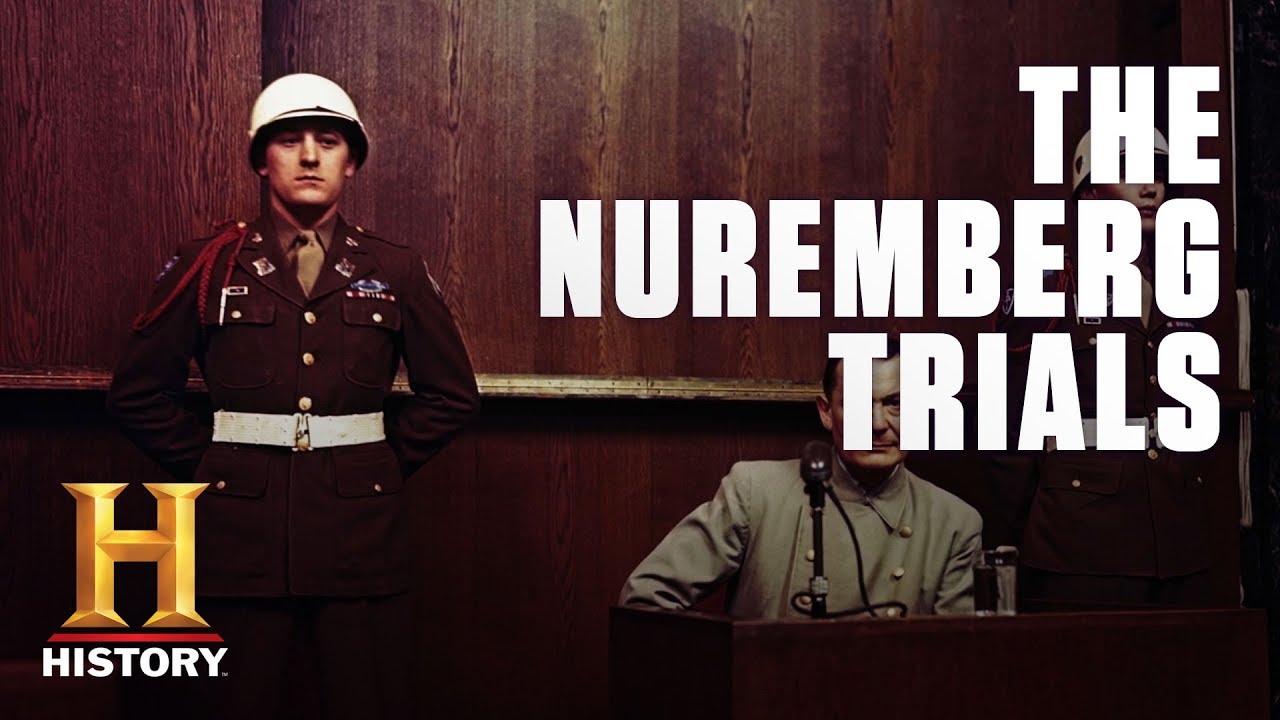
The Nuremberg trials, held from 1945 to 1949, marked a significant moment in international law as the Allies prosecuted major Nazi war criminals like Hermann Goering and Rudolf Hess.
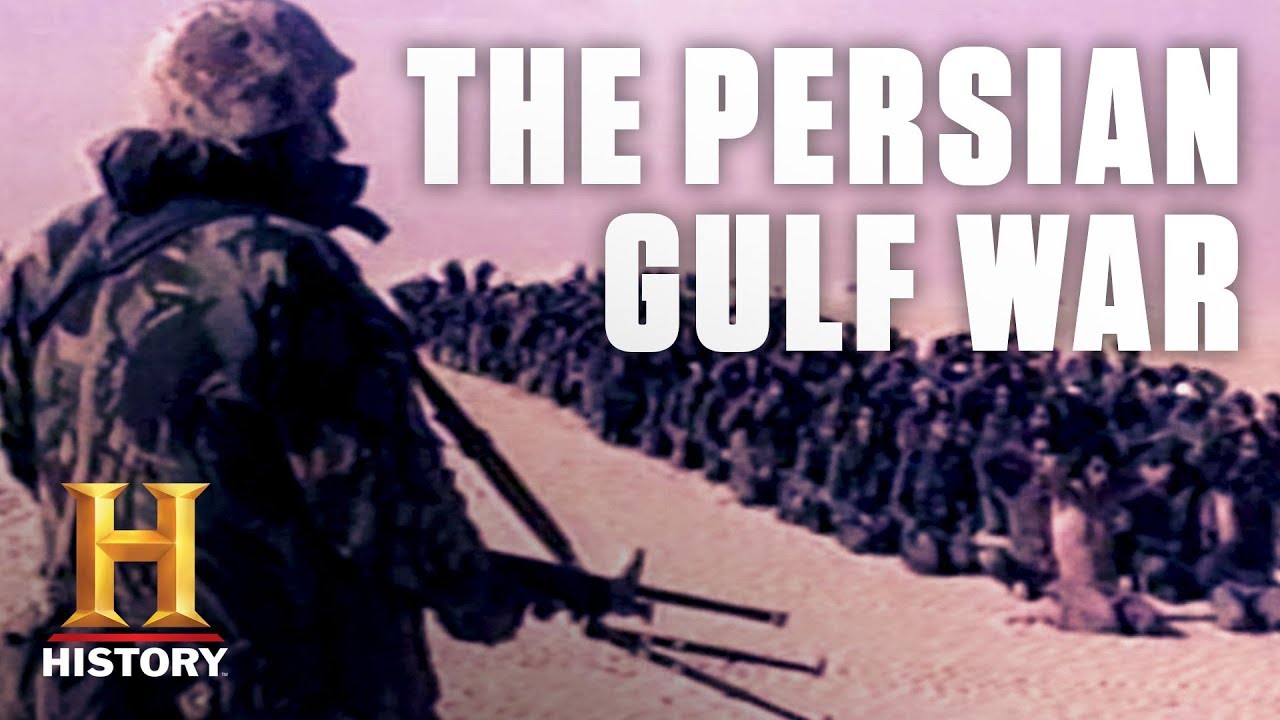
The U.S. intervenes in the Persian Gulf War following Saddam Hussein's invasion of Kuwait.
Evidence and theories are presented regarding the role of human activity and climate change in the extinction of mammoths and other Ice Age giants.
Abandoned monuments and structures across various countries illustrate the decline of empires and the shifting nature of power throughout history.
British Empire colonial sites across former territories are examined for their historical significance and the impact of colonialism on local cultures.
Unexpected weather conditions pose significant challenges for pilots, impacting aviation safety and requiring advanced navigation technology to manage turbulence.
Agent Orange, used by the U.S. in the Vietnam War, causes severe health issues in veterans and Vietnamese.
Malaria has defeated more armies than any general, shaping history and racial dynamics.
The Ark of the Covenant, a significant biblical artifact, is explored for its historical and cultural implications in this documentary.
The Thai-Burma Railway, known as the Death Railway, serves as a memorial to the over 100,000 individuals who perished during its construction in World War II.
Britain comes to terms with Queen Elizabeth II's death and the future of the monarchy.
The Glass Palace Chronicle is a key source for understanding Burmese history and mythology.
The Supreme Court interprets the Constitution and rules on legal matters in the U.S.
The legislative branch includes the United States Congress and the House of Representatives.
Mud is used in the festival to symbolize safety and health for children, long life for elders, and beauty for women in Lijiang, China.
British veterans recount their experiences of nuclear blasts in Australia and the Pacific.
Hiroshima's atomic bomb survivors recount their experiences from August 6, 1945, emphasizing the ongoing dangers of nuclear warfare and the importance of education.
Hiroshima's atomic bomb survivors share their experiences and insights on the ongoing dangers of nuclear warfare and its implications for future generations.
A contemporary weapons expert tests a medieval war hammer against a steel breastplate, demonstrating its lethal capabilities in historical combat.
On November 6th, 1805, William Clark wrote in his diary, "ocean in view oh the joy," as the expedition reached the Pacific coast after a year of travel.
Bosnia's multi-ethnic composition is explored through its diverse cultural heritage and the historical context shaped by the aftermath of Yugoslavia.
Bronze, made from copper and tin, significantly impacts society and tools used in agriculture.
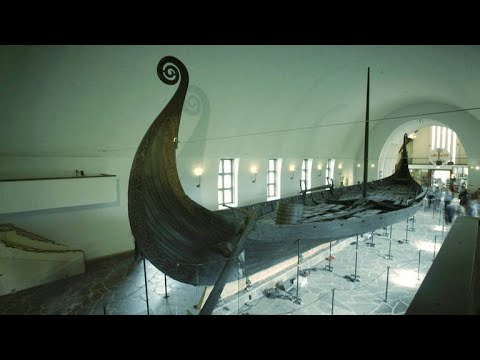
The Vikings use their longships for exploration in the Mediterranean and Middle East.
Colossal stones weighing six tons were cut to block the passageways of Han dynasty tombs, designed to protect valuable relics from tomb raiders.
Sylvester's mummified body reveals conflicting details about his gunfight death.
65 million people died in the first 18 months of the HIV/AIDS epidemic, revealing significant gaps in the global response to infectious diseases.
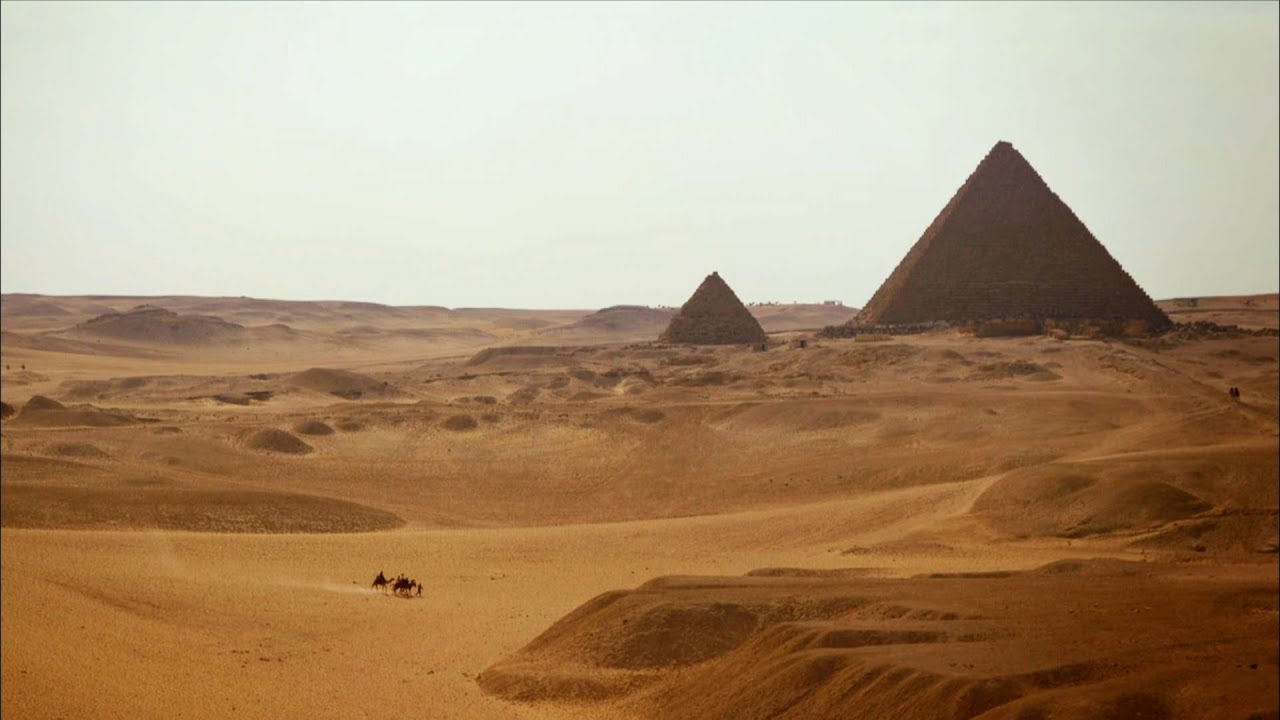
Today, the Great Pyramid's beauty is hidden by pollution, unlike its original sanded limestone shine.
An autopsy offers clues about Julius Caesar's cause of death and its historical impact.
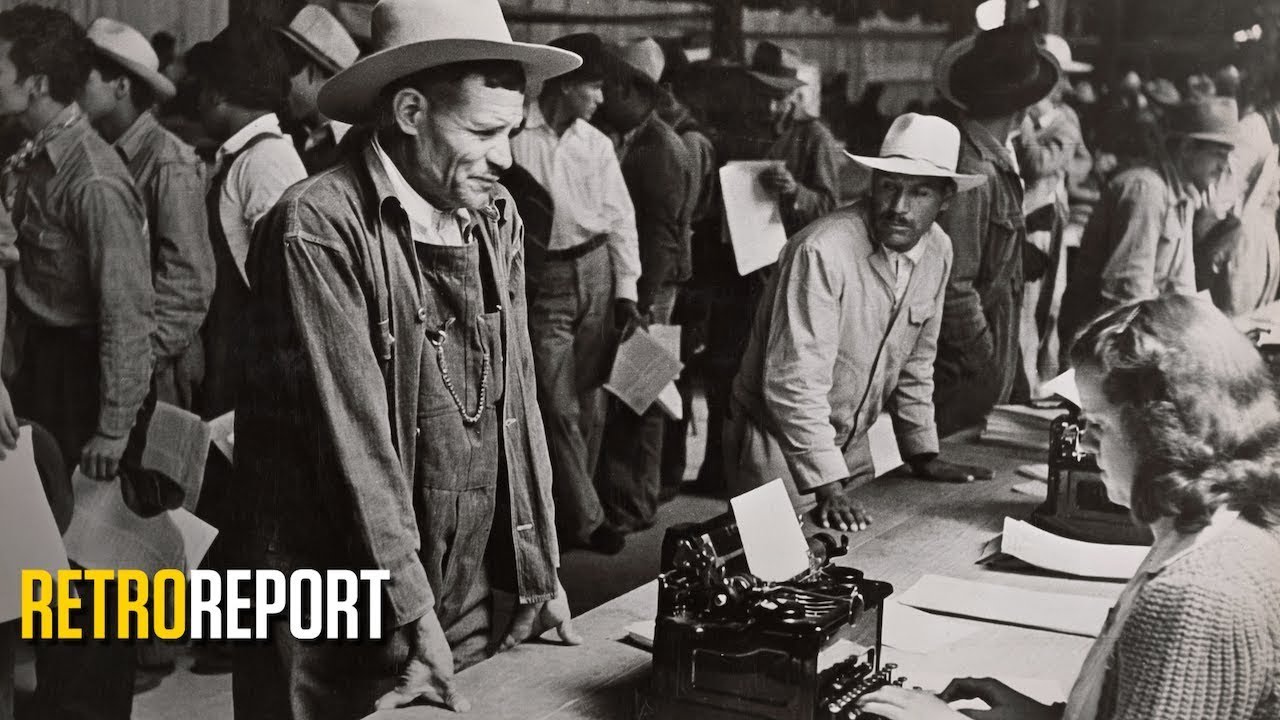
The Bracero Program highlights the ongoing tension between labor demands and immigration policies in the US, influencing family dynamics and current debates.
In 1961, archaeologists in southern Israel uncovered documents that reveal the significant social status and agency of Nabataean women in first-century Petra.
Ancient Carthage, a powerful city-state in present-day Tunisia, is explored through its rich history and cultural significance in this documentary.
Royal menus in the early 17th century reflect the cultural influences of the Middle Ages, alongside significant events like the Last Inquisition in Europe.