From over 100,000 films, discover the handful you'll love.
Free or premium access to the world's largest documentary library.
22463 films(Page 93 of 468)
The September 11 attacks, the assassination of President John F. Kennedy, and the Oklahoma City bombing are pivotal events that reshaped modern American history.
The Time Team excavates Ribchester, Lancashire, revealing Roman military engineering from AD 100.
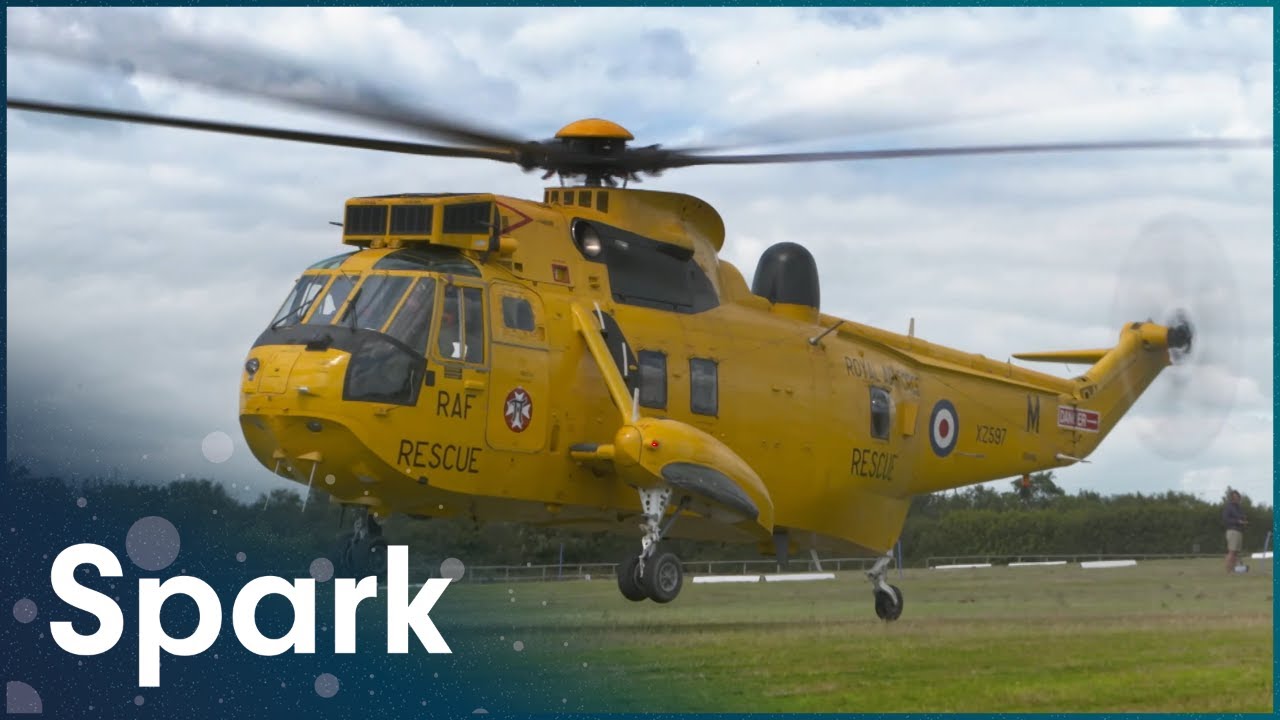
Engineers in Britain restore a Sea King rescue helicopter to preserve aviation history.
In 75 BCE, Spartacus rises from an enslaved gladiator to a formidable rebel leader, challenging the power of the Roman Empire and igniting a significant uprising.
King Solomon and the Queen of Sheba are central figures in the exploration of the origins and existence of their legendary treasures and gold mines.
Hans Jöchler showcases Croatia's beauty and history as a popular European destination.
Key battles of the Pacific War, including Pearl Harbor, Midway, and Okinawa, are examined alongside significant conflicts from other theaters of World War II.
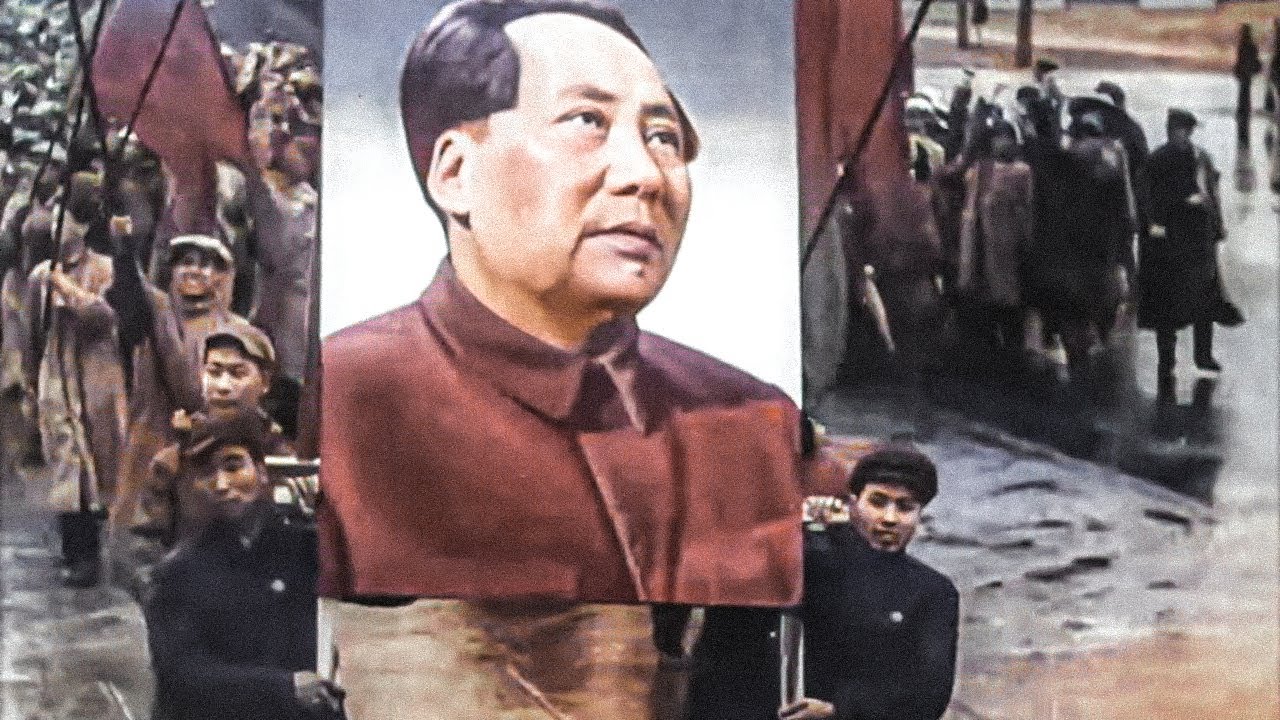
Over 50 years, China experienced the collapse of the Qing dynasty, civil war, and a 14-year invasion, all documented through rare historical footage.
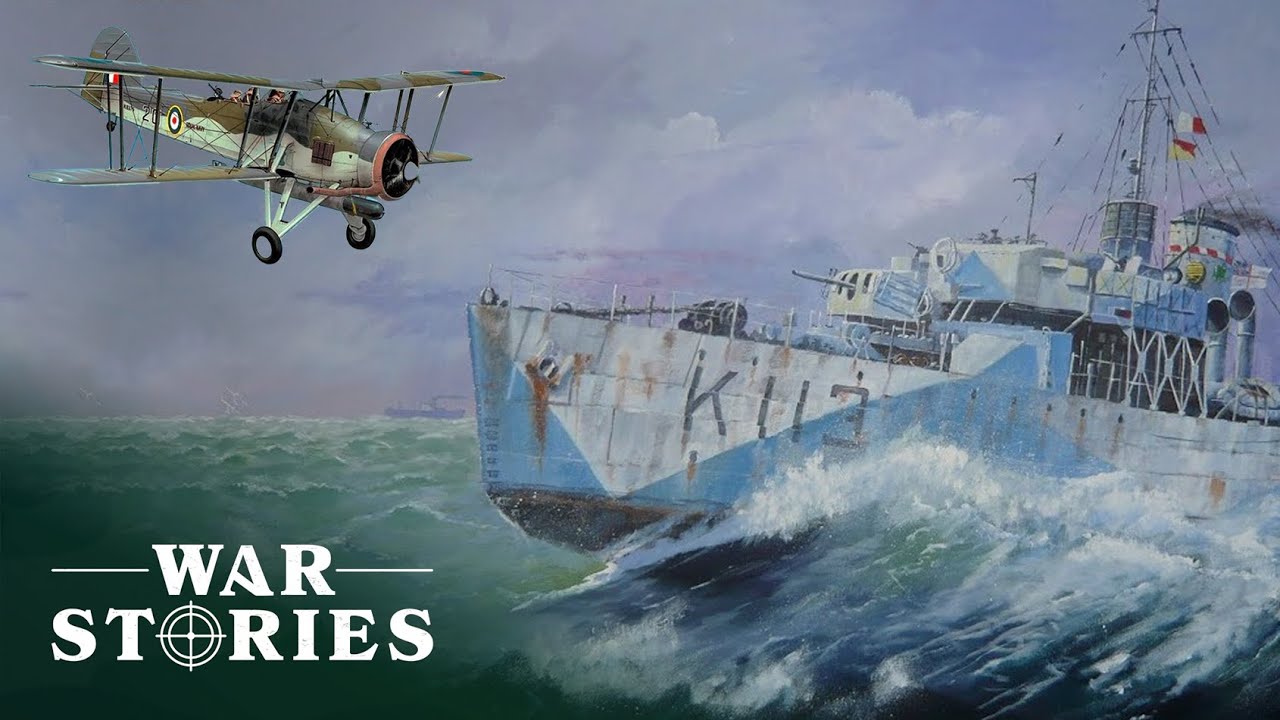
HMS Duncan plays a crucial role in Operation Inherent Resolve, safeguarding a French aircraft carrier while responding to threats and a critical evacuation mission.
Northern Ireland's railways face significant challenges due to competition from road traffic, raising questions about their future viability and necessary interventions.
William the Conqueror, born Guillaume "Le Bâtard," transformed medieval Europe by seizing the English crown after his victory at the Battle of Hastings in 1066.
Cuba's railway network, established in 1837, showcases its historical significance and ongoing challenges through rides on the Hershey line and vintage steam locomotives.
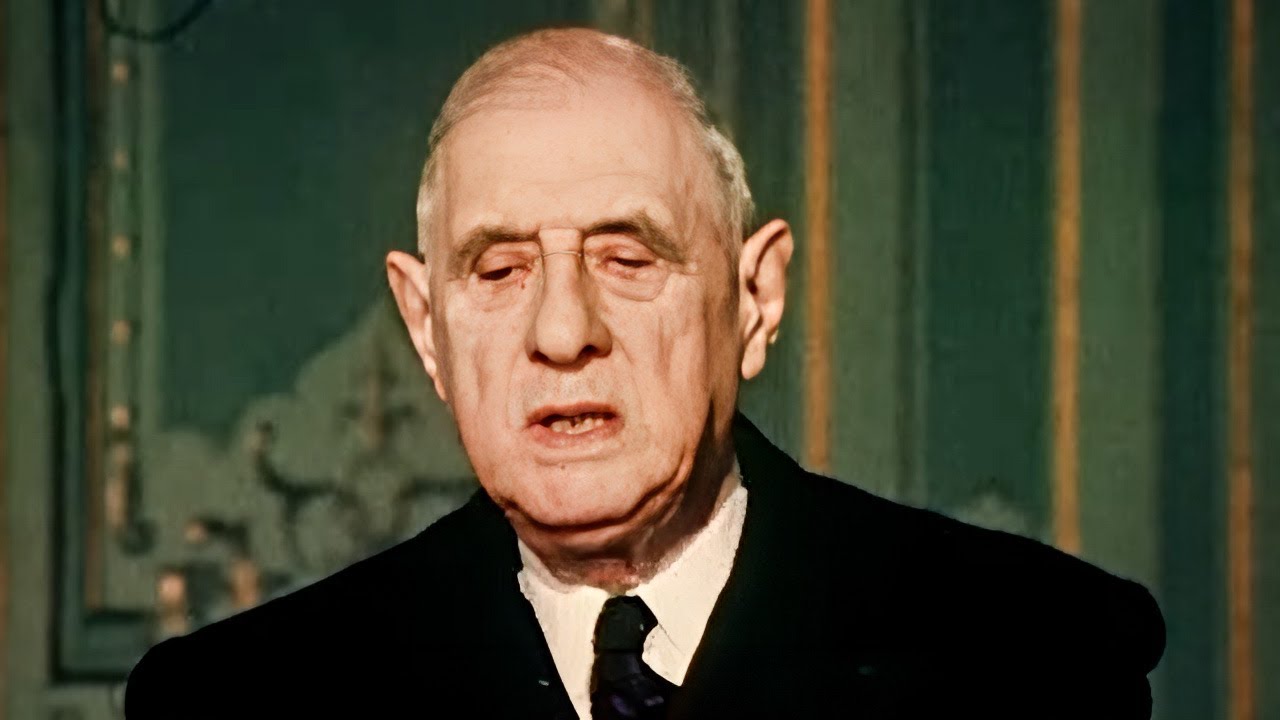
Charles de Gaulle dies on November 9, 1970, at the Boisserie in Colombey-les-Deux-Eglises.
Ancient Egypt's role in the biblical story of Exodus is examined through new excavations revealing a lost palace and temple reliefs from a prominent pharaoh.
Bizarre alien encounters and unexplained phenomena are examined through strange stories and historical records in this compilation hosted by Dan Aykroyd.
In North Africa during World War II, a group of German-speaking Jewish volunteers served as elite commandos, executing sabotage missions against Nazi forces.
Fred Dibnah tackles the restoration of a steam traction engine, the delicate demolition of a chimney, and the renovation of a house at risk of flooding.
Allied air power played a crucial role in securing supply shipments across the Atlantic during World War II, significantly countering German U-Boat threats.
Henry VIII's six wives, including Catherine of Aragon and Anne Boleyn, faced treachery and turmoil in a court marked by power struggles and tragic fates.
Hernán Cortés' conquest of Tenochtitlan in 1519, aided by alliances and warfare, led to the fall of the Aztec Empire due to disease and conflict.
In Canada's badlands, renowned paleontologist Dr. Philip J. Curry leads teams of experts as they excavate dinosaur fossils and investigate ancient mass extinctions.
Bernard Montgomery was born on November 17, 1887, in Kennington, South London, and became a key figure in the British military during World War II.
Tony and the Team investigate ruins in Clipstone linked to Robin Hood and Bad King John.
John Christie killed at least eight women and was responsible for the wrongful execution of Timothy Evans in 1950, a case that sparked national outrage.
Rick Lydell, a master pilot and drug smuggler, successfully transported over $20 billion of cocaine into the U.S. while evading law enforcement efforts.
World War II air raids, particularly those over cities like Dresden and London, exemplified the devastating impact of aerial bombardment on civilian populations.
Approximately 12 million tons of Allied shipping were sunk by German U-boats during World War I, significantly impacting naval warfare.
King James II ruled England for just three years before his deposition during the Glorious Revolution of 1688.
Explosive power has increased more than 100 million times in the last 300 years, from gunpowder to the nuclear bomb.
Grand Central Terminal serves as a vital transportation hub in New York City, showcasing its infrastructure, history, and the people who keep it operational.
In Senegal, astronomer Maram Kaire leads a team to gather critical data for NASA's Lucy mission, while exploring the region's rich astronomical heritage.
In Westmoreland County, Pennsylvania, sightings of a large flying creature known as the Thunderbird are reported, linked to ancient Native American mythology.
In 2015, a C-47 Skytrain that led the D-Day invasion was discovered in a scrapyard, prompting efforts to restore the historic aircraft for its return to flight.
SS officers dumped heavy boxes into Lake Toplitz during World War II, fueling rumors that Nazis hid plundered gold in its depths.
Waves can reach 30 meters above sea level on the Troll offshore platform, which withstands an estimated 5 million waves each year.
Nuclear power, while a relatively clean energy source, poses significant risks of catastrophic disasters when safety measures fail, especially during natural events like earthquakes.
In 1980, 800,000 people got married in Britain, with August being the most popular month for weddings, as shown through the stories of 20 couples over 25 years.
Neuschwanstein, Colditz, Heidelberg, and Frankenstein castles illustrate centuries of human drama, folklore, and architectural innovation across Europe.
Joseph Stalin's ascent from a young trainee priest to a ruthless dictator is examined through the lens of his extreme insecurity and paranoia.
In Tucson, Arizona, the US Air Force operates the largest airplane junkyard, while a family in Thailand lives in a graveyard and settlers in Laos repurpose war ammunition.
The Special Interrogation Unit disrupts German forces with personal stakes in the mission.
Queen Jezebel's legacy as a symbol of feminine evil is examined through historical events and feminist interpretations of her life in ancient Israel.
Marco Polo was born around 1254 into a wealthy merchant family in Venice, a city that dominated sea routes in the Adriatic Sea.
Mount Etna, Europe's most active volcano, is circled by the Circumetnea narrow-gauge railway, which traverses diverse landscapes and UNESCO World Heritage sites.
New York City's three major airports handle about 140 million passengers each year, with over 3,000 flights operating daily.
Catherine the Great, born Sophi Agusta von Anhalt Zeb on May 2, 1729, became the ruler of Russia after her husband, Peter III, was overthrown.
Zimri Lim, an ancient king of Mari, is examined as one of the earliest historical figures recognized for having a distinct personality.
37 years after the murders of Helen Scott and Christine Eadie, Angus Sinclair was found guilty and sentenced to 37 years in prison.