From over 100,000 films, discover the handful you'll love.
Free or premium access to the world's largest documentary library.
22463 films(Page 23 of 468)
Samurai helmets, or Kabuto, serve as iconic symbols of Medieval Japan's warrior class, showcasing remarkable designs from the late Sengoku Period.
A taxi driver spends 48 hours traveling just 60 kilometers through Myanmar's challenging terrain to deliver passengers and goods.
Romulus and Remus, twin sons abandoned by their uncle, were rescued by a she-wolf and later founded Rome, which became the center of a vast empire.
In the Arctic Circle, Siberia's Ice Trains operate under extreme conditions, transporting gas from Novy Urengoy to Labytnangi amid harsh winter weather.
The 20-year war in Afghanistan, marked by civilian casualties and military challenges, culminated in the Taliban's resurgence and the U.S. withdrawal in 2021.
Imagawa clan's storied prominence in Japanese history faced a legendary downfall, yet their resilience persisted even after Imagawa Yoshimoto's death at Okehazama.
Historian Tristan Hughes evaluates the historical accuracy of Ridley Scott's 'Gladiator', highlighting its factual strengths and notable inaccuracies.
The Battle of Towton in 1461 marked a pivotal moment in the Wars of the Roses, resulting in over 28,000 deaths and solidifying Edward IV's claim to the throne.
Over a million casualties have resulted from the escalating conflict between Iran and Saudi Arabia in the Middle East over the last decade.
The Classic Maya period is marked by remarkable advancements in art, architecture, and science, captivating scholars and enthusiasts alike.
The Majapahit Empire, centered on the volcanic island of Java, expanded its influence across Southeast Asia before ultimately declining in the face of medieval superpowers.
Ben Anderson documents Bravo Company's battle inside Marjah against the Taliban.
The 1948 British withdrawal from Palestine ignited a brutal civil war, escalating into the Arab-Israeli conflict and reshaping the Middle East forever.
Medieval historian Matt Lewis analyzes the historical accuracy of the controversial film 'The King', focusing on key events and figures from the era.
More than 3,600 dollars were sent by a Jewish father to secure his sons' escape from Nazi Germany to the United States before World War II.
The San Marino Grand Prix in 1994 witnesses tragedy with Barrichello's crash and Senna's fatal accident.
Biblical lands along the east bank of the River Jordan reveal significant archaeological evidence linking early Christianity to historical events and figures, including Jesus.
On February 24, 1991, American tanks advanced into Iraq, engaging in a fierce battle against Saddam Hussein's Republican Guard during a violent sandstorm.
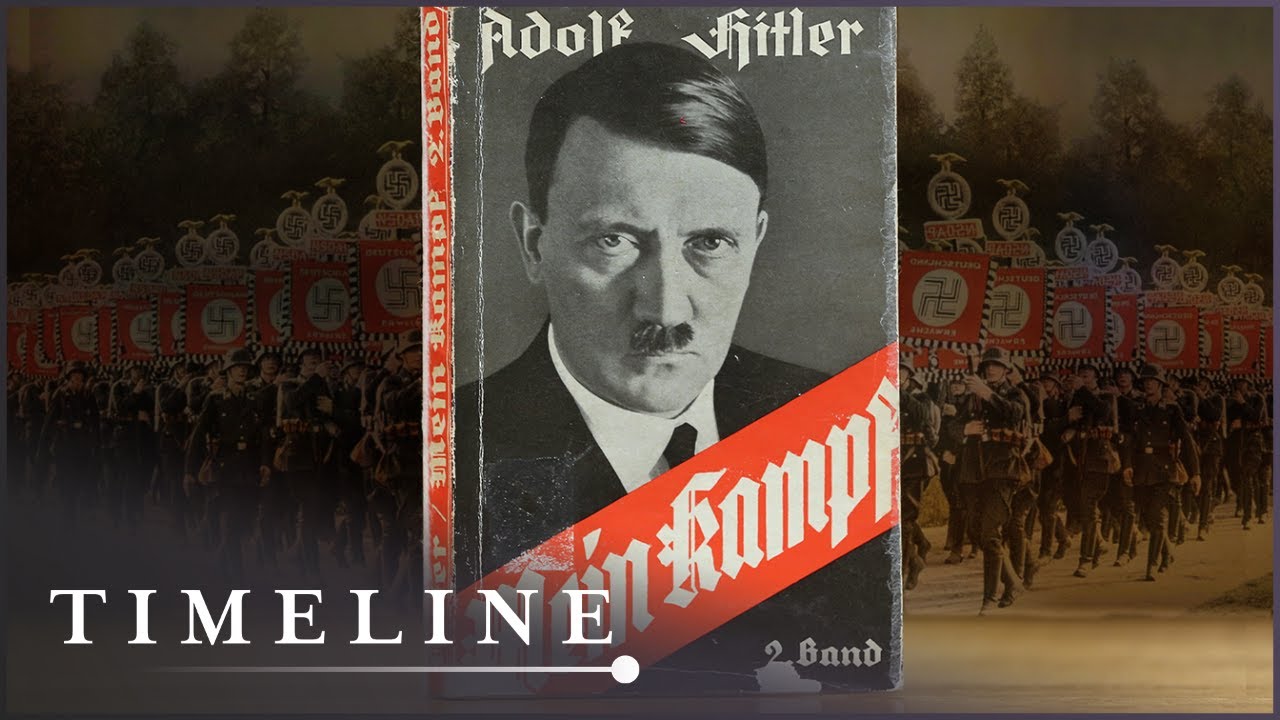
Twelve and a half million copies of Mein Kampf were published before 1944, making it one of the most sold political books in history.
A 3,500-year-old gold image, possibly carved by an eyewitness to the biblical Exodus, is claimed to be hidden in plain sight.
Tristan Hughes tracks the Ninth Legion's history across the British Isles in this first episode.
18th century Edinburgh transformed from a dangerous, overcrowded city plagued by raw sewage to a beacon of Georgian architecture known as "The Athens of the North."
Princess Mononoke intertwines real Japanese history and folklore, focusing on Ashitaka, the last Emishi prince, navigating a war-torn Samurai world.
Key players in Donald Trump's administration, including Marco Rubio and Tulsi Gabbard, shaped his military strategies during a term marked by conflict and legacy-building.
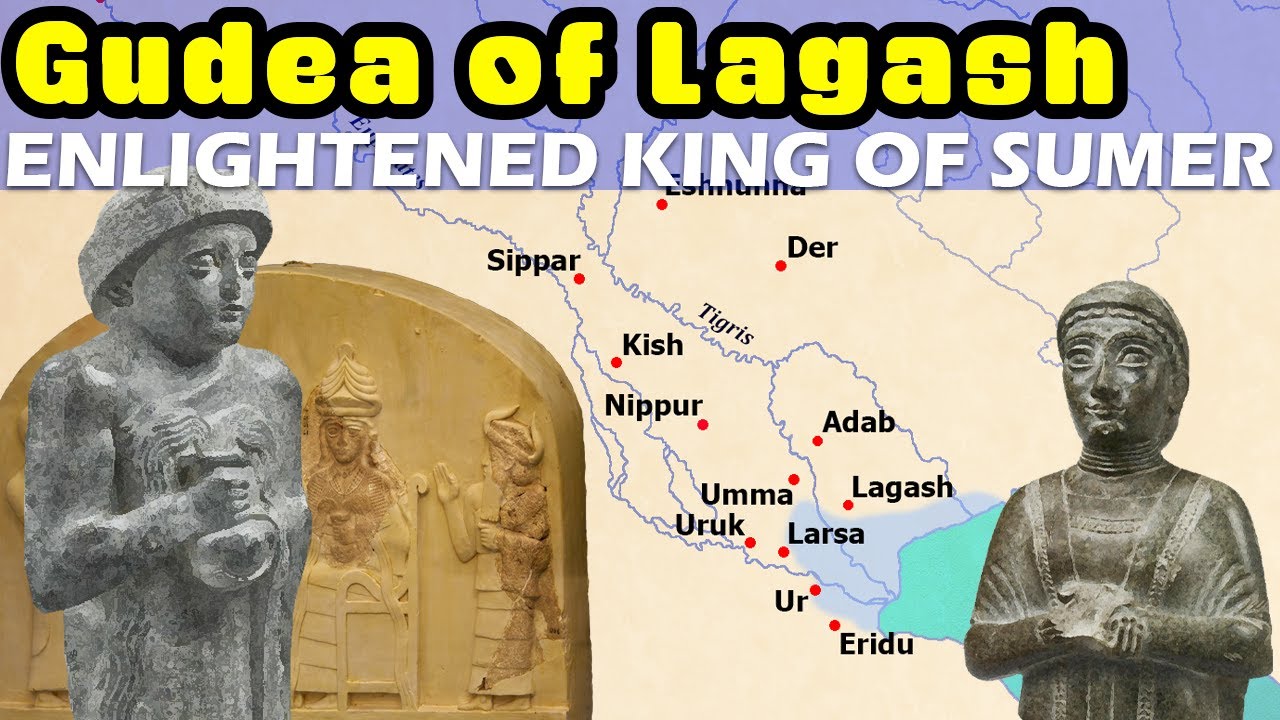
Gudea, king of Lagash, redefined kingship in ancient Sumer by prioritizing the welfare of his people and fostering a cultural renaissance through art and devotion.
Route 36, the world's only known cocaine bar in Bolivia, serves high-purity cocaine alongside cocktails while navigating local corruption and cultural traditions.
A great army of Scandinavian warriors landed in Britain in 865, aiming to conquer the Anglo-Saxon kingdoms rather than merely plunder them.
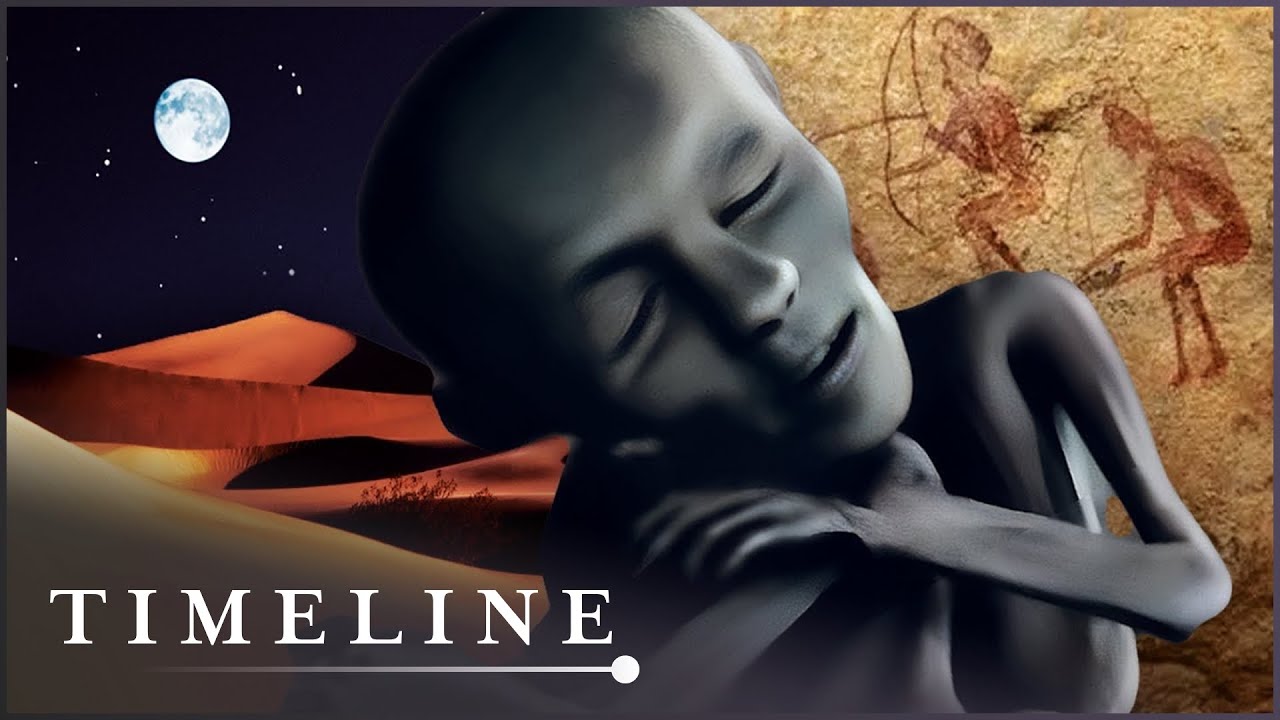
A two-and-a-half-year-old mummified boy, discovered in a Libyan rock shelter, predates Egyptian mummies and reveals a previously unknown African culture.
Osama bin Laden was born on March 10, 1957, in Riyadh, Saudi Arabia, and was the son of construction magnate Mohammed bin Laden.
Ancient civilizations such as Rome, Egypt, and Greece are explored through their remarkable histories and cultural achievements in a series of engaging documentaries.
The Book of Thoth, an ancient Egyptian text of spells, raises questions about its historical significance and the truths behind its legendary status.
Japan's historical evolution, from the rise of Shintoism and the Shogunate to its modernization and involvement in World Wars I and II, is examined through key events and figures.
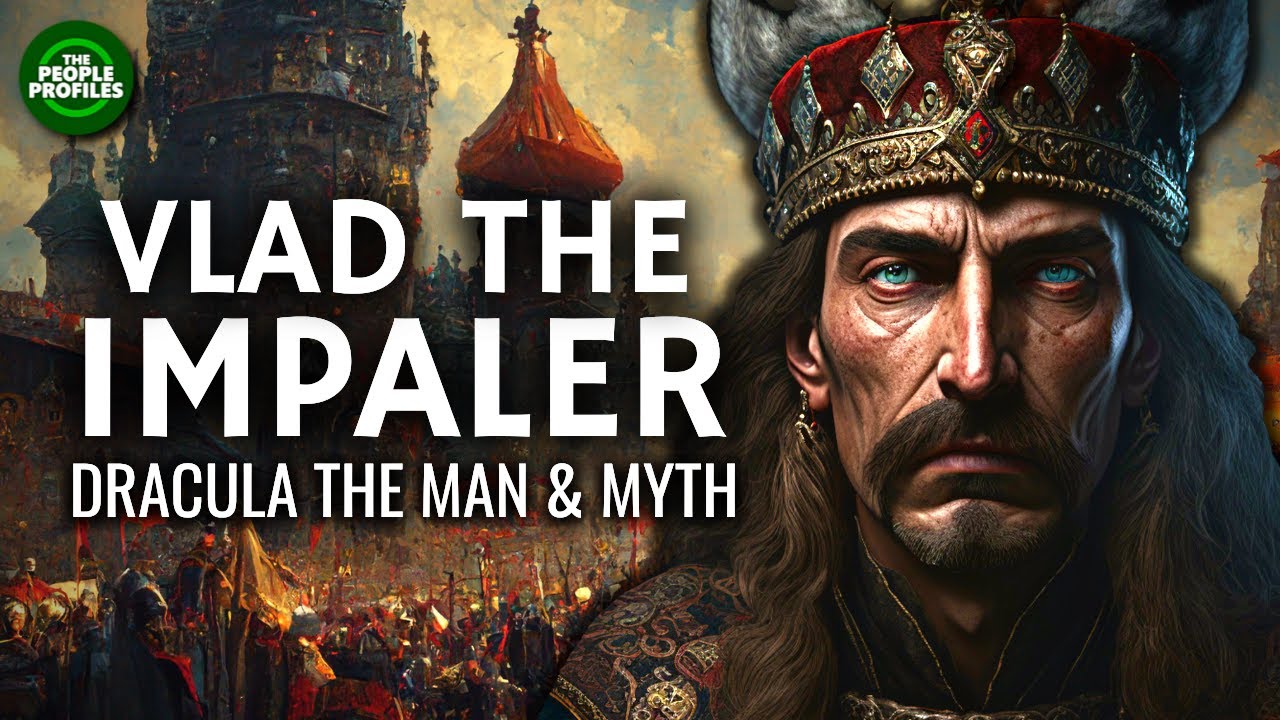
Vlad the Impaler, born in late 1431 in the Citadel of Sighişoara, ruled Wallachia and became known for his extreme violence during his reign.
Constantine's arch, built to celebrate his victory over Maxentius, stands 6 stories high and is located just 91 meters from the Coliseum in Rome.
More than 14 million lives were lost during China's eight-year struggle against Japanese invasion in World War II.
Around 8000 BC, the first settlers arrived in Ireland, transitioning from a hunter-gatherer lifestyle to early agricultural practices.
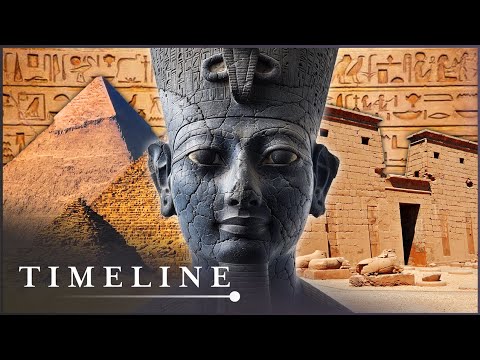
Over 4,500 years ago, the Great Pyramid of Giza was built for King Khufu, marking the beginning of ancient Egyptian civilization.
The centuries-long conflict between the ancient Sumerian city-states of Lagash and Umma highlights humanity's first recorded border war over land and resources.
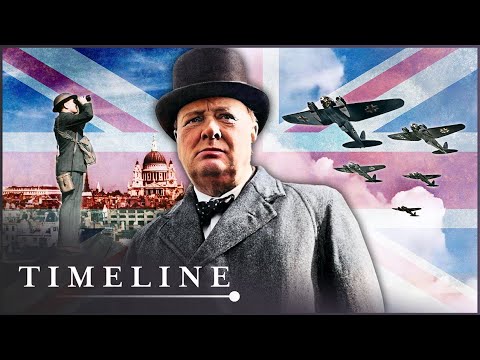
On September 15, 1940, British pilots engaged in a 13-hour aerial battle that prevented the Luftwaffe from gaining air superiority over Britain.
58,000 American soldiers died during the Vietnam War, where tanks faced unconventional tactics from a determined guerrilla army.
A fleet of boats, buried six miles from the Nile, reveals insights into Egypt's original Valley of the Kings.
Houska Castle, founded in the 13th century, is known as the "Gate to Hell" and is associated with supernatural occurrences and mysterious voices.
In 1843, Edgar Allan Poe published one of the most popular horror stories ever written, setting the stage for his lasting impact on American literature.
A North Korean state employee risks execution by smuggling footage out of the country, revealing the regime's oppressive control over information.
A flame that has burned continuously for nearly 2,500 years is found in a Zoroastrian sanctuary deep in the mountains of Iran.
Cuneiform, the world's earliest writing system from ancient Mesopotamia, transformed communication and record-keeping over five thousand years ago.
George Villiers and Nell Gwynn, two notorious 17th century royal favourites, navigated the complexities of court life to capture the hearts of kings and society!
Samurai last stands are examined in detail, highlighting key figures and battles that shaped Japan's feudal history and the legacy of these warriors.