From over 100,000 films, discover the handful you'll love.
Free or premium access to the world's largest documentary library.
22463 films(Page 346 of 468)
John Wilkes Booth originally plans to kidnap Lincoln to save the South, not kill him.
Stalin's ruthless policies lead to millions of deaths and the worst man-made famine in history.
A Roman aqueduct, built over 2,000 years ago, connects to a grotto in Caesarea Philippi, a site of early Christian significance.
Greek waters are notorious for their shipwrecks, which hold significant historical value and present dangers comparable to the Bermuda Triangle.
Josh Gates travels to key locations associated with Captain Henry Avery in search of the legendary pirate's long-lost treasure hidden in a cave.
Josh Gates visits Bari, Italy, during the Feast of St. Nicholas, celebrating local traditions.
Josh Gates investigates a mysterious shipwreck, exploring its history and the legends surrounding it in a quest for answers about its enigmatic past.
The first confirmed remains of King Nastasen were found in his tomb, including a toe cap that may contain traces of human bone.
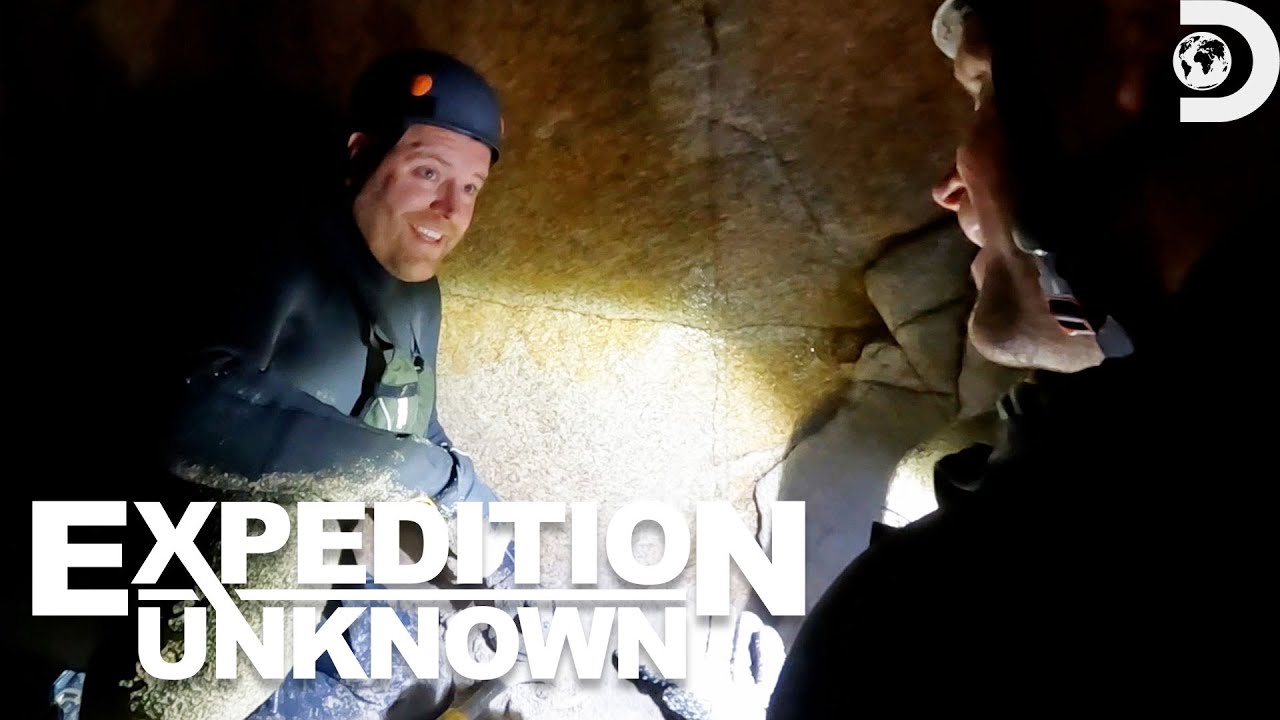
An ancient Spanish burial site hidden within caves is explored by Josh Gates as part of Expedition Unknown, revealing insights into a long-lost civilization.
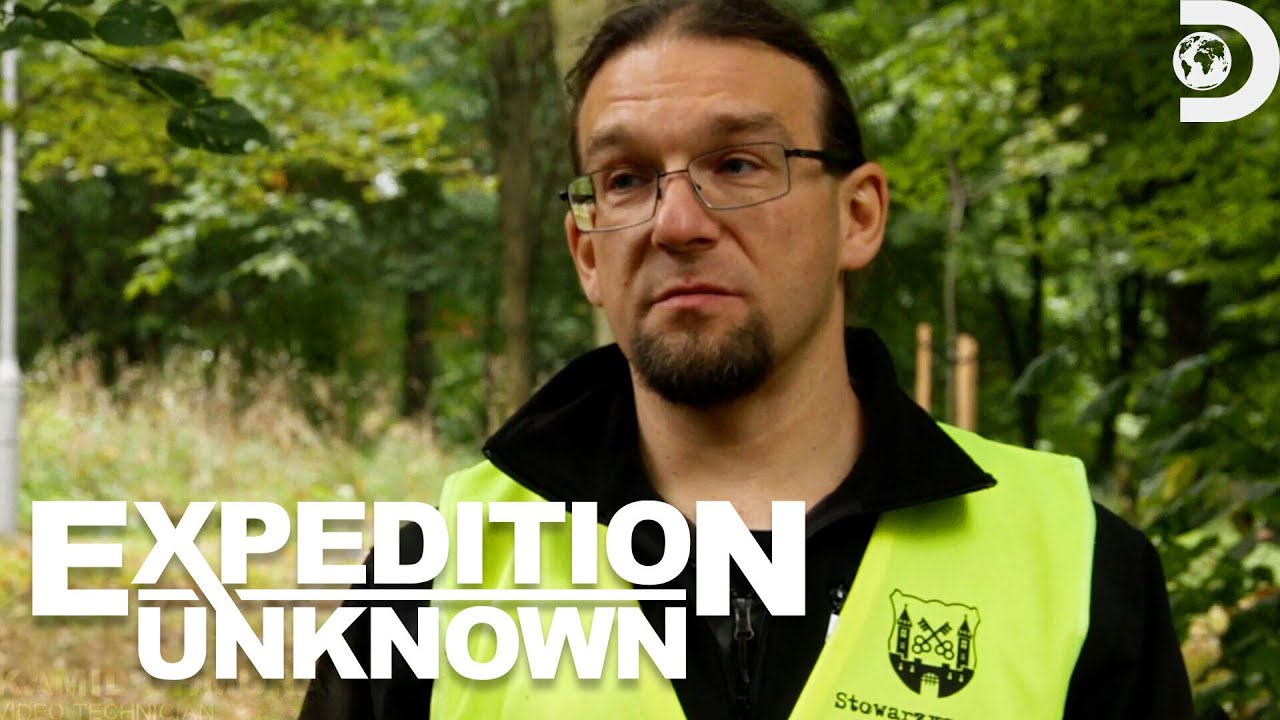
A 90-foot hole is drilled to investigate a potential Nazi tunnel complex buried beneath an open field in Lubon.
In March 1940, John Steinbeck and marine biologist Ed Ricketts sail to the Sea of Cortez to document its diverse marine life and explore ecological interconnectedness.
Judea's historical interactions with Rome are examined, highlighting significant events and cultural exchanges that shaped their complex relationship.
In the 1960s, Coretta Scott King and Ralph Abernathy celebrated Juneteenth on the National Mall, linking the fight against slavery to poverty.
Juneteenth, celebrated on June 19, marks black Americans' fight for freedom and equality.
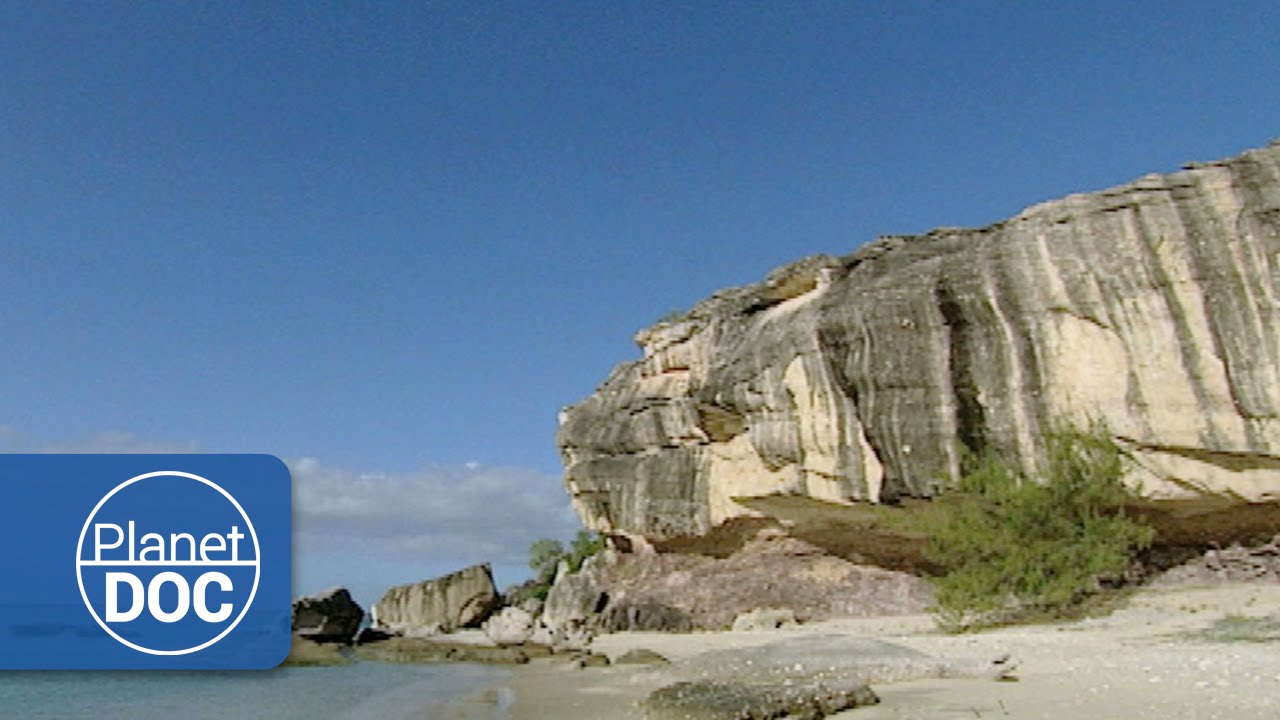
Kakadu in Australia is one of the largest national parks with rich Aboriginal history.
Some families in the Kalahari still practice traditional hunting methods, using a powerful poison made from local plants and grubs to prepare their arrows.
The Cuban missile crisis is examined in a webinar hosted by Retro Report and The Sixth Floor Museum at Dealey Plaza, providing teaching resources on the Cold War.
Kevin Costner explores the truth about the American West in this insightful short documentary.
Children explain what happened on the first Thanksgiving in this informative video.
Over three times the size of Texas, the Democratic Republic of the Congo has suffered more than 100 years of exploitation and violence since King Leopold II's rule.
Tutankhamun's life and afterlife reflect his vital role in ancient Egyptian religion, particularly in ensuring the sun god Ra's daily rise.
A citadel defended by 2 km of walls and a thousand armed soldiers, the Kremlin has symbolized Russian power for about 700 years.
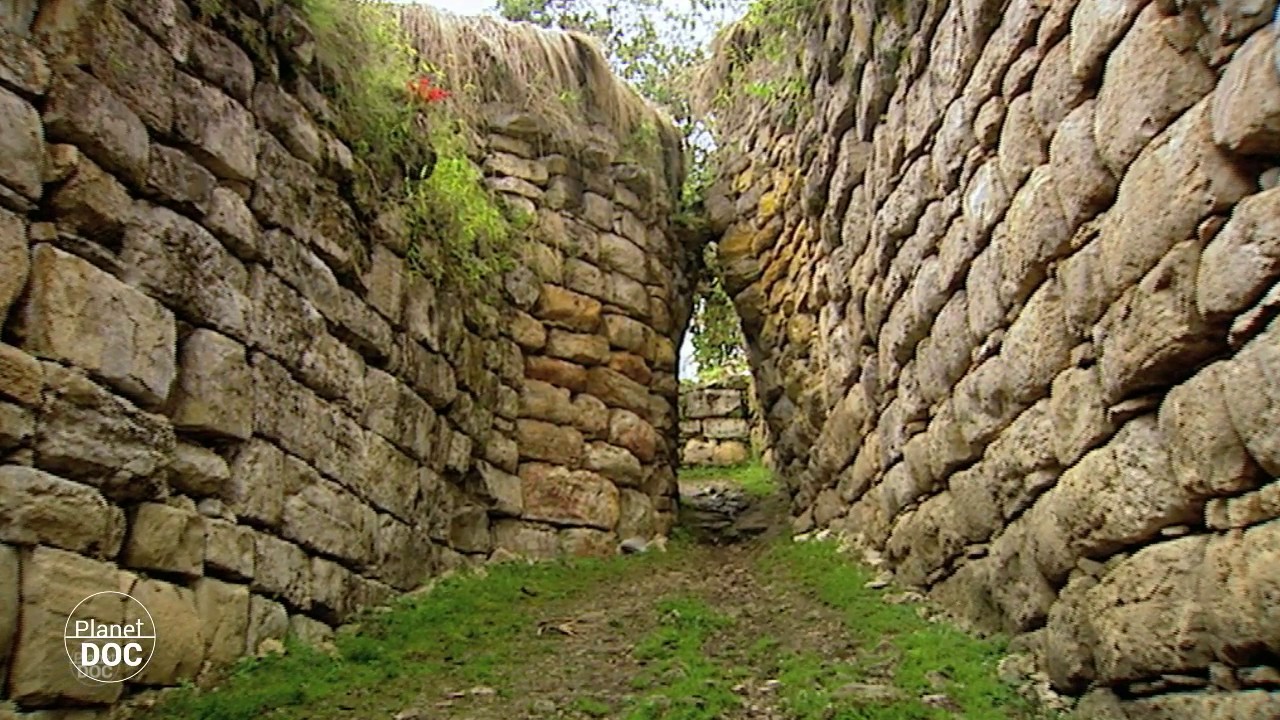
Kuelap is an ancient fortress in Peru, home to the Chachapoyas Indians.
Lines of British boys are depicted rewinding back to their trenches, reflecting on the memories of home and the weight of loss during World War I.
A 17th-century man's final moments after meeting a prostitute illustrate the era's social attitudes and the health risks posed by the Black Plague in Europe.
Leif Erikson hunted his first polar bear at the age of 16, facing the dangers posed by the largest land-based predator.
Francisco Franco's leadership in Spain is examined through the historical context and strategies he employed to gather support during his regime.
NASA's decision to launch the Challenger on January 28, 1986, despite concerns about O-ring failure, exemplifies the normalization of deviance in high-risk environments.
Caroline Winterer reveals Benjamin Franklin's international social network through her research.
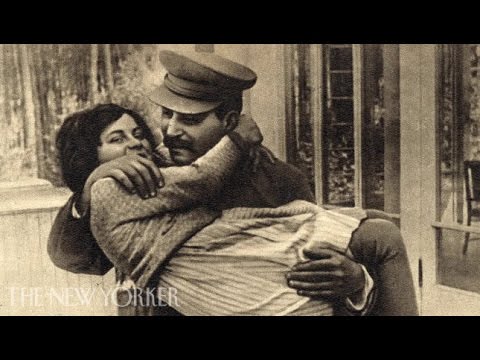
Svetlana Stalin, daughter of Joseph Stalin, defected to the United States in 1967, where she held a press conference that drew significant public attention.
Bridges across various regions deteriorate and collapse due to neglect and the absence of human maintenance, illustrating the long-term effects of human absence on infrastructure.
Life along the Ganges River in India highlights the historical, cultural, and spiritual significance of this sacred waterway for millions of people.
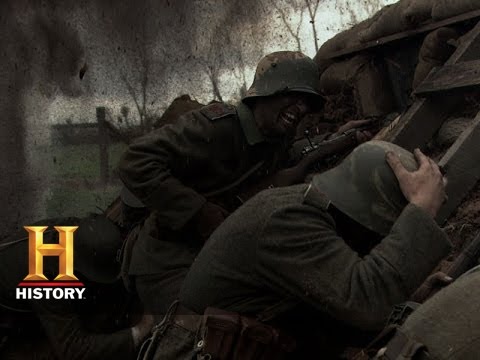
Thousands of soldiers endure horrific life in the trenches during World War I.
Rome, the capital of an immense empire, had a population of one million inhabitants who enjoyed a diverse range of goods from their provinces.
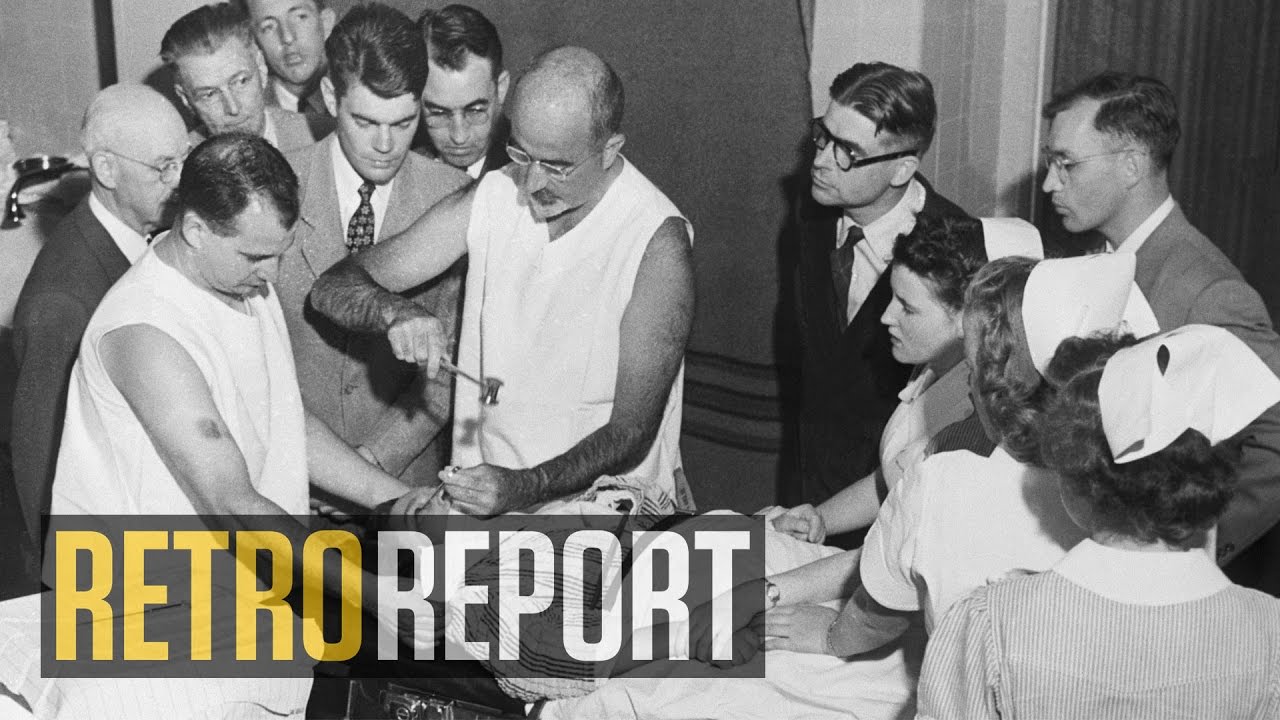
Lobotomy, a controversial psychiatric procedure popularized in the early 20th century, significantly altered mental illness treatment before its decline in the 1950s.
The Loch Ness Monster remains one of history's most infamous mysteries despite centuries of sightings.
Rudolf Höss, commandant of Auschwitz, organized the extermination of 1.1 million people while living with his wife and five children near the camp.
Psychedelic drugs, once synonymous with 1960s counterculture, are being researched for their potential therapeutic benefits in treating anxiety, depression, and addiction.
Lula won the Brazilian election with 50.9 percent of the vote, defeating Bolsonaro by just over 2 million votes in the closest result since the 1980s.
Around 4 billion years ago, Jupiter and Saturn's alignment triggers asteroid bombardment on Earth.
Cursing chariots was a common practice in Ancient Rome, where spectators would hire sorcerers to cast spells on opposing drivers and horses.
A warden claims he can access the special energy of the Rollright Stones through dowsing.
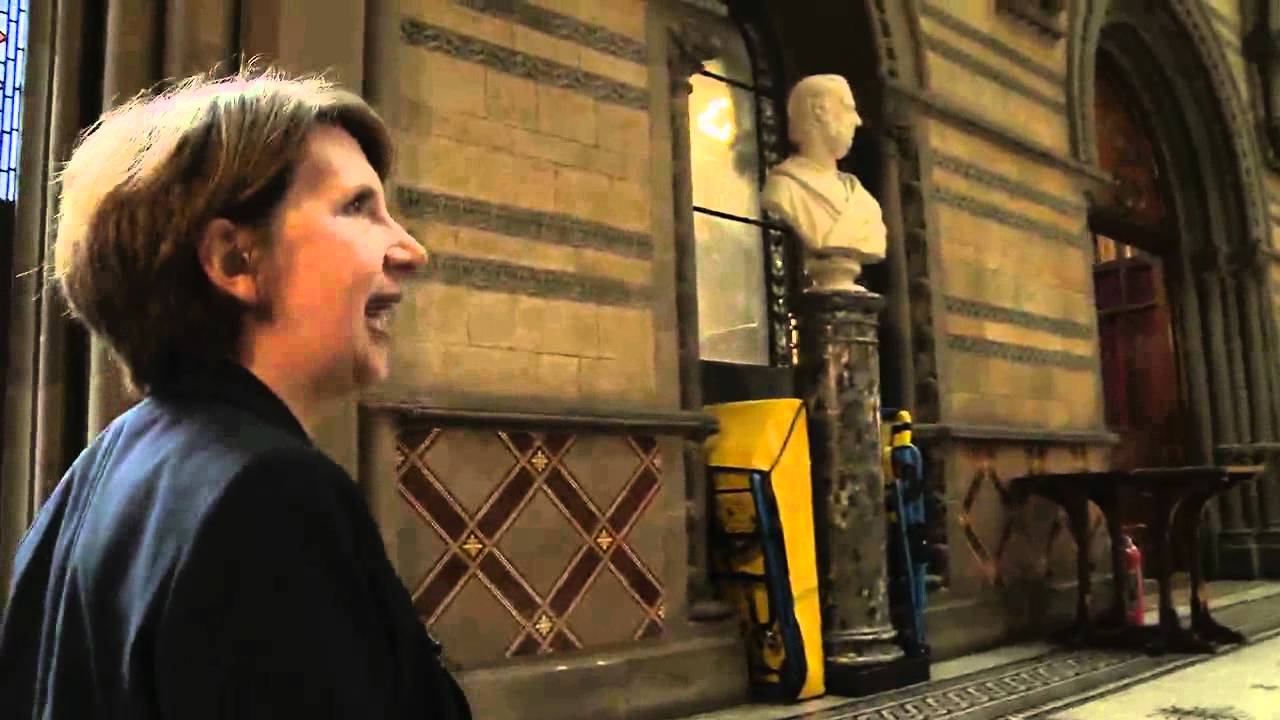
Alfred Waterhouse designs Manchester Town Hall, completed in 1877, after winning a prestigious Commission.
Manhattan's skyline has undergone significant architectural transformations since the early 20th century, reflecting ongoing urban development and historical significance.
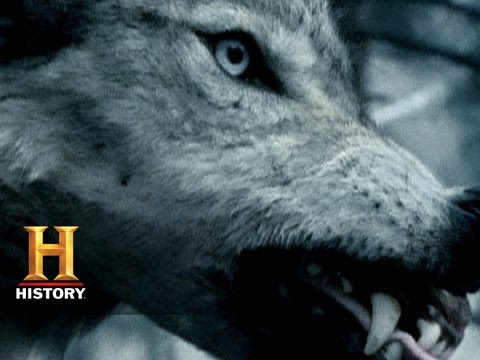
The modern dog descends from wolves during the Ice Age and showcases human-animal bonds.
Early humans migrated from Africa, adapting to diverse environments and competing against other species as they spread across the globe.
The discovery of farming created the roots of modern civilization and transformed societies.
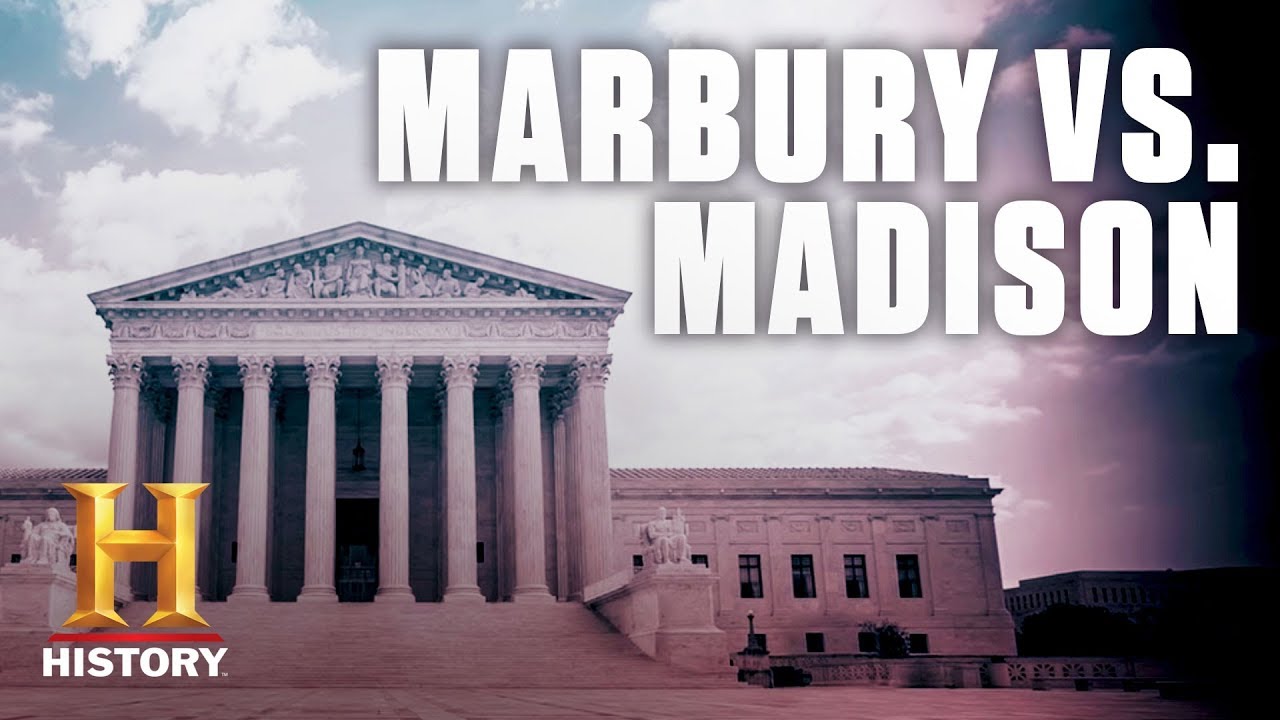
Marbury vs. Madison establishes judicial review and the power of the Supreme Court.