From over 100,000 films, discover the handful you'll love.
Free or premium access to the world's largest documentary library.
22463 films(Page 421 of 468)
Seventy million people live in Japan, which poses a significant threat as tensions rise across the Pacific during World War II.
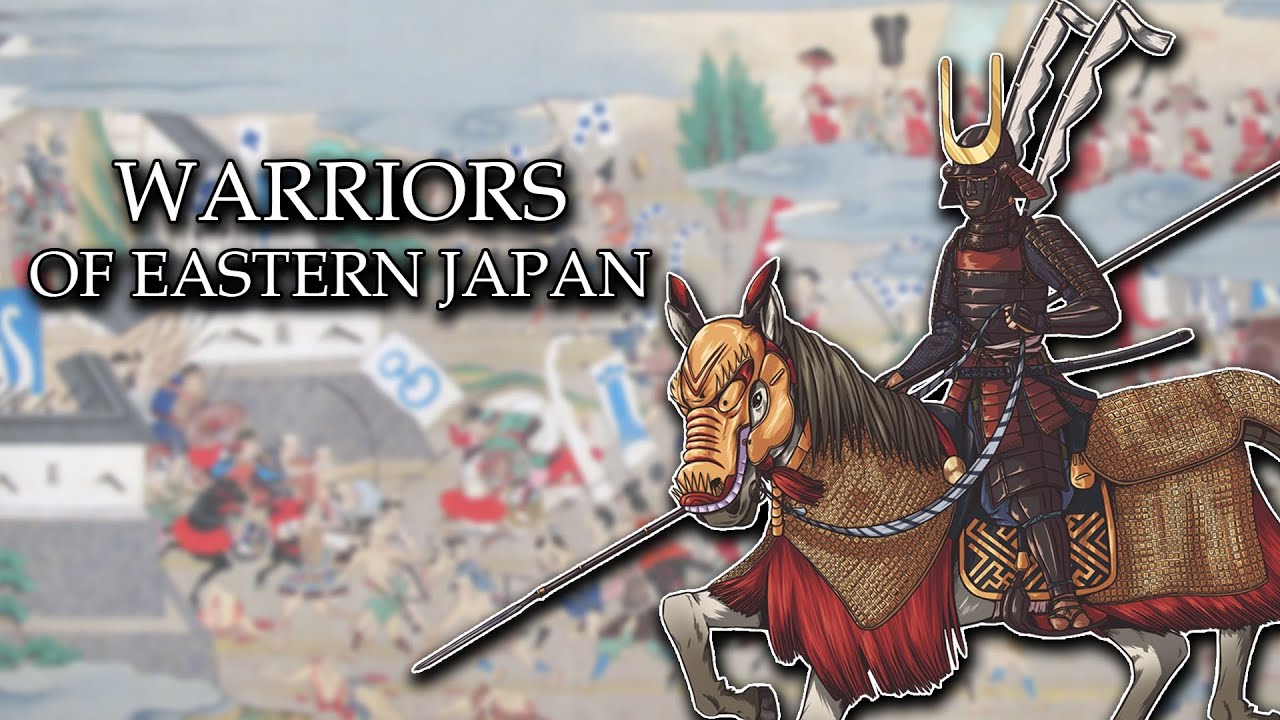
Samurai armor and warfare during the Tensho era are explored through the insightful essay "Togoku no Bugu," highlighting their arms, armor, and fighting styles.
Over 20,000 tonnes of bombs fell on Rabaul during World War II, leaving behind rusted war wreckage and underwater artifacts.
Fort George, completed in 1769 near Inverness, stands as an enduring symbol of Hanoverian power, featuring impressive defenses and a continuous military presence.
Leonardo Da Vinci's secret workshop and notebooks, uncovered in Italy, raise questions about potential extraterrestrial influences on his innovative ideas.
NASA's MAVEN mission aims to analyze Mars' upper atmosphere to determine if the planet was once a water-rich environment like Earth.
Nicholas Copernicus published his ideas about the solar system in 1543, challenging the belief that Earth was at the center of the cosmos.
Paleontologists have debated for two decades whether Coelophysis engaged in cannibalism, analyzing unusual fossils to find conclusive evidence.
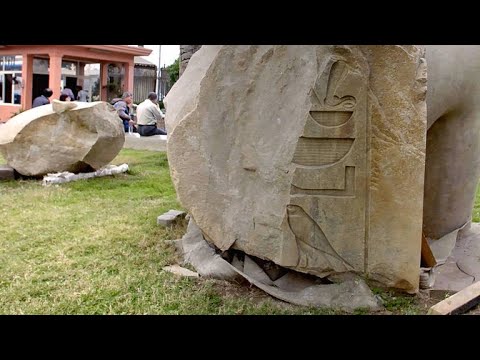
Psamtik I's importance as an Egyptian pharaoh is reassessed after a 2017 statue discovery.
William the Conqueror's tactics at the Battle of Hastings, including the authenticity of his feigned retreats and King Harold's death, are critically examined.
George Washington leads 19,000 French and American soldiers in a siege against General Charles Cornwallis and his 8,000 British troops in Yorktown, 1781.
Washington's army, reduced to 2,400 men, executes a daring nighttime crossing of the Delaware River, leading to a decisive victory against 15,000 Hessian soldiers.
NASA's ATS-III spacecraft captured the first color film of Earth from 22,300 miles above, showcasing regions from Brazil to the Caribbean in November 1967.
The 1968 Washington Riots, ignited by the assassination of Martin Luther King Jr., exposed deep-seated racial tensions and civil unrest in the capital.
Enlisted WAVES played vital roles in various Navy ratings, significantly contributing to the Department of Defense during the mid-20th century.
In the quest to understand woolly mammoths, scientists explore the potential for de-extinction using genetic blueprints and advancements in biotechnology.
Royal Navy weapons from the 1700s and 1800s, including cutlasses and flintlock pistols, are tested to reveal their historical significance and usage.
Chillingham Castle, a 13th century stronghold in Northumberland, is renowned for its high levels of paranormal activity and numerous ghostly sightings.
1,122 men are employed in a federal work program in Washington, D.C., improving public buildings and infrastructure during the Great Depression.
YouTube's censorship policies are discussed during a casual breakfast with Spartacus, Astrid, Joram, and guests Joakim and Pär from Sabaton.
Humans possess a unique facial feature known as the chin, which no other animal has, yet its evolutionary purpose remains uncertain.
The Friauler Speiss, a nine-foot-long weapon from 16th century northern Italy, features a 37-inch central blade and can be seen at the Metropolitan Museum of Art.
12 million servicemen and women return to civilian life after World War II, seeking jobs and reintegration into American society.
A $2,000 bonus and a month’s pay await veterans as they transition from military service to civilian life in post-World War II Canada.
Ancient Aliens questions if ancient civilizations used mysterious machines and possible artificial intelligence.
A chamber in the Dikteon cave, identified as the birthplace of Zeus, contained an altar with offerings of honey and goat milk dating back 4,000 years.
Disturbing reports of demon-like sounds emerge from the drying Euphrates River in 2022.
Three locations in Turkey and Armenia have reported the discovery of unusually large human remains, raising questions about ancient folklore and history.
Prehistoric fossils may have influenced the creation of mythical monsters, as explored through various legends and the work of paleoartists like Julio Lacerda and Ceri Thomas.
100 cubic kilometers of rock and ash were expelled during the 1815 eruption of Mount Tambora, impacting global climate and ecosystems.
Operation Summer Camps, initiated in August 2024, highlights the longest Israeli military engagement in the West Bank since the Battle of Jenin during the Second Intifada.
A canoe accident on July 8, 1917, claimed the life of Tom Thomson, who painted the landscapes of northern Ontario for less than four years.
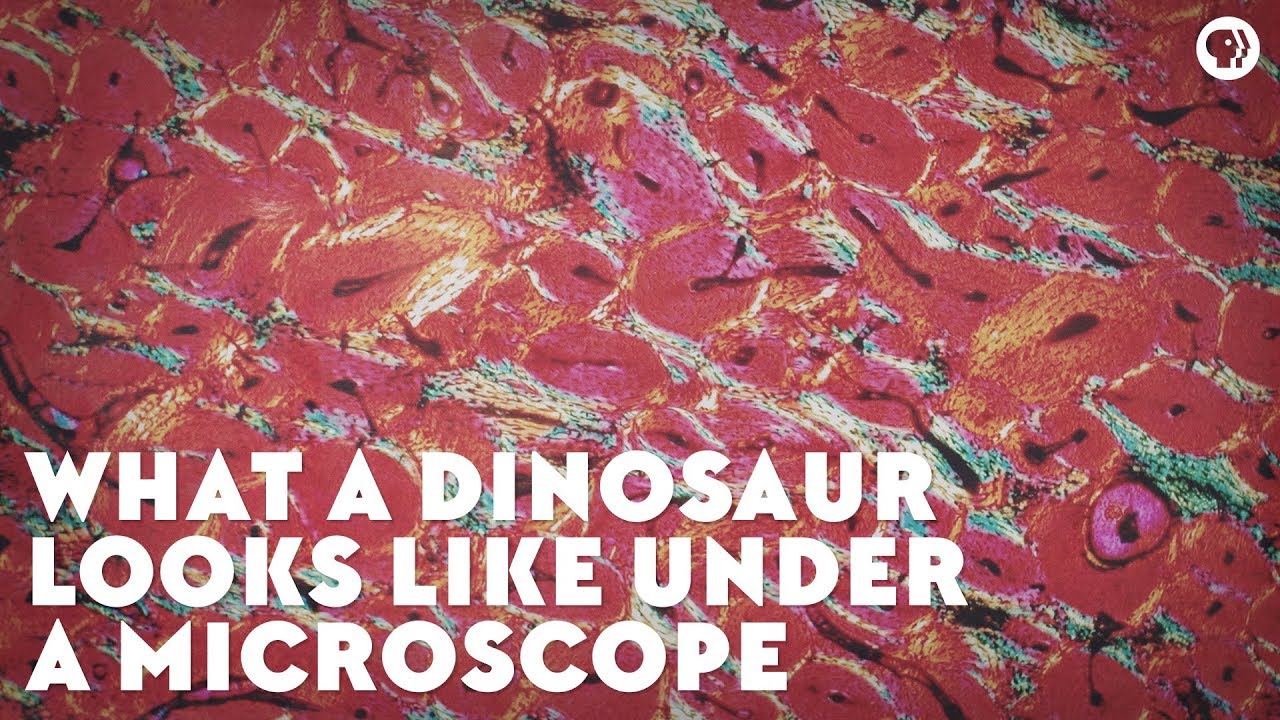
Ellen-Thérèse Lamm in Bozeman, Montana, examines dinosaur bones at the cellular level, revealing insights into ancient life through advanced microscopy techniques.
Boudica's assault on Colchester in 60 AD resulted in the city's destruction, supported by archaeological evidence revealing the brutality of her revolt against Roman rule.
Paleontologists have long debated the colors of dinosaurs, exploring evidence from fossils and modern birds to understand their appearance.
Susan B. Anthony, born into abolitionist Quakers, fights for women's suffrage and civil rights.
A burial site linked to a notorious gang of bank robbers is investigated by Josh Gates, featuring historical ties to World War II and insights from local historians.
A meal featuring a bean stew, lamb, olives, and unleavened bread is recreated based on insights from Italian archaeologists and biblical texts.
Soldiers in the trenches of World War One faced grim food options, relying on tinned rations, hard biscuits, and morale-boosting treats like tea and chocolate.
Skeletal remains indicate that the average height of Spartan warriors was about five foot seven and a half, shorter than many modern individuals.
Georgian dinner parties featured extravagant dishes like Claret, white soup, venison pie, sweetbreads, and rare pineapples, reflecting the era's opulence and social status.
The diet of Roman legionnaires included hardtack biscuits, posca, venison, wild boar, vegetables, salt pork, and cheese, essential for sustaining their campaigns.
Prospects for an independent Palestinian state remain stalled three decades after the 1993 Oslo Accords, amid ongoing violence and political challenges.
Learn about the Waco Siege and David Koresh's role in the Branch Davidian community.
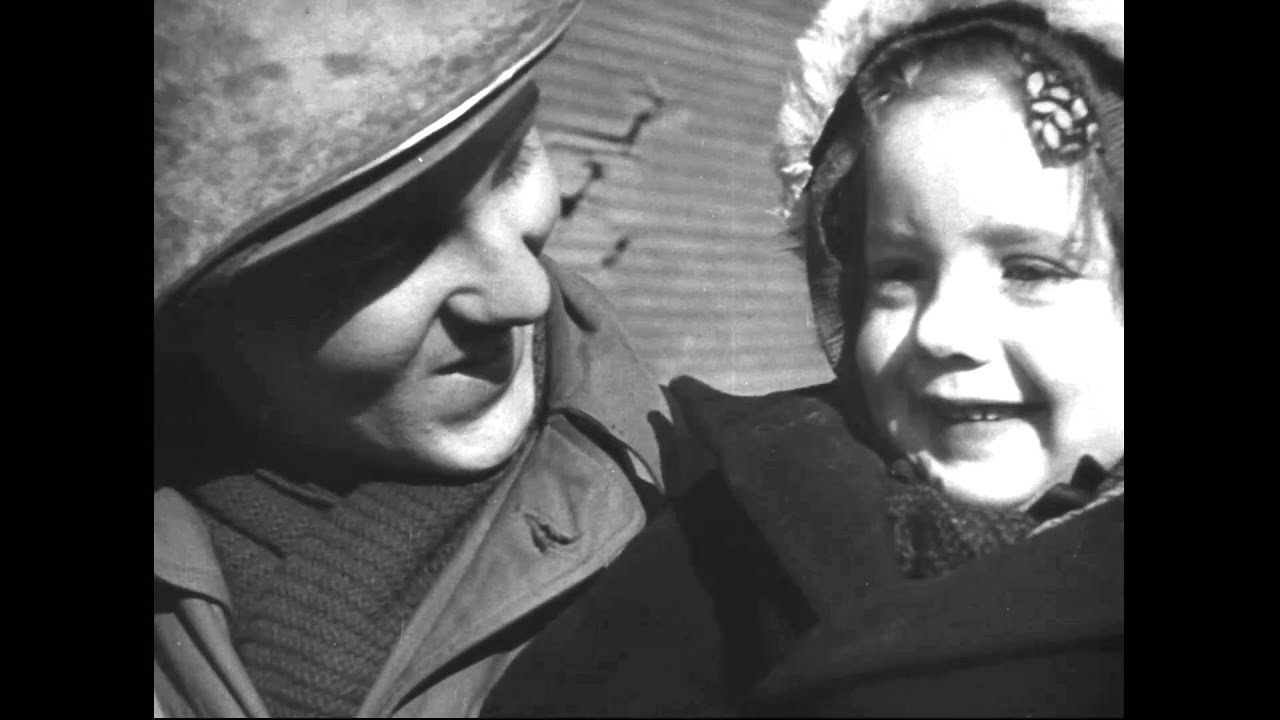
Only 400 of the 10,000 prisoners at Buchenwald survived the death march as they awaited liberation by American soldiers on April 11, 1945.
In the Peruvian Andes, the Chachapoya civilization, known as the 'Warriors of the Clouds,' is explored through recent archaeological and genetic findings that illuminate their legacy.
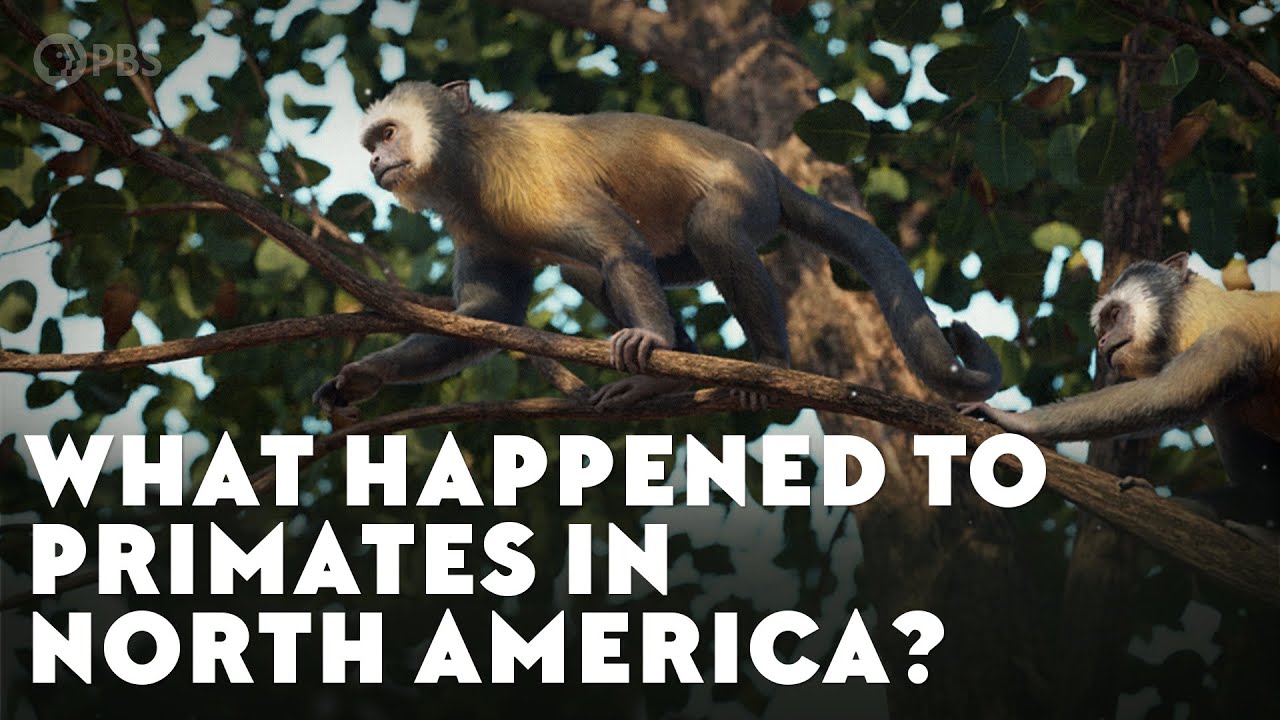
Early primates originated in North America, and research highlights their evolutionary significance and the factors leading to their extinction.
In the United States during World War II, nearly 11,000 German-Americans, along with Japanese and Italian Americans, faced internment and severe civil rights violations fueled by wartime hysteria.