From over 100,000 films, discover the handful you'll love.
Free or premium access to the world's largest documentary library.
22463 films(Page 13 of 468)
Kiev's Euromaidan protests in early 2014 escalated into violent clashes as demonstrators demanded the resignation of President Yanukovych amid growing civil unrest.
Chumash culture, thriving for over 10,000 years along California's coast, showcases advanced societies, ocean-worthy canoes, and resilience through colonization.
11,000 years ago, Jericho became one of the first known settlements surrounded by walls, marking a significant development in communal living and agriculture.
A rescue operation involving 17 cave divers, 200 air cylinders, and 10,000 volunteers lasted 18 days to save 13 boys and their coach trapped in Tham Luang cave.
In July 2011, rebels fought against Gaddafi's forces about 200 kilometers east of Tripoli in the port city of Misrata during the Libyan revolution.
Revolutionary fervor and cultural transformation marked the winter of 1919, as Jazz and Cinema began to reshape the social landscape of America and Europe.
Iron Age Britain, marked by the rise of iron working and population growth, saw the emergence of distinct regional cultures and agricultural advancements.
Historian Dan Snow evaluates the historical accuracy of iconic D-Day portrayals in Hollywood films and popular television series.
Average temperatures plummeted to around 6 degrees Celsius colder than today during the last glacial maximum, covering a quarter of the world's land in ice.
Mark Twain's 1867 expedition from Paris to Jerusalem provides critical observations on the cultures and landscapes of 19th-century Europe and the Middle East.
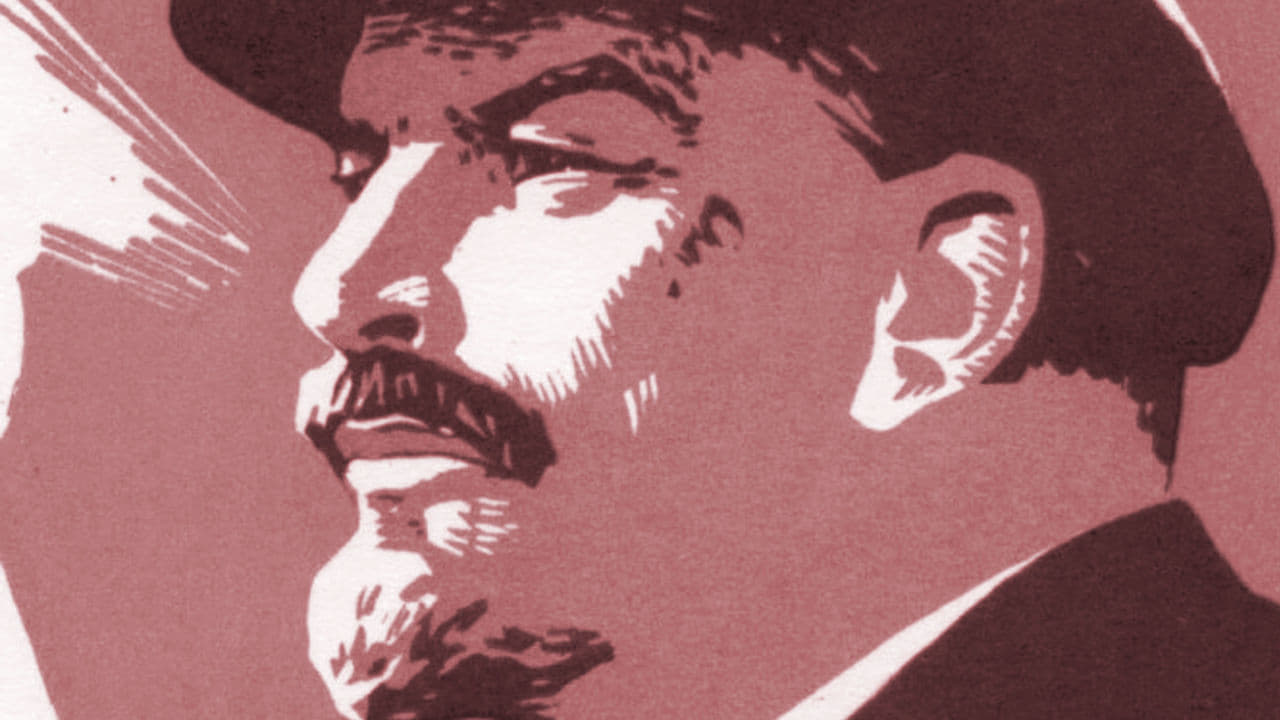
Key events from 1881, including the assassination of Tsar Alexander II, reveal the tensions that led to the Russian Revolution and the rise of Lenin's influence.
Oda Nobunaga's clan rose to power in Japan's Sengoku period, achieving prominence before experiencing a gradual decline following his death.
Ruth Goodman and archaeologists Peter Ginn and Tom Pinfold prepare for winter in medieval Britain by celebrating the harvest and reflecting on the Dissolution's impact.
Hawaii, once an independent nation, was illegally overthrown by the United States in 1893, leading to ongoing disputes over sovereignty and control.
A fossil from the Geological Survey of Canada, much larger than any previously found from the Cambrian period, poses a mystery for Professor Harry Wittington.
Vladimir Putin, a former KGB officer, has confronted five American presidents over two decades, shaping a tense relationship marked by military aggression.
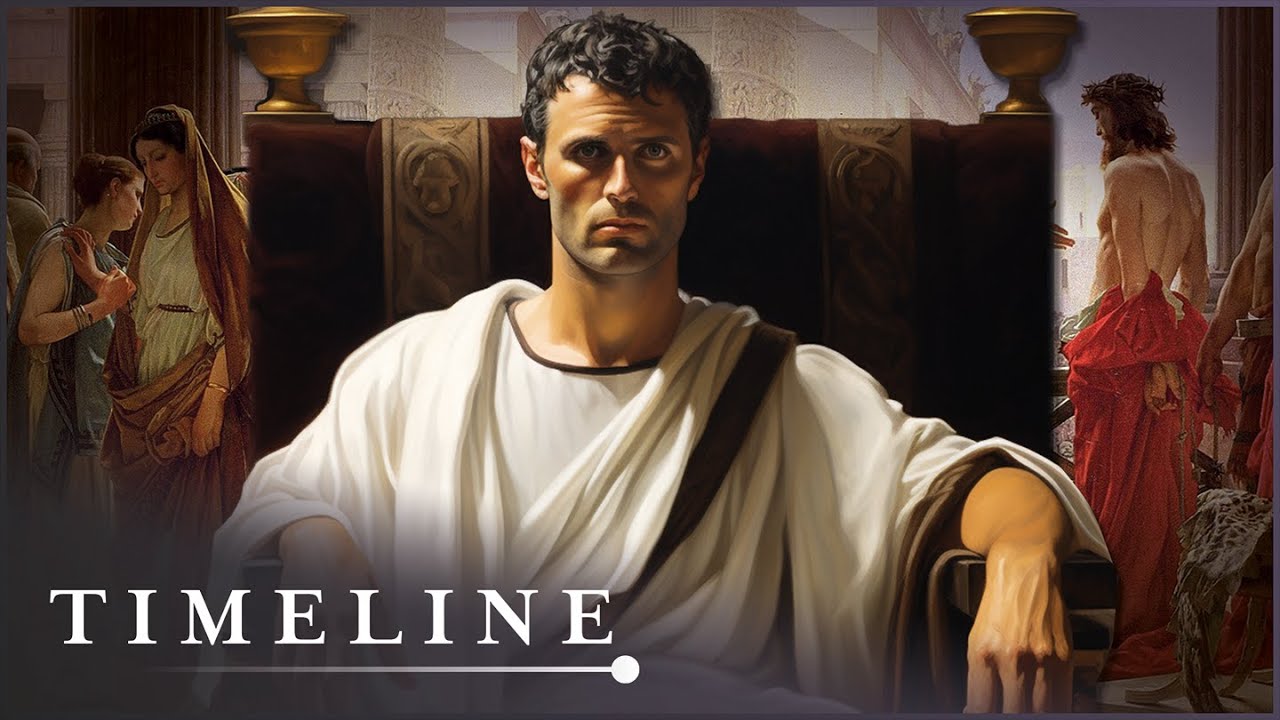
Pontius Pilate is depicted as a complex figure with his own motives for permitting the execution of Jesus Christ, challenging traditional portrayals of his character.
The Colt M1911, a semi-automatic pistol designed by John Browning, served as America's sidearm for the Armed Forces from 1911 until 1985.
Rockingham Castle, built in 1067 by William The Conqueror, showcases over 900 years of architectural evolution and connections to literary figures like Charles Dickens.
World War Two's conclusion raised questions about the sincerity of the anti-Axis alliance's promises for peace, stability, and human rights.
Titanic's tragic sinking on April 14, 1912, is examined through the lens of popular myths, addressing misconceptions about its crew, design, and final moments.
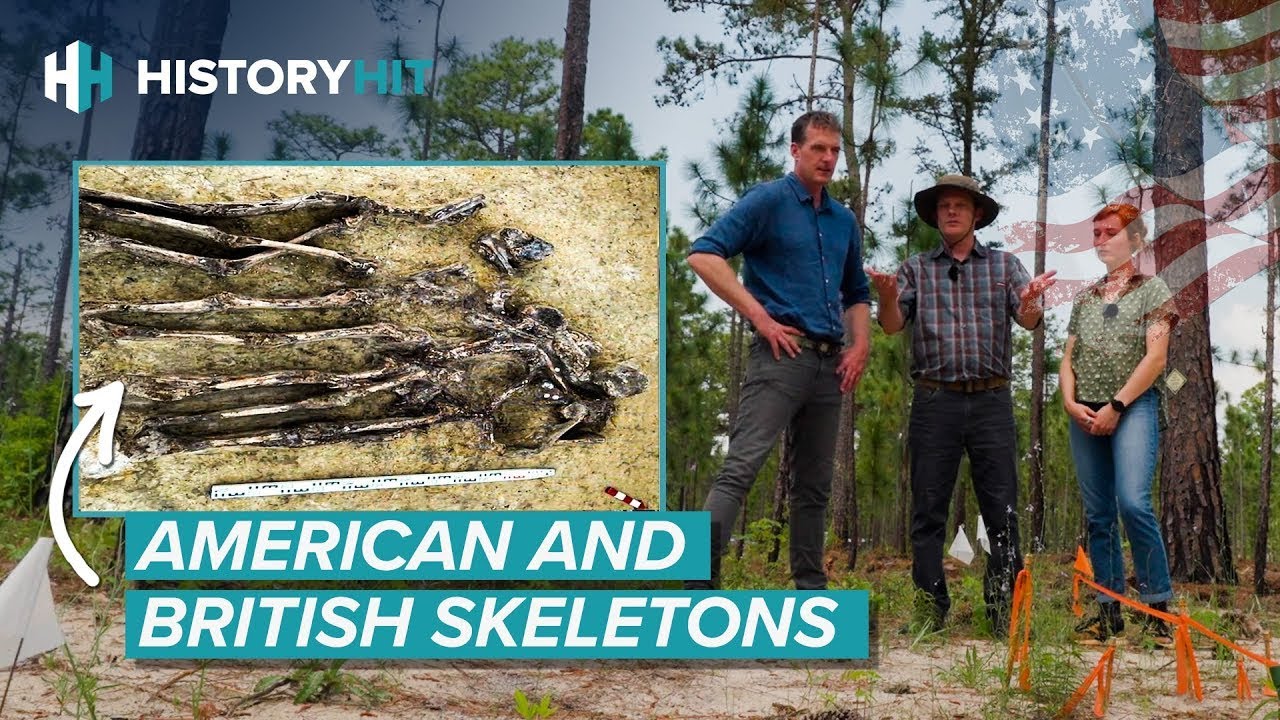
Skeletons of 14 soldiers from the Battle of Camden, a pivotal yet overlooked conflict in the American Revolutionary War, have been exhumed for memorial honors.
Greek colonization of the ancient Mediterranean and Black Sea regions is explored, highlighting key settlements and the motivations behind this expansive movement.
In October 1909, over 100 people marched on an African American house in Minneapolis to prevent the family from moving into the neighborhood.
Scotland's complex relationship with football, marked by a history of highs and heartbreaks, is vividly explored during their return to a major tournament after 23 years.
A 15-meter tsunami struck Japan on March 11, 2011, following a powerful earthquake, leading to a crisis at the Fukushima Daiichi nuclear power plant.
Mesoamerican ballgame, a significant cultural practice and one of the earliest team sports, continues to be played today, reflecting its rich historical legacy.
The 2014-2015 Ebola outbreak in West Africa exposed critical failures in global health responses, as firsthand accounts reveal the tragic human impact and systemic missteps.
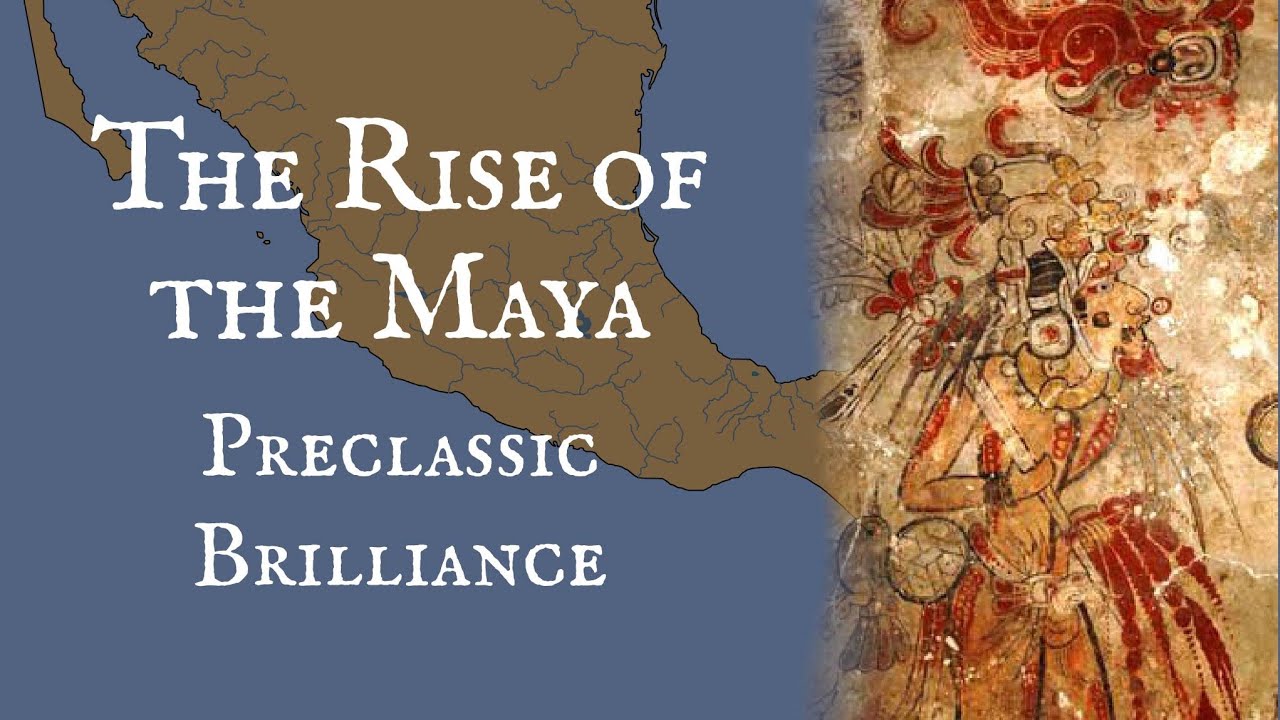
Maya civilization flourished during the Preclassic period, showcasing remarkable cities, art, and cultural advancements that laid the foundation for their future.
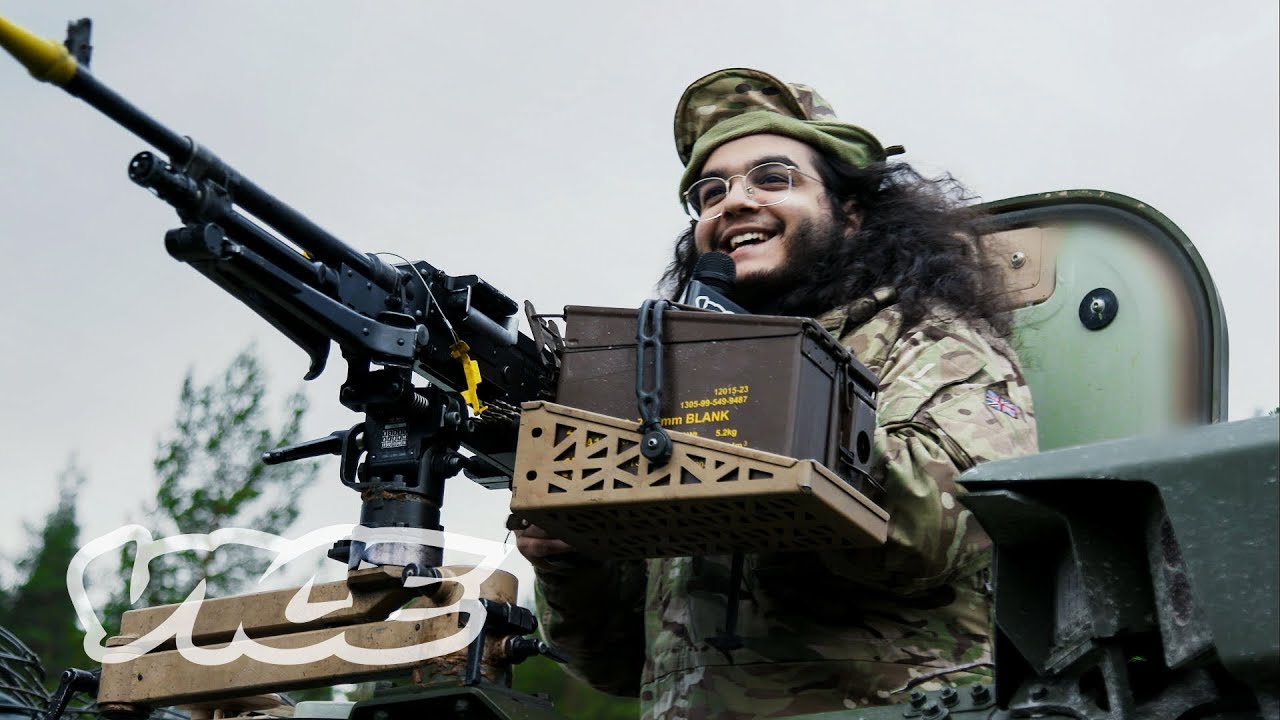
Alhan Gençay, a millennial provocateur, navigates NATO's largest war games in Norway, testing whether his irreverent persona can adapt to military rigor.
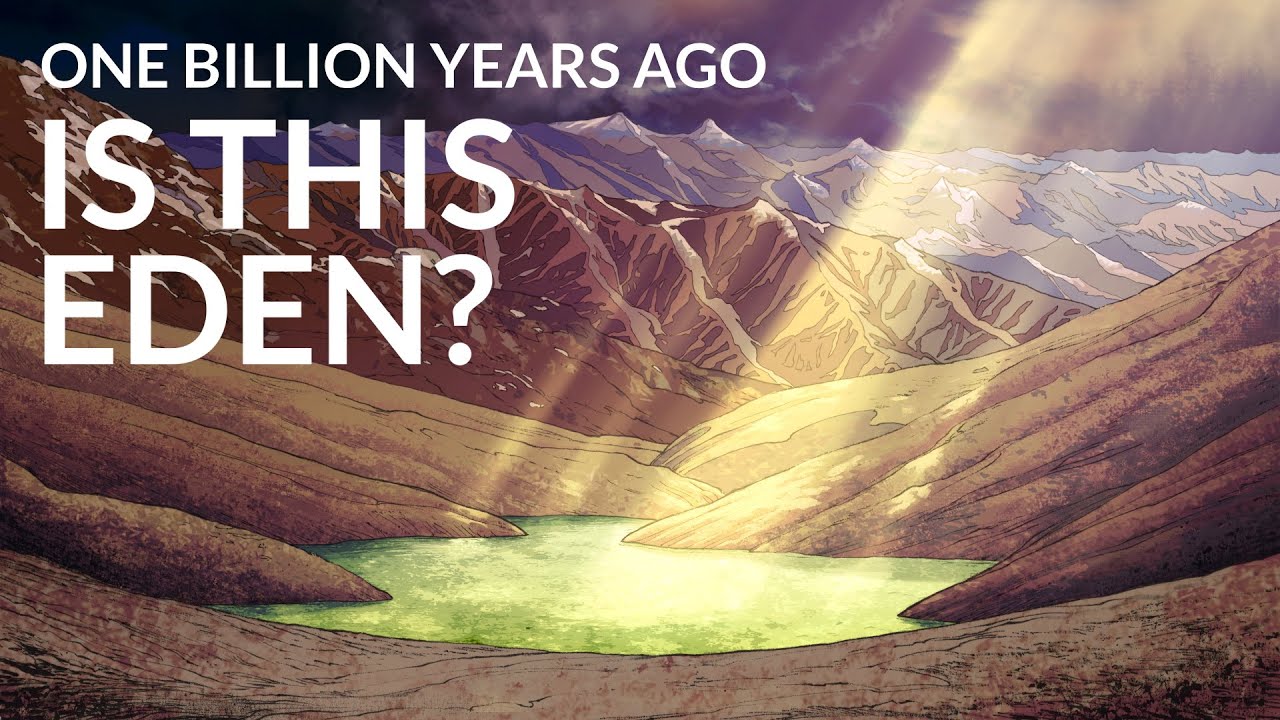
One billion years ago, the Earth was a toxic environment where certain life forms could not survive, marked by black oceans and barren land.
400,000 years ago, a new species, Homo sapiens, emerged in Africa, adapting to various climates and developing agriculture and monumental structures.
Scorpion and Narmer, two of Egypt's earliest kings, are examined alongside the late Naqada period, setting the stage for the rise of dynastic civilization.
Homo sapiens' origins are explored through fossil evidence and expert insights, revealing the complexities of human evolution and survival among extinct species.
Thirty locations were filmed over three years to document the political changes in post-Roman Britain and the fate of its kingdoms.
El Bordo, a makeshift shantytown in Tijuana, houses many of the 40 percent of Mexican immigrants deported from the US, living in harsh conditions.
Kato Kiyomasa, a legendary samurai known for his prowess as a warrior, architect, and general, played a pivotal role in Japan's Sengoku period.
A special detector aboard the International Space Station searches for the antimatter version of a helium isotope, anti-helium-3.
The Yalta Conference marked a pivotal moment in 1945, where initial optimism among the Allies quickly gave way to deep-seated rivalries that shaped the Cold War.
Queen Victoria's childhood at Kensington Palace is explored through a tour led by historian Lucy Worsley, highlighting her early life and royal legacy.
A massive volcanic eruption around A.D. 535 caused two years of darkness, leading to famine, plagues, and the collapse of civilizations worldwide.
FC Barcelona navigated a tumultuous period between 1996 and 2006, marked by an identity crisis and key transitions, before reclaiming their glory with a Champions League win.
Historian Dan Snow leads an engaging tour of the Tower of London, exploring its medieval defenses, royal history, and significant sites like Anne Boleyn's execution.
In 1909, goat herders stormed Iranian cities, overthrowing the shah in a series of attacks that date back to the Bronze Age.
More than 40 ancient pyramids and burial structures lie buried beneath the sands near Khartoum, revealing the history of the black pharaohs.
Ten ossuaries were found in a 2,000-year-old burial tomb in South Jerusalem, some inscribed with the names Jesus, Mary, and Joseph.
A procession carries the remains of Richard III through the streets of Leicester to his burial site at the city's cathedral, marking a historic event.
The U.S.-led campaign against ISIS is scrutinized through the lens of key regional players and pivotal events from 2014 to 2016, highlighting both achievements and setbacks.