From over 100,000 films, discover the handful you'll love.
Free or premium access to the world's largest documentary library.
22463 films(Page 189 of 468)
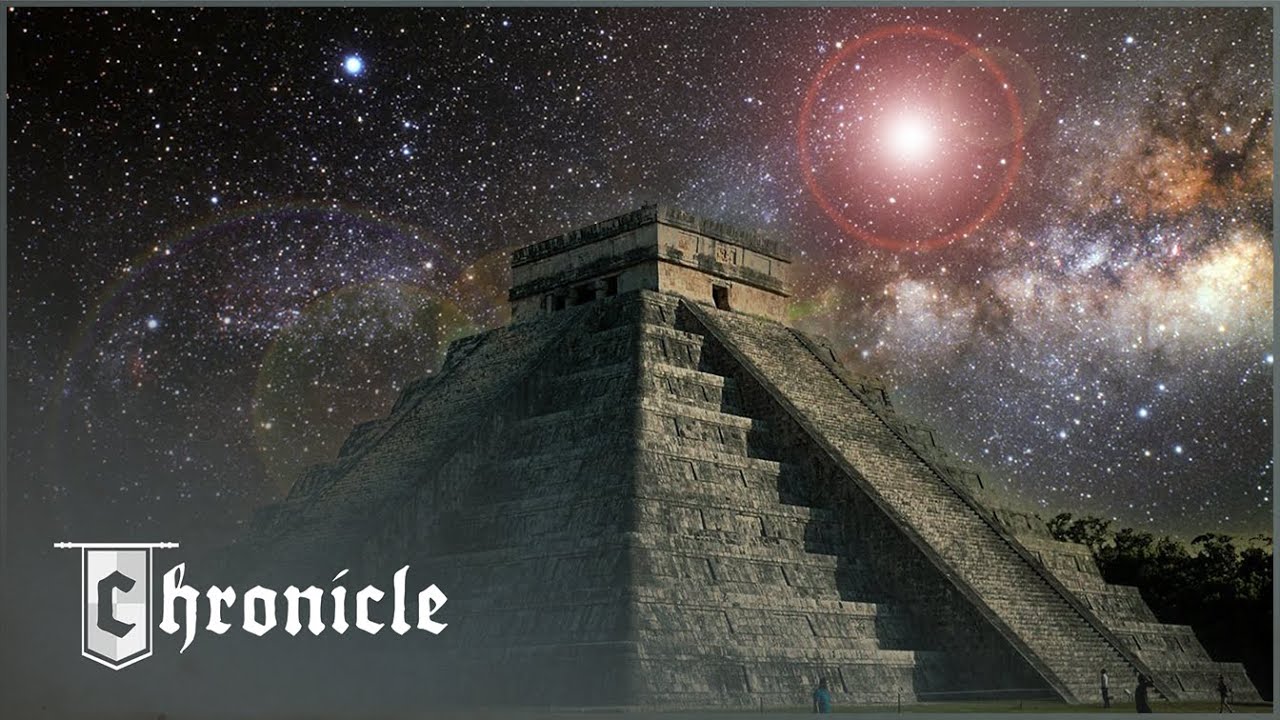
Chichen Itza, the final city of the Mayan civilization, features the El Castillo pyramid, a complex underground cave system, and insights into its astronomical observatory, El Caracol.
Marine archaeologist Professor Jon Henderson investigates the remnants of a 1,000-year-old sunken Viking fortress linked to the Battle of Largs in Scotland.
World-class archaeologists salvage a remarkably intact Ferry Barracuda bomber and excavate significant WWII artifacts from the English Channel and Kent.
The death of Queen Elizabeth II marks the beginning of a new era under King Charles III, highlighting the ceremonial processes of royal succession in the UK.
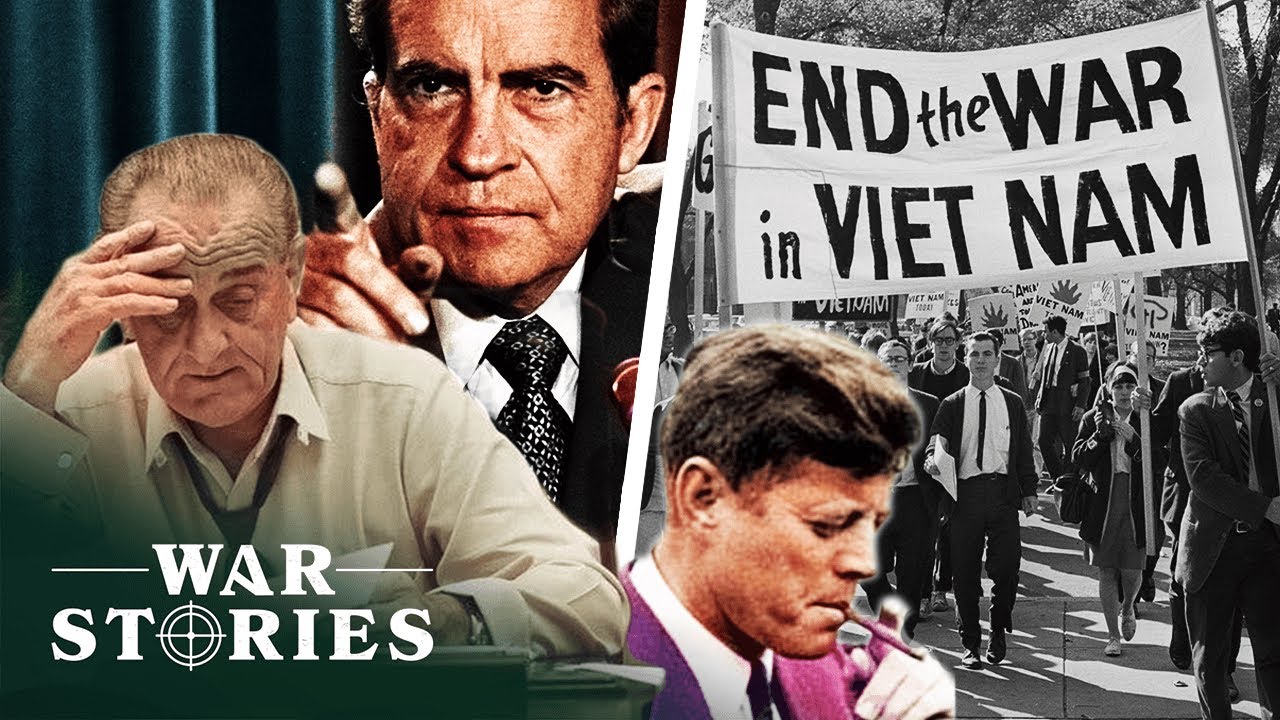
Rare archive footage highlights the contrasting experiences of American military efforts and the growing anti-war sentiment during the Vietnam War.
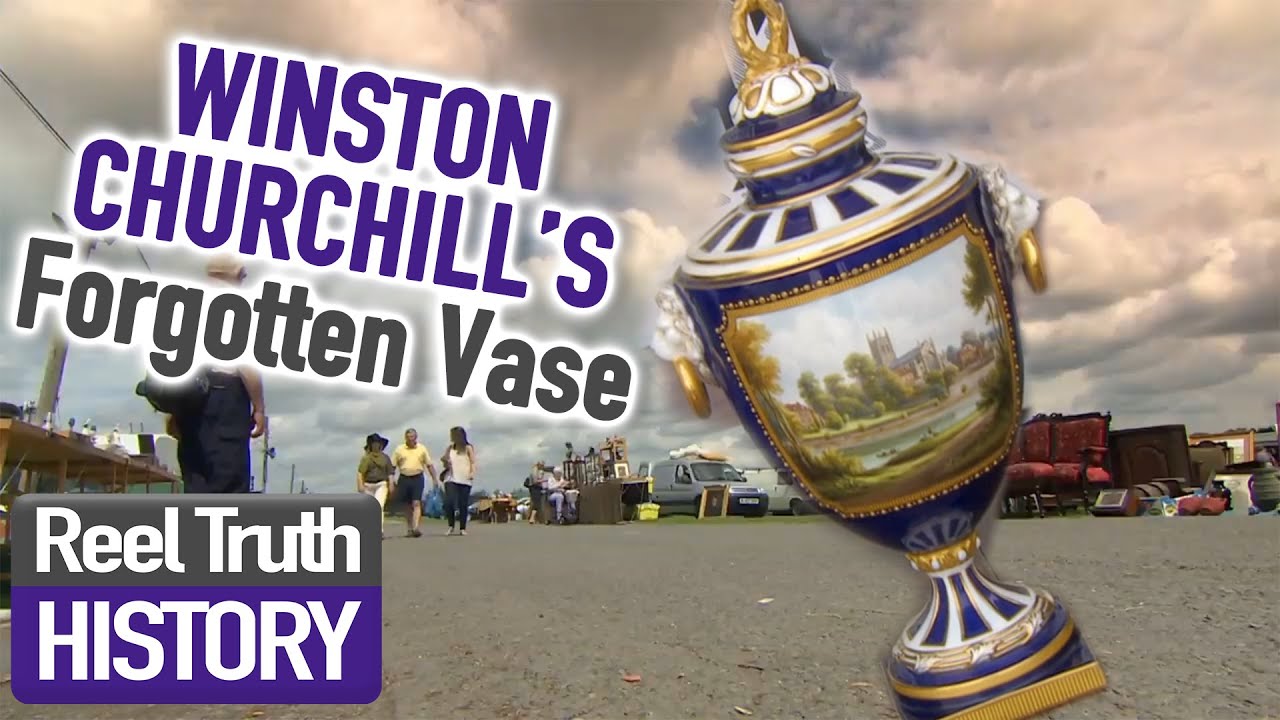
Worcester's rich history is highlighted through rare antiques, including a unique Royal Worcester piece for Winston Churchill and a handwritten letter from Elgar.
America's ambitious infrastructure projects, including massive dams and underground transit systems, showcase groundbreaking engineering innovations that transformed entire regions.
American advisors began laying the groundwork for village defense in South Vietnam in September 1961, teaching locals to protect themselves against communist attacks.
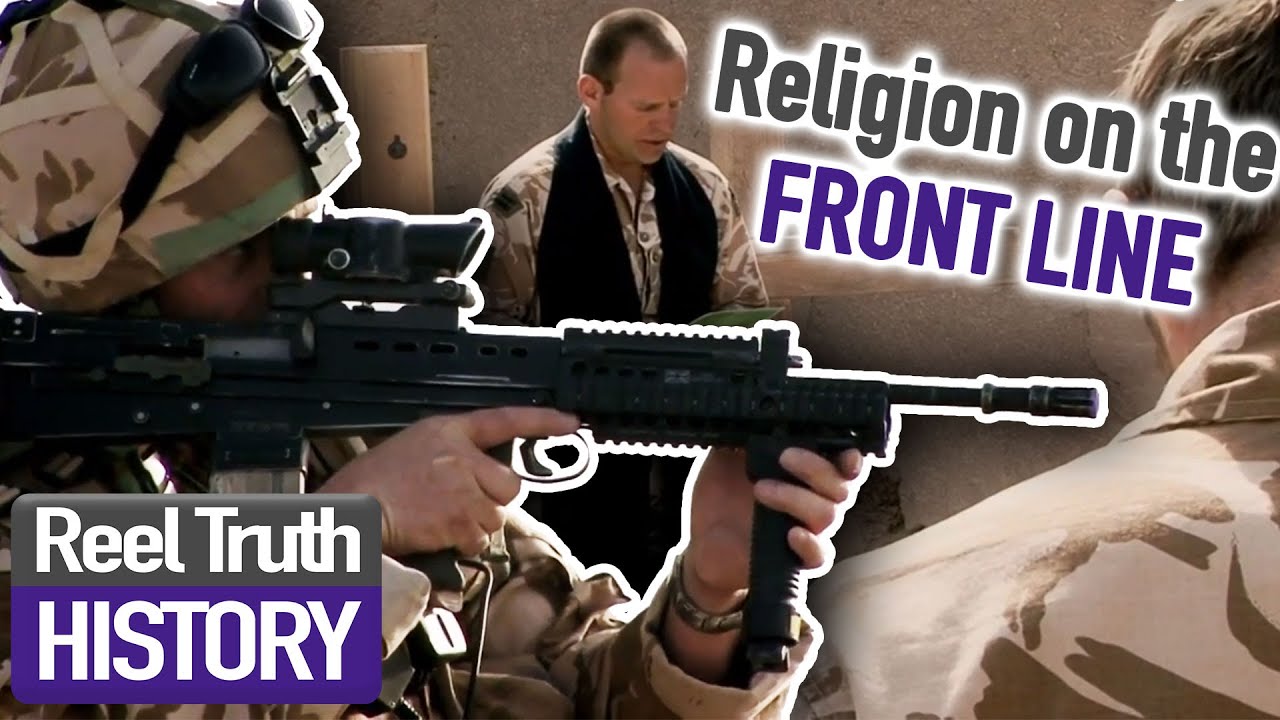
8300 British troops are stationed in Afghanistan, where Royal Navy chaplains provide spiritual support amid the dangers of the War on Terror.
The Accabadora, a figure in Sardinian culture, performed ancient euthanasia rituals for the terminally ill, hidden from the Catholic Church until the 1960s.
Hartlepool Power Station's safety measures and emergency plans are scrutinized in light of public fears following the Chernobyl disaster.
Eurostar has transformed European travel since 1994, connecting London, Paris, and beyond through the Channel Tunnel's 50-kilometre underwater route.
In the summer of 1942, the American Navy launches its first offensive in the Solomon Islands, marking a significant moment in the Pacific Theater of World War II.
Santa Maria Maggiore contains the bones of 40 saints, including Saint Jerome, whose Vulgate Bible became the Latin Bible of the Roman Church.
Salt mining, often called "white gold," has significantly influenced trade and sustenance across cultures throughout history, from oceanic deposits to underground mines.
King Charles III's ascension to the throne raises questions about how he will navigate the legacy of his namesakes, Charles I and Charles II, amid modern expectations.
Operation Pastorius involved eight Nazi saboteurs landing in the U.S. in 1942, but swift FBI action led to their capture and the mission's failure.
In the equatorial jungles of Africa, the Pygmies, one of the world's oldest cultures, face existential threats from rampant logging and habitat destruction.
Over 15,000 soldiers landed at Omaha Beach on June 6, 1944, facing heavy fire during one of World War II's most critical battles.
Five filmmakers from Mozambique, Brazil, and the US confront issues like war trauma, environmental destruction, and systemic racism through their films.
Kounta nomads traverse 1,500 km across the Sahara on camels in search of salt, facing extreme challenges to secure their community's livelihood.
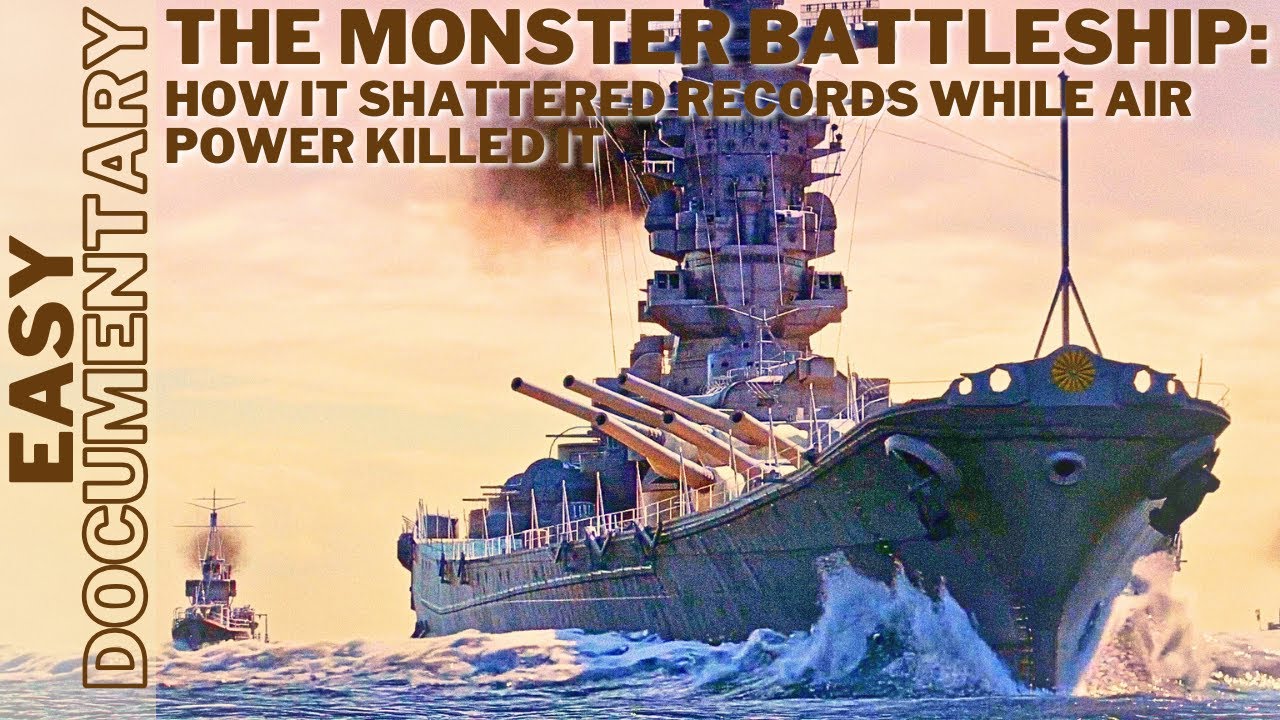
In 1945, Japan's Yamato, the largest battleship ever built, faced the devastating impact of air power, challenging the effectiveness of traditional naval warfare.
A notorious 1990s drug lord's rise to wealth highlights the complex gang history of the city, culminating in his inclusion on the Sunday Times Rich List.
John Fitzgerald Kennedy was born on May 29, 1917, into a Boston Irish family and became the 35th president of the United States.
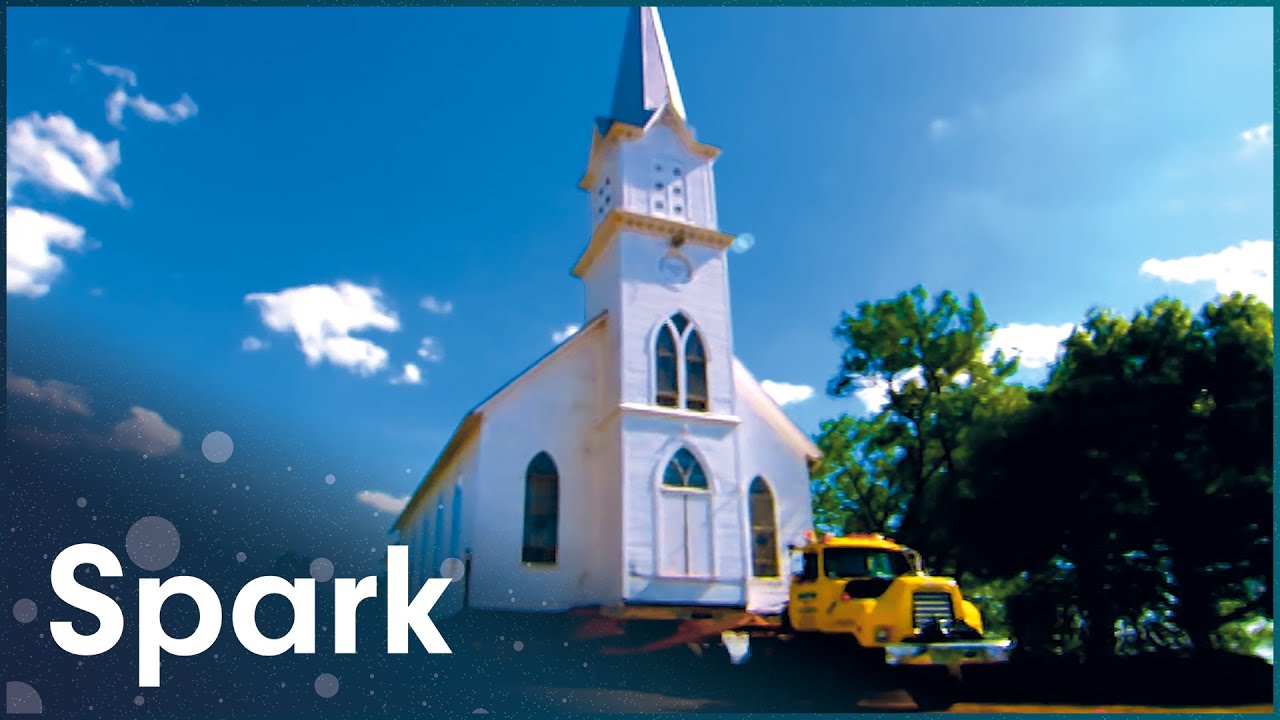
Movers tackle the challenging task of transporting a 140-year-old church via Route 41.
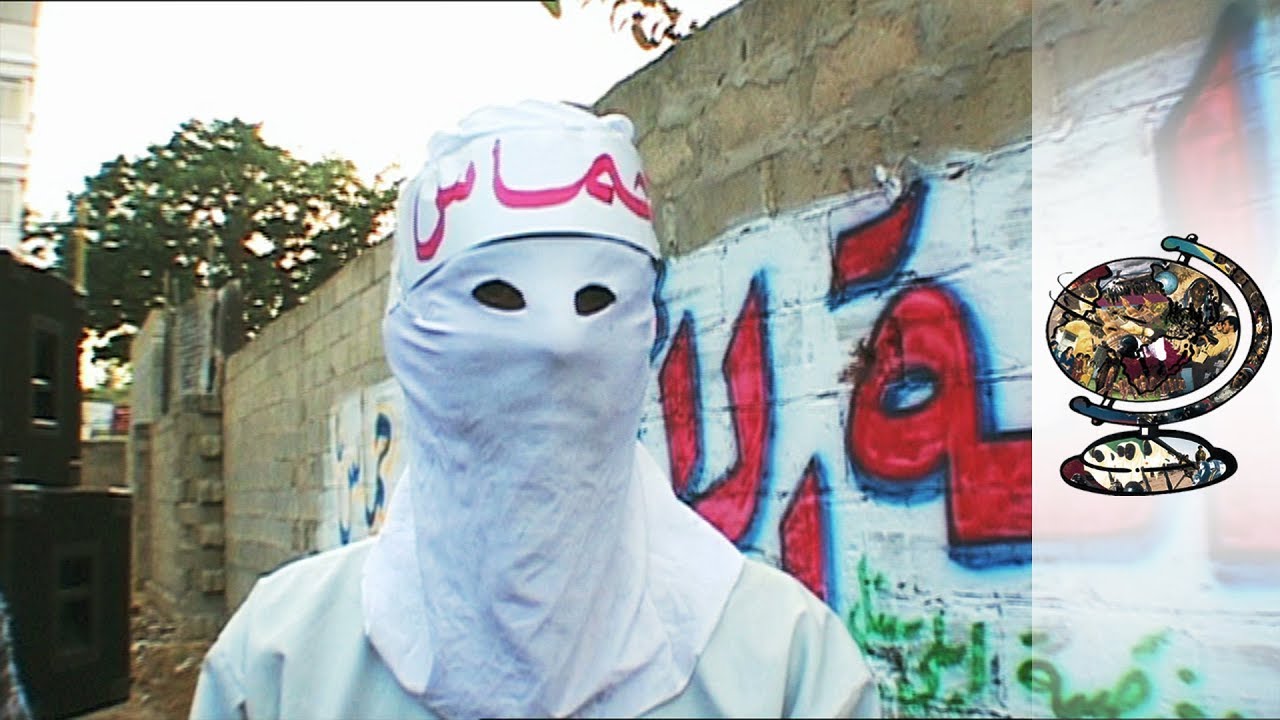
Suicide attacks in Gaza have profoundly impacted Palestinian society, revealing the limited control of Arafat amid escalating violence and suffering among the youth.
A single Ohio class submarine carries 24 ballistic missiles, each capable of striking with little or no warning under extreme stealth.
Life in Nanjing reveals the complexities of modern China, where rapid economic growth coexists with political repression and environmental challenges.
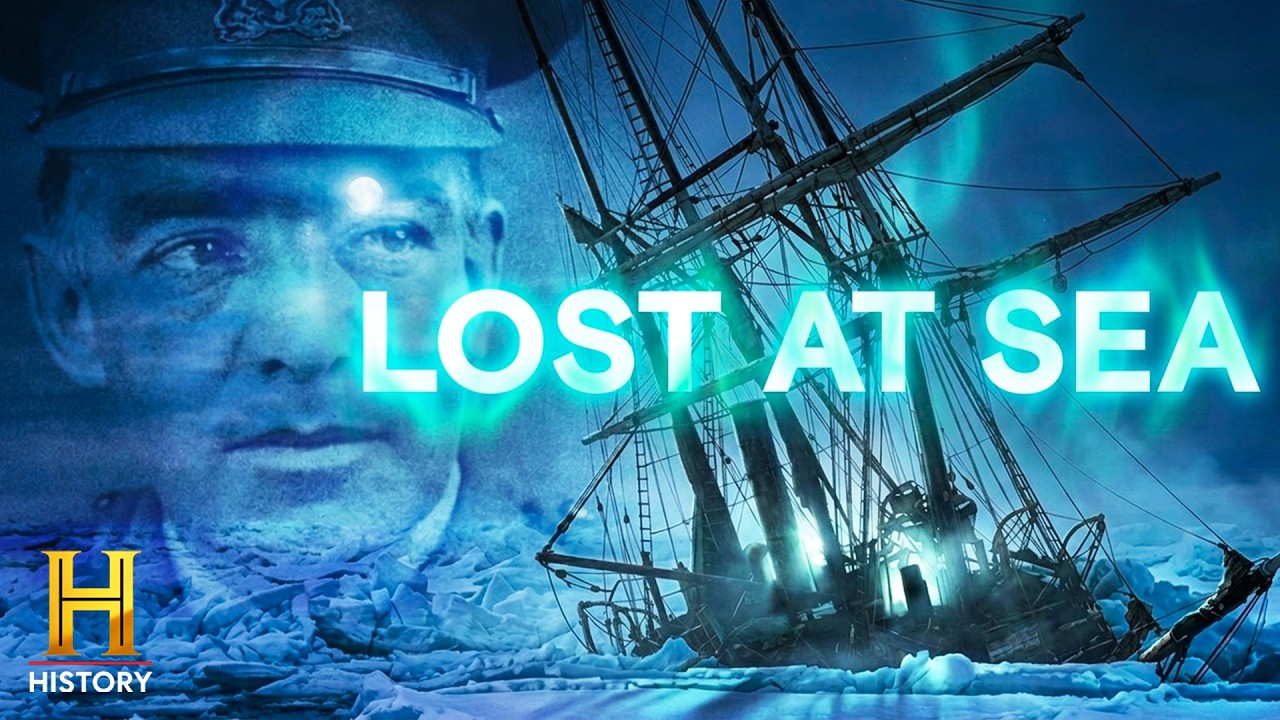
Shackleton's shipwreck, the USS Indianapolis tragedy, and the Franklin Expedition are examined as three significant maritime disasters that continue to intrigue historians.
Milestones in space exploration are examined, highlighting the Apollo moon landing, SpaceX's Dragon and Falcon spacecraft, and the Gaia mission's galaxy mapping.
A 200-mile pilgrimage through Ethiopia's highlands leads photojournalist David Adams to sacred sites and the legend of the Ark of the Covenant.
Elusive assassins have shaped history through high-profile killings, employing methods like concealed bombs and radioactive isotopes to silence critics and instigate chaos.
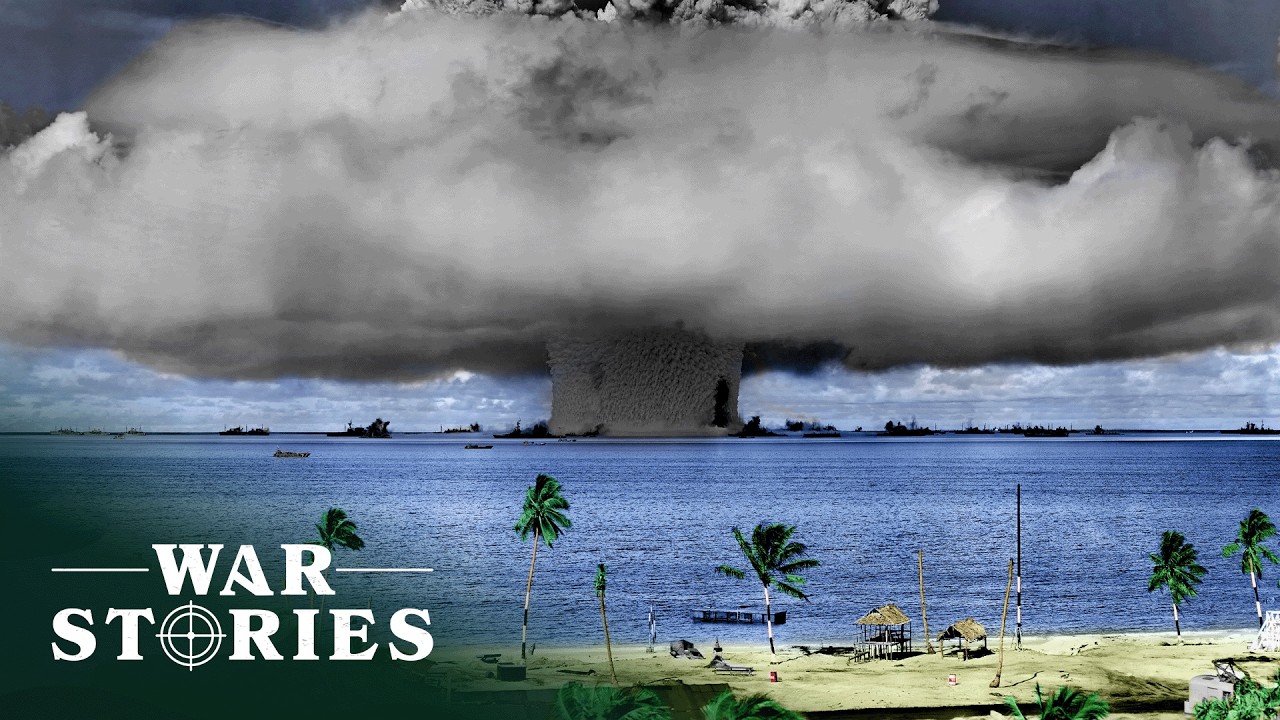
Bikini Atoll, site of the 1946 Operation Crossroads atomic tests, became a radioactive ship graveyard, highlighting the lasting impact of nuclear warfare.
Colditz Castle in Germany is known as the most escape-proof Nazi prison during WW2.
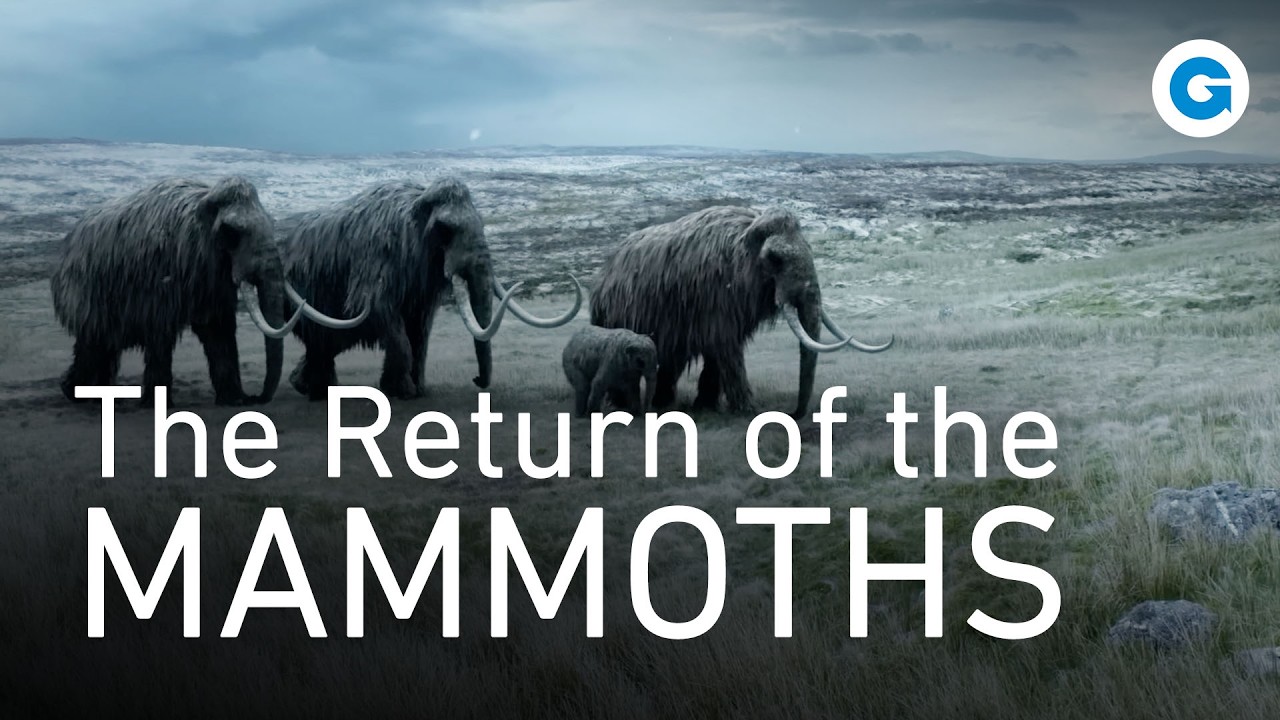
Mammoths, once thriving across the globe, adapted remarkably during the Ice Age, with their story traced from Namibia to the North Sea and northern Canada.
John Wesley Powell, a pioneering explorer and founding member of the Society, completed the first descent of the Colorado River through the Grand Canyon.
Fred and Rosemary West, Peter Sutcliffe, and Steve Wright are examined for their heinous crimes that intertwine sex and murder in Britain.
Columbanus, an Irish monk, established monasteries across Europe that became early centers of education and governance, influencing the continent's unity after the Roman Empire's fall.
Bartholomew and Philip, two lesser-known apostles, are examined through their historical significance and connections to places like Armenia and London.
Jesus, a pivotal figure in history, is examined for his life, teachings, and the profound impact he has had on Christianity and modern society.
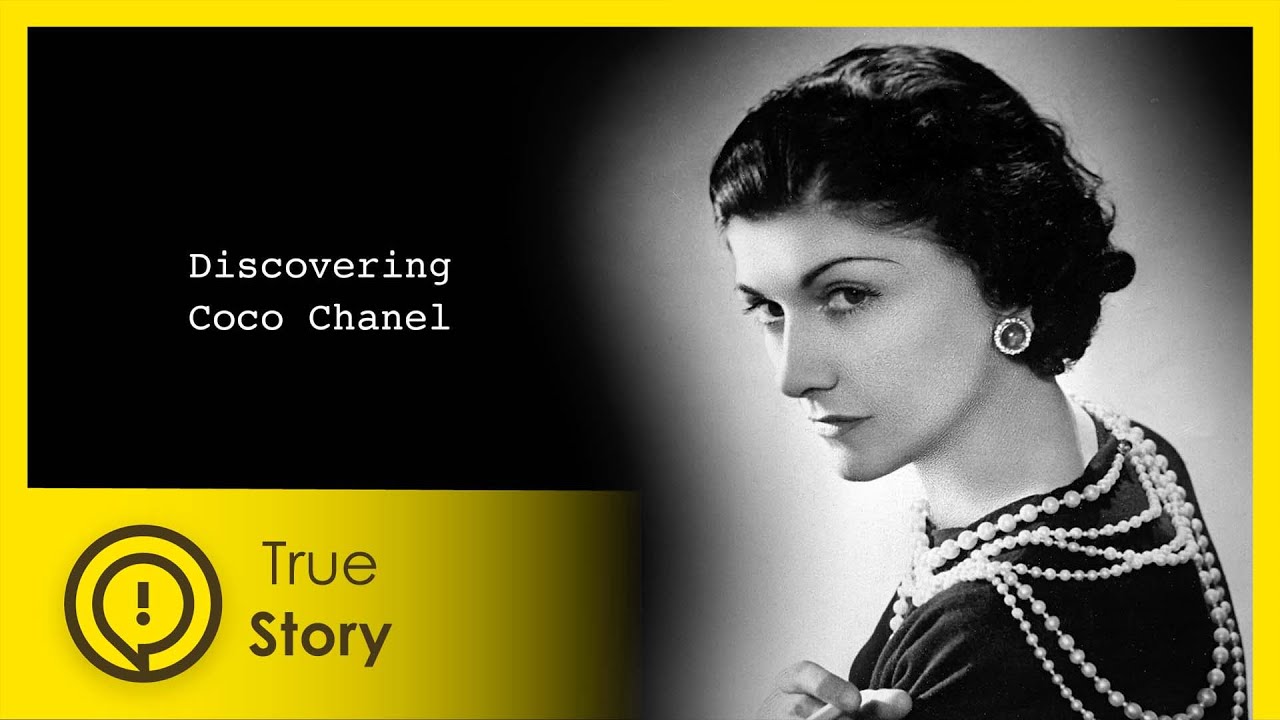
Coco Chanel's revolutionary impact on fashion in the 20th century is examined through her innovative designs and lasting influence on women's style.
The Habsburg Dynasty, a medieval ducal family, expanded its influence through strategic alliances and wars, ruling vast territories from the Holy Roman Empire to Spain.
On Christmas Day 1943, the German battlecruiser Scharnhorst launched an attack on Allied Arctic convoys, but the Royal Navy, aided by Bletchley Park intelligence, was prepared.
Joan Baez reflects on her friendship with Dr. Martin Luther King Jr., detailing their shared commitment to non-violence and her experiences during the civil rights movement.
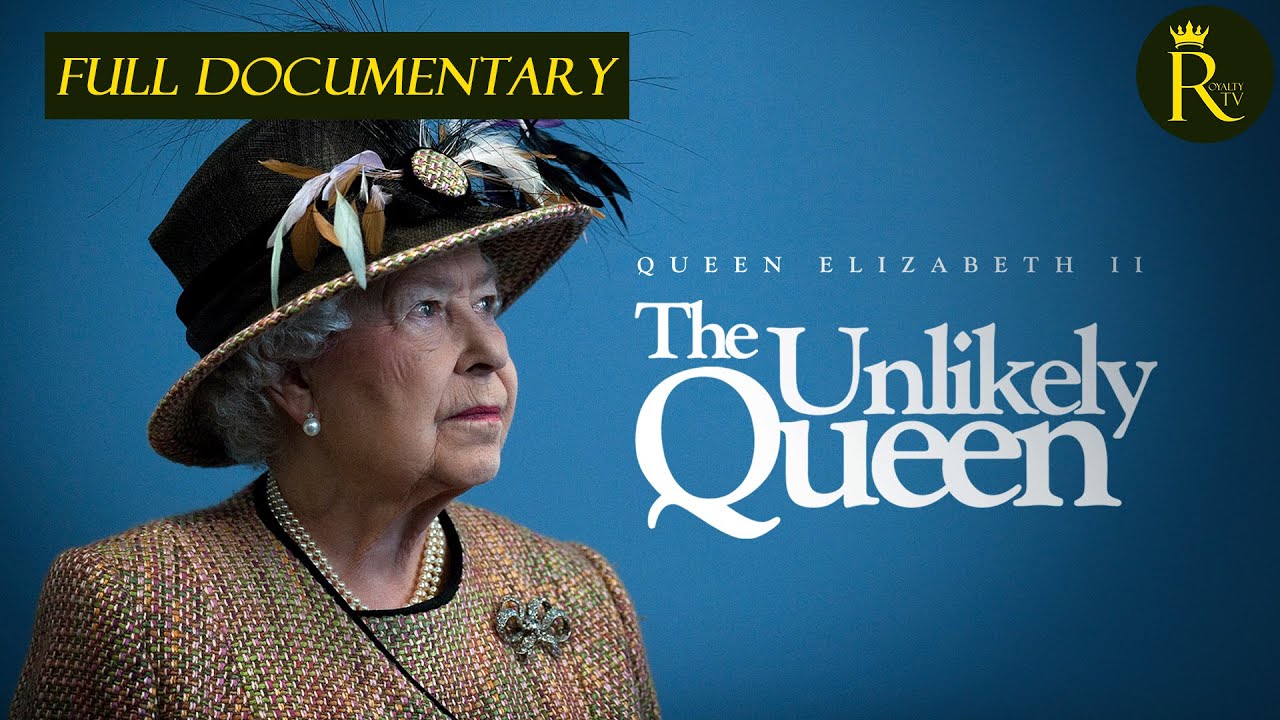
Queen Elizabeth II, who unexpectedly ascended to the throne, navigated over six decades of profound change in British history and royal duty.
In May 1940, Germany's rapid military strategy, known as Blitzkrieg, marked the end of the Phony War and initiated the invasion of Western Europe.
During World War II, Allied operatives executed secret missions aimed at assassinating Adolf Hitler and key figures like Erwin Rommel.
Forensic geologist Scott Wolter investigates the Heavener Runestone in Oklahoma and a bomb-laden island off Massachusetts, suggesting Viking exploration in America predates Columbus.