From over 100,000 films, discover the handful you'll love.
Free or premium access to the world's largest documentary library.
22463 films(Page 424 of 468)
Medium-sized predatory dinosaurs are notably scarce in fossil records from regions inhabited by larger predators like Tyrannosaurus rex, raising questions about ancient ecosystems.
Cephalopods, despite having a robust fossil record, present a mystery regarding the absence of squid fossils, raising questions about their evolutionary history.
Earth's abundance of water is believed to have originated from meteorites, space dust, and solar contributions, unlike the water scarcity found on Mercury, Venus, and Mars.
Rommel's lost gold, a treasure linked to the German general Erwin Rommel during World War II, has sparked decades of speculation and search efforts.
In the spring of 1945, as the Third Reich collapses, U.S. troops face challenges recovering $3.5 billion worth of art hidden by the Nazis in a salt mine.
Michael Platt, a 14-year-old baker, has donated almost 10,000 cupcakes to those in need through his business, Michael's Desserts.
In the early 1940s, urban life in America was examined through the lens of industry and society by the Ford Motor Company.
The summer of 1919 saw intense racial violence in the United States, highlighting the struggle over social justice and the fight for equality amidst technological progress.
Centuries ago, the Chachapoya built dwellings in inaccessible caves to protect their dead from water and grave robbers.
A group of Canadians reflects on their national identity while discussing their diverse heritage and cultural influences in a lively animated setting.
Potential Shoguns in Japan were often limited by specific requirements and social hierarchies, raising questions about who could truly ascend to this powerful title.
John Wilkes Booth targeted President Lincoln, Vice President Andrew Johnson, Secretary of State William Seward, and General Ulysses Grant for assassination.
The Agojie, a group of female warriors from the Kingdom of Dahomey, inspired the elite fighters known as the Dora Milaje in Marvel's Black Panther.
Artificial intelligence's evolution is traced through the contributions of key figures and organizations that shaped its development and future potential.
Martin Cooper, a Motorola engineer, invented the first mobile phone in 1973, marking a significant advancement in communication technology.
In the United States during World War II, nearly 11,000 German-Americans, along with Japanese and Italian Americans, faced internment and severe civil rights violations fueled by wartime hysteria.
The 'Night Witches' are deadly Soviet pilots who terrify the Nazis during WWII.
This episode reveals the training of the elite Aztec warriors, the Eagles and Jaguars.
New evidence suggests humans arrived in America 100,000 years earlier than thought.
Neil Armstrong and Buzz Aldrin made history on the Moon with help from German scientists.
Sea Peoples, a mysterious coalition of warriors from around 1500-1200 BCE, disrupted the prosperous eastern Mediterranean, leading to the collapse of ancient empires.
Miriam and Dominic investigate the mysteries of pyramid locations in the Nile Valley.
Jovenel Moïse's assassination in July 2021 leads to chaos and gang control in Haiti.
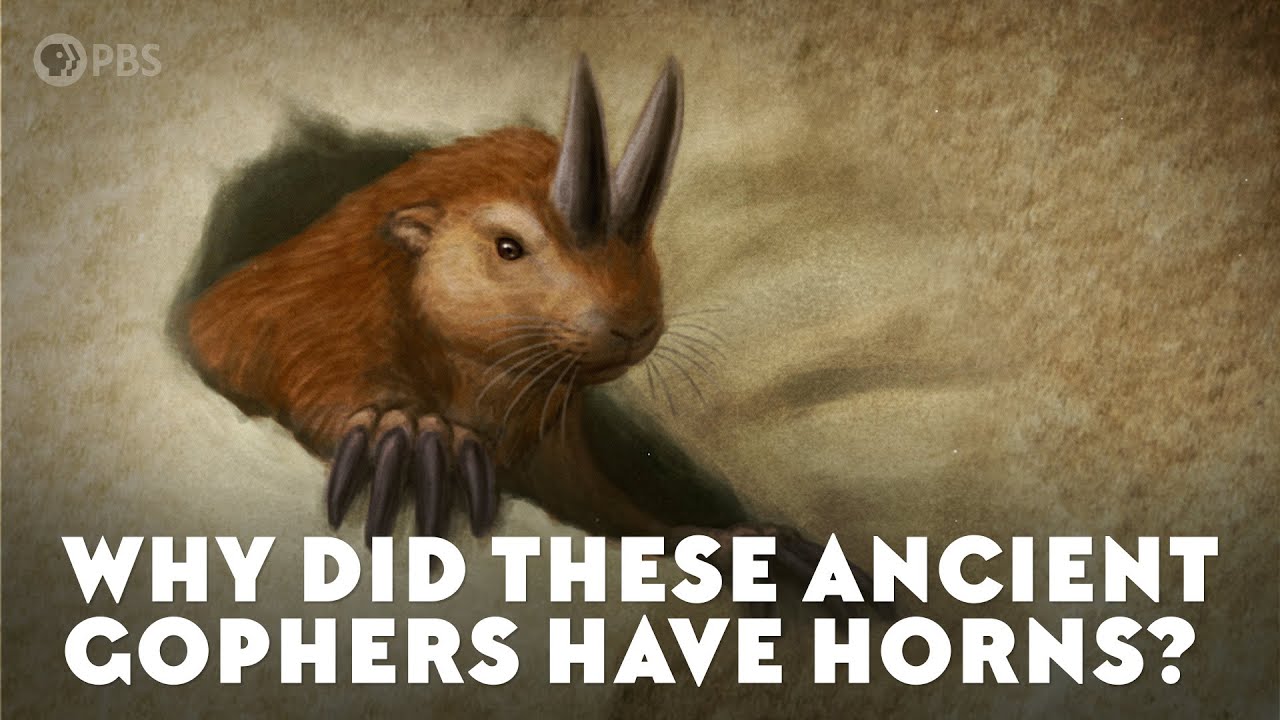
Ceratogaulus, commonly known as horned gophers, possessed horns that likely served a beneficial purpose for these ancient rodents, as explored in Samantha Hopkins' research.
The Grim Reaper's origins and significance in The New Yorker cartoons are examined.
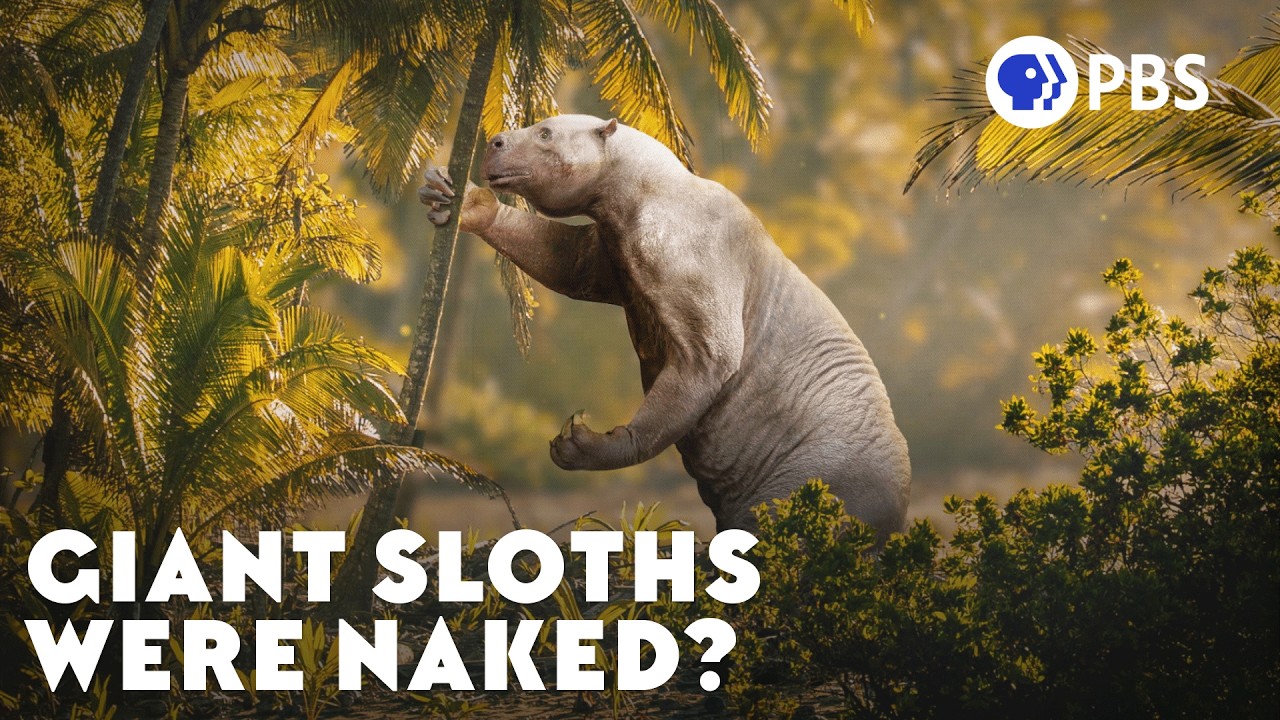
Giant sloths, once familiar to ancient peoples, have left a gap in human knowledge regarding their biology and behavior that remains largely unexplored today.
A bomb disposal unit in Northeastern France removes World War One explosives to protect civilians.
0.00729735256, or approximately 1/137, is the fine structure constant that physicists have long sought to understand due to its fundamental role in quantum physics.
Ivory Coast serves as a geographical starting point in Atlantic Africa, highlighting the intricate relationships among humans and species that foster unity and understanding.
Identifying the sex of dinosaurs has remained a significant challenge for paleontologists, despite advancements in understanding their biology and behavior.
Woolly mammoths, primarily found in fossil records as males, raise questions about their extinction at the end of the last ice age, explored with insights from TierZoo.
Curiosity found rocks in Gale Crater that indicate Mars once had flowing water, suggesting it may have supported life in the past.
Medieval knights trained with weights, including a 60-pound load for pull-ups, to build the strength needed for combat and service to their lords.
Megalodon, the largest shark in history, dominated the oceans for over 10 million years before its extinction 2.6 million years ago, raising questions about its demise.
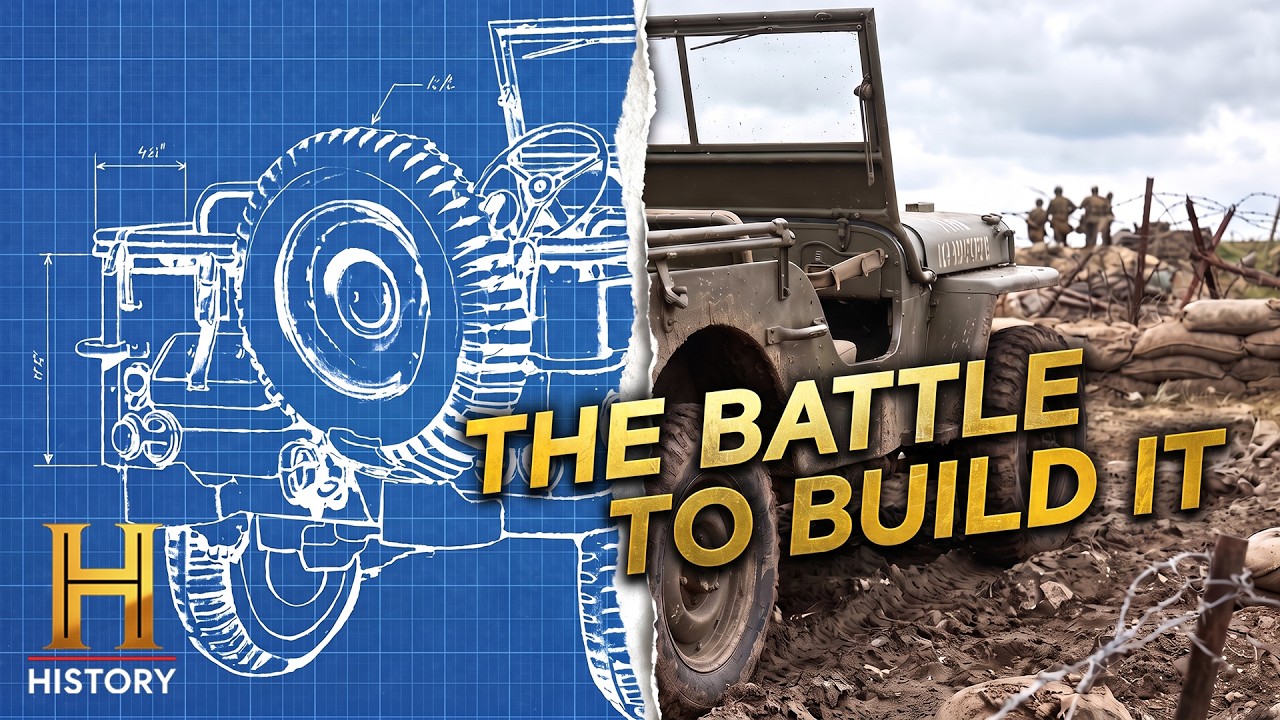
World War II significantly influenced automotive design and production, shaping the modern vehicles seen on roads today.
Fire, a phenomenon unique to Earth, has evolved over billions of years through photosynthesis, influencing and being influenced by life forms.
Spinosaurus, a dinosaur once thought to be semi-aquatic, is re-evaluated by paleontologists as new fossil evidence raises questions about its swimming abilities.
Brianna Noble rides Dapper Dan in Oakland, California, during June's Black Lives Matter protests.
The evolution of the giraffe's neck has sparked extensive debate among biologists, challenging traditional understandings of evolutionary processes.
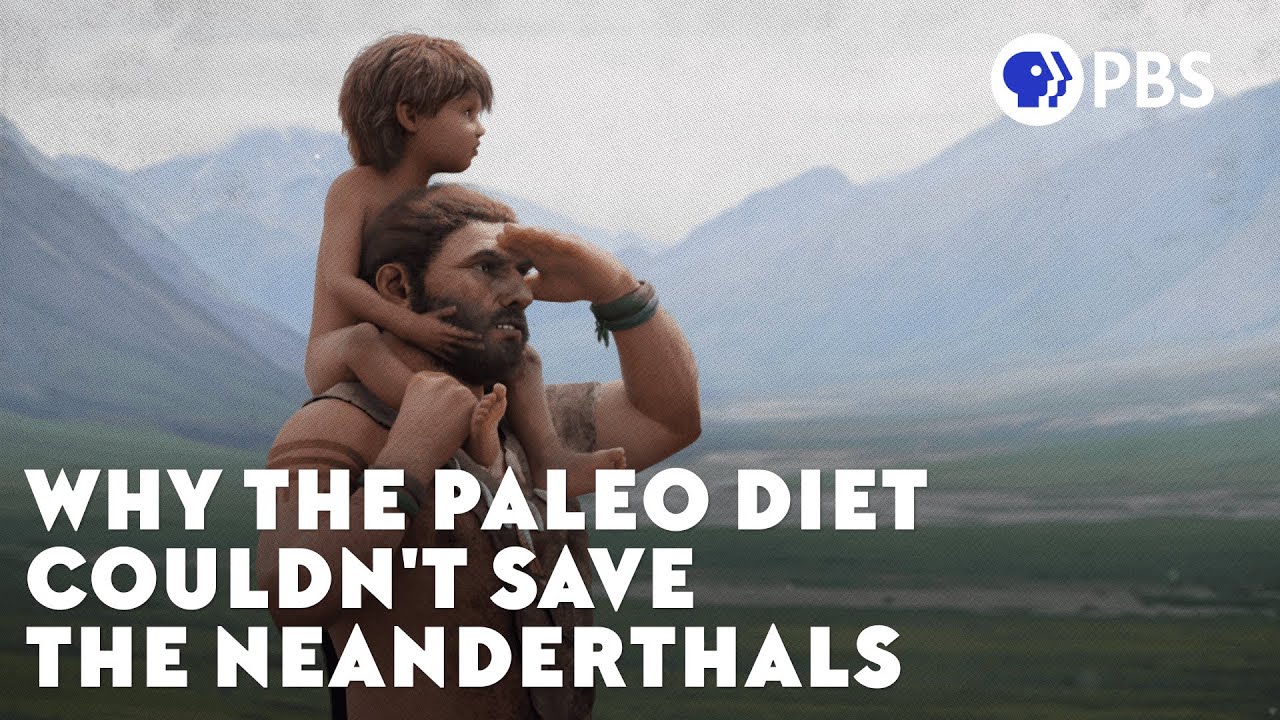
Neanderthals, who thrived in Eurasia for over 300,000 years as skilled toolmakers and hunters, faced decline potentially due to competition with early humans.
The Triassic period featured a diverse array of unique animals, illustrating evolutionary patterns shaped by two significant mass extinctions.
More than 200 people died attempting to escape from East Germany to West Berlin during the 28 years the Berlin Wall stood.
The K-Pg mass extinction event, caused by an asteroid impact, led to the decline of non-avian dinosaurs and raised questions about the subsequent dominance of mammals.
Mammals, birds, and amphibians exhibit a maximum of five digits, with evolutionary insights provided by paleoartists like Julio Lacerda and Fabrizio de Rossi.
Three-quarters of the population in Inuvialuit communities were lost to smallpox after first contact with European explorers in the early 19th century.
Germany's rivers and lakes cover around 82,000 square kilometers, providing habitat for diverse species like gray seals and kingfishers.
A young man from England secures 90 acres of ranch land in Alberta in 1909 but struggles to adapt to the demands of cattle ranching.
On December 29, 1835, the Cherokee Nation signed the Treaty of New Echota, which included a provision for a delegate in the House of Representatives.