From over 100,000 films, discover the handful you'll love.
Free or premium access to the world's largest documentary library.
22463 films(Page 101 of 468)
In 1978, a mafia crew executed the largest airline heist in history at JFK International Airport, later depicted in the film Goodfellas.
Caerwent, historically known as Venta Silurum, reveals insights into Roman urban life through archaeological findings of market shops, villas, and local currency.
In 1944, as Allied forces advance in Europe, Nazi Germany faces a critical moment of defense and the looming prospect of unconditional surrender.
Ancient civilizations communicate through cryptic symbols and artifacts, revealing insights into human history and the mysteries of their cultures.
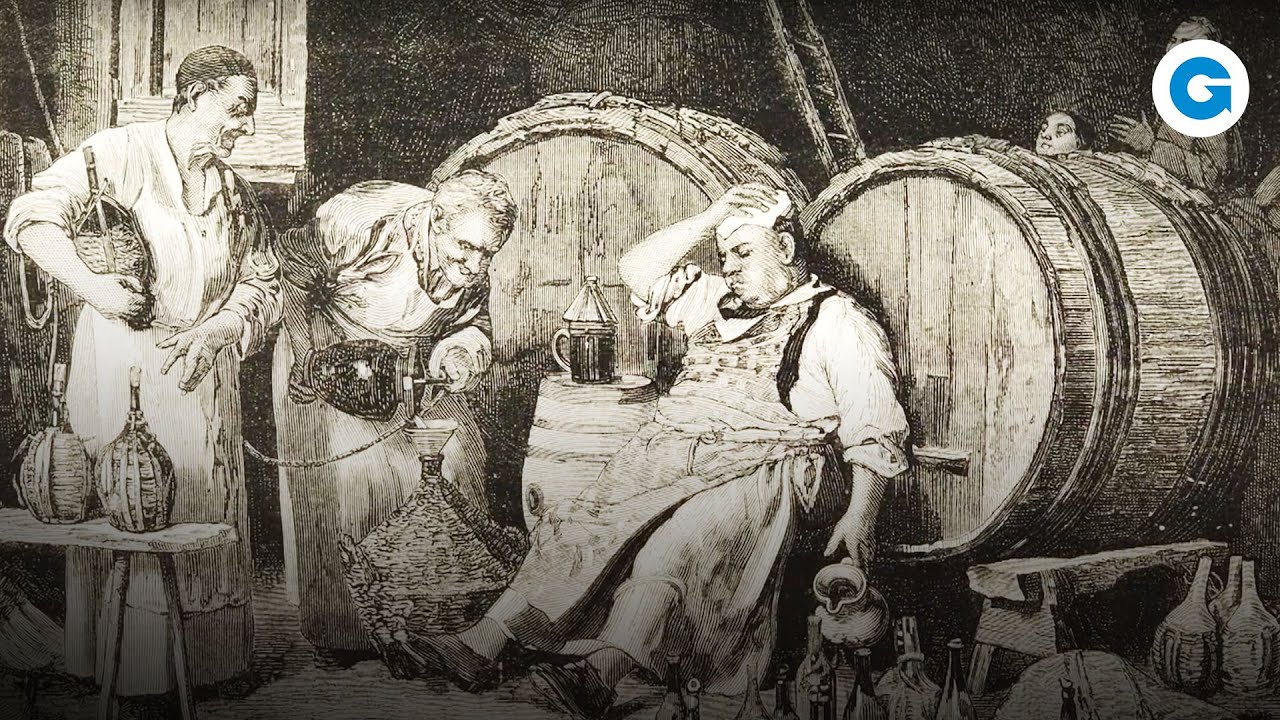
35 billion bottles of wine are produced annually, with record auction prices reaching as high as $230,000 for a single bottle.
Coventry City Football Club won the FA Cup in 1987, marking a high point in its history amid subsequent financial struggles and relegation.
Manchester's water supply faces critical challenges due to dwindling reservoirs, prompting government action and highlighting the efforts of reservoir keepers and engineers.
In Alberta and British Columbia, a new generation of paleontologists is making significant discoveries, including mummified armored dinosaur fossils with bones in original positions.
Nazi ideology, particularly the focus on the Aryan dream, significantly distracted Hitler from essential military strategies during World War II, contributing to the regime's downfall.
828,000 square miles of wilderness were traversed by traders and homesteaders, leading to significant conflicts with Native American tribes.
The aftermath of World War II saw the establishment of war crimes trials, including the Nuremberg Trials, which aimed to prosecute Nazi war criminals and set legal precedents.
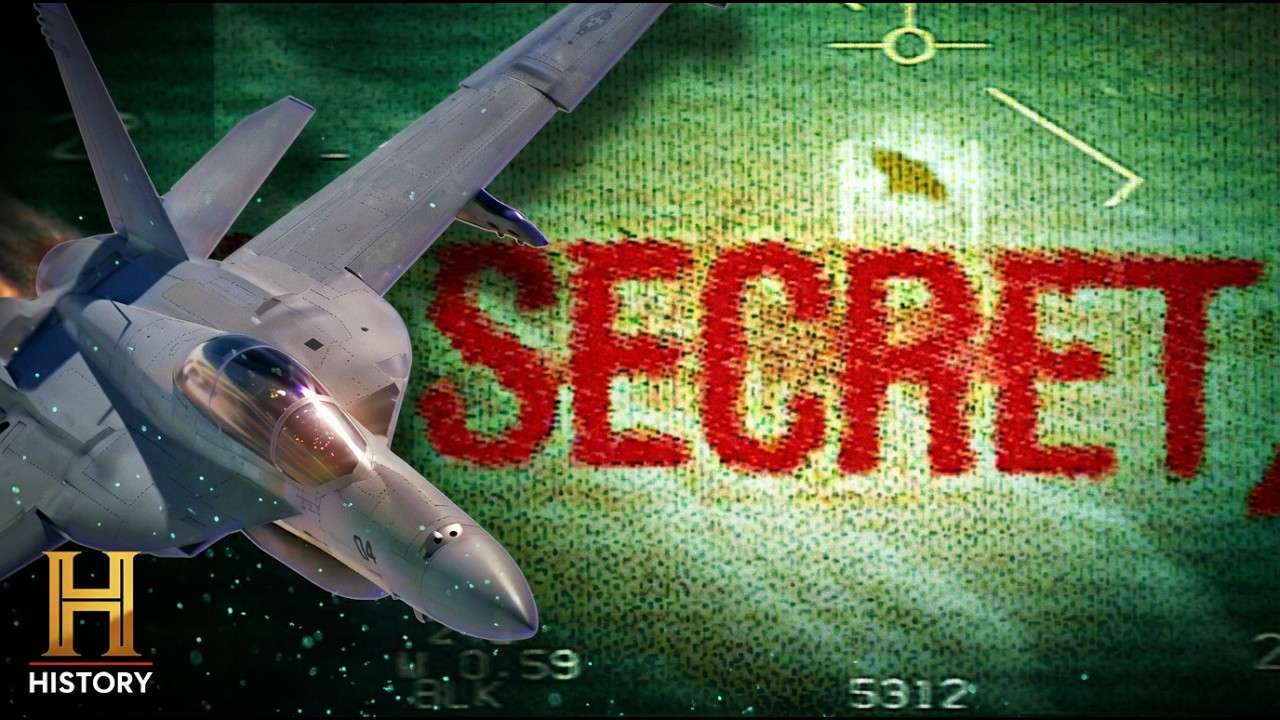
Government secrecy surrounding UFO encounters is examined, highlighting NASA's origins and classified information about unidentified aerial phenomena.
Adolf Eichmann, the architect of the Holocaust, lived incognito in Buenos Aires under the alias Riccardo Klement before being hunted down by Israeli agents in 1960.
In 1997, renowned heart surgeon Dr Victor Chang was murdered in Sydney, prompting a high-profile investigation into his death and its implications for the medical community.
Malaysia Airlines Flight MH370 vanished on March 8, 2014, with 239 people onboard, leaving behind one of aviation's most perplexing mysteries.
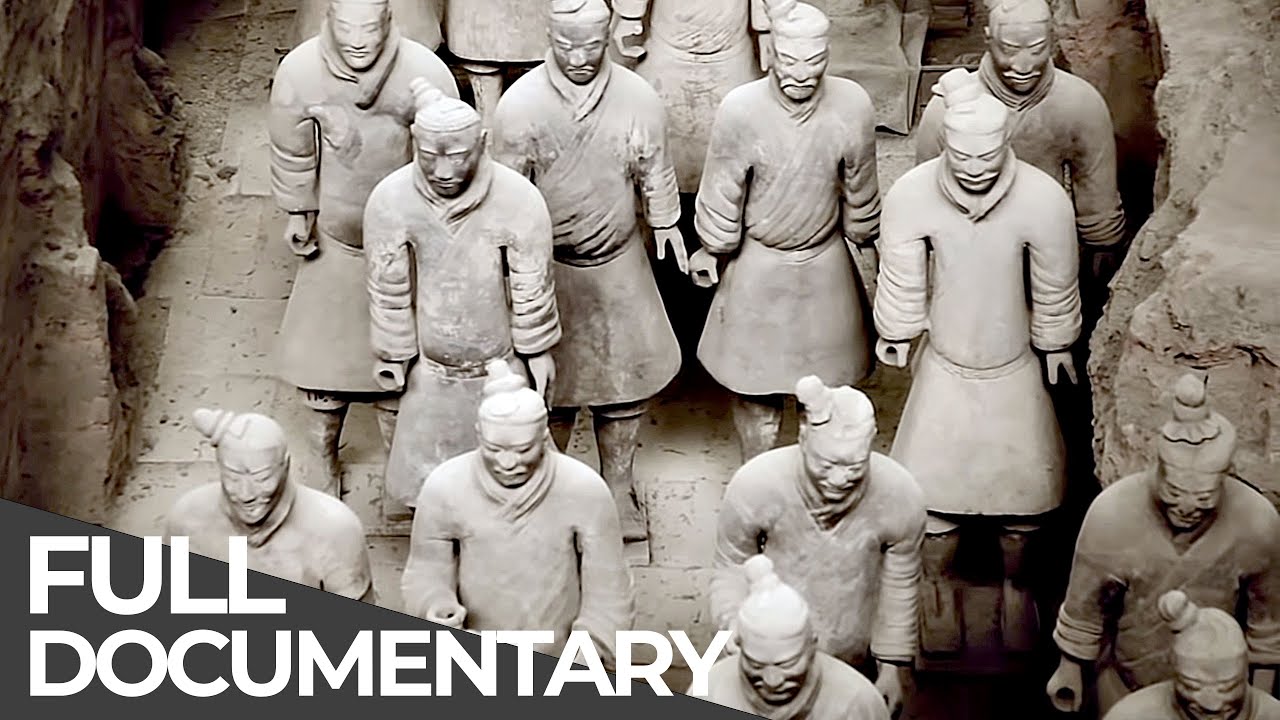
8,000 individual statues make up the Terracotta Army, each differing in facial expressions and armor, yet their construction techniques remain a mystery.
Archival footage from US Army films illustrates the evolving tactics of the Viet Cong and the American military's strategic adaptations during the Vietnam War.
Anthony John Hardy, known as the Camden Ripper, was convicted of three murders in 2003, with police suspecting him of additional killings linked to his gruesome methods.
In 1941, America prepares for war as tensions rise before Pearl Harbor's attack.
John F. Kennedy's presidency features the Cuban Missile Crisis and an inspiring call to service.
A series of unsolved murders and attacks targeting Vietnamese-American journalists between 1981 and 1990 raises questions about domestic terrorism and accountability.
Under the protection of the Hitler-Stalin pact, Adolf Hitler invades Poland, leading to the immediate declaration of war by Great Britain and France.
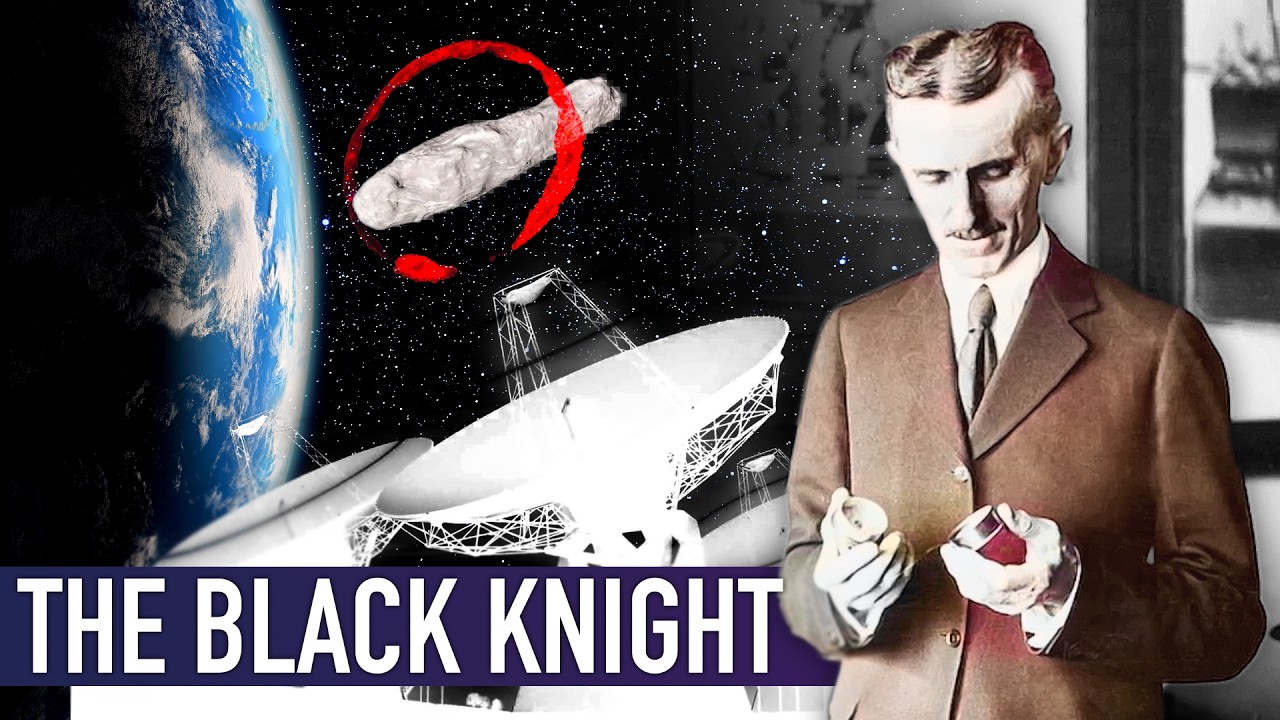
Nikola Tesla's detection of a mysterious signal in 1899 raises questions about the origins of the Black Knight satellite and its connection to modern extraterrestrial discoveries.
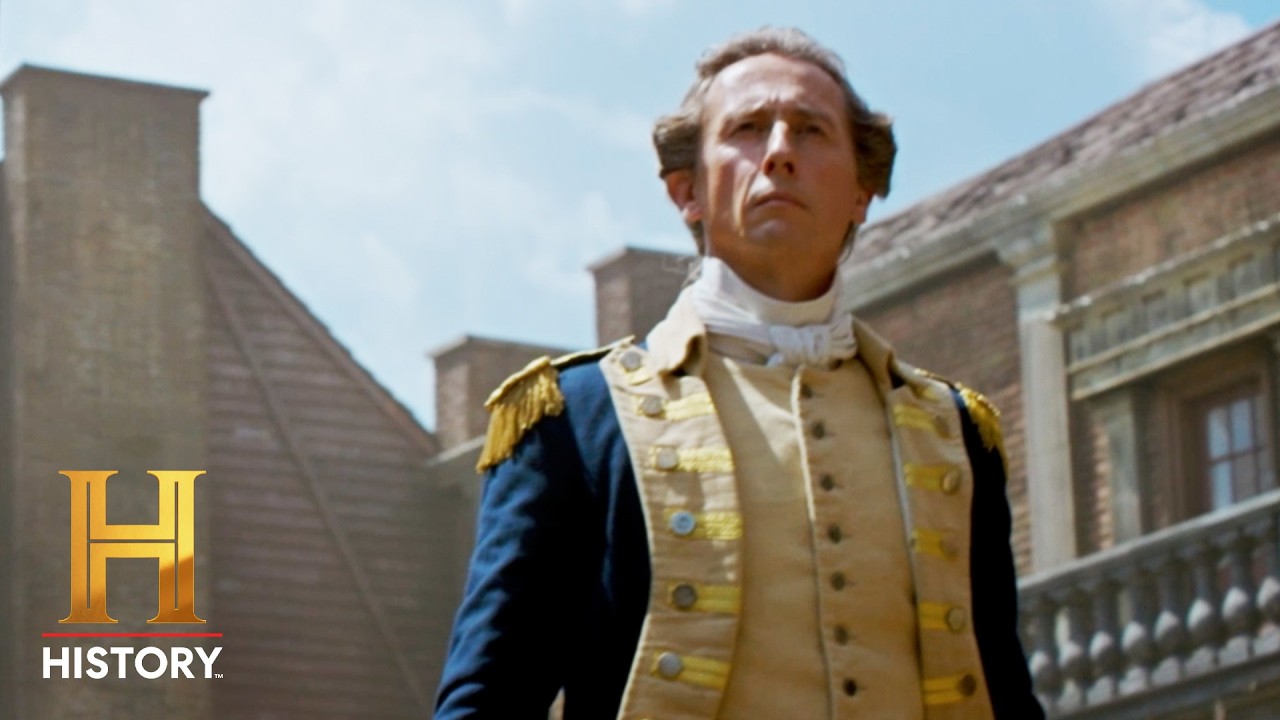
George Washington's transformation from a loyal British subject to the first president of the United States exemplifies enduring leadership principles in American history.
Adolf Hitler's rise to power in post-WWI Germany was marked by the exploitation of national trauma, antisemitism, and propaganda, transforming ordinary citizens into supporters of Nazism.
President Barack Obama’s administration faced complex challenges in navigating the Syrian conflict and combating the rise of ISIS, revealing deep internal debates and strategic dilemmas.
The Dino Trails series highlights Canada's significant dinosaur discoveries and their global impact.
The Treaty of Versailles, the stock market crash, and the rise of dictators contributed to the conditions that led to the outbreak of World War II.
After 100 years, the ideals of the Bauhaus remain relevant, influencing modern design and urban planning in response to issues like climate change and urbanization.
Pol Pot, born Saloth Sâr in 1925, led Cambodia as General Secretary of the Communist Party, overseeing a regime responsible for the deaths of 1.5 to 2 million people during the Cambodian genocide.
Botswana's diverse landscapes, including the Okavango Delta and ancient baobabs, are complemented by the rich cultural heritage of its people, particularly the Bushmen.
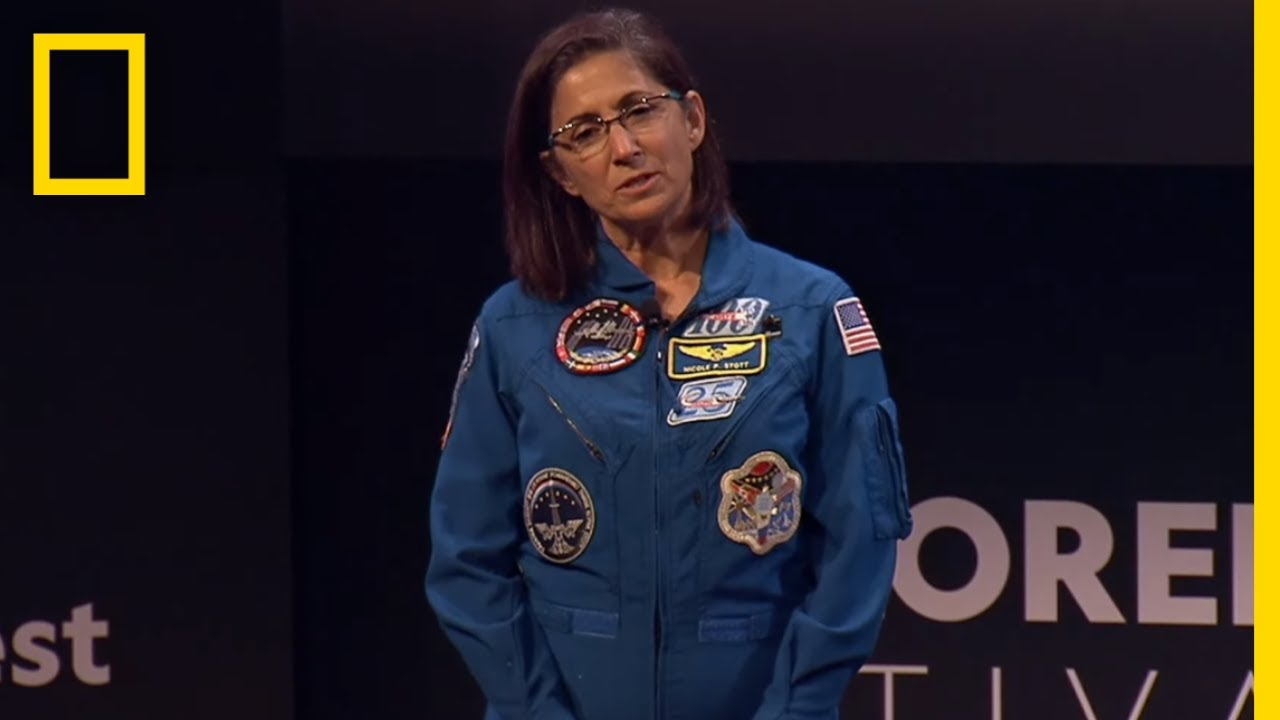
Less than 600 people have traveled to space, and three of them share their experiences and insights at the 2019 Explorers Festival.
Adolf Hitler's rise to power in 1930s Germany was meticulously crafted through controlled public persona strategies that shaped his image and the Nazi party's appeal.
Bureau 39, a clandestine organization in North Korea, employs illicit methods like drug trafficking and counterfeiting to fund Kim Jong-un's nuclear ambitions.
In Anglo-Saxon Britain around 1000 AD, ordinary villagers navigated daily life amidst the cultural and social dynamics of the time.
On December 9, 1965, an acorn-shaped metal object with hieroglyphic writing was reported in Kecksburg, Pennsylvania, raising questions about its origins.
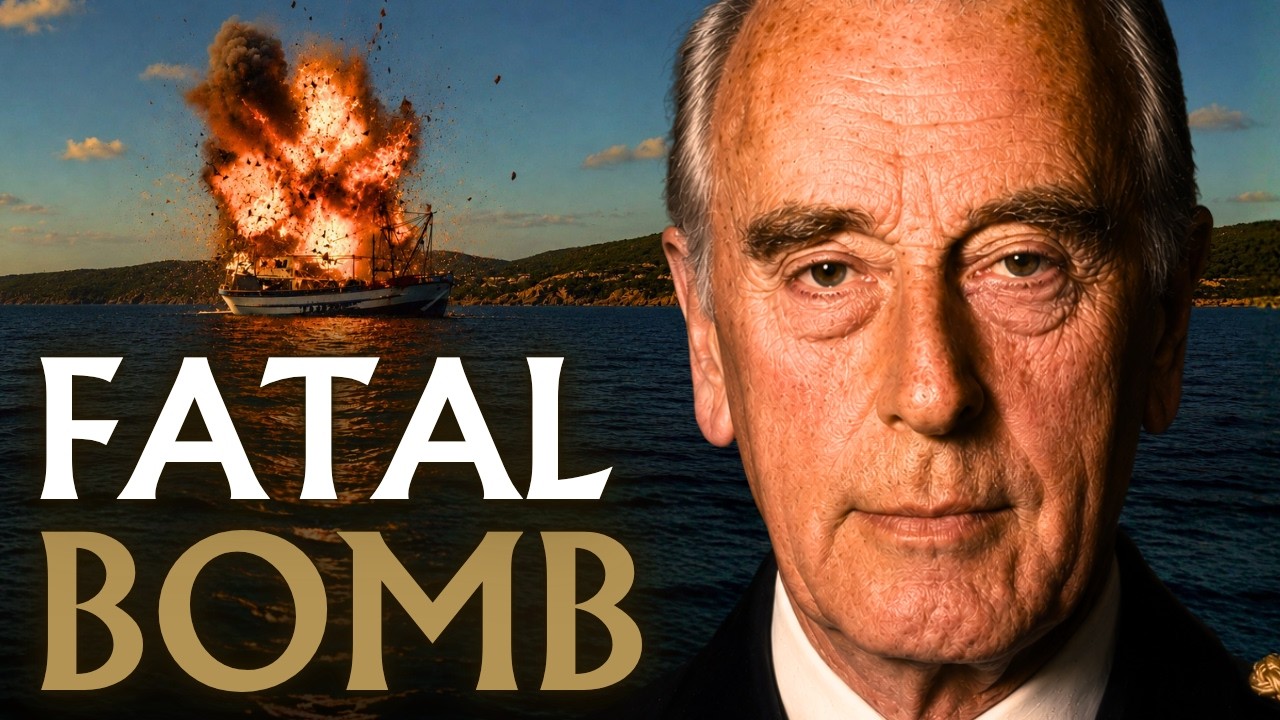
On August 27, 1979, an IRA bomb explosion off the coast of County Sligo kills Lord Mountbatten, a prominent member of the British royal family.
Hurricane Helene devastated Western North Carolina in September 2024, leaving over 100 dead and prompting a resilient community response to rebuild and recover.
Every minute, 150 cars are built, reflecting their deep integration into daily life and the challenges of their environmental impact.
Martin Smith and his girlfriend Mandy reflect on their champagne lifestyle and struggles during the recession of the 1990s, shaped by Thatcher's policies.
In the Mekong River, the Dive Detectives investigate the century-old mystery of the La Grandière gunboat and its missing treasures, including cursed Buddha statues.
Over 600,000 troops would die in the four years of fighting that followed the First Bull Run, a battle that shocked Washington and marked a turning point in the Civil War.
On July 20, 1944, Klaus von Stauffenberg carried a briefcase containing two bombs into Hitler's Wolf's Lair in an attempt to assassinate the dictator.
In AlUla, Saudi Arabia, archaeologists and historians investigate the ancient city of Dadan, exploring its 9th-century BCE heritage and the reasons for its disappearance.
Edward, the fourth child of King Charles III and Queen Camilla, is portrayed as a dedicated and respected member of the British monarchy with significant autonomy.
In 1942, United States Marines engage in intense combat on Guadalcanal to halt the advance of Japanese forces following the attack on Pearl Harbor.
Bruce Lee's legacy as a martial arts pioneer and Hollywood icon is explored through personal anecdotes from friends and family, including Robert Lee and Take Kimura.
Flavius Josephus, a first-century historian, provides insights into the historical context of Jesus Christ, challenging the accuracy of biblical accounts.