From over 100,000 films, discover the handful you'll love.
Free or premium access to the world's largest documentary library.
22463 films(Page 362 of 468)
The USS Silversides evades Japanese depth charges while submerged in the Pacific in 1942.
Attila the Hun's military campaigns against Rome were driven by geopolitical tensions and had significant repercussions for the Roman Empire.
In the 20th century, German migration to Rocket City was driven by economic opportunities and the promise of a new life in the United States.
From the 8th century BC, the Phoenicians in the east were known by that name, while their western relatives were called Carthaginians by the Greeks.
Krogan Man, found in a bog in central Ireland, had well-trimmed nails and a leather armlet, suggesting he held a high social status in ancient society.
More than 70 percent of car sales in Norway are now electric, reflecting a significant shift in the global automotive market.
Gladiatrix Ardala showcases her fighting skills to mixed reactions from prominent Romans.
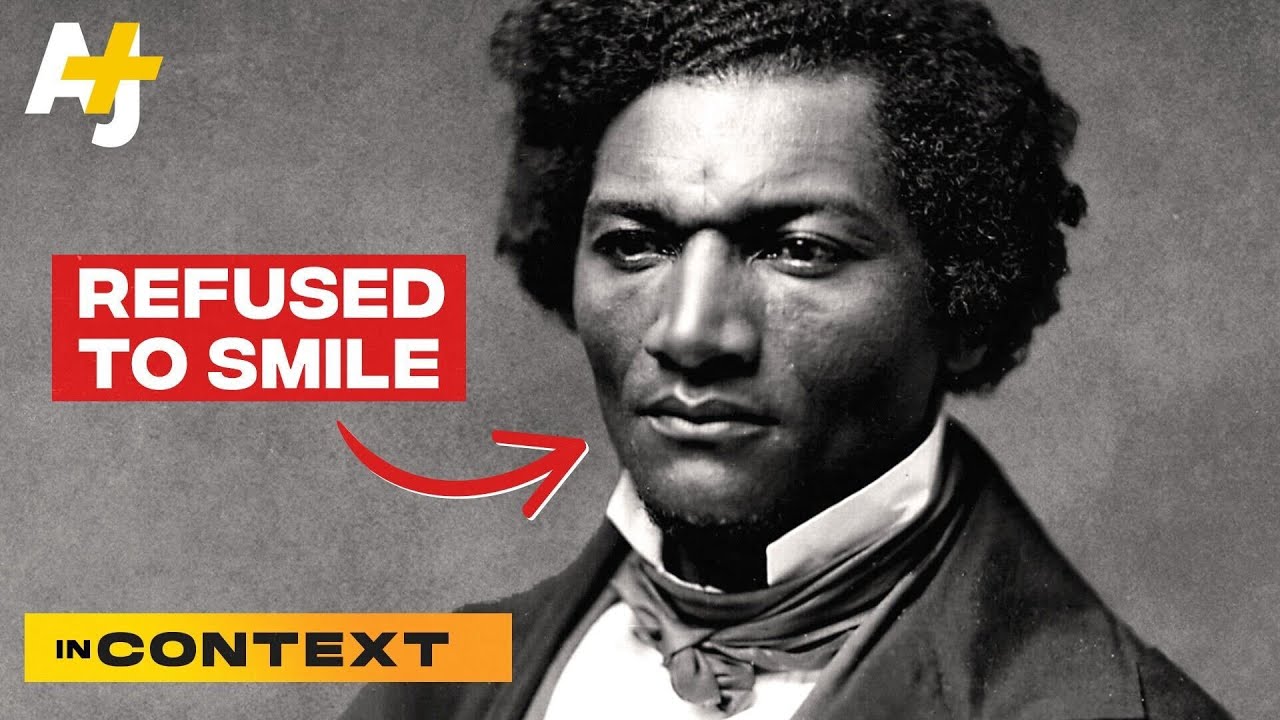
Frederick Douglass, the most photographed American, never smiles in his portraits for a reason.
Genghis Khan's vast military conquests lead to 16 million living descendants today.
William lands in England from Normandy in 1066 and wins the Battle of Hastings.
HMS Queen Elizabeth can launch up to 40 aircraft, but it will never sail alone due to its value and vulnerability in military operations.
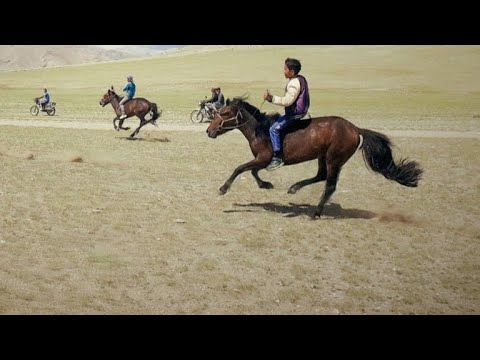
The ancestors of the Scythian nomads first domesticated horses not for riding, but for meat and milk, shaping their way of life for thousands of years.
Public interest in space travel declines after Apollo 11 despite NASA's ambitious agenda.
The origins of the name 'Saudi Arabia' are explored, highlighting its historical significance and the impact of the Saudi royal family's influence on the region.
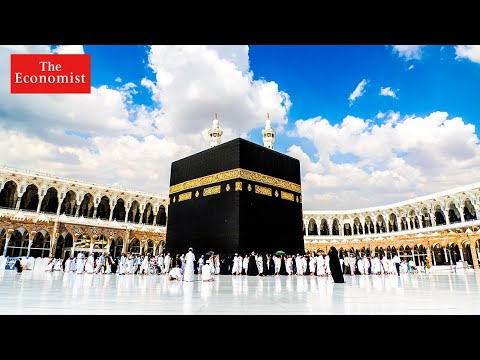
Saudi Arabia invests billions remodeling Mecca to double its capacity for worshippers by 2040.
Around 13% of Ukrainians are ethnically Russian, yet many now see their future aligned with the European Union rather than with Russia.
The Bermuda Triangle, a region in the North Atlantic Ocean, is examined for its history of mysterious disappearances and the theories surrounding them.
Okunoshima, known as 'Rabbit Island' in Japan's Inland Sea, is home to thousands of feral rabbits that have thrived since World War II.
Wisconsin's nickname comes from 19th-century miners from Cornwall who sought lead.
Interest in Jack the Ripper's identity remains high despite the years since his crimes in London.
Jesus gains renown for his apocalyptic miracles within Judaism, signaling end times.
Historical tensions between Cuba and the United States, shaped by events like the Bay of Pigs invasion and the Cuban Missile Crisis, contribute to the perception of the U.S. as an enemy.
Moses parts the Red Sea in one of the Old Testament's greatest escapes from history.
George Washington's 1776 crossing of the Delaware River leads to a better outcome at the Battle of Trenton.
Hemp cultivation began 12,000 years ago in China, providing food, oil, and textiles before facing decades of prohibition and misinformation.
Plague doctor masks, with their bird-like design, were historically believed to ward off evil spirits while reflecting ongoing healthcare profit motives.
Experts question if Pocahontas threw herself to save John Smith in Jamestown's history.
Portland's city workers were allowed rum breaks during Prohibition, reflecting the city's historical ties to alcohol production and trade.
Pyramids were built to attract tomb robbers, serving as advertisements for treasures inside.
Queen Victoria and Prince Albert celebrate Christmas with elaborate white decorations at Windsor Castle.
Juneteenth features red foods symbolizing sacrifice and power in African traditions.
Roman soldiers fear invading Britain due to fierce blue-painted locals in the first millennium.
The Roman Colosseum is a grand spectacle of violence and entertainment in ancient Rome.
Sputnik I's launch in 1957 alarms the U.S. about Russian advancements in the space race.
After the Napoleonic Wars, builders turn to Indian teak due to British Oak shortages.
In March 1836, nearly 200 Texan rebels, including William Travis and Davy Crockett, were besieged by over 1,800 Mexican troops at the Alamo.
Howard Markel discusses the impact of social distancing from historical pandemics on current public health.
St Patrick's Day is celebrated by 149 million people in America alone as a global event.
The USS Wahoo faces an enemy destroyer in a high-stakes submarine battle scenario.
The Spanish Flu likely originated in Kansas, not Spain, despite common misconceptions.
The U.S. military invests millions in the Osprey aircraft for modern combat needs.
The Battle of Okinawa causes severe combat fatigue among U.S. troops, known as the 'Thousand Yard Stare.'
The Battle of the Coral Sea prevents a Japanese invasion of Australia during naval warfare.
Christian armies fought under a sacred flag bearing the cross of St. James as they reclaimed Spain from Muslim control in the 1400s.
The historic Salisbury Plain features Mesolithic Post Holes that reveal ancient human activity.
A pilot uses the F-117 Nighthawk for a precise bombing mission over Iraq in 1991.
Landmark Supreme Court rulings highlight the First Amendment's protection of flag burning, featuring personal stories from key participants in these cases.
The gladius, a short sword measuring 19 to 23 inches and weighing between 2.5 to 3.5 pounds, was the standard weapon for Roman legionaries for over 500 years.