From over 100,000 films, discover the handful you'll love.
Free or premium access to the world's largest documentary library.
22463 films(Page 261 of 468)
Honshu Island's Chubu region showcases the Japanese Alps, ancient crafts, and the cultural significance of cities like Kyoto and Osaka in a blend of tradition and modernity.
Australia's evolution from World War II battlefields to a booming economy and the iconic Sydney Opera House showcases its resilience and innovative spirit.
A portrait of George Washington as a colonel in 1772 is among 213 records related to him found in the National Archives.
Harry Miller, who was just 16 years old when he fought in the Battle of the Bulge, shares his experiences during a program at the National Archives.
A book signing with author Harold Holzer follows a discussion on the life and work of Daniel Chester French, the sculptor of the Lincoln Memorial.
In a remote area of Peru, four communities unite annually to renew the Q'eswachaka Bridge, the last remaining suspension bridge made of vegetal fibers in the Andes.
Athens faces significant challenges, including terrorism and construction delays, as it prepares to host the Olympic Games for the first time since 1896.
The National Archives at St. Louis holds more than 100 million records of former executive branch employees and military personnel dating back to the 19th century.
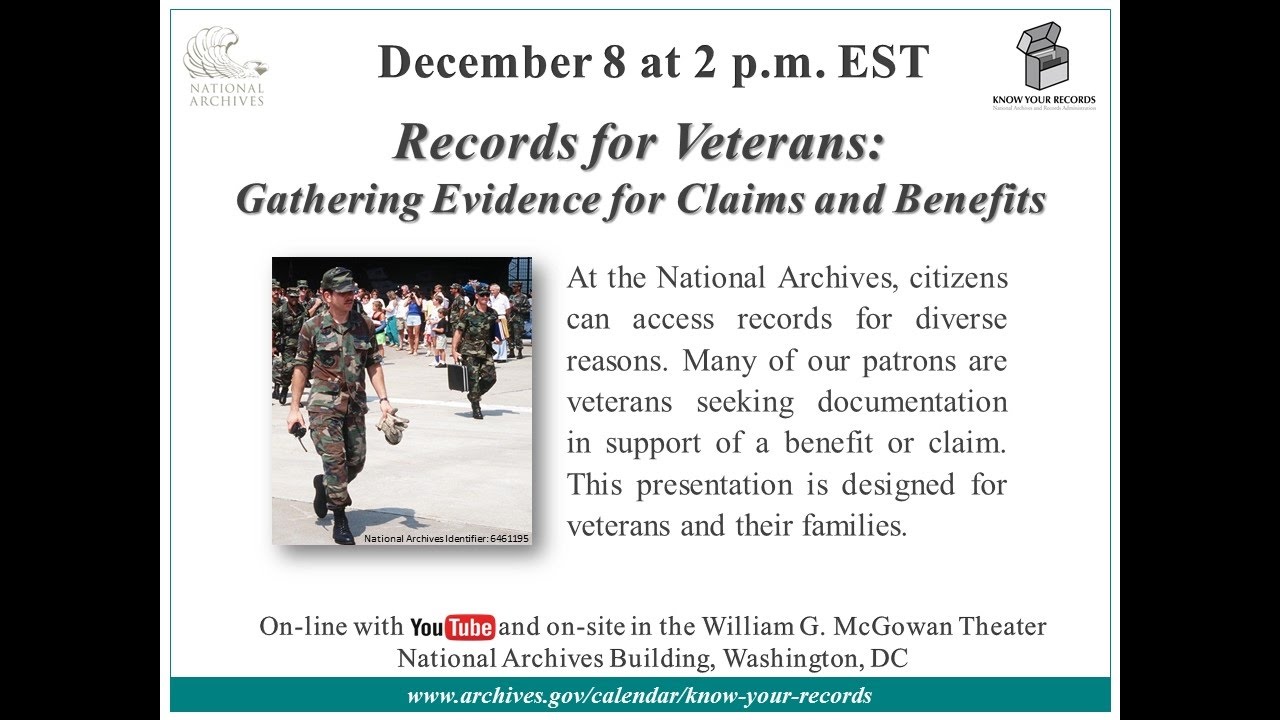
At the National Archives, veterans and their families can access essential documentation to support their claims and benefits through the Know Your Records program.
A man from Dagestan reflects on his life in Giumri, Armenia, where he has lived for over 30 years amid a community of mostly Turkmen residents.
La Belle, a 300-year-old ship lost by explorer René-Robert Cavelier, is the focus of an advanced archaeological dig in Texas's Matagorda Bay.
Nearly 2,000 private vessels captured about 1,800 British ships during the American Revolution, significantly impacting the war's outcome.
Aviation's radar-based air traffic control system faces critical flaws, prompting the FAA to implement satellite-powered NextGen technology for enhanced safety.
In 1774, Thomas Jefferson articulates his views on the Intolerable Act and proposes a course of action for American colonists in a video series by the National Archives.
UFO phenomena in the United States have been shaped by government investigations and cover-ups since 1947, including a secret $20 million research program.
Conflicts between traditional distribution methods and digital piracy are examined through interviews and commentary on copyright and artistic freedom in 2007.
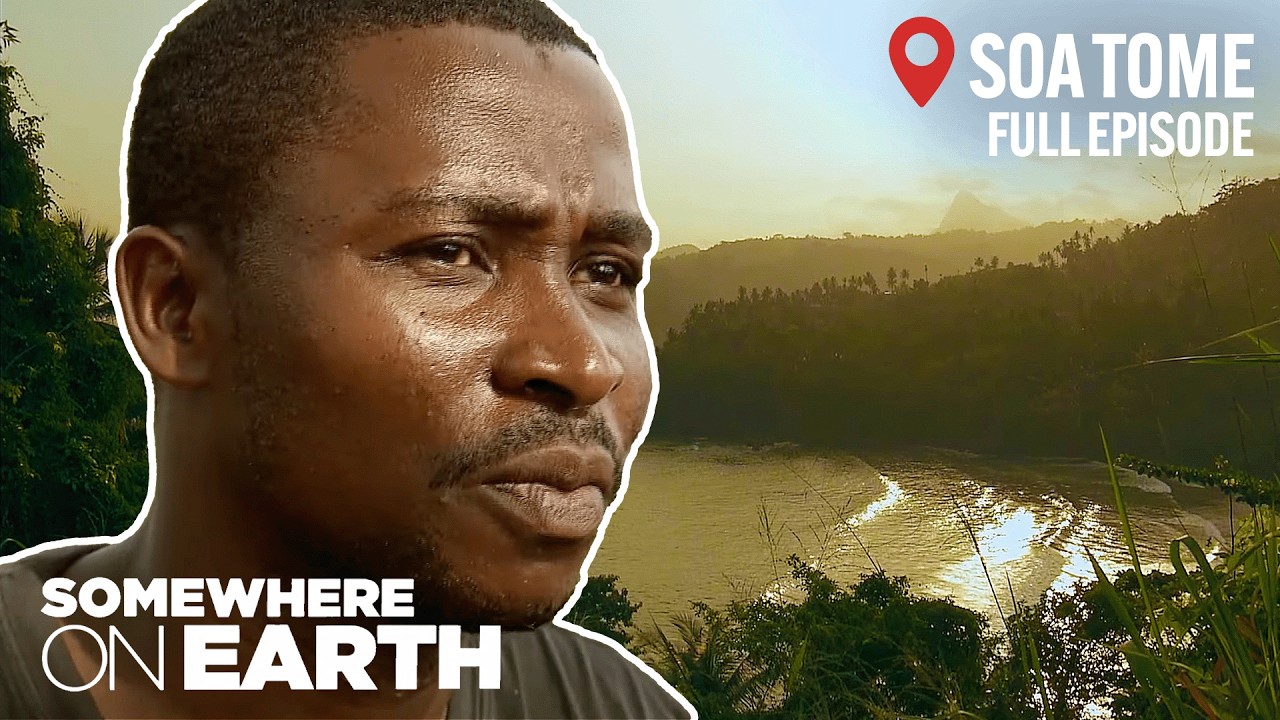
Sao Tome and Principe, an isolated volcanic archipelago, showcases its rich biodiversity through the lives of its inhabitants dedicated to environmental protection, cocoa farming, and medicinal plant research.
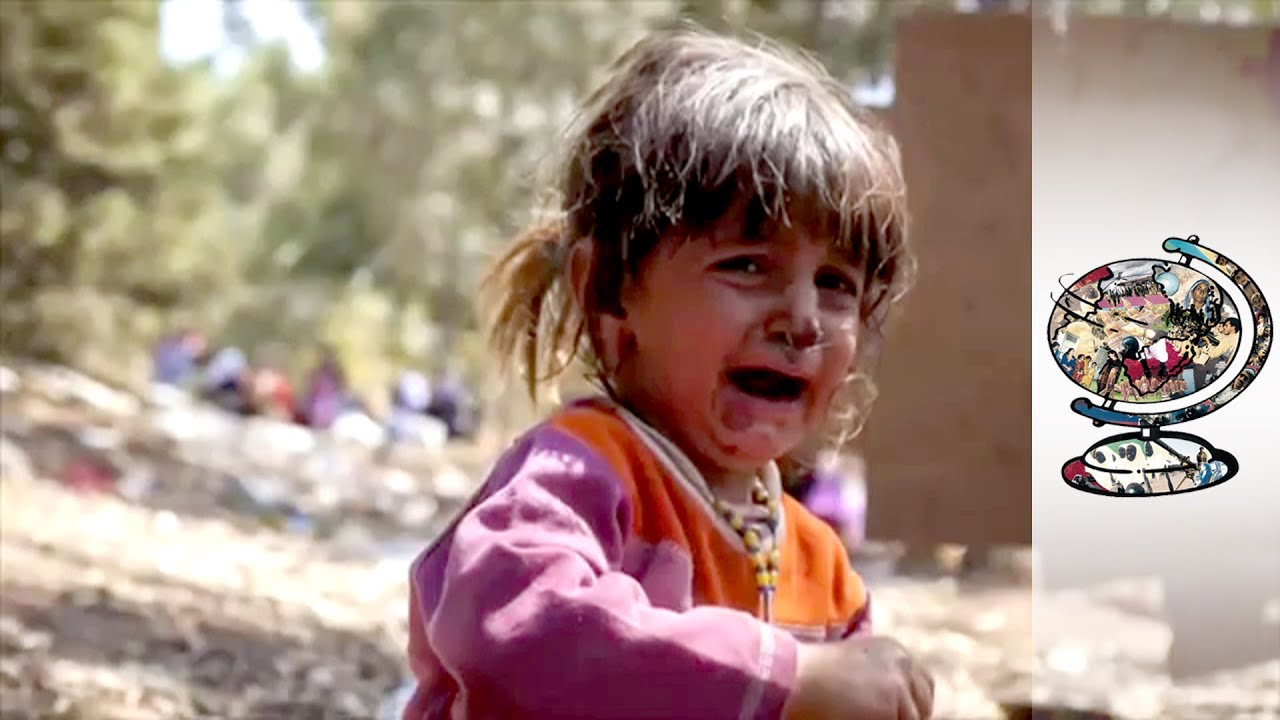
Victims of the Islamic State face a devastating humanitarian crisis in Iraq, as families are torn apart and thousands flee in search of safety and aid.
Homer G. Phillips Hospital, the largest hospital for African American patients in the world, opened during a time of significant racial segregation in St. Louis.
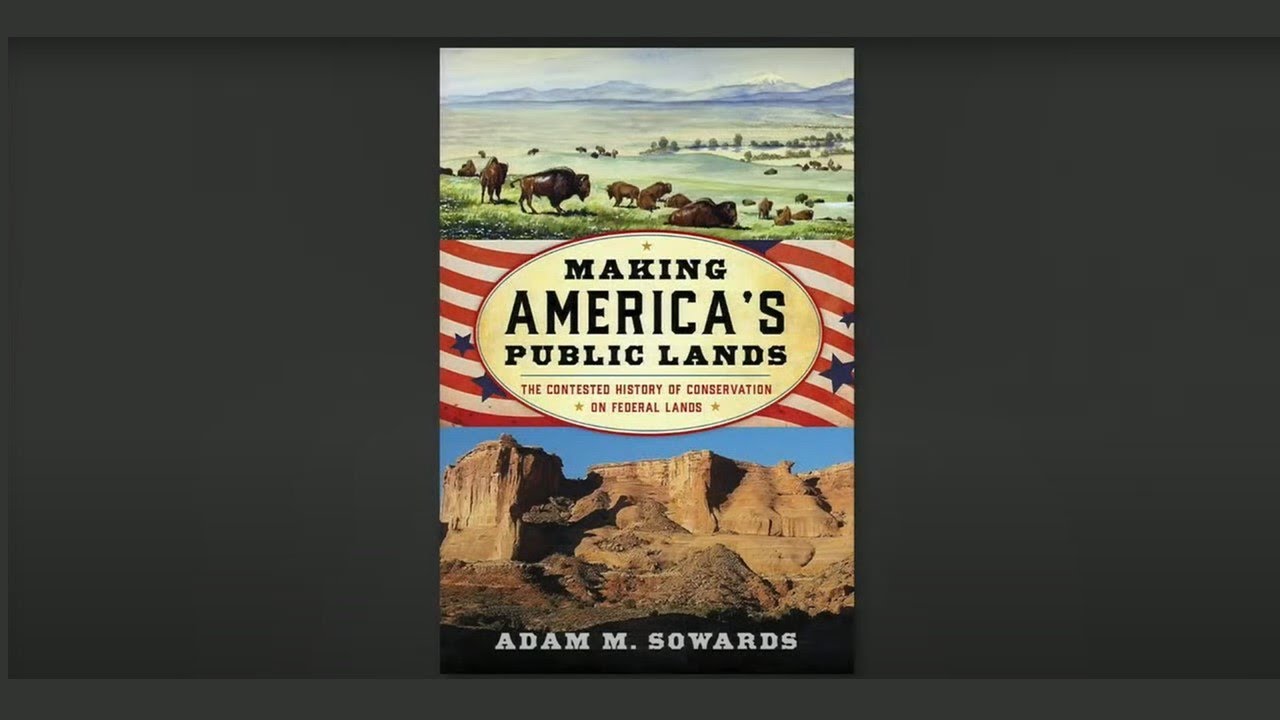
Over 640 million acres of federal land in the United States are managed by four key agencies, shaping the economy and national identity.
In 1314, an estimated 8,000 Scots faced an English army of at least 12,000 men at the Battle of Bannockburn, a key conflict in Scotland's fight for independence.
Phosphate miners in Tunisia continue to face dire working conditions and high unemployment, revealing the unfulfilled promises of the Arab Spring.
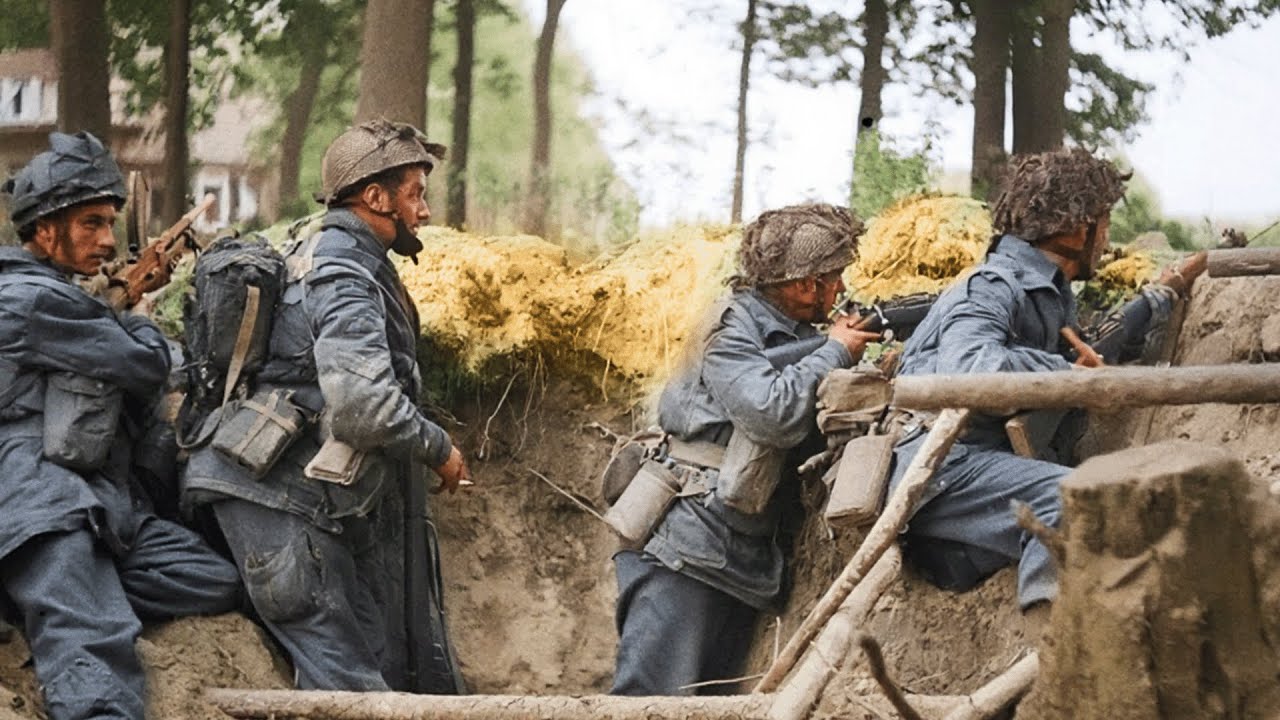
Operation Market Garden aimed to split German forces during World War II, highlighting the strategic clashes between commanders Montgomery and Eisenhower.
Satoshi Nakamoto, the enigmatic creator of Bitcoin, remains unidentified as journalist Gabriel Gatehouse investigates the origins and philosophies behind the cryptocurrency.
In 1996, a serial bomber terrorized Prince Edward Island by planting explosives in public spaces, leaving a swastika as a calling card for eight years.
In the summer of 1919, the Allies signed the Versailles Treaty, a document that Germany viewed as disastrous and which fueled extremist sentiments.
Reform in Iran is propelled by the youth engaging in illegal activities, challenging the older generation's extreme Islamic sentiments following the 1997 elections.
Mark Will-Weber discusses how the shift from alcohol taxes to income taxes influenced the prohibition movement and its impact on American society.
Lyell Glacier in Yosemite National Park is featured in silent footage from school field trips and glacier surveys conducted between 1941 and 1949.
Neuschwanstein Castle, commissioned by Ludwig II of Bavaria, showcases innovative engineering and romantic architecture inspired by medieval legends and Richard Wagner's operas.
The 54th and 55th Massachusetts Infantry and the 5th Cavalry were among the first black regiments formed during the Civil War, despite widespread opposition.
On March 12, 1947, President Harry S. Truman delivered a speech to Congress that established the U.S. policy to help free nations resist subjugation.
Craig Potton explores the River Clarence in New Zealand, emphasizing the cultural significance and historical ties of the local Māori communities to the landscape.
Eleanor Roosevelt's contributions to human rights and women's rights in the mid-20th century are examined by historian Allida Black and biographer David Michaelis.
Historic locations across the UK, including royal palaces and ancient estates, reveal hidden rooms and artifacts through the expertise of archaeologists and historians.
Prince Harry and Meghan Markle's romance sparked a cultural shift within the British monarchy, challenging longstanding traditions and leading to their departure from royal duties.
Cody White, an archivist with the National Archives, discusses the 1950 P8 Indian Reservation Schedule, which aimed to collect demographic data from Native American reservations.
In February 1945, a cargo of car wheels from Hannibal, Missouri, was loaded onto a ship in San Francisco to support U.S. military efforts in the Pacific.
The transformation of the US Army Air Forces from 1937 to 1942 is examined, highlighting cadet training, industrial efforts, and early Pacific battles.
In 1918, the Spanish Flu pandemic emerged during World War I, leading to over 50 million deaths globally from a mutated bird flu virus.
Grassroots efforts by working-class women significantly influenced the U.S. suffrage movement, as discussed by historians Page Harrington, Cathleen Cahill, and Alison Parker.
Queen Elizabeth I's spy, Christopher Marlowe, is examined through modern forensics and criminal psychology to reveal the circumstances of his death.
Mi'kmaq fishermen in Burnt Church, New Brunswick, faced federal opposition in 2000 for exercising legally affirmed fishing rights, highlighting deep-rooted conflicts.
Lyndon Baines Johnson faced significant challenges in 1968, including the Vietnam War, the assassinations of Martin Luther King, Jr. and Robert Kennedy, and the chaotic Democratic National Convention in Chicago.
BP's 2010 oil spill in the Gulf of Mexico resulted in devastating environmental, economic, and health impacts on local communities, raising questions about corporate accountability.
American feminists, including Betty Friedan and Kate Millett, reflect on the movement's historical context and ongoing relevance through interviews and archival footage.
Mountaintop mining in Appalachia faces intense scrutiny due to its environmental impact, pitting local miners against ecologists and new regulations.
In Pompeii, Matera, Cremona, and Venice, restoration efforts highlight Italy's commitment to preserving its ancient architectural heritage against the ravages of time.