From over 100,000 films, discover the handful you'll love.
Free or premium access to the world's largest documentary library.
22463 films(Page 168 of 468)
2.5 million visitors annually come to see the Taj Mahal, a UNESCO World Heritage site built by Emperor Shah Jahan in memory of his wife, Mumtaz Mahal.
The Battle of Kursk, a pivotal confrontation on the Eastern Front during World War II, exemplifies the brutal realities of "Total War" and its devastating human cost.
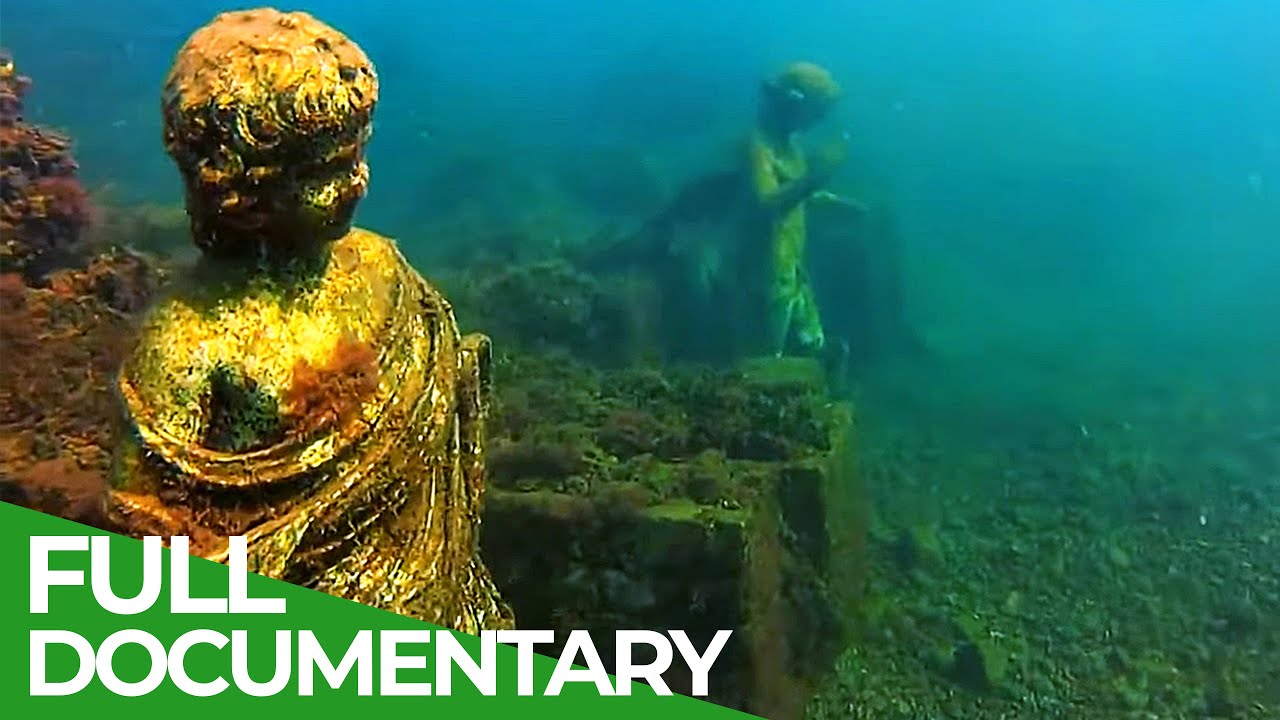
Underwater archaeology reveals that 3 million shipwrecks, including 3,500 with valuable cargoes, raise questions about the rights to recover sunken treasure in the world's oceans.
Biblical texts and ancient lore describe winged beings that may represent either divine messengers or extraterrestrial visitors, raising questions about their origins.
Mukanda ceremony in Zambia marks the transition of young boys into manhood, highlighting the cultural significance and challenges faced by the Luvalé tribe.
A group of urban explorers climbs a towering, abandoned Soviet-era radio telescope in Armenia, uncovering its historical remnants and significance.
Robert King, Herman Wallace, and Albert Woodfox, three former Black Panthers, endured decades of solitary confinement while advocating for prisoners' rights.
The Commonwealth, established in 1931, evolved from the British Empire into a coalition of 56 nations, symbolizing unity and shared values.
The final battles of World War II, including the Battle of Stalingrad and the Battle of Berlin, marked the decisive defeats that led to the collapse of Nazi Germany.
Queen Elizabeth II, the longest-reigning British monarch, observed the leadership of 14 U.S. Presidents during her 70-year reign from 1952 to 2022.
The siege of Leningrad lasted for 900 days, resulting in the deaths of over 1.5 million civilians from starvation and bombardments.
Christopher Columbus is linked to the Oak Island mystery as researchers suggest his possible role in the origins of the treasure buried off Nova Scotia.
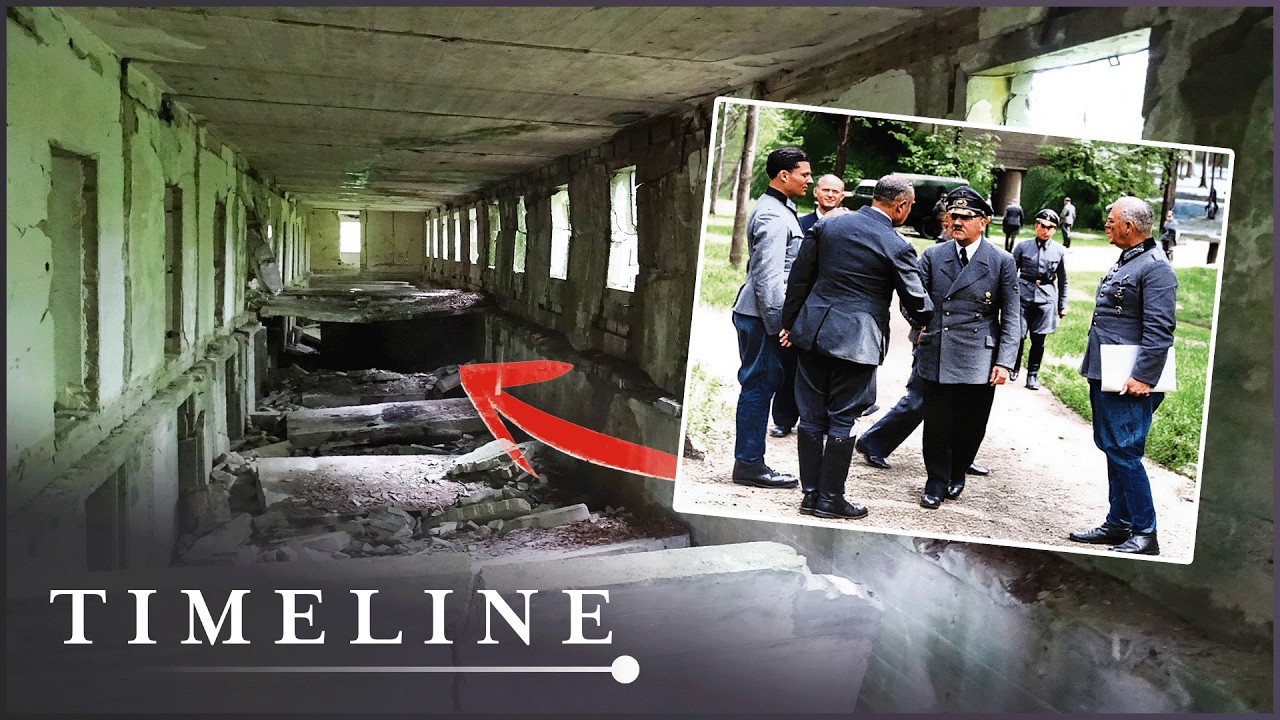
Hitler's Wolf's Lair served as a military headquarters during World War II, where key decisions regarding the invasion of the Soviet Union and the Holocaust were made.
The Mississippi River, renowned for its cultural significance and biodiversity, is explored from its Gulf Coast mouth to its northern source, highlighting its wildlife and historical encounters.
John Kerry and the Vietnam Veterans Against the War (VVAW) highlight the disillusionment of soldiers and the anti-war protests that emerged in the wake of the Vietnam War.
In ten coastal areas of Italy, local enthusiasts, farmers, and archaeologists share their deep connections to nature and tradition, showcasing the region's rich biodiversity and cultural heritage.
In 1933 Berlin, foreign diplomats documented the rise of Hitler and the Nazi regime's persecution of Jews, but their warnings were largely ignored.
MS-13, a gang rooted in Los Angeles and fueled by historical U.S. interventions, drives a violent exodus from Honduras amid escalating border crises.
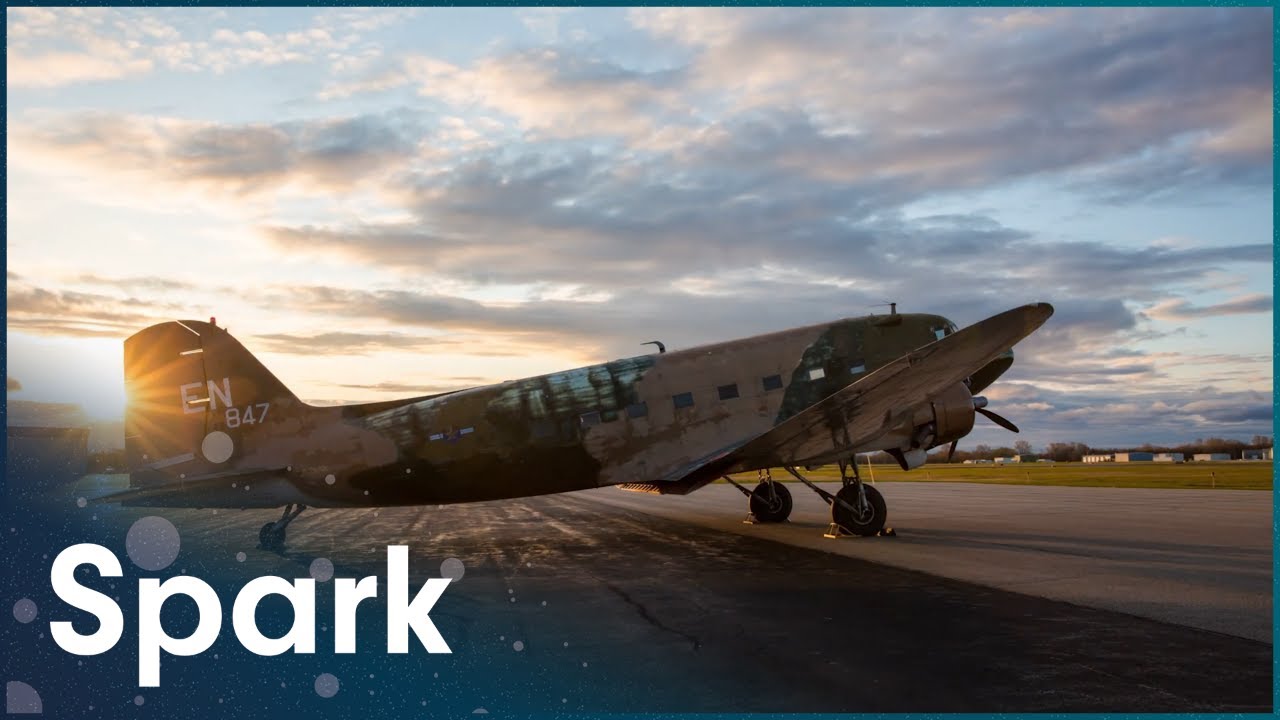
Over 10,000 C-47 aircraft were built between 1943 and 1945, with one, nicknamed That’s All, Brother, leading the D-Day invasion in June 1944.
In 1943, the Allied invasion of Italy began with the British Eighth Army's landing at Reggio Calabria, facing fierce resistance from Field Marshal Kesselring.
A child killer's death sentence commutation in early 1900s Paris ignited public outrage and delayed the abolition of capital punishment in France for decades.
In 1995, a significant leak within the Central Intelligence Agency prompts an intense investigation in Washington, D.C., to identify the mole responsible for the betrayal.
Cutting-edge military technology, including main battle tanks, fighter jets, and warships, is examined alongside the history and strategies that shaped modern warfare.
Beneath the Great Smoky Mountains, reports of strange lights, mechanical sounds, and unexplained aircraft disappearances suggest the existence of a hidden subterranean base.
Kristallnacht in 1938 marked a turning point in Nazi antisemitism, leading to widespread expropriation of Jewish property and the rise of auctioneers profiting from the Holocaust.
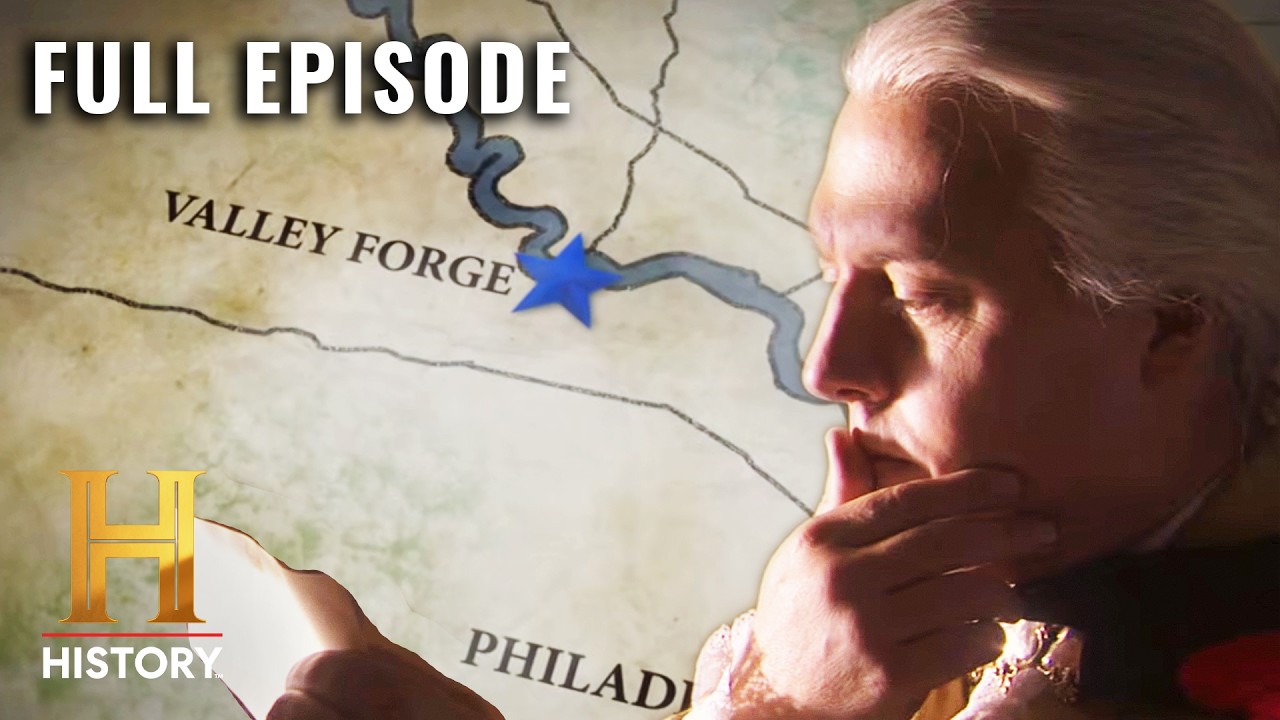
George Washington faces increasing scrutiny from Congress as his military losses mount during the early struggles of the Continental Army.
D-Day, the Blitzkrieg in France, the Battle of Britain, and the Battle of Austerlitz are pivotal conflicts that shaped Europe's military history.
The first ascent of Everest without supplemental oxygen by Reinhold Messner and Peter Habeler in 1978 marked a monumental achievement in mountaineering history!
Battleships, submarines, and aircraft carriers, including the USS Enterprise and Bismarck, illustrate humanity's quest for naval dominance throughout history.
On September 6, 2022, a giant scaffolding tower reaching 100 meters in height was erected to begin the reconstruction of Notre-Dame de Paris.
X-rays, once a mysterious discovery, have evolved from a medical curiosity to a powerful tool for treating illnesses and exploring ancient civilizations and the cosmos.
As Allied forces closed in on Berlin during World War II, they revealed the extent of Nazi atrocities and raised questions about global complicity.
By Christmas 1944, 300,000 prisoners of war faced harsh conditions in German camps, including Stalag 8B, as they awaited an uncertain fate.
Hitler's Nazi forces mobilize as Britain prepares for imminent war in this historical documentary.
Glaciers across the Andes, Himalayas, and Alps are rapidly disappearing due to rising global temperatures, resulting in the loss of 500 million tons of ice.
Hieroglyphs found in the tombs of Saqqara reveal Ancient Egyptian religious beliefs and rituals aimed at granting immortality to the deceased.
Nuclear fusion represents humanity's quest to create a self-sustaining artificial star on Earth, as explored by physicist Brian Cox through historical and modern scientific advancements.
Dennis Potter reflects on the evolving culture and traditions of the Forest of Dean, grappling with the impact of modernity on his childhood home and relationships.
The British debuted a mobile weapon in 1916 to end the long bloody stalemate on the Western Front.
Ancient legends like King Arthur, Odysseus, and Sigurd are analyzed for their cultural significance regarding community values and attitudes toward death.
Genghis Khan's transformation from Temujin, an illiterate outcast, to the ruler of the largest contiguous empire is explored through historical sources and military strategies.
An estimated 10,000 people had their limbs amputated during Sierra Leone's civil war, where child soldiers like Sherieff Koroma were forced to commit atrocities.
In the early years of the United States, political participation evolved from a civic duty to a profession, influencing presidents like Martin Van Buren and Abraham Lincoln.
Travis Walton claims alien abduction in 1975, witnessed by several people.
During World War II, London faced not only the Blitz but also the terror of a serial killer known as the Blackout Ripper, who preyed on vulnerable victims.
America's frontier was home to notorious serial killers like Henry Plummer, Jim "Killer" Miller, and the Bloody Benders, revealing a dark side of the Wild West.
Persian King Cambyses led an army into the desert 2,500 years ago, and their disappearance remained a mystery until evidence was found in 1996.
In Kyoto, traditional machiya houses exemplify Japan's architectural heritage with their wooden structures, tatami floors, and inner gardens that reflect a harmonious lifestyle.