From over 100,000 films, discover the handful you'll love.
Free or premium access to the world's largest documentary library.
22463 films(Page 181 of 468)
In northern Mongolia, the Tsaatan, a nomadic tribe of reindeer breeders, face the challenge of preserving their traditions amid modern educational demands.
Steve Wraith shares his experiences managing the criminal operations of Ronnie and Reggie Kray while they were incarcerated in the 1960s.
Forensic geologist Scott Wolter investigates the legend of the Menehune in Hawaii, examining evidence that suggests these ancient builders may have existed.
Four U.S. presidents-Thomas Jefferson, Calvin Coolidge, Herbert Hoover, and Ronald Reagan-are examined for their distinct interpretations of American national identity and mission.
Sultan Mehmed II's siege of Constantinople in 1453 marks the fall of the Byzantine Empire, as Emperor Constantine XI defends the city against overwhelming odds.
Tutankhamun's tomb is reconstructed using 2D and 3D imagery to explore its significance in shaping Egyptian history and the Valley of the Kings.
A team of researchers, including Americans Dave Horner and Paul Perry, questions the widely accepted narrative of Christopher Columbus's origins.
More than 6,300 workers died during the construction of the Panama Canal, which opened in 1914 and transformed global maritime trade.
In Punta Gorda, Florida, a serial killer targeted transient men between 1994 and 1996, leaving five mutilated bodies and a cold case that reignited with a human head discovery.
Hermann Göring's transformation from a World War I fighter ace to a key architect of the Holocaust and head of the Gestapo illustrates the corrupting influence of power.
The Rwandan genocide of 1994, resulting in the deaths of a million Tutsis, is examined through its historical roots and the geopolitical indifference that enabled it.
Billions of cans roll off production lines each year, providing a lightweight and durable solution for food preservation and storage.
The Bang Bang Club's photographers risked their lives to document the violent end of apartheid in South Africa, facing both acclaim and deep psychological scars.
Ancient warfare is examined through the lens of legendary fighters, weapons, and battle tactics, highlighting the evolution of warriors across civilizations.
Ukraine's resistance during the early months of Russia's invasion highlights unexpected victories, the human toll of conflict, and the struggle for national identity.
Nazi concentration and extermination camps evolved from Dachau's establishment in 1933 to Auschwitz-Birkenau's mass murder operations, revealing a systematic killing machine.
Pterodactyl sightings, alleged living dinosaurs, and mysterious human-dino tracks are examined alongside strange carcasses in a compilation of intriguing evidence.
Winston Churchill, Nikita Khrushchev, George S. Patton, and Anwar Sadat employed military deception tactics that significantly influenced key 20th-century conflicts.
Two Rembrandt paintings and ten other works were stolen in the largest art heist in history, valued at $500 million.
Zabno, a small Polish town, was once a refuge for Jewish families, but WWII transformed it into a site of unimaginable suffering and loss.
Air Base 125 Istres in France, spanning 2,500 hectares, serves as a critical hub for military operations and nuclear deterrence, featuring Europe’s longest runway.
Forensic geologist Scott Wolter investigates claims of ancient Polynesian contact with California and the existence of a lost Egyptian city in the Grand Canyon.
Germany's secret UFO projects during the dictatorship years are examined through expert interviews and investigations into suppressed historical events.
Fascist regimes utilized football as a key propaganda tool, exerting control over the sport to promote their ideologies and strengthen their influence.
Schönbrunn Palace, Melk Abbey, and Bratislava Castle exemplify how 18th-century Habsburg architecture projected imperial authority and reflected Enlightenment reforms.
On April 28, 1965, U.S. Marines were deployed to the Dominican Republic within 20 minutes of a call for help amid escalating violence.
Cricket's rich history in Canada, shaped by British roots and South Asian and Caribbean immigration, challenges the nation's traditional sports identity.
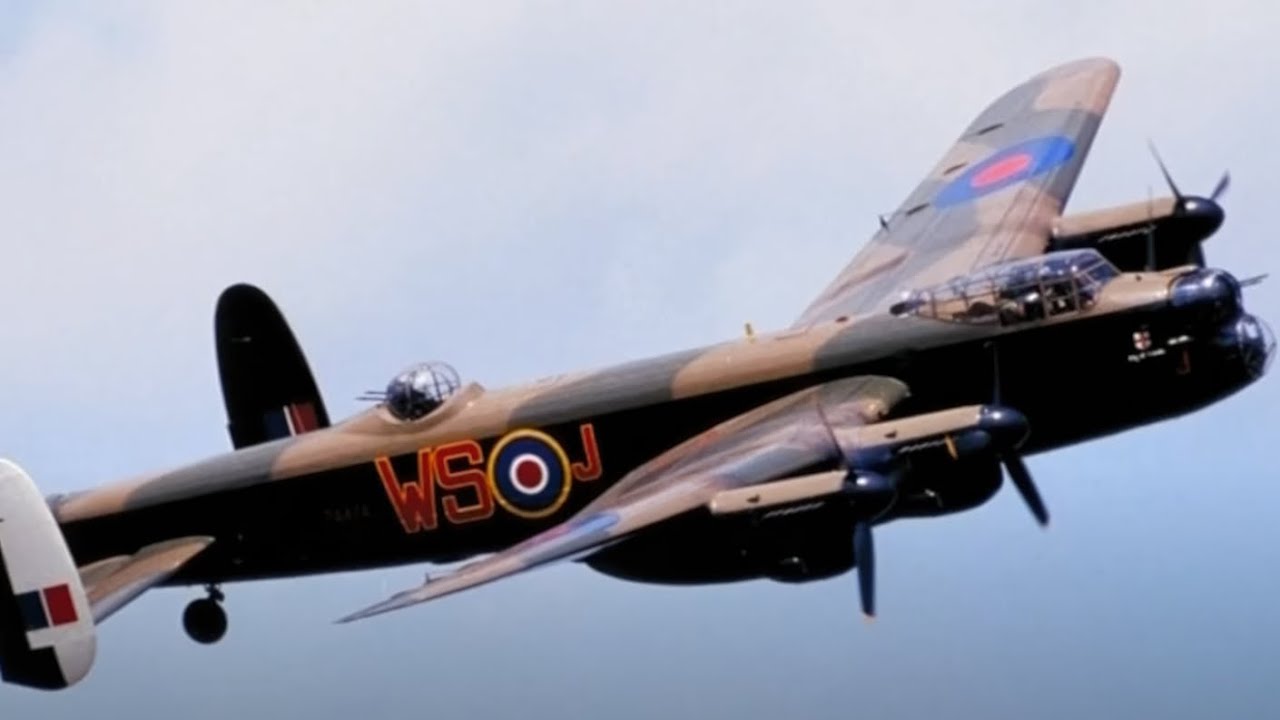
Only a few operational Lancasters remain today, including the NX611, which resides at Lincolnshire's Aviation Heritage Centre in East Kirkby.
Elizabeth Bowes Lyon, known as the Queen Mother, played a crucial role in stabilizing the British monarchy and shaping the legacy of Queen Elizabeth II.
Ronnie and Reggie Kray, infamous twin gangsters, dominated London's East End in the 1950s and 60s before their empire crumbled under violence and betrayal.
In 1478, the Catholic Monarchs Ferdinand II of Aragon and Isabella I of Castile initiated the Spanish Inquisition, targeting converted Jews and enforcing religious orthodoxy.
The American Revolution involved a complex array of participants, including George Washington, Indigenous peoples, and enslaved Africans, reshaping global history.
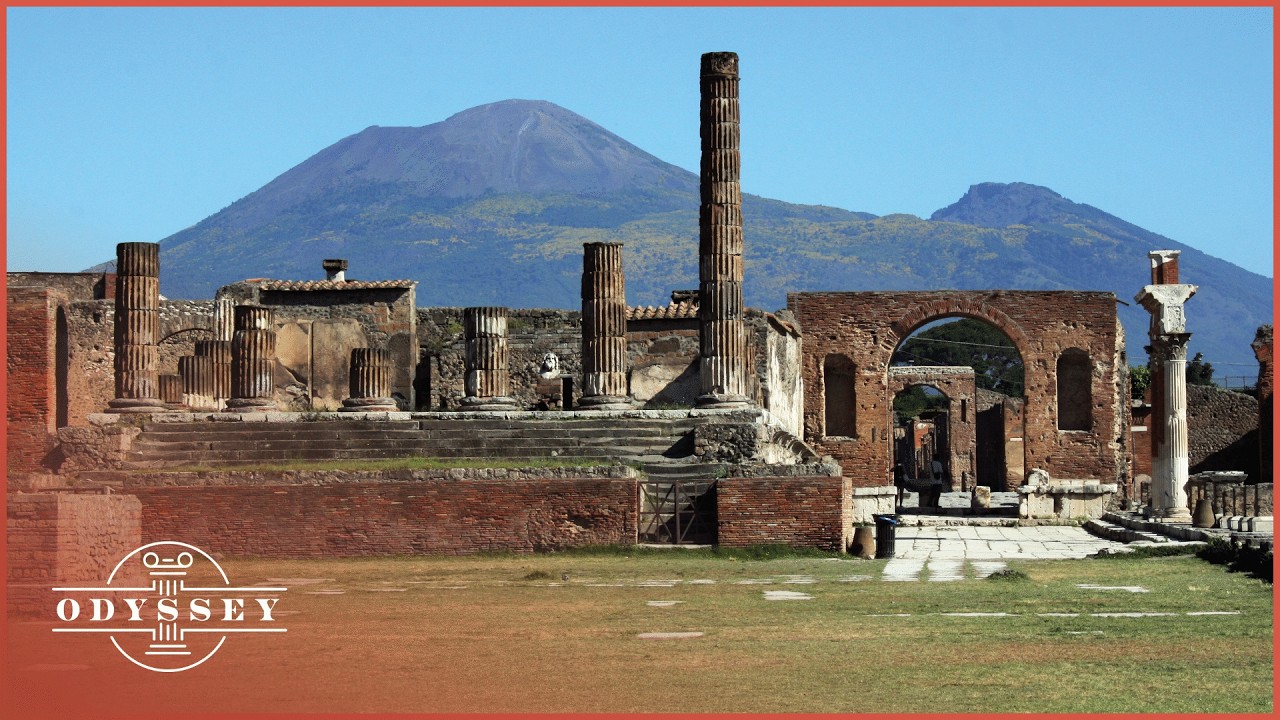
Mount Vesuvius's catastrophic eruption in 79 AD buried the Roman city of Pompeii, preserving its remnants and offering insights into ancient civilization.
Joshua, a central figure in the Old Testament, is examined for his historical existence and the lack of archaeological evidence supporting his conquests in Canaan.
In 1881, Booker T. Washington founded Tuskegee Institute in Alabama, which became a significant educational institution for African Americans.
On July 20, 1969, nearly a billion people watched as Neil Armstrong declared, "The Eagle has landed," marking humanity's first steps on the Moon.
The Battle of Orgreave in 1984 marked a violent confrontation between police and miners during the UK miners' strike, revealing deep societal divisions.
"Moonshine Molly," made in 1914, is one of the earliest films designed for a Southern audience, reflecting the region's unique cinematic history.
Akhanaten, known as "the criminal of Amarna," transformed ancient Egyptian religion by replacing multiple gods with the singular worship of Aton.
General Tom Thumb, born Charles Stratton, stood at just 25 inches tall and performed for over 50 million people during his career in the 19th century.
The Limes were heavily fortified borders in Europe protecting against barbarian invasions.
Adolf Eichmann, the architect of the Holocaust, lived under the alias "Ricardo Klement" in Argentina until his capture by Mossad in 1960.
Edward VIII and Prince Harry both faced personal and public turmoil as their romantic relationships with Wallis Simpson and Meghan Markle led them to step back from royal duties.
California's hidden history reveals that the buried secrets of Old Hollywood may be stranger than the stories portrayed on screen.
Bill Saturno presents evidence that the Maya civilization anticipated the continuation of time beyond 2012, challenging common misconceptions about their calendar.
Rudolph of Habsburg defeats Ottokar II in the 1278 battle, reshaping European power.
In 1943, a feud between American and British commanders led to the Combined Bomber Offensive, reshaping air strategy and impacting Nazi resources during World War II.
On September 1, 1939, Hitler's invasion of Poland marked the beginning of World War 2, highlighting the urgent diplomatic efforts and military strategies of the time.