From over 100,000 films, discover the handful you'll love.
Free or premium access to the world's largest documentary library.
22463 films(Page 162 of 468)
Ancient Egyptian beliefs surrounding mummification and the cult of Osiris reveal a profound connection to death and eternal life that continues to influence modern practices.
Four U.S. presidents-Andrew Jackson, Grover Cleveland, Theodore Roosevelt, and Richard Nixon-illustrate the evolution and challenges of executive power in America.
Steve Bannon's rise from naval officer to influential strategist in the Trump administration highlights his role in shaping the "America First" movement and global populism.
On August 12, 1966, Harry Roberts and two accomplices murdered three police officers in Shepherd's Bush, leading to a nationwide manhunt and public outcry for capital punishment.
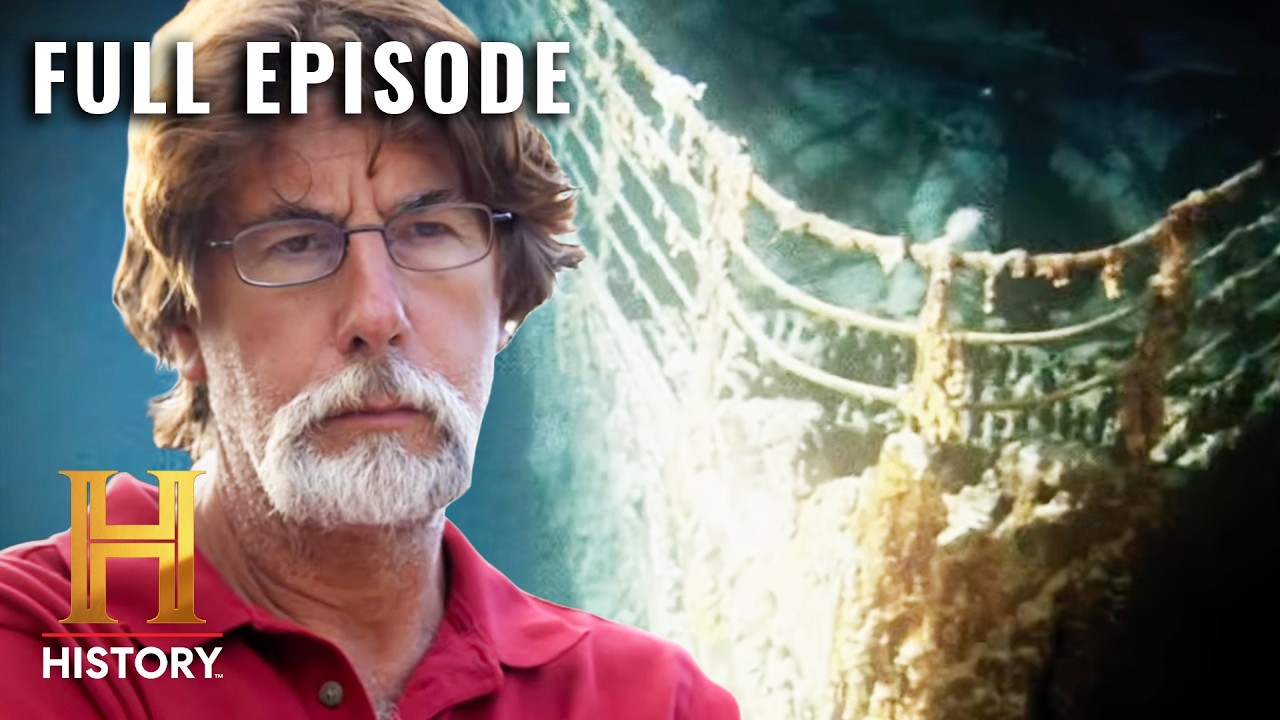
Rick and Marty Lagina, along with their team, make a significant find at the bottom of "10-X" on Oak Island, raising questions about the island's buried treasure.
Julius Caesar led a Roman invasion force of two legions onto the south coast of Britain in 55 BC, facing resistance from native warriors.
In October 1944, over 30 SAS soldiers were tortured and executed by Nazis in eastern France, prompting Major Bill Barkworth to seek justice for their deaths.
Pit number one of the Terracotta Army in Xi'an contains more than 6,000 terracotta warriors, with an estimated 6,000 more still buried.
Islamic artistic and scientific achievements during the Dark Ages are examined through the travels of Waldemar Januszczak across Europe, Africa, and Asia.
Operation Rolling Thunder marked a significant escalation of U.S. military involvement in Vietnam following the Gulf of Tonkin incident in the mid-1960s.
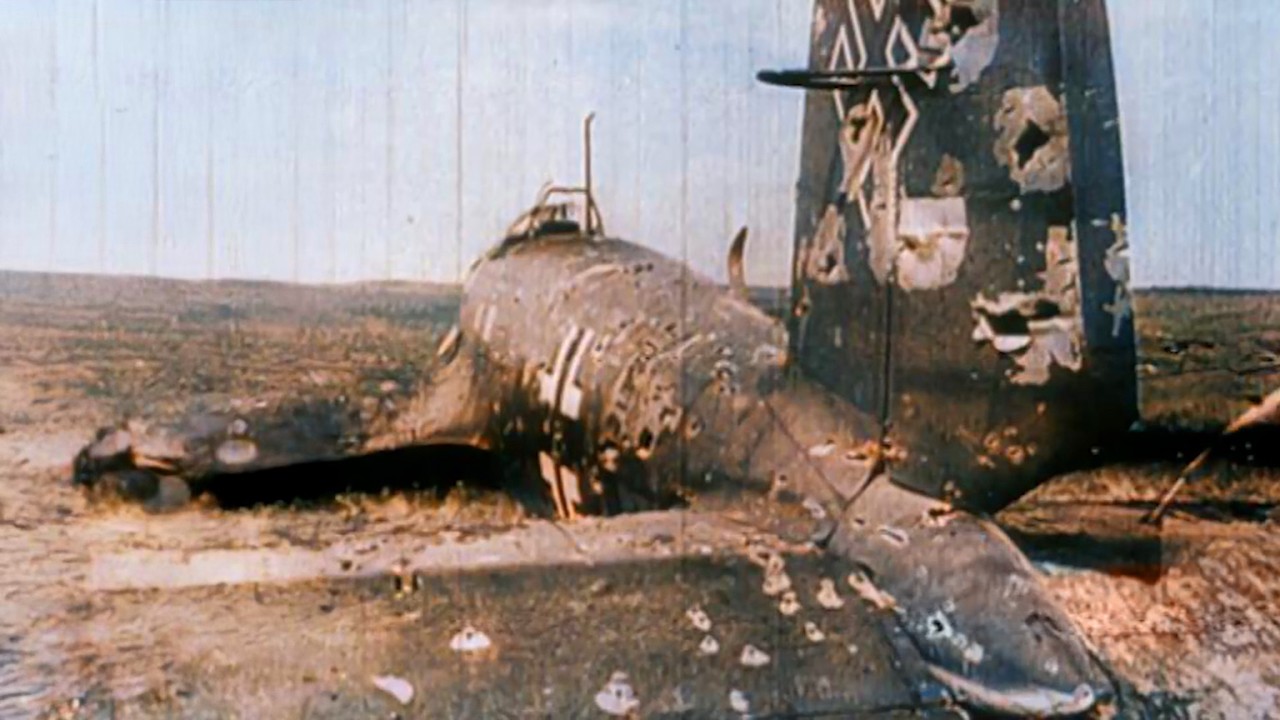
The Act of Germany's Capitulation was signed in Berlin on May 8, 1945, marking the end of World War II in Europe.
Sai and his family raise 50 horses in the Mongolian desert, striving to preserve the ancient nomadic traditions threatened by modern sedentarisation.
Howard Carter's 1922 discovery of Tutankhamun's tomb in the Valley of the Kings is examined through new footage, 3D imagery, and expert insights on its significance.
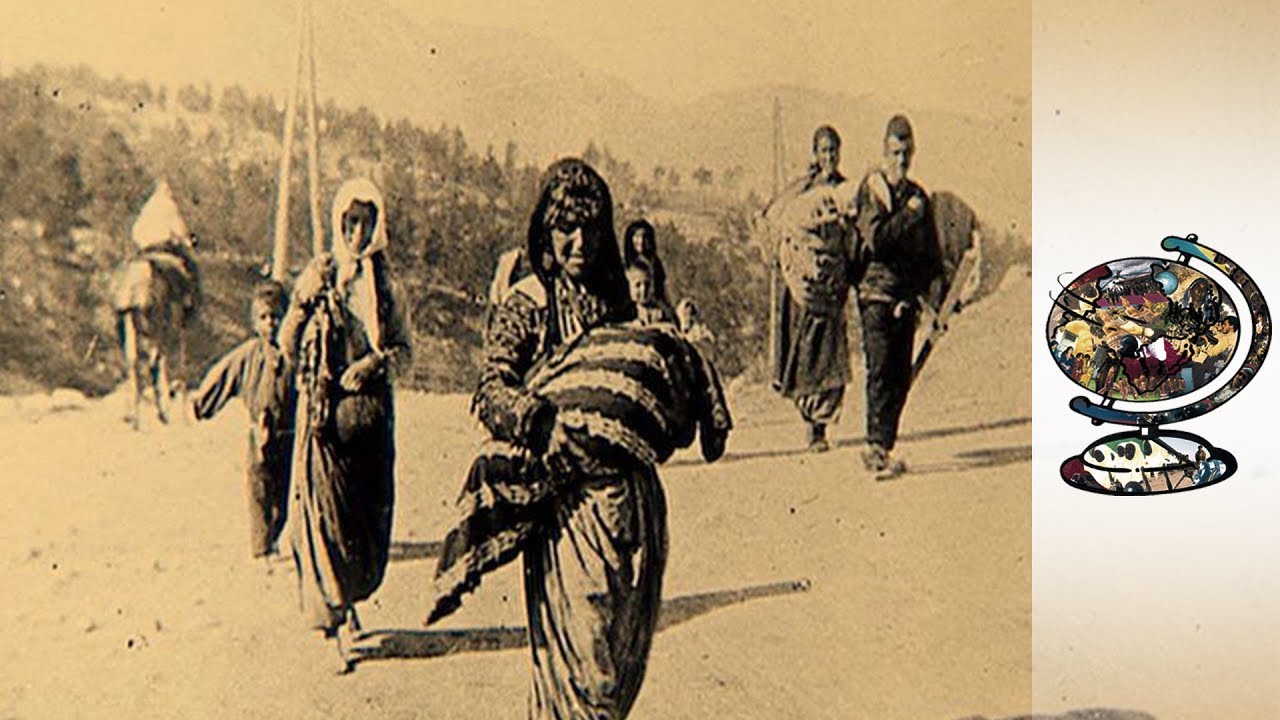
Armenians faced a brutal genocide in 1915, with ongoing Turkish denial intensifying the tragedy and silencing voices like journalist Hrant Dink.
The Sacred City claims Mecca may be in the wrong location for 1.6 billion Muslims praying.
Beer has been crafted using the same basic ingredients-water, malt, hops, and yeast-for over 10,000 years, connecting people across cultures and generations.
Tim Hollis shares insights on the unique dark ride Tales of the Okefenokee at Six Flags Over Georgia, highlighting its significance in pop culture history.
In World War II, the US Navy undertook complex operations to capture German U-Boats, aiming to extract vital intelligence from these submarines.
George H.W. Bush reflects on his life, including his military service, family influences, and key political experiences during his presidency and vice presidency.
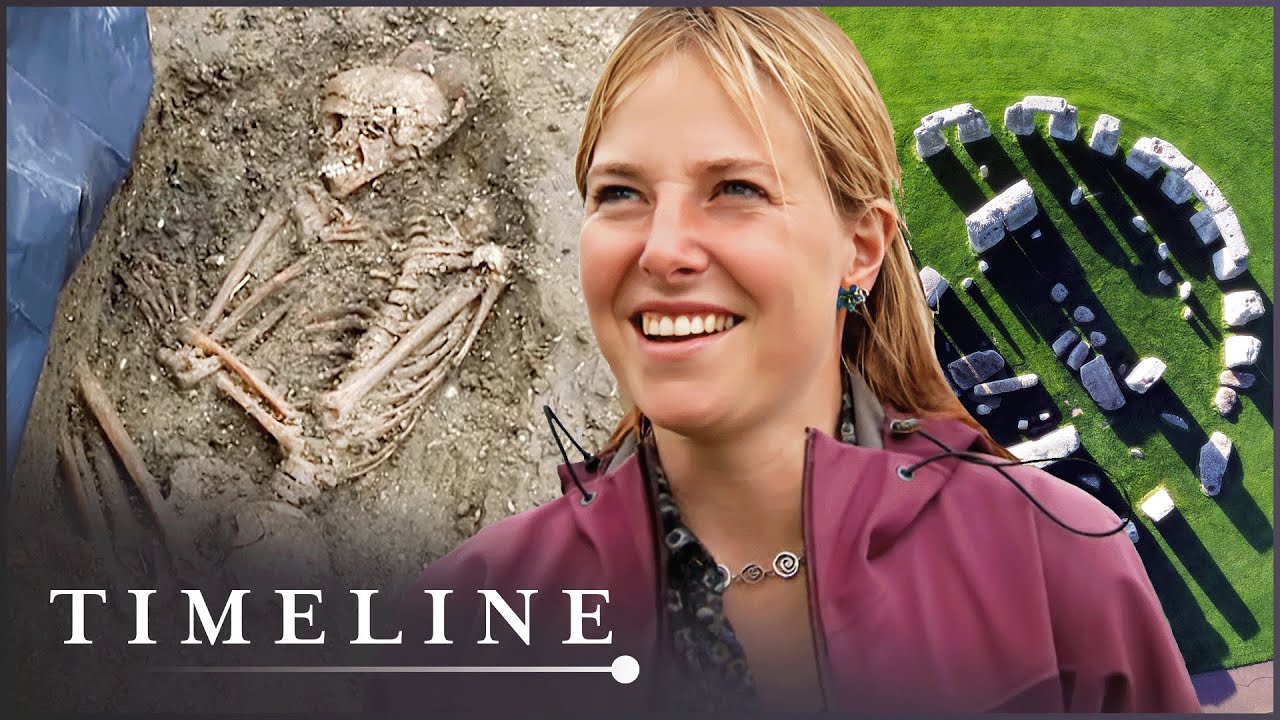
The discovery of the Aris Cemetery in Yorkshire offers evidence of a mysterious tribe of ancient immigrants who settled in Britain 2,000 years ago.
The Proof Is Out There reveals ancient mysteries and returns Friday, June 13 at 10/9c.
General Douglas MacArthur's military career is examined alongside the response of American industry to World War II following the attack on Pearl Harbor.
Alexander Litvinenko, a former FSB agent, was poisoned with radioactive polonium in 2006, accusing Vladimir Putin of orchestrating his murder amid widespread corruption.
Life in Nazi Germany during the 1920s and 1930s is examined, highlighting Adolf Hitler's rise to power amid economic turmoil and the early years of the regime.
Vladimir Komarov's tragic death in space is reexamined through newly declassified footage, revealing a scandalous conspiracy within the Soviet space program.
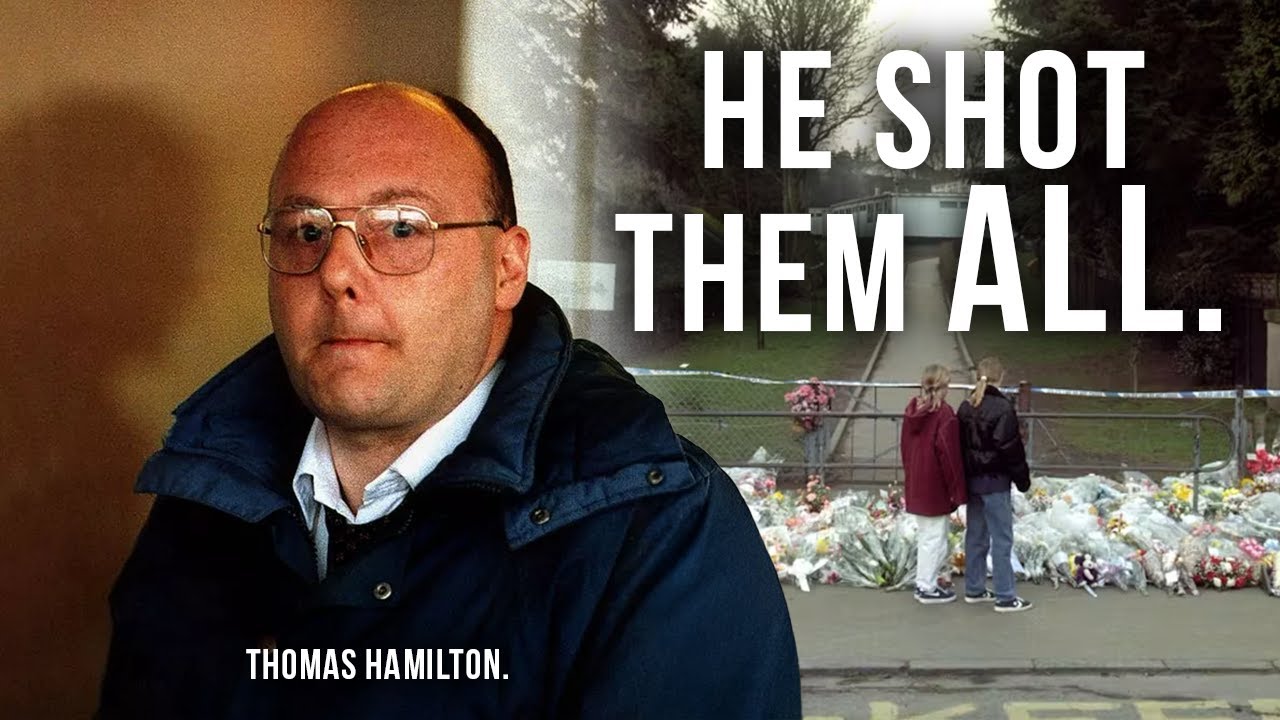
In March 1996, Thomas Hamilton entered Dunblane Primary School in Scotland, killing 16 children and their teacher before taking his own life.
Mike finds a rare Ford while combing through a Tennessee home with a big secret.
Flint, Michigan faced a devastating water crisis when its government switched to a polluted source, leading to widespread health issues and community activism.
RAF transports help Berliners survive the Soviet blockade in 1948/49 with vital supplies.
During the Siege of Malta in 1565, a 30,000-strong Ottoman force faced fierce resistance from 20,000 Maltese Christians and 560 Knights Hospitaller.
Christopher Clark visits Venice to see its grand squares and churches, then travels the Way of St James to Santiago de Compostela in Spain.
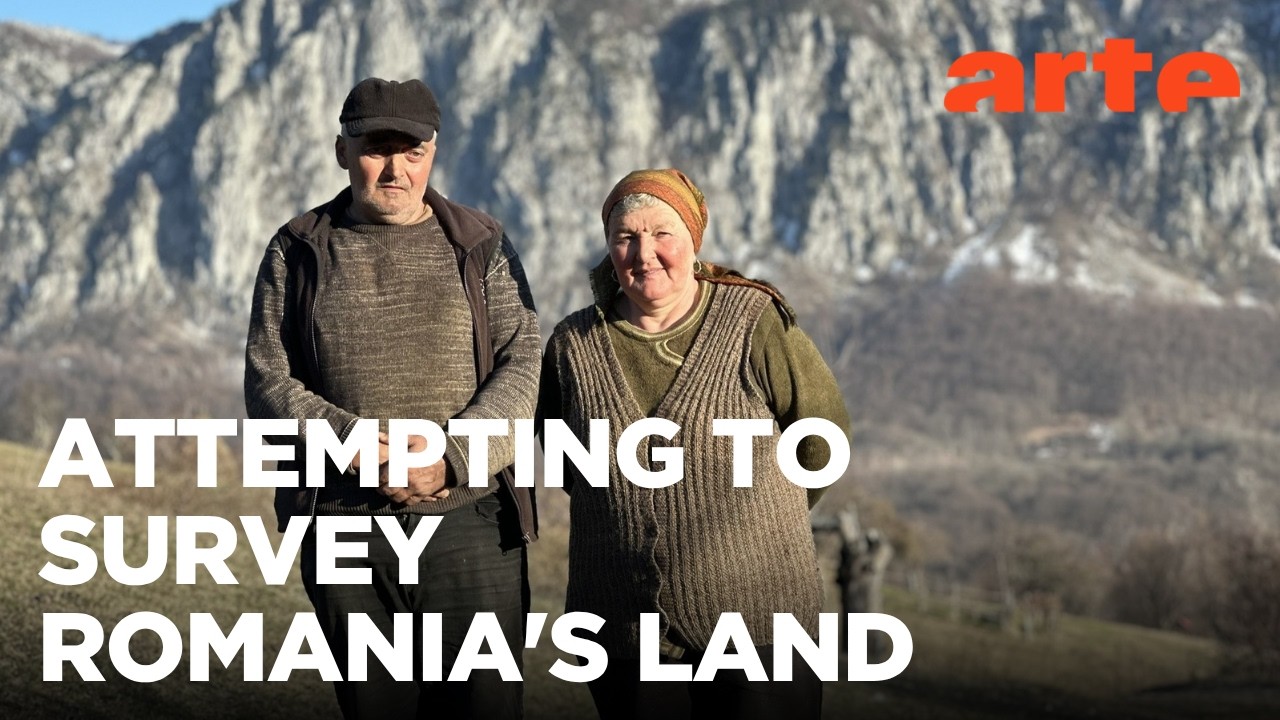
In Romania, topographers face challenges in surveying land due to an incomplete public register and longstanding mistrust among residents in remote mountain regions.
Glasgow's housing crisis in 1959 highlights the challenges of relocating 300,000 residents from old tenements to new homes across Scotland amid rising demand.
Ancient Egyptian civilization was profoundly influenced by its obsession with death and the afterlife, as evidenced by the vast majority of its relics dedicated to these themes.
Oak Island, located off the coast of Nova Scotia, is investigated for clues and artifacts that may link it to historical pirate activity and buried treasure legends.
Germany resolves to starve Britain using U-Boats during WW2's most dangerous submarine battle.
In the late 1990s, a massive UFO sighting in Arizona sparked public intrigue and debate, linked to the US government's 1970s extraterrestrial message initiative.
Approximately 40 kilometers northeast of Berlin, a former Nazi propaganda site now lies in ruins, struggling against decay and neglect.
Radar technology, developed by Robert Watson Watt, and the iconic Spitfire fighter played crucial roles in Britain's defense during the Battle of Britain in World War II.
Veterans Rudy Reyes and Ronnie Adkins analyze battlefield mysteries in this episode.
Germany's secret ocean raiders in World War II, disguised as merchant ships, targeted Allied shipping with concealed weaponry and tactics.
In 1940, Adolf Hitler's strategy to invade Britain faltered as the Luftwaffe struggled to achieve air superiority over the English Channel.
Iryna Terekhova, a retiree from Chernihiv, finds hope and resilience through an unexpected friendship with comedian Vasyl Baidak as they rebuild her war-torn home.
Edvard Munch was born on December 12, 1863, in the small village of Adelsbrook, Norway, where he faced a difficult childhood marked by family tragedies.
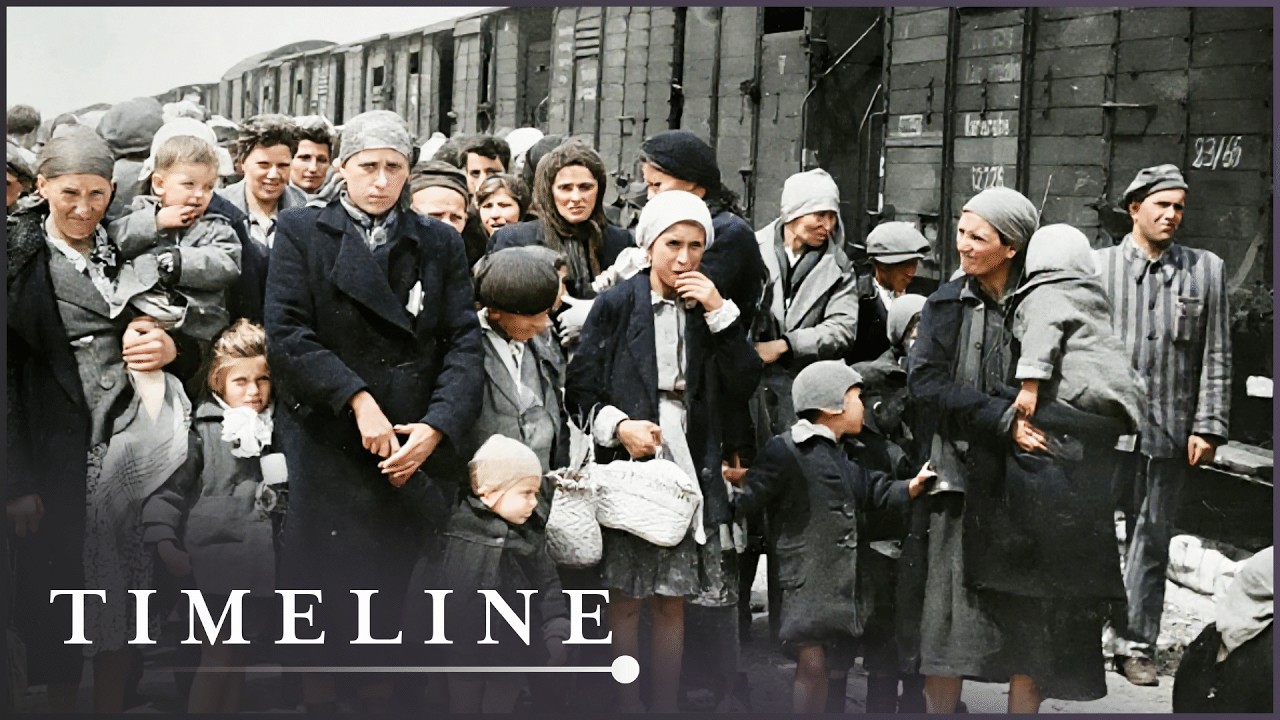
In 1944, Auschwitz-Birkenau became the site of mass deportations of Hungarian Jews and brutal "Death Marches" as the Red Army advanced.
1,460 people are officially recognized as 'disappeared' from the Pinochet era, but many more remain unaccounted for, including Juan Eduardo Rojas-Vásquez's family.
The Colosseum, completed in 80 CE, could seat up to 50,000 spectators and hosted brutal games that lasted for three months, resulting in thousands of deaths.
Giuseppe Garibaldi is a key figure in Italian unity and a notable 19th-century revolutionary.