From over 100,000 films, discover the handful you'll love.
Free or premium access to the world's largest documentary library.
22463 films(Page 18 of 468)
Buster Keaton's "Sherlock Jr." premiered in April 1924, coinciding with the British Empire's efforts to present a grand spectacle to the world.
John Wayne Gacy, a seemingly friendly community member, committed the horrific murders of 33 boys and young men in the 1970s, earning the nickname Killer Clown.
Nearly all of Hong Kong's opium and heroin comes from Burma, smuggled out by the king of opium, Los Singh.
Boeing faced intense scrutiny over its 737 Max airplanes after two fatal crashes raised questions about the company's knowledge of safety issues and regulatory oversight.
More than 300 journalists have been killed in Iraq since the invasion, marking the deadliest conflict for reporters in history.
Paleontologist Steve Brusatte addresses key questions about dinosaurs, including their diet, extinction, and hypothetical battles between species.
Putin's actions in bombing the Babyn Yar memorial site highlight a troubling disregard for Holocaust history and its significance.
Edwardian innovations, such as asbestos socks and radioactive toothpaste, transformed homes but often resulted in tragic accidents and long-lasting consequences.
Chilling radio transmissions between hijacked planes and control towers reveal the fear and confusion experienced by passengers on September 11, 2001.
Soviet scientists, aided by former Nazi experts and espionage, achieved the first atomic bomb detonation in 1949, altering the global nuclear landscape.
Heraldo Rial faces the end of his gaucho lifestyle in the Patagonian wilderness.
The 112th National Hobo Convention in Britt, Iowa, highlights the remnants of hobo culture and the lives of those who still embrace this unique lifestyle.
Zapotec civilization flourished in Mesoamerica, with Monte Albán serving as a monumental testament to their cultural and architectural achievements.
William Marshal, known as 'The Perfect Knight,' played a crucial role in the English monarchy during the medieval period, marked by his rise to power and notable contributions.
Medieval London offered a diverse array of jobs and communities, explored through key historical sites by historian Dr Eleanor Janega.
The average American family has eight credit cards, reflecting the industry's growth fueled by deregulation and technological advancements.
44 Jewish children were arrested and deported under the orders of Klaus Barbie, a former Gestapo chief, before he was captured and sentenced to life imprisonment.
Titanic expert Tim Maltin analyzes the critical moments leading to the RMS Titanic's sinking, questioning whether the disaster could have been prevented.
Nefertiti's bust, over 3,000 years old, was discovered in 1912 by German archaeologist Ludwig Borchardt and has been a source of controversy regarding its authenticity.
France's military campaigns in the First Indochina War faltered against the resilient Viet Minh, despite superior weaponry and colonial experience.
Samurai spears played a crucial role in premodern Japan, evolving significantly and often overshadowing the more famous samurai swords in warfare.
A 25-year project in Burgundy aims to build a castle from scratch using 13th-century tools, techniques, and materials.
Inca masonry showcases advanced techniques in stone quarrying, transportation, and fitting, reflecting the civilization's unique technology and cultural heritage.
Al Capone rises to prominence in the Chicago underworld during the early years of Prohibition, shaping the era's criminal landscape and American culture.
By the late 1100s, the age of the Viking longship had ended, replaced by the cog, a new type of vessel that dominated Northern European waters.
A large Anglo-Saxon burial site in Wendover, Buckinghamshire, reveals 138 graves filled with high-quality grave goods, shedding light on a wealthy community from the 5th and 6th centuries.
Homo erectus, an ancient human species known for its tool-making and fire use, raises questions about its extinction and similarities to Neanderthals and Homo sapiens.
Three million troops marched into the Soviet Union on 22 June 1941 as part of Operation Barbarossa, the largest military invasion in history.
The eruption of Krakatoa on August 27, 1883, released energy equivalent to 150 million tons of TNT and triggered tsunamis that killed over 36,000 people.
Woodrow Wilson's Nobel Peace Prize efforts to promote the League of Nations highlight America's persistent isolationism, even as the Charleston dance craze emerges.
In the late 1970s, physicist Sydney Coleman discovered a way to potentially destroy the entire universe through the concept of a false vacuum.
Apollo Moon landings are examined through exclusive interviews and previously unheard NASA communications, revealing the challenges and near-disasters faced by astronauts.
The controversial 'Baby Cages' were established by the Allies to rehabilitate young soldiers radicalized by Hitler's ideology after World War II.
Windsor Castle, the longest-serving royal palace in Europe, showcases its stunning state rooms through an exclusive tour led by curator Kate Heard and historian Dan Snow.
Tokugawa Ieyasu's final days mark the end of an era, reflecting on his pivotal role in unifying Japan and ushering in the peaceful Edo period.
Conflicting British promises to Arabs and Zionists during WWI ignited tensions in Palestine, culminating in violence and the collapse of hopes for peace in 1948.
A young person prepares to travel from Chicago to New Orleans, advised to keep their bus ticket hidden and avoid talking to strangers.
Bones of up to 10 soldiers from the Battle of Waterloo, including a mix of Prussian, French, and British, have been found in an attic in Belgium.
The Central Intelligence Agency was created in 1947 with a broad mandate to conduct covert operations and gather intelligence to protect U.S. interests.
Significant archaeological findings in Northern Britain reveal a 5,000-year-old ritualistic center at the Ness of Brodgar, alongside a Roman fort and Viking burial.
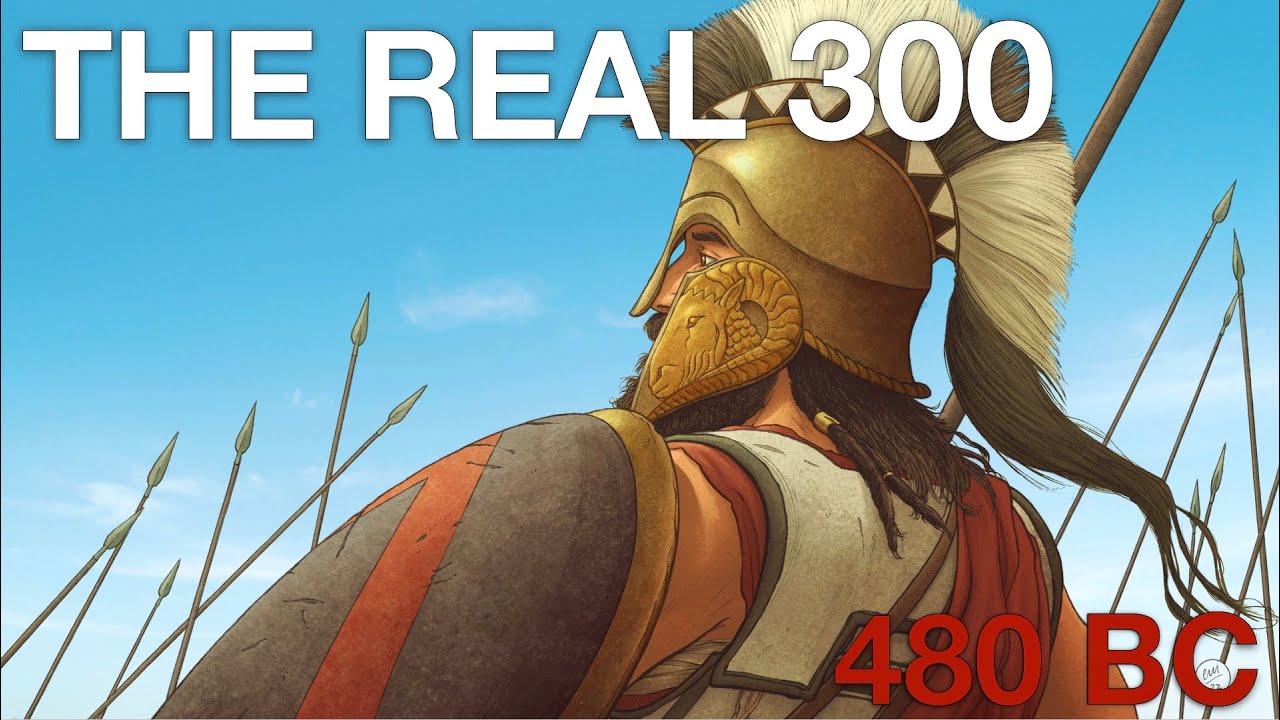
In 480 BC, a group of Persian outriders encountered a strange sight at Themopoly, where Greek soldiers appeared undeterred by their approach.
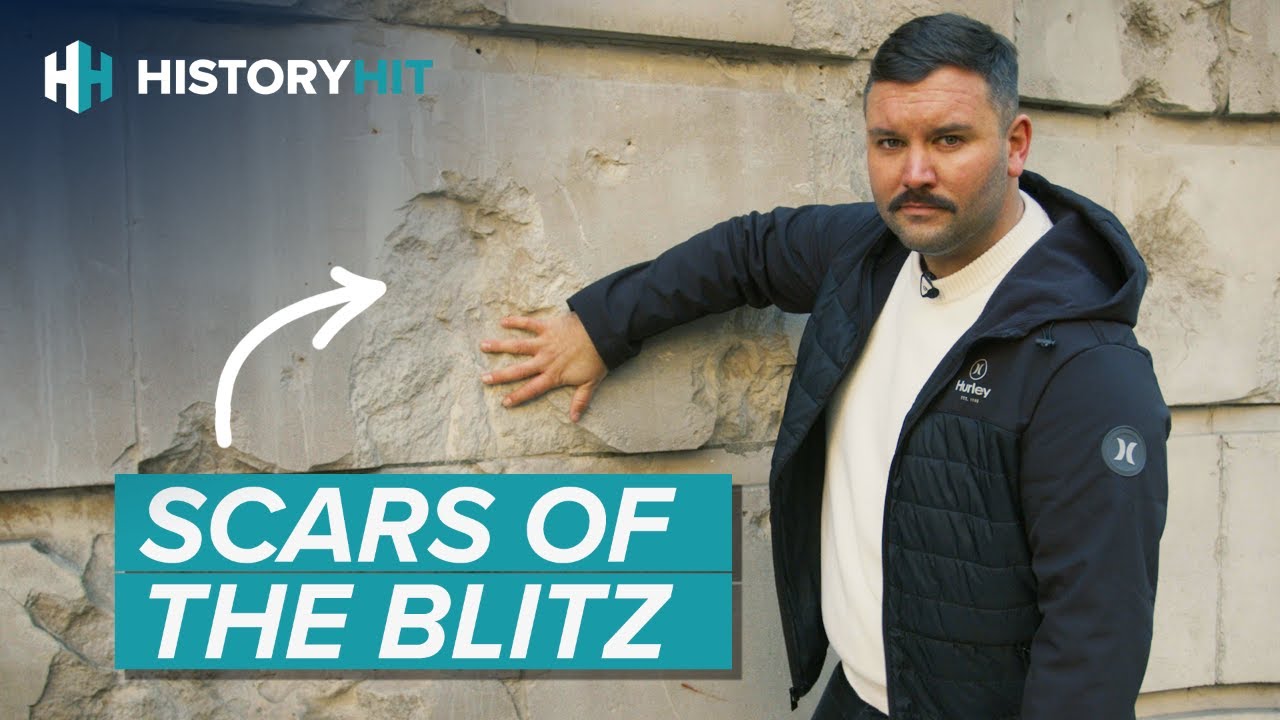
Scars from the World War Two Blitz remain visible across London, with military historian James Rogers highlighting sites of historical significance and damage.
The Celts, an ancient civilization known for their mastery of iron and semi-nomadic lifestyle, left a lasting linguistic legacy in Scotland, Ireland, Wales, and Brittany.
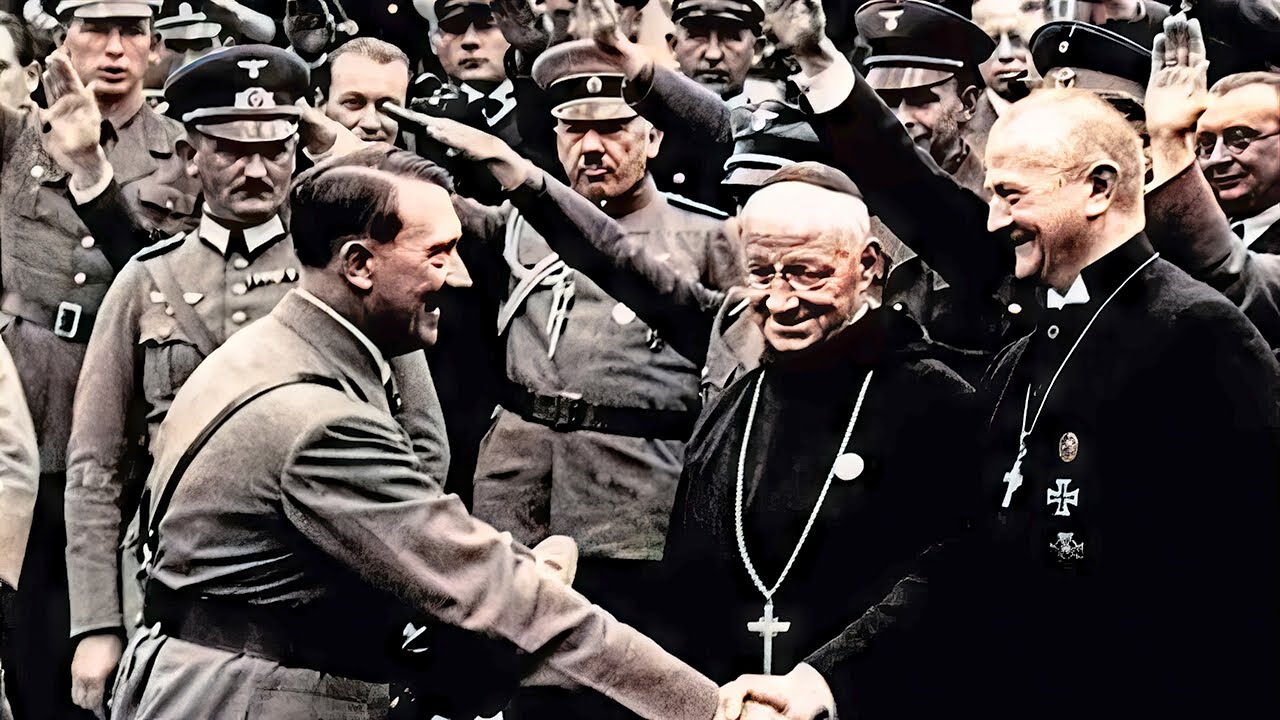
Pope Pius XII remains silent as Hitler secretly exterminates Jews in Europe during WWII.
Life as a Roman soldier on Hadrian's Wall is explored through a two-mile march, revealing the challenges faced by legionaries and auxiliary troops on the frontier.
Catherine Middleton became Princess of Wales after marrying Prince William and is now preparing for her future role as Queen consort following Queen Elizabeth II's death.
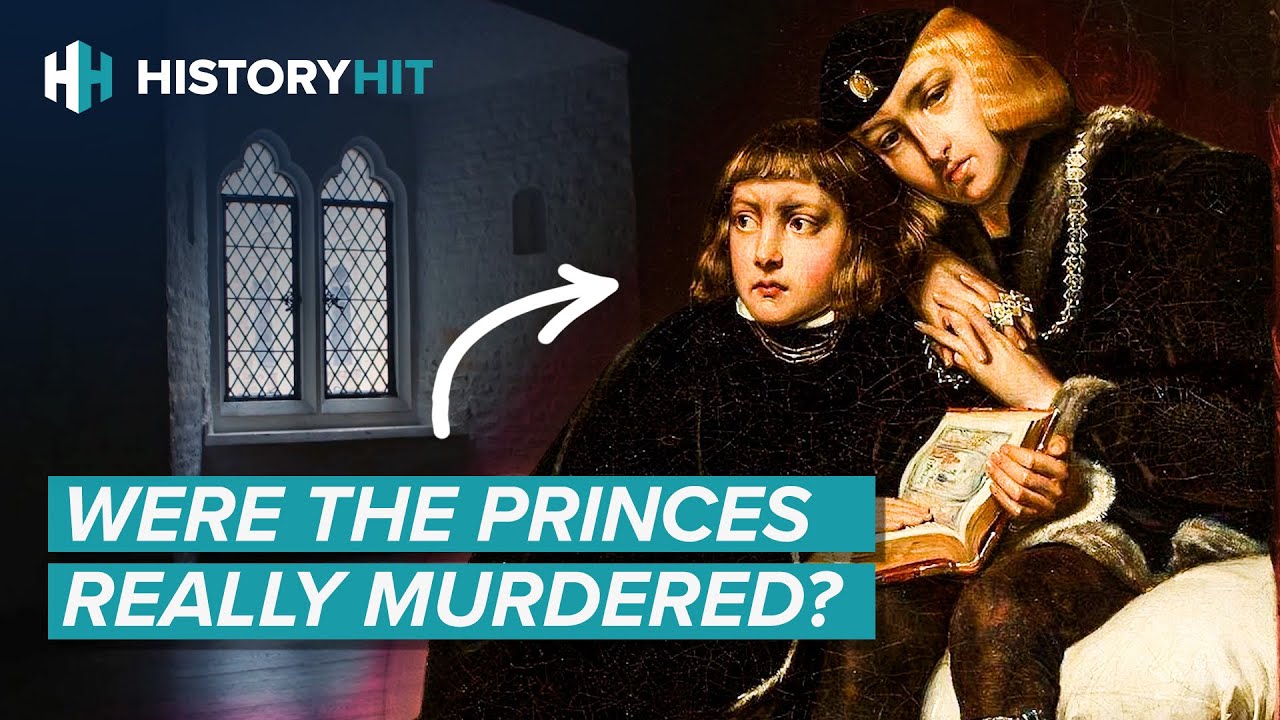
The disappearance of the Princes in the Tower is examined through historical insights, suggesting they may have survived rather than been murdered by Richard III.
Caligula was assassinated on January 22, 41 AD, after just four years in power, leaving behind a legacy marked by rumors of tyranny and excess.