From over 100,000 films, discover the handful you'll love.
Free or premium access to the world's largest documentary library.
22463 films(Page 85 of 468)
In Northamptonshire, Morris and Pat Jones unearthed an Anglo-Saxon skeleton, complete with a knife, ceremonial pottery, and a valuable buckle, while digging in their garden.
C-11, a specialized task force formed by NYPD detectives and FBI agents in the 1990s, aimed to dismantle violent drug gangs terrorizing Harlem.
Lee Harvey Oswald was killed two days after the assassination of President John F. Kennedy on November 22, 1963, by nightclub owner Jack Ruby.
Operation Overlord and subsequent Allied offensives on the Eastern and Western Fronts, along with the Pacific island-hopping strategy, culminated in the defeat of Nazi Germany and Japan in World War II.
Adolf Hitler's rise to power was facilitated by a strategic alliance with industrial giants like I.G. Farben, exploiting economic turmoil and political violence.
H.M.S. Duncan plays a crucial role in escorting British tankers through the perilous Strait of Hormuz while tensions with Iran escalate.
In the British Virgin Islands, cultural traditions such as Moko Jumbies performances and rum production at Callwood distillery highlight the archipelago's rich heritage and vibrant lifestyle.
Windsor Castle, built by William the Conqueror, is the oldest and largest inhabited castle in the world, with over 500 people living and working there today.
The Bismarck, a formidable German battleship of World War II, is examined through archival footage and interviews with former naval officers, highlighting its legacy in maritime warfare.
A modern reenactment of a Viking voyage aboard the Draken highlights the challenges faced by a crew of 34 sailors while revealing new genetic insights into Viking identity.
Julius Caesar's assassination on the Ides of March in 44 BC marked a turning point that transformed Rome from a democracy into a dictatorship.
A combined operation involving hundreds of thousands of American and British soldiers was planned over 125 days to launch the Allied invasion of Tunisia.
The evolution of artillery is examined, highlighting key developments from ancient cannons to the modern M777 Howitzer and its impact on warfare.
Ancient biblical sites in Greece, narrated by David Suchet and featuring historian Dr. Michael Scott, highlight the historical context of early Christianity.
The Fritz X bomb, an early precision weapon, had a success rate over 80 times higher than conventional bombs during its combat debut in 1943.
DC-3 aircraft, once pivotal in both World Wars, can be fully rejuvenated after 80 years, allowing them to continue flying for decades more!
Chilling accounts of alien abductions and encounters raise unsettling questions about extraterrestrial contact in this compilation from UFO Files.
Historic cathedrals and churches across England reveal their architectural splendor and rich histories, featuring iconic sites like Salisbury Cathedral and Westminster Abbey.
A single Bermuda Triangle hurricane packs more energy than 10,000 nuclear bombs, contributing to the area's reputation for mysterious disappearances.
Billie Carlton's tragic overdose in postwar London ignited a national moral panic, highlighting the intertwined issues of drugs, sex, and societal change in the 1920s.
The Cecil Hotel in Downtown LA, notorious for its connections to serial killers like Richard Ramirez and the mysterious death of Elisa Lam, is often referred to as the world's deadliest hotel.
Castleford, a Yorkshire mining town, is investigated for its potential significance as one of Roman Britain's most important settlements and the treasures it may hold.
Ferdinand Magellan's 1519 expedition under the Spanish crown marked the first successful circumnavigation of the Earth, reshaping global geographical knowledge.
Vladimir Putin's ascent from obscurity during the chaotic Yeltsin years to a dominant figure in Russia illustrates the complexities of modern dictatorship.
Life as a Roman centurion involved rigorous training, long marches, and the responsibilities of leading troops in one of history's most formidable military forces.
Antarctica's prehistoric past reveals a lush, forested continent during the early Jurassic period, home to unique dinosaurs like Cryolophosaurus and Glacialisaurus.
Josephine de Beauharnais survives a death sentence and influences Napoleon as his Empress and great love.
On March 7, 1945, US forces captured a bridge near Remagen, allowing the Allies to penetrate deep into German territory.
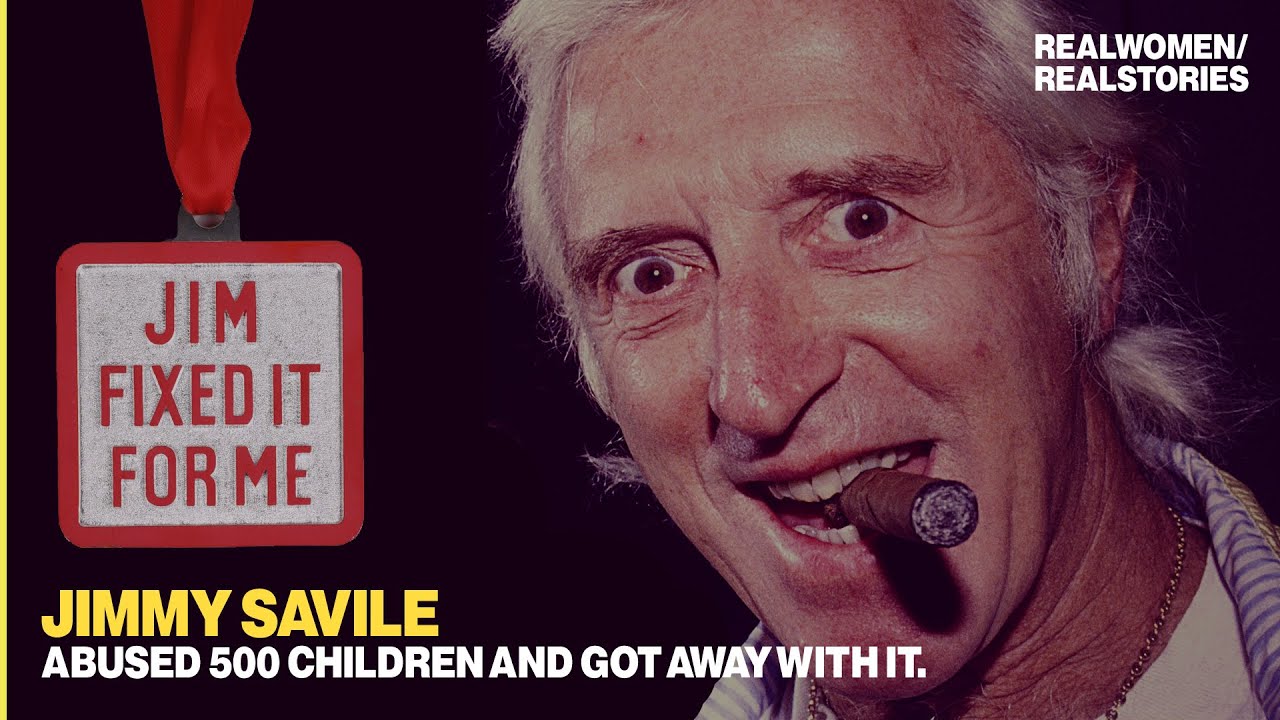
Jimmy Savile, an English media personality, exploited his fame and connections to sexually abuse hundreds of children, with systemic failures by institutions like the NHS and police enabling his actions.
Poland's resistance fights against Nazi Germany and the Soviet Union during World War 2.
Digitized pension claims from the National Archives reveal the personal experiences of soldiers, women, and enslaved people during the American War of Independence.
Ten individuals' lives are forever changed during the final ten days of World War II as the Nazi Empire collapses in April 1945.
On July 21, 2011, the space shuttle Atlantis landed at Kennedy Space Center, marking the end of America's ability to send astronauts into space.
Julian Assange's life story highlights his role as a controversial figure in the release of classified US documents through WikiLeaks, challenging state power and raising questions about truth in the digital age.
In 1942, the Vemork Power Plant in Norway produced 1,000 kilos of heavy water, a crucial component in Nazi Germany's nuclear ambitions.
On May 23, 1945, British troops arrested Admiral Donitz, marking the final act of the Nazi regime as the Allies took control of Germany.
Tutankhamun died around 1324 BCE after only a decade on the throne, and his tomb contained lavish gold and grave goods.
Operation Cobra marked a pivotal moment in 1944, as Allied forces sought to maintain their foothold in occupied Europe against a desperate Nazi Germany.
Infrastructure in the United States faces severe degradation, with failing roads, bridges, and water systems threatening public safety and prompting emergency responses.
In June 1940, Henri Chamberlin, a criminal born in 1902, becomes a leader in the Gestapo, overseeing arrests and exploitation during the German occupation of Paris.
A 195-ton railway howitzer, the largest of its kind, is transported 400 miles from Wiltshire to a museum in Utrecht, facing numerous logistical challenges.
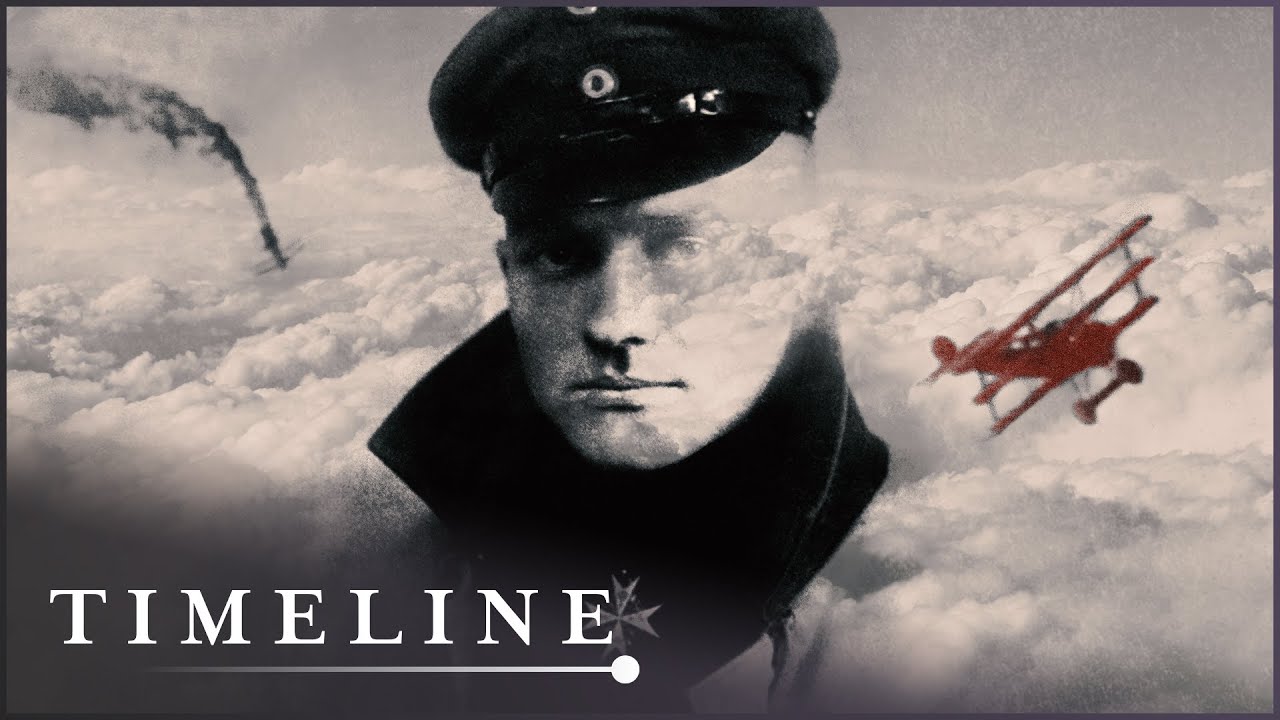
Manfred Von Richthofen, the Red Baron, is credited with 80 victories in World War One.
Hurricanes fueled by the Gulf of Mexico's warm waters have historically devastated the region, impacting its marine and coastal economies.
Deng Xiaoping's economic reforms and opening up policies fundamentally transformed China into a modern global power.
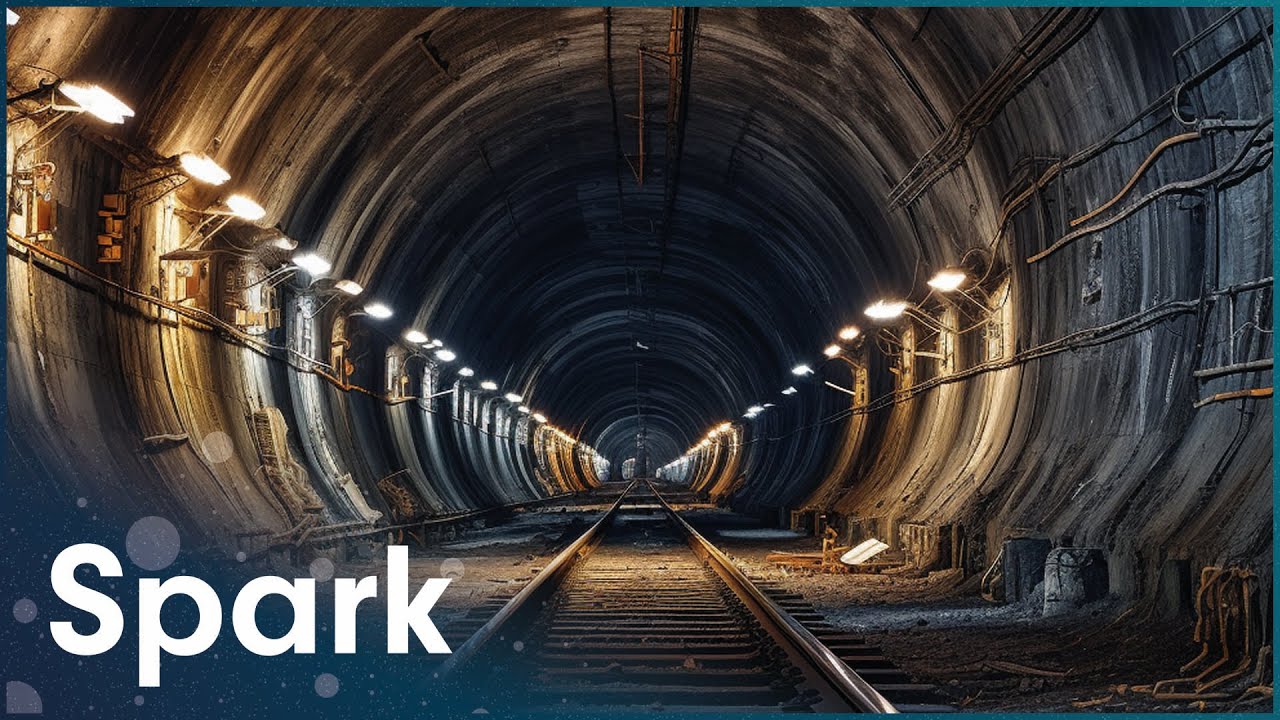
In the construction of the Channel Tunnel, over 13,000 workers faced extreme conditions and technological challenges to connect Britain and France.
Over 200 mobsters were convicted due to Joe Pistone's six-year undercover operation as Donnie Brasco within the Bonanno crime family.
In the Midlands, Alun Kyte, known as the Midlands Ripper, was arrested for the murders of sex workers Samo Paull and Tracey Turner in the early 1990s.
Monty Halls and his team of divers explore Lake Otjikoto in Namibia, seeking £60 million worth of lost treasure from World War I.