From over 100,000 films, discover the handful you'll love.
Free or premium access to the world's largest documentary library.
22463 films(Page 467 of 468)
Danny Gold discusses the liberation of Sinjar, Iraq from the Islamic State and its aftermath.
Thomas Jefferson engages in a discussion about the Declaration of Independence during a Q&A session with National Archives Foundation Executive Director Patrick Madden.
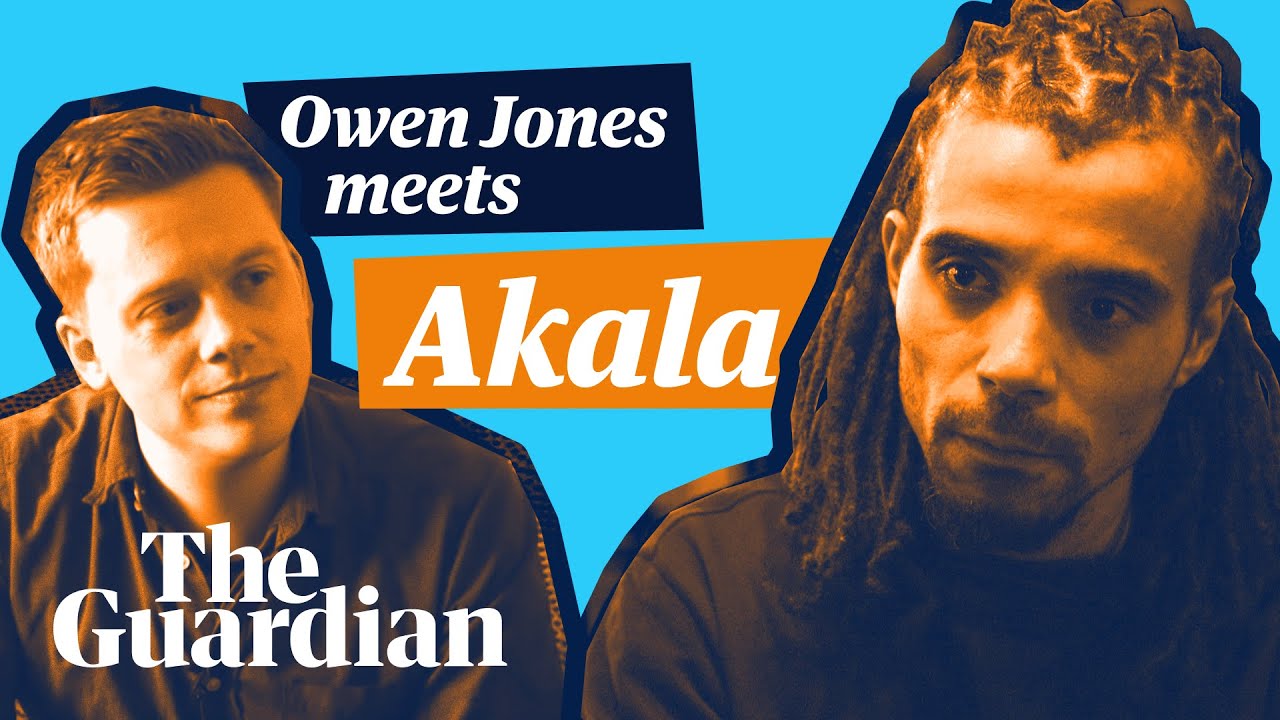
In 2011, evidence emerged that the British state destroyed archives detailing the violent legacy of its colonial past, a topic discussed by Akala and Owen Jones.
Jonas Nay discusses 'Deutschland 83' and its reception in Britain and the United States.
Uesugi Kenshin miniatures are painted while discussing samurai culture and celebrating the milestone of 200,000 subscribers on the channel.
Jackie Robinson's legacy as a baseball pioneer and civil rights advocate is explored through readings, discussions, and creative activities in a virtual program featuring author Sharon Robinson.
Hrair Sarkissian, a Syrian photographer, captures the emotional weight of historical traumas through his thought-provoking images that highlight the presence of absence.
Inuuteq Storch, a Greenlandic photographer, uses found images to narrate Greenland's history from a local perspective, challenging colonial narratives.
On June 10, 1940, President Franklin D. Roosevelt addressed 2,000 attendees at the University of Virginia, discussing the urgent international situation amid World War II.
Four Pulitzer Prize-winning authors discuss the legacies of American presidents at the 2014 New Yorker Festival, focusing on themes of race and identity.
300,000 men were called up for partial mobilization by Vladimir Putin in a September 2022 speech, citing American interference in peace talks.
In late 2021, President Joe Biden is briefed on Russia's plans for a full-scale invasion of Ukraine, marking a significant escalation since 2014.
Timothy Snyder discusses the urgent intelligence received by Joe Biden's administration in late 2021 regarding Vladimir Putin's plans to invade Ukraine.
In January 2022, President Biden receives a briefing indicating that a Russian invasion of Ukraine is likely to occur soon.
Putin's February 24th speech frames the invasion of Ukraine as a 'special military operation' and identifies the United States as 'Enemy Number One.
A 2007 speech by Vladimir Putin marked a shift in Russia's foreign policy, signaling its move from a rule taker to a rule maker on the global stage.
In December 1999, Boris Yeltsin resigned and named Vladimir Putin as his successor, sparking rumors of a deal to protect Yeltsin's family from corruption charges.
A 700-page unclassified U.S. Army manual was the only significant intelligence gain for a KGB officer stationed in Dresden during the Soviet era.
By late 1999, President Boris Yeltsin's popularity had plummeted to single digits amid widespread economic turmoil and loss of trust in government institutions.
Vladimir Putin served as a midlevel bureaucrat in Dresden during the fall of the Berlin Wall, feeling disconnected from the changes in Russia.
Vladimir Putin and his KGB colleagues burned documents in Dresden as they faced the uncertainty of the Soviet Union's collapse in 1991.
Victoria Nuland discusses NATO's history with Yeltsin and Putin in an interview with Michael Kirk.
Kori Schake discusses Putin's national security meeting and its implications for the Ukraine invasion.
Ray Bradbury shares insights at Caltech during the Mariner 9 launch in 1971.
Three authors discuss their book on the roles of First Ladies in American history during a program at the National Archives in honor of Women's History Month.
The Battle of Dai Do, fought between April 30 and May 2, 1968, saw U.S. Marines of the 2nd Battalion, 4th Regiment achieve a significant victory against the North Vietnamese Army.
Dan Carpenter from Harvard discusses research opportunities related to North American petitions during a presentation at the National Archives in 2014.
Richard Brodie highlights Edgar's quest for a woman in Paris in Godard's 'In Praise of Love.'
Robert Harris discusses An Officer and a Spy and his views on the literary establishment.
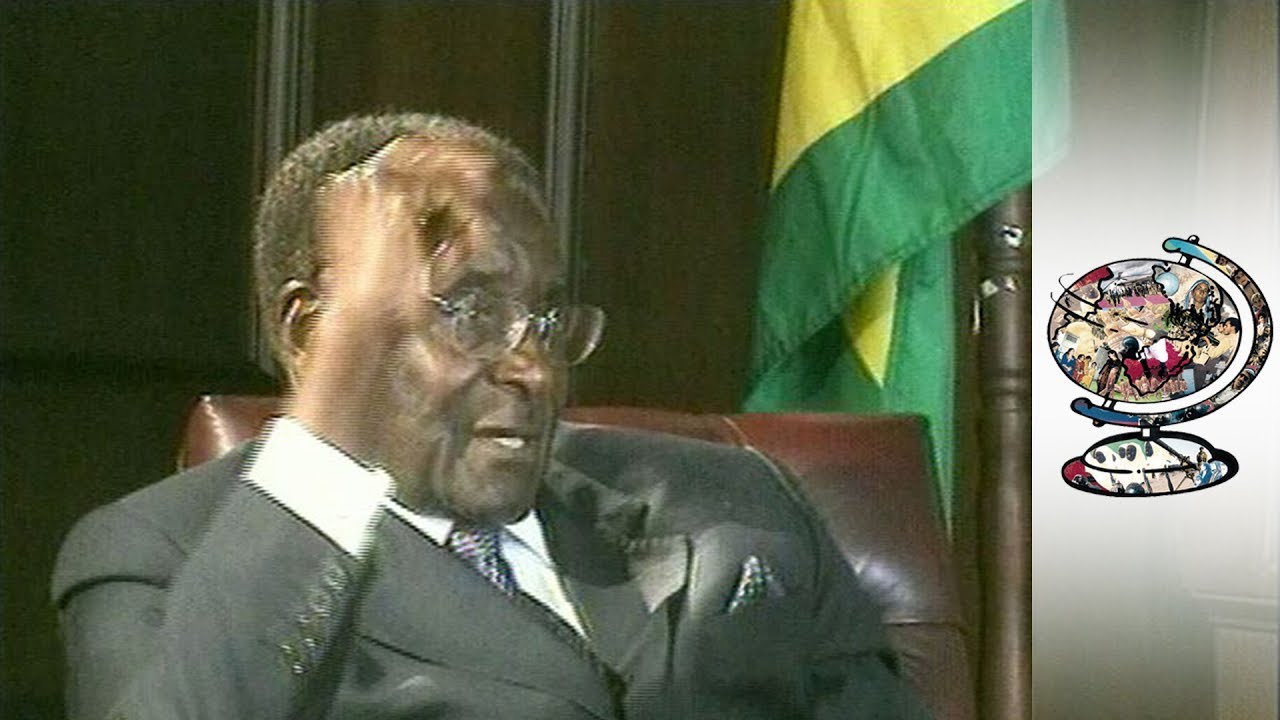
A 58-minute interview reveals Robert Mugabe's strong beliefs about land as central to Zimbabwe's politics and economy.
Robert Redford reflects on the collaboration between Bob Woodward and Carl Bernstein during the Watergate scandal and the making of All the President's Men.
Roger Waters discusses the emotional impact of losing his father, who fought against the Nazis in World War II, on the Rumble with Michael Moore podcast.
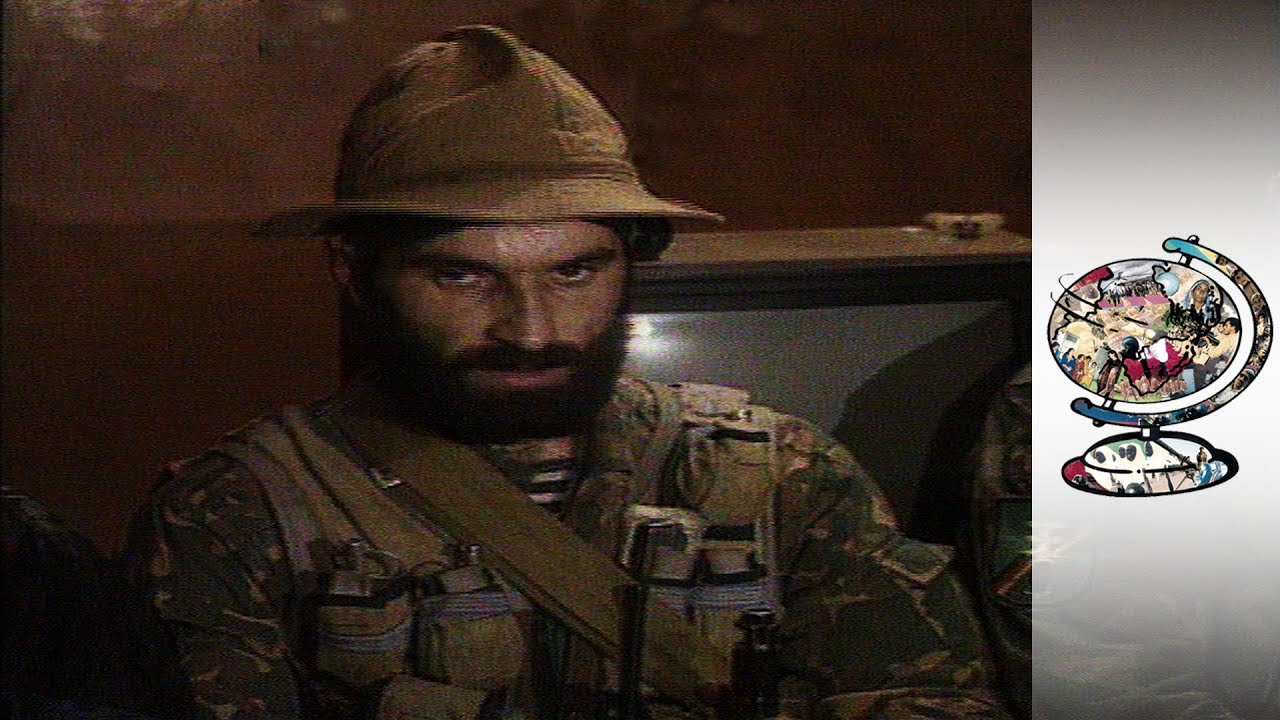
A $10 million bounty is placed on Shamil Basayev, the commander accused of masterminding the Beslan school hostage crisis that left many children dead.
Sammy Baloji, a Congolese artist, critiques colonial narratives through his photography, juxtaposing historical images with contemporary scenes from Katanga.
Save Ancient Studies Alliance hosts a virtual conference on July 19-20, 2026, focusing on "Fashion Forward: Interdisciplinary Approaches to Ancient Apparel."
Frances O’Roark Dowell discusses her book Shooting the Moon, which follows 12-year-old Jamie as her brother enlists in the army and is sent to Vietnam.
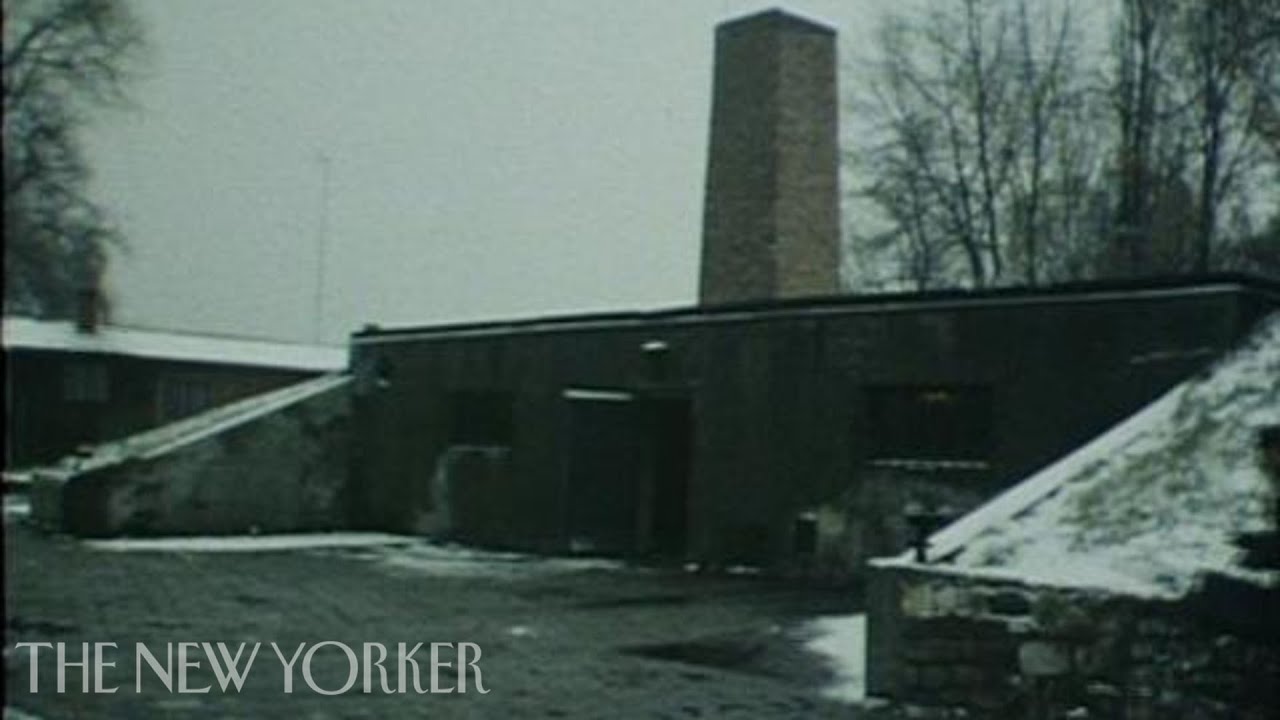
Richard Brody discusses Claude Lanzmann's impactful film 'Shoah' in The New Yorker.
On May 30, 1942, Undersecretary of State Summer Welles called on all U.S. citizens to fully support the war effort during World War II.
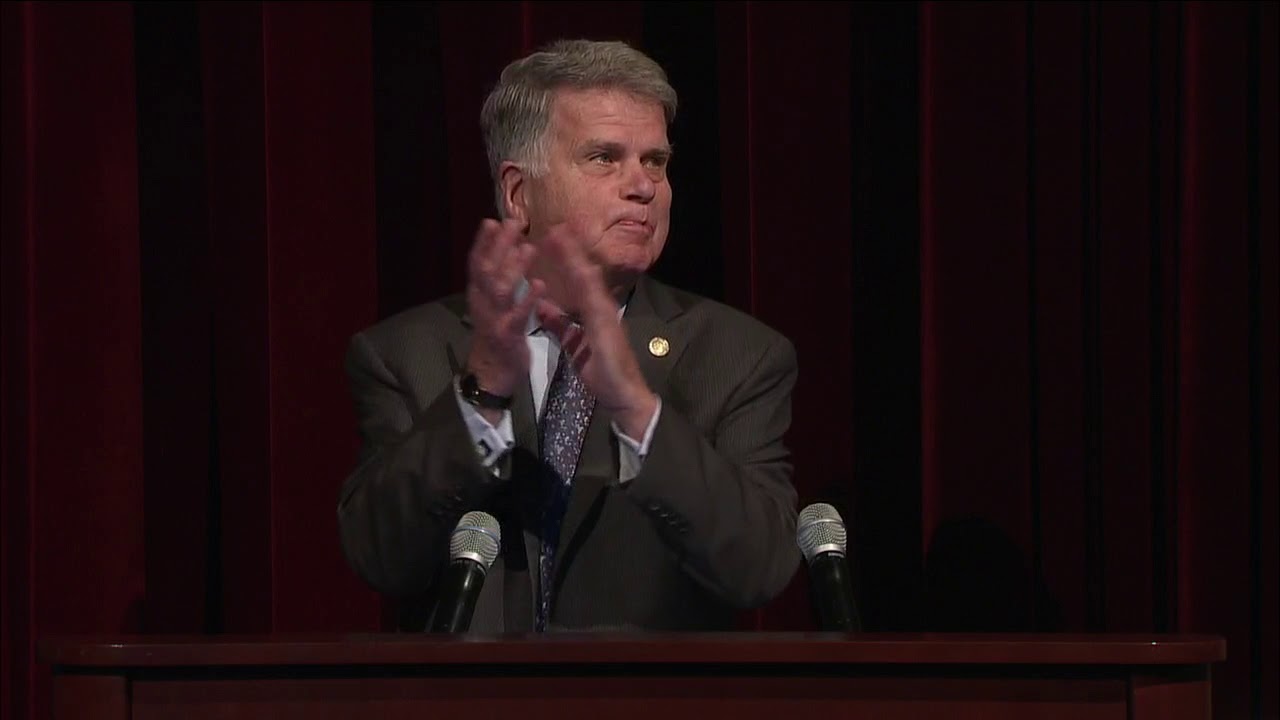
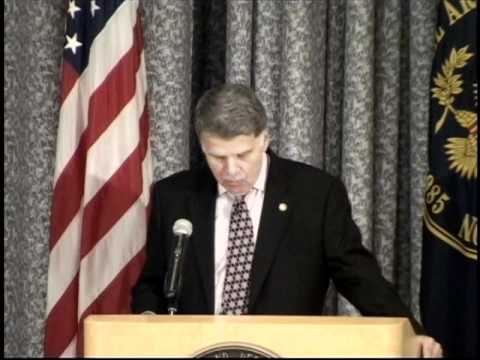
David S. Ferriero, the Archivist of the United States, delivered the State of the Archives Address on December 2, 2010, outlining key initiatives and challenges.
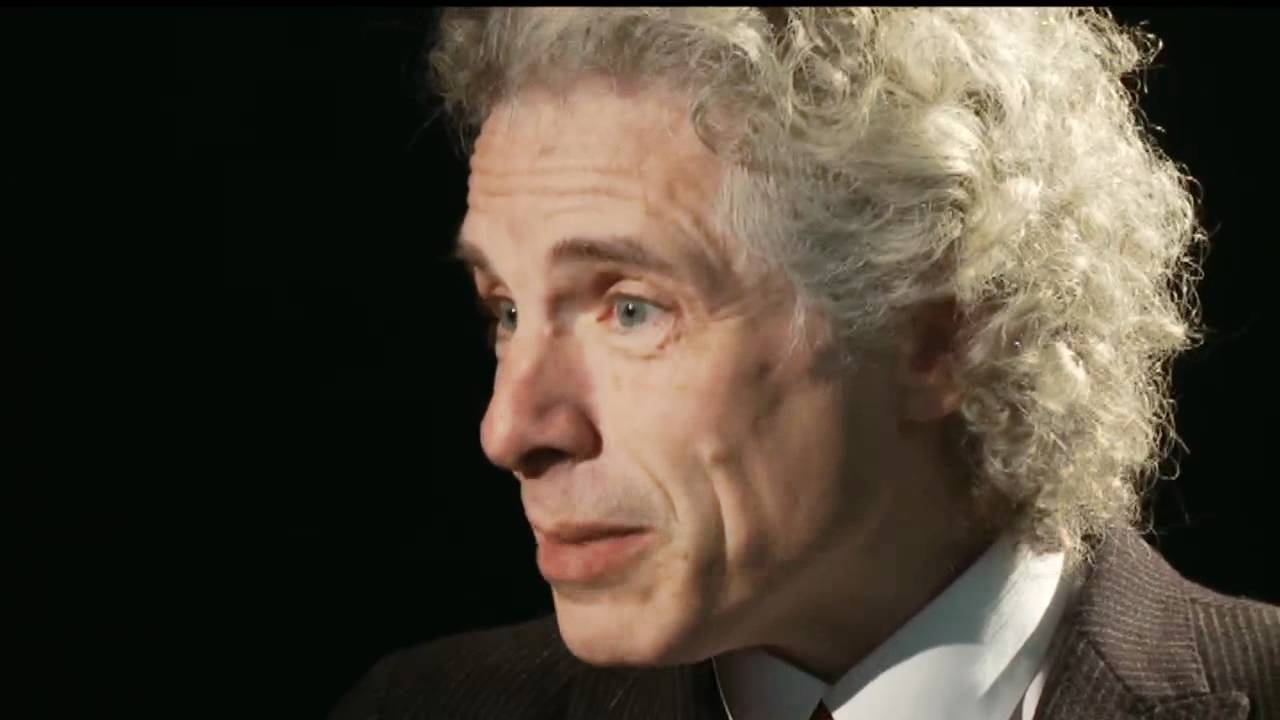
Stephen Pinker highlights the decline of violence and wars in his book, The Better Angels of Our Nature.
Martin Smith's reporting on Obama’s War, Michael Kirk's investigation of the financial crisis, and Ofra Bikel's examination of the O.J. Simpson verdict highlight critical societal issues.
In 1986, Justice Antonin Scalia was confirmed to the Supreme Court with a unanimous vote of 98 to 0, a stark contrast to the contentious nominations that followed.
Ted Olson served as solicitor general under President George W. Bush from 2001 to 2004 and argued in the Supreme Court case Bush v.
Senate Majority Leader Mitch McConnell's remarks after Justice Antonin Scalia's death are described by Tom Daschle as 'one of the most troubling' in his career.
Ta-Nehisi Coates discusses the metaphor of having one's foot on another's neck to illustrate how privilege requires justification for oppression.
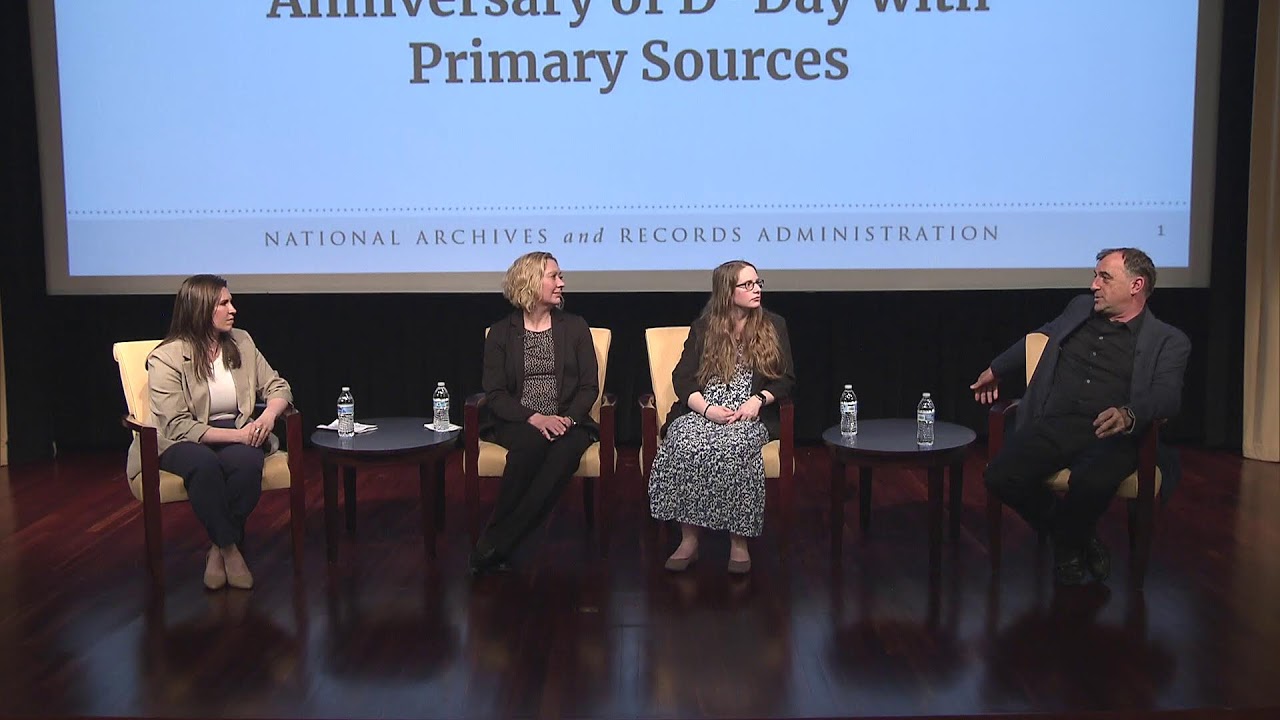
An evening workshop at the National Archives features a discussion on teaching strategies for the 80th anniversary of D-Day, led by historian Alex Kershaw.
Historian Ted Widmer analyzes Abraham Lincoln's commitment to the principles of the Declaration of Independence and his vision for a united nation amid the tensions of slavery.