From over 100,000 films, discover the handful you'll love.
Free or premium access to the world's largest documentary library.
22463 films(Page 271 of 468)
Michael Hyde reflects on his experiences as a student revolutionary in 1960s Australia, revealing the extensive surveillance conducted by ASIO on dissenters.
Frederick Douglass, an influential abolitionist and statesman, escaped slavery in 1838 and became a prominent advocate for African American rights and equality.
Prince Charles navigates the complexities of royal duty, personal isolation, and unfulfilled expectations as the longest-serving heir apparent in British history.
Thomas Jefferson wrote to artist Charles Wilson Peale in January 1802 about his plan for a general university in Virginia, which he considered a major achievement.
Hannibal Barca's military strategies during the Second Punic War, including his famous Alpine crossing and use of war elephants, nearly led to Rome's downfall.
Appleton Oaksmith's life as a sea captain during the mid-19th century highlights key events like the California Gold Rush and the Lincoln administration's efforts against the slave trade.
A conman posed as various high-profile figures, including a top surgeon and a royal confidant, attempting to infiltrate Windsor Castle and deceive celebrities.
Jewish identity in Ukraine and Germany is explored through the experiences of commander Ilya Shpolyansky and author Daniel Arkadij Gerzenberg amid cultural memory and conflict.
In early 11th century Normandy, eight-year-old William faces challenges to his legitimacy as he inherits the duchy after his father Robert I's death.
Ayal, a Tank Commander in the Israeli army, faces the challenges of balancing military service with a family grappling with illness and death.
115 years before John F. Kennedy addressed the Irish Parliament, his great grandparents left Ireland for America in search of a better life.
Aubrey Paris and Emily Black analyze the 2004 film National Treasure, exploring its historical context, character ethics, and behind-the-scenes insights.
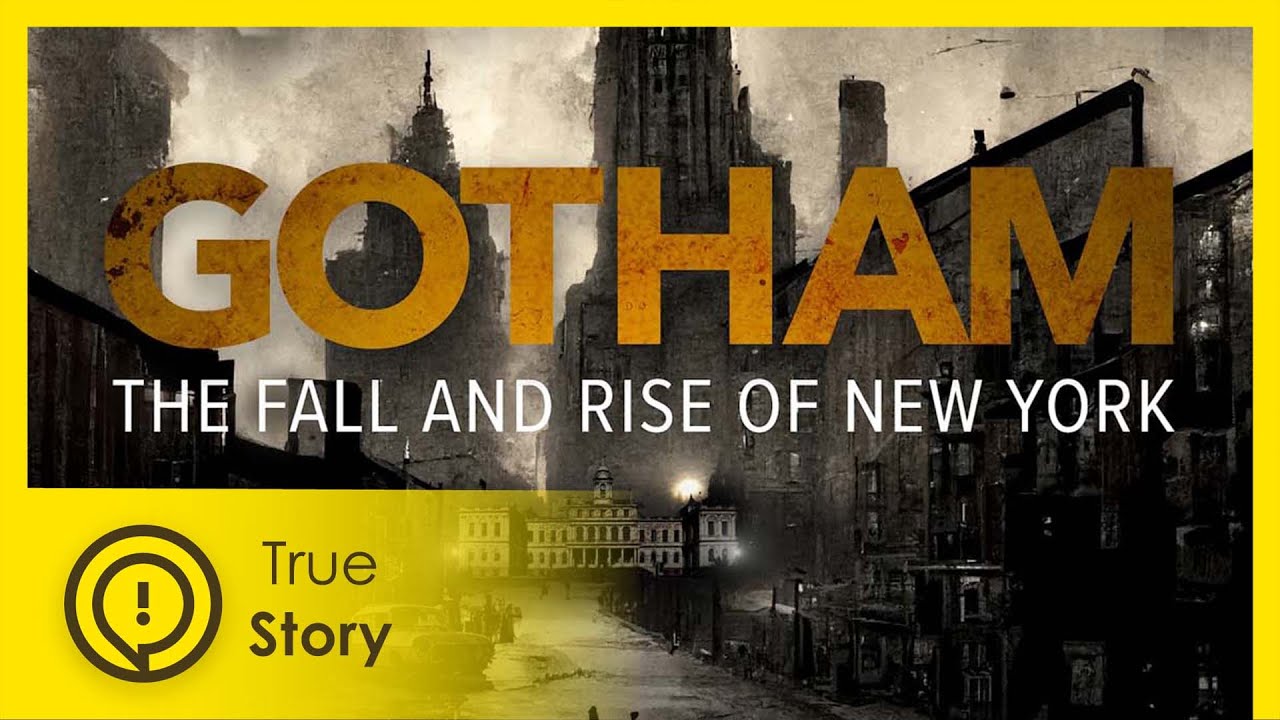
New York City's transformation from a crime-ridden metropolis in 1990 to a revitalized urban center by 2013 highlights the impact of innovative political leadership and grassroots change.
Dr. Gregory Nobles discusses Betsey Stockton's life as a former slave who became a pioneering educator in the Hawaiian Islands during the 19th century.
Alexander Hamilton's strategies as the first U.S. Secretary of the Treasury shaped America's financial system, influencing democracy and wealth in the nation's founding.
Samantha Bode backpacks the 338-mile length of the Los Angeles Aqueduct, revealing the challenges of water access in the region.
In the coal regions of Pennsylvania, Brian and Nick explore local cuisine by making pierogies and kielbasy while engaging in off-roading adventures.
In 1982, Vincent Chin was beaten to death in Detroit, leading to a federal civil rights trial that became a catalyst for the Asian American movement.
Vladimir Putin's consolidation of power in Russia is exemplified by his manipulation of the oligarchs, culminating in the public caging of the nation's wealthiest man in 2003.
After the October Revolution of 1917, the Bolsheviks' restrictions on art led to a flourishing avant-garde movement that influenced Russian culture and contemporary dissent.
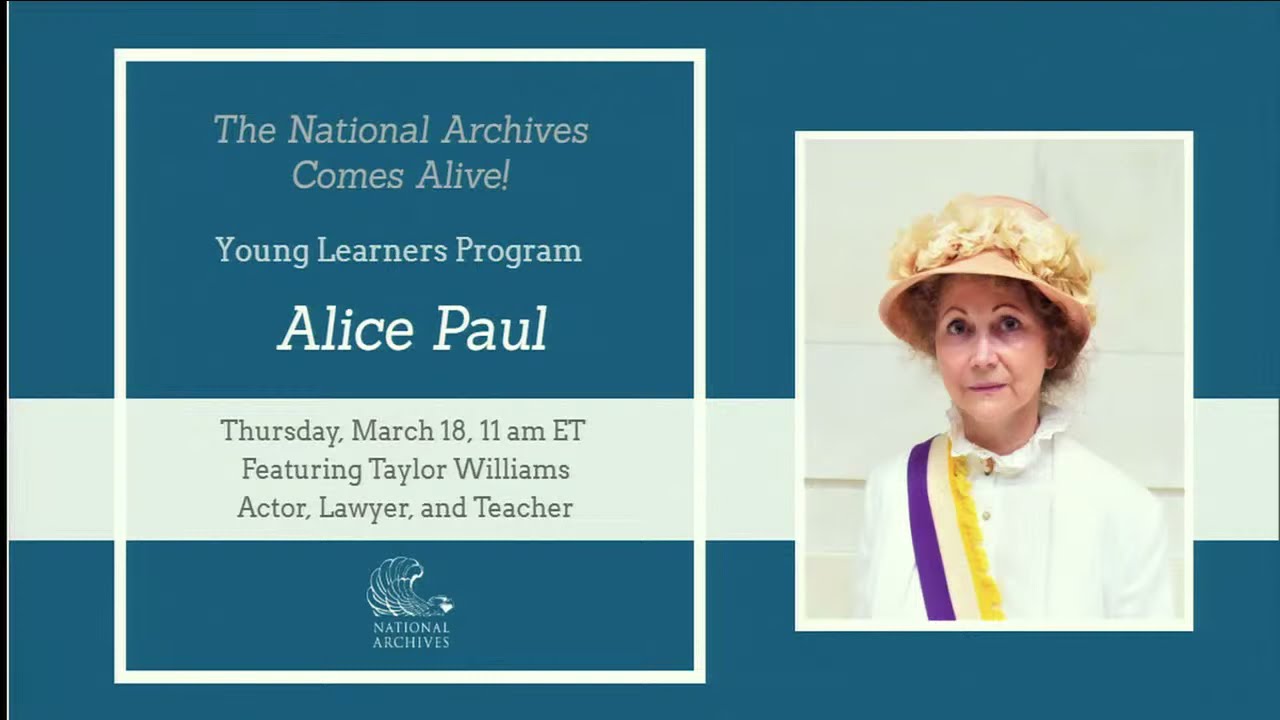
Alice Paul, suffragist and founder of the National Women’s Party, is highlighted in a program at the National Archives aimed at young learners.
Princess Diana, known as the "People's Princess," is remembered for her compassionate humanitarian advocacy and significant contributions to various charitable causes.
Rumi Missabu, cofounder of San Francisco's Cockettes, shares his life through archival footage and interviews with notable queer artists.
Paris Metro, over a century old, features 220 km of rail and 302 stations, serving over five million daily riders and connecting to the Grand Paris Express.
In 1916, 400 New Zealand miners excavated 19 km of tunnels in Arras, France, to support a surprise attack during World War I, significantly impacting the battle's outcome.
Culinary practices in ancient Rome showcased a blend of refinement and excess, highlighting innovations in food preparation and dining customs, including techniques from the chef Apicius.
Journalist Jack Tame and chef Ray McVinnie explore their complex ancestry through DNA testing, revealing unexpected connections to their heritage.
In the Sahara desert, the Tuaregs, known as the "Blue Men," navigate their harsh environment while upholding traditions of honor and hospitality amidst modern challenges.
The O.J. Simpson murder case prompted a surge of opportunism as various individuals and companies sought to profit from its immense media attention.
Siam, an elephant born in India in 1946, transitioned from labor to fame in the Knie Circus and Pierre Etaix's film YoYo before his death in 1997.
In Montabaur, Germany, the 1st Division of the U.S. Army conducts military maneuvers, inspections, and community events from December 1918 to September 1919.
In 1849, Elizabeth Blackwell became the first woman in America to earn an M.D., later co-founding the New York Infirmary for Indigent Women and Children with her sister Emily.
Vincent Van Gogh's transformation from a failed missionary to a revolutionary artist is explored through historical archives and scientific analysis of his works.
Campi Flegrei, a 20 km wide caldera near Pozzuoli, poses a significant volcanic risk to densely populated areas around Naples, despite its last eruption in 1538.
Mary Burkett, an untrained artist, created a poignant collection of drawings depicting 27 children killed at Auschwitz, promoting messages of love and tolerance.
Roberto Clemente day and Jackie Robinson day serve as focal points in the discussion of race and workers' rights within Major League Baseball.
On September 16, 1821, James Madison, portrayed by John Douglas Hall, reflects on his role in drafting the Constitution 34 years earlier.
In the early 20th century, a coalition of lawyers and activists transformed the judiciary into a protector of free speech, shaping American democracy.
Southern Sudan experiences a hopeful return of refugees and greater autonomy following a peace deal, despite ongoing tensions and challenges with the North.
Thirteen of the fifteen jockeys in the first Kentucky Derby in 1875 were African American, a fact largely overlooked in contemporary accounts.
Britain's bloodiest Monday in history is examined through the lens of pivotal conflicts, featuring insights from archaeologists and weapons experts.
Father Kino's efforts in Arizona to protect Native people's rights and his geographical discoveries prompt reflections on modern immigration and border issues.
Willie Jackson and Shavaughn Ruakere trace the complex ancestry of a rugby star great-grandfather who lived under three different names.
NASA's Apollo 11 mission is examined through newly discovered 65mm footage and audio recordings, featuring insights from director Todd Douglas Miller and producer Thomas Peterson.
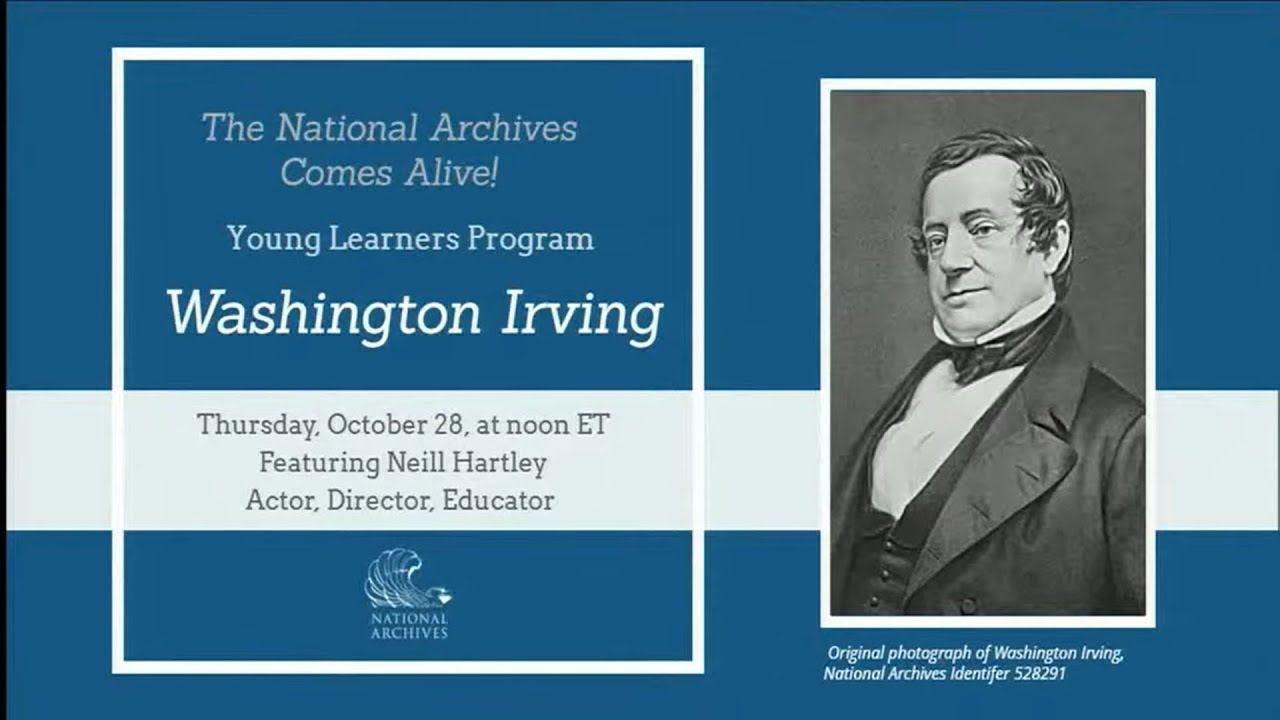
Washington Irving, the father of the American short story, is portrayed by Neill Hartley as he shares insights and readings from his works, including "The Legend of Sleepy Hollow."
Xinjiang, China's westernmost province, has a complex history shaped by Turkic kingdoms, Uyghur identity, and the Chinese Communist Party's political control.
In the 1830s, President Andrew Jackson sent merchant John M. Forbes on a secret mission to establish trade relations with Eastern potentates amid post-Napoleonic market challenges.
In Peru's Chan Chan, the Chimú culture worshipped the Moon through rituals, while astro-photographers and cyclists celebrate its beauty across the Americas.