From over 100,000 films, discover the handful you'll love.
Free or premium access to the world's largest documentary library.
22463 films(Page 282 of 468)
In 1889, the Johnstown Flood in Pennsylvania caused widespread devastation, revealing remarkable stories such as a Union soldier's bible that saved his life.
In Beirut, journalist Wissam Charaf recounts his childhood experiences of war amidst the ongoing Israeli bombing campaign in Lebanon in March 2026.
The Black Watch sniper platoon, which suffered the highest casualties among Canadian regiments in World War II, shares their experiences from the liberation of Western Europe.
Claude Monet's lifelong obsession with capturing light shaped the Impressionist movement, rooted in Paris and influenced by diverse artistic inspirations.
Ancient Rome's transformation from a small city-state to a vast empire is examined through its legendary commanders, epic battles, and political intrigue.
Montana served as a critical training ground for the Devil's Brigade, the elite commando unit that fought against the Axis powers during World War II.
Franklin D. Roosevelt and Winston Churchill participated in the White House Christmas Tree Lighting Ceremony on December 24, 1941, amidst World War II.
Bernard Lafayette reflects on the teachings of Dr. Martin Luther King Jr. and emphasizes the ongoing relevance of nonviolence in contemporary social justice movements.
In June 1964, the U.S. Air Force provided critical assistance to Niigata citizens following a devastating earthquake that caused extensive damage and an oil refinery fire.
Eliza Harriot Barons O’Connor's 1780s lectures at the University of Pennsylvania influenced the Constitution's gender-neutral language and promoted women's education.
The epic tale of the Volsungs in Norse mythology features hero Sigurd, who slays the dragon Fafnir and navigates themes of betrayal and fate.
Stewart, British Columbia, a town shaped by its gold rush past, faces challenges of isolation and changing demographics while still hosting the Granduc copper mine.
Ben Zygier, an Australian citizen and alleged Mossad agent, died in solitary confinement in Israel in 2010, raising questions about government transparency and censorship.
Hosted by Jamie Theakston, this exploration of controversial historical theories examines lost treasures, secret codes, and suppressed events across Britain.
Military bomber aircraft, from the Avro Lancaster to the B-52 Stratofortress, have significantly influenced warfare strategies and historical conflicts.
Zafimaniry people of Madagascar are renowned for their intricate wood crafting, a tradition recognized by UNESCO as a Masterpiece of Human Heritage.
In Sri Lanka, gemology student Shina explores the origins of sapphires and rubies, while monk Dhamma Dassi seeks spiritual enlightenment on Sri Pada.
Vincent Van Gogh's set of seven sunflower paintings, created for Paul Gauguin's arrival in Arles, has experienced a remarkable and tumultuous history.
In 1971, Daniel Ellsberg leaked 7,000 pages of top secret documents to The New York Times, revealing the deception behind the Vietnam War and influencing U.S. politics.
In New Hampshire, an American version of Stonehenge presents a Scrooge-like figure facing unexpected challenges and mysteries.
Mitsugi Nishikawa's case against John Foster Dulles, along with two other significant cases, is presented through an audio recording from the Supreme Court's archives.
Rembrandt's artworks, created throughout his adult life, have been dispersed worldwide, each with its own unique history and significance.
Roman mythology, Norse legends, and the epic of The Iliad illustrate how war shapes narratives and cultural identities throughout history.
Five black women recount their experiences in Canada from the 1920s to the 1950s, detailing their roles in community, work, and family life.
Myths and legends from cultures such as the Ancient Greeks, Norse, and Celts reveal how wilderness shapes human fears and aspirations.
News anchor Simon Dallow's DNA test reveals a connection to the Spanish Inquisition, while supermodel Kylie Bax links to a Siberian tribe and a chocolate dynasty.
Racism's roots in the transatlantic slave trade are examined through the insights of scholars and activists, revealing its lasting impact on modern society in the United States and Europe.
In 1968, the Tet Offensive intensified opposition to the Vietnam War in the U.S., while social revolutions erupted in Paris and Germany, and the Prague Spring faced Soviet invasion.
During World War II, the mobilized hundreds of women who played a crucial role in shaping Canadian cinema.
America has had 43 leaders since declaring independence in 1776, each facing unique challenges in the race for the presidency.
A California woman's six-year experience with a haunting leads to the investigation of an unsolved murder, raising questions about the nature of her ghostly visitor.
Young Israeli soldiers navigate the challenges of transitioning to civilian life after combat, focusing on resilience, community, and personal growth.
In 1990, Marlene Warren was murdered by a clown at her door, leading to a 27-year investigation that ultimately identified her ex-husband's girlfriend as the killer.
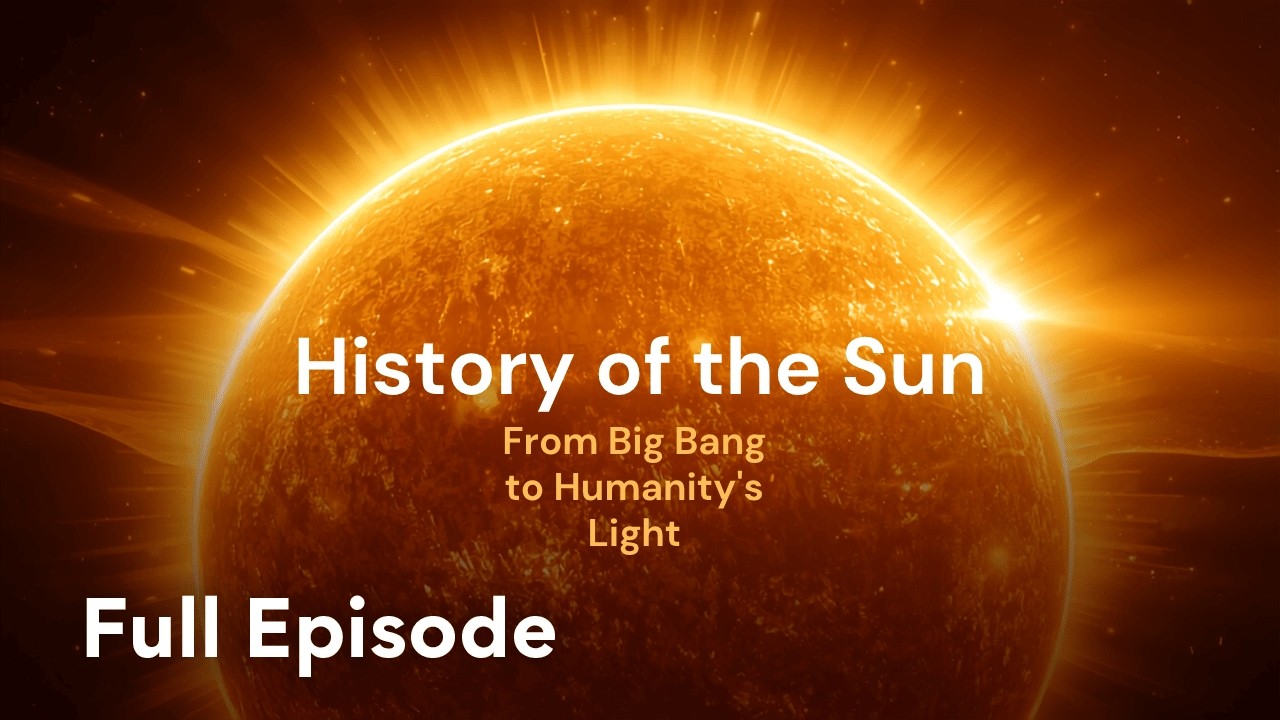
The sun has influenced human existence through its impact on air quality, skin color, time perception, religion, and scientific development since the Big Bang.
In 1969, Yale University began admitting women, marking a significant shift in educational equality as young women challenged the institution's longstanding male traditions.
Francisco Graupera reflects on his life and the realities of living under communism in Cuba, challenging common misconceptions about the Revolution.
A 1779 advertisement in a Baltimore newspaper listed the clothing items a woman named Nanny took with her as she escaped to freedom.
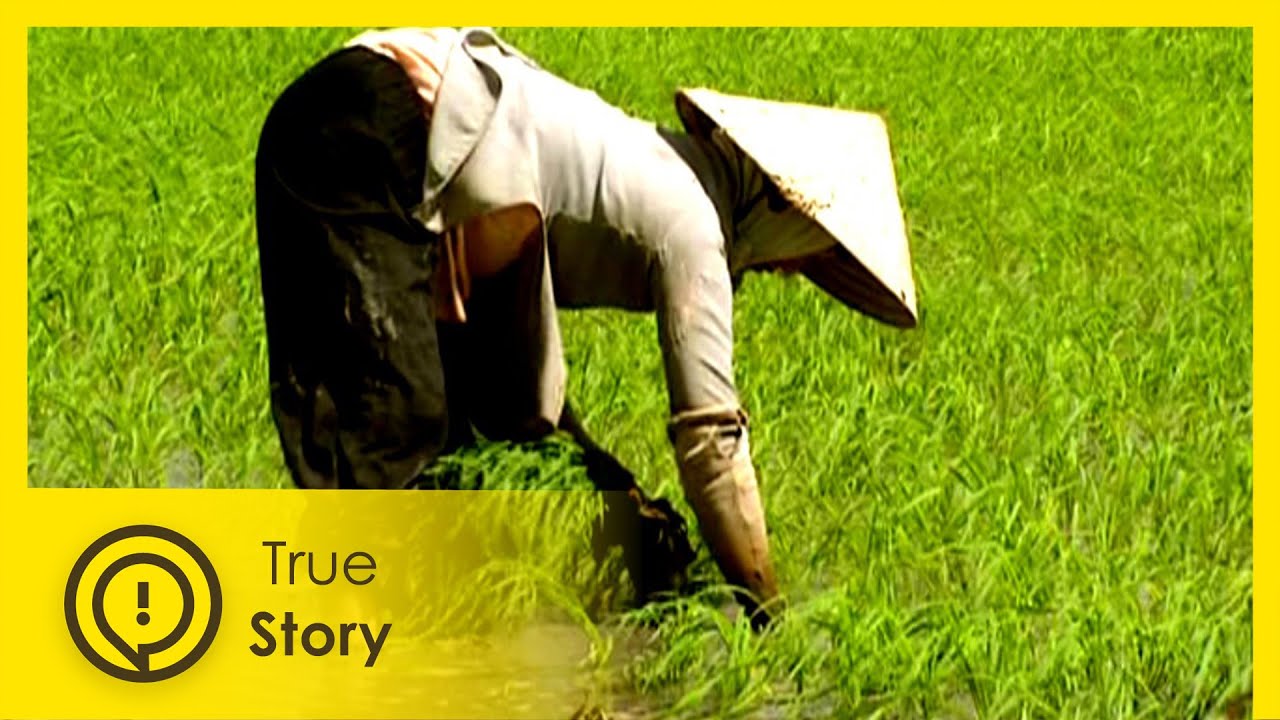
The Mekong River serves as a vital trade route for thousands of Vietnamese, whose traditional lifestyles are increasingly influenced by modern commerce and tourism.
In 1811, residents of Greenwich Village fought to keep their streets distinct from Manhattan's grid plan, setting the stage for decades of artistic and political expression.
Pamela Anderson discusses records from the National Archives in Kansas City that detail how dietary guidelines, textiles, and electricity shaped American domestic life.
Paleontological research since 1993, influenced by Steven Spielberg's "Jurassic Park," reveals that dinosaurs likely had feathers and diverse appearances, challenging previous perceptions.
Ronald Reagan's 1983 address at the Capitol Centre in Landover, Maryland, commemorates the resilience and strength of Jewish Holocaust survivors.
Commander Massoud, known as the "Lion of Panjshir," was assassinated two days before 9/11, raising questions about ignored warnings regarding the Taliban and Osama Bin Laden.
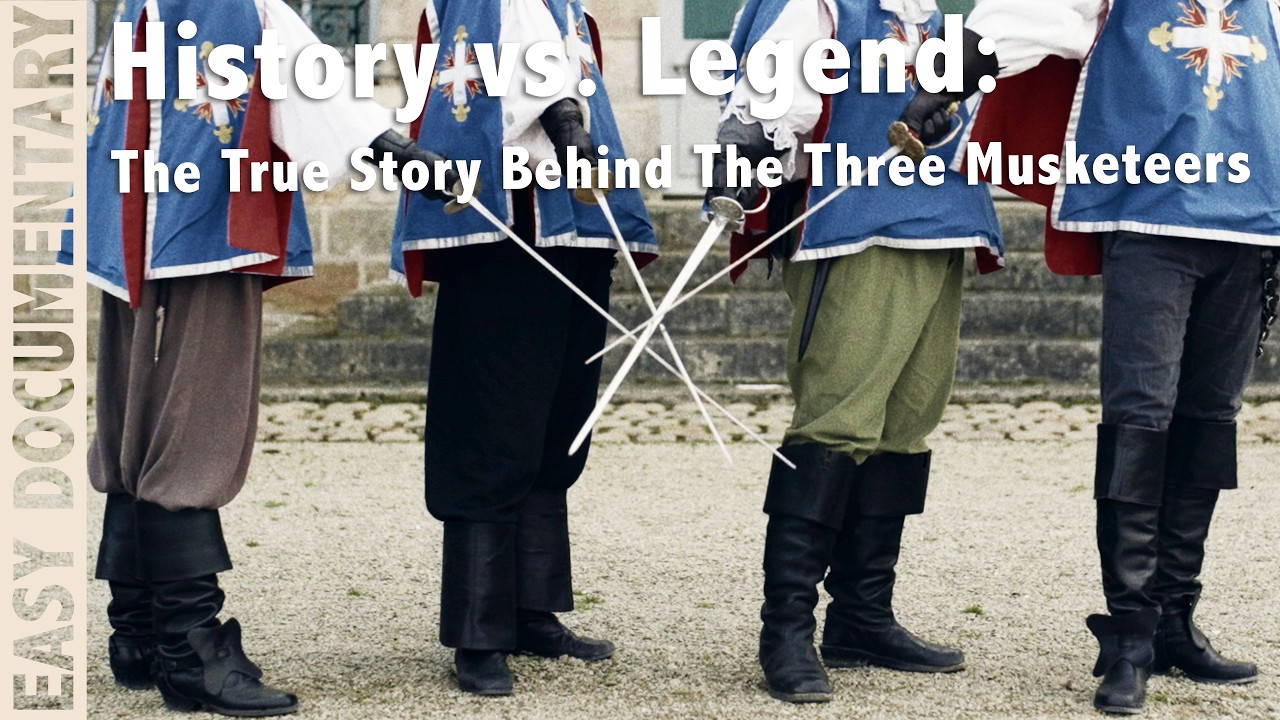
The King's Musketeers, an elite military unit protecting the French monarchy, played a far more complex role in history than the fictionalized characters in Alexandre Dumas' novel.
The political landscape in Iraq faces significant challenges in February 2004, as American forces struggle to maintain control after nearly a year of occupation.
The quest for an unbreakable code in cryptography examines historical milestones and the implications of quantum computing on data security.
In 1963, Cape Canaveral hosted significant events including missile launches, the construction of the Titan III facility, and a tour by President John F. Kennedy.
Brest's harbor in 1918 showcases the arrival of U.S. troops, including the 304th Field Artillery and 61st Infantry, as they debark from various transports and set up camp.











![Documentary backdrop image for Oral Arguments, Mitsugi Nishikawa v. John Foster Dulles [Case 19] 10/28/57 (2024)](https://i.ytimg.com/vi/u5aWeWIHw5k/maxresdefault.jpg)












![Documentary backdrop image for Base Section No. 5 (Brest), Troop Arrival and Rest Camp Scenes [1918] (2018)](https://i.ytimg.com/vi/LaJs65kfKl4/maxresdefault.jpg)