From over 100,000 films, discover the handful you'll love.
Free or premium access to the world's largest documentary library.
22463 films(Page 361 of 468)
The United States implements the Marshall Plan to rebuild post-war Europe and counter Soviet influence.
The Mexican American War leads to significant U.S. territorial expansion in the 1840s.
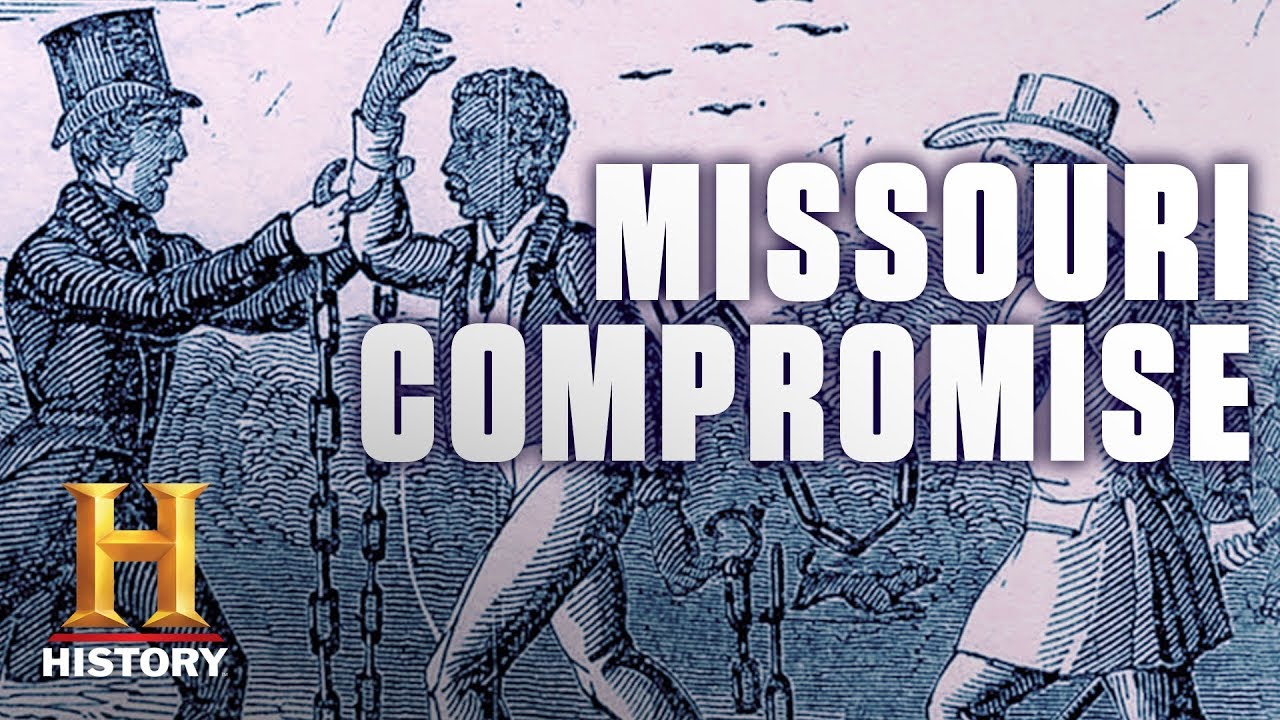
The Missouri Compromise of 1820 balances slave and free states in America.
Jefferson's writing table is significant for drafting the Declaration of Independence in 1776.
Most people believe the Great Wall of China was built at once, but it took centuries to construct.
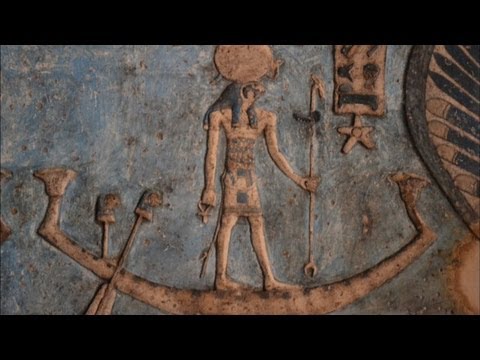
Ancient Egyptian beliefs about chaos and order were deeply influenced by their worship of demigods and deities like Isis, shaping their worldview and daily practices.
The Articles of Confederation created a weak government before the US Constitution was established.
Edmund McIlhenny creates Tabasco sauce on Avery Island, Louisiana, after the Civil War.
Air crews in the Southwest Pacific name and decorate their planes, creating an emotional bond that helps them cope with the stresses of combat.
Greenland's strategic location in the Arctic is increasingly significant in global geopolitics, influencing relations among the United States, China, and Denmark.
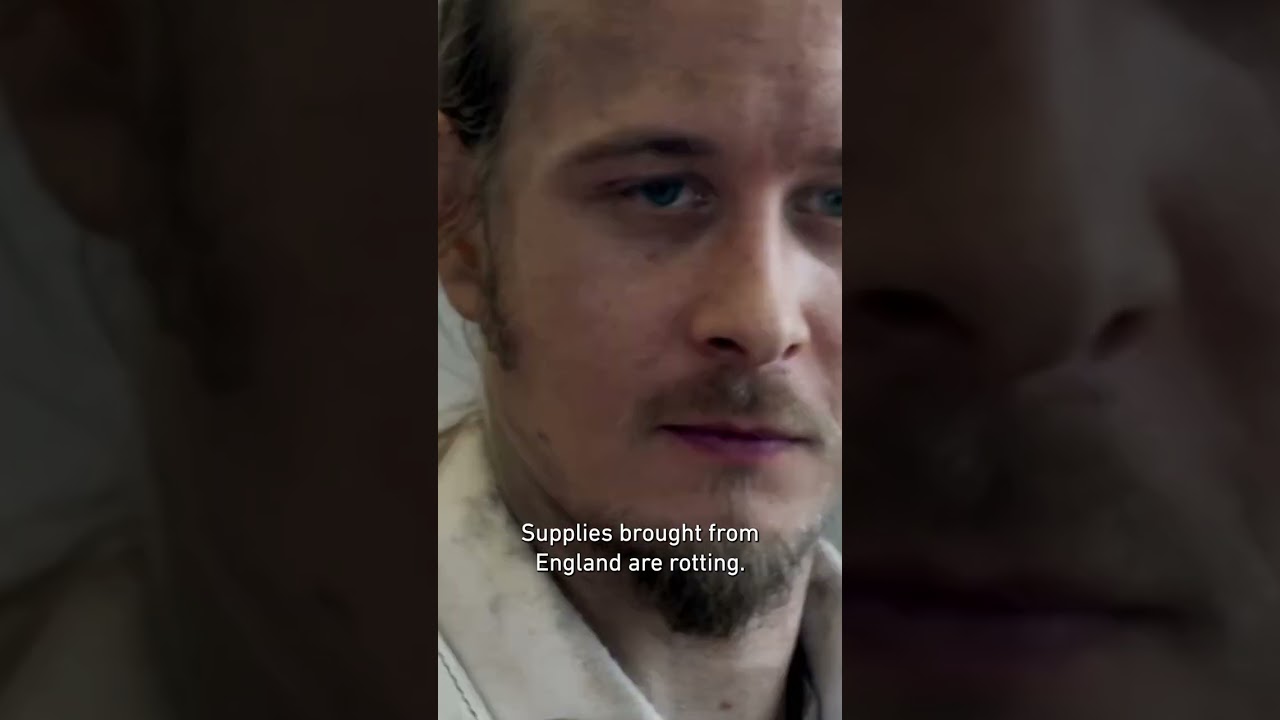
Supplies brought from England to the British penal colony were rotting as convicts and their jailers faced imminent starvation.
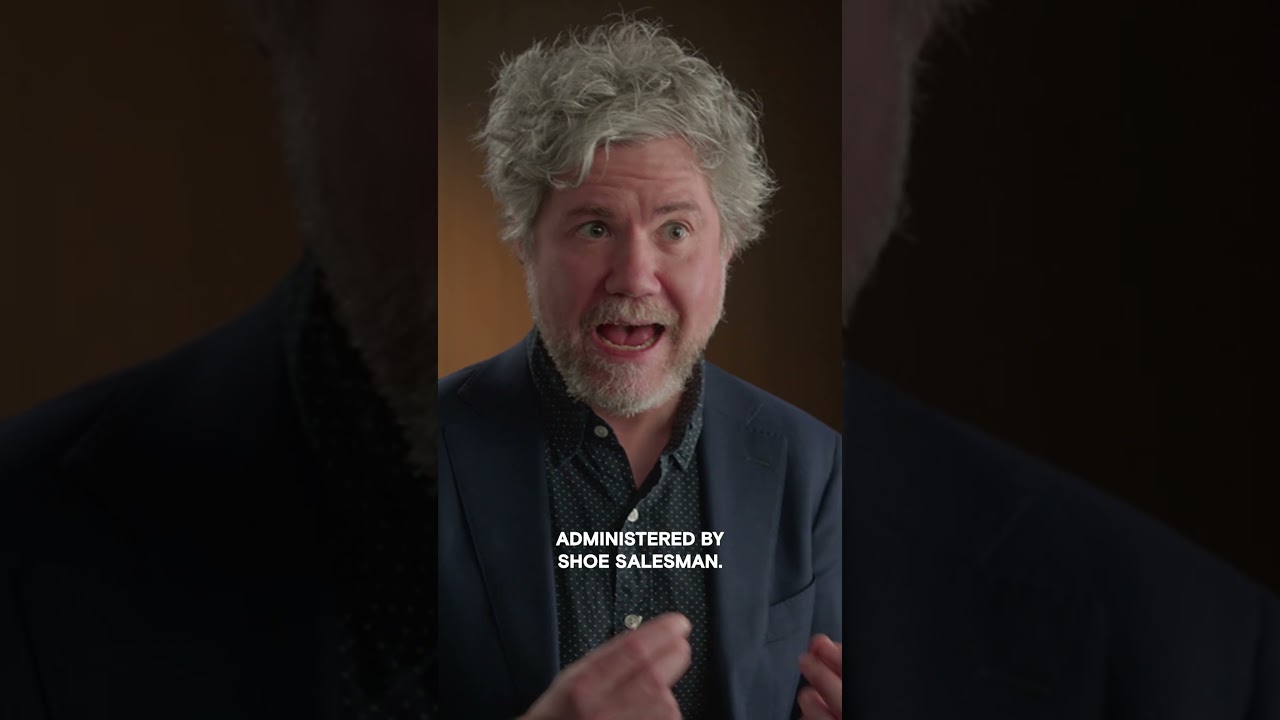
X-ray technology in shoe stores once led to hazardous practices, paralleling other unsafe trends like doctors endorsing smoking and children playing with radioactive toys.
Smallpox significantly impacted Native American populations in the 18th century, leading to devastating mortality rates and altering the course of history in the Americas.
In 1991, the Magic Circle began accepting women, marking a significant shift in a society founded in 1905 that had long been male-dominated.
Hannibal, the Carthaginian general renowned for his tactics during the Second Punic War, is examined through the historical context of his life and legacy.
The video reveals the origins of 'Jack the Ripper' and its historical significance.
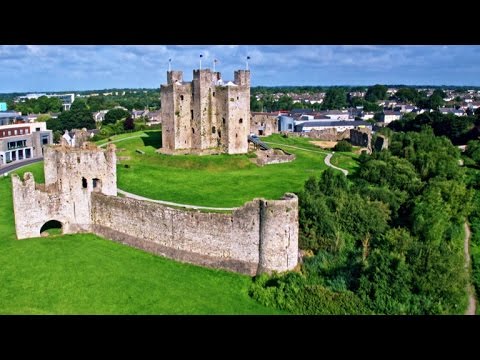
Excavations at Trim Castle in the 1970s revealed 10 headless skeletons, the remains of executed thieves displayed on spikes.
The Ark of the Covenant, a pivotal religious artifact, remains a subject of intrigue and speculation regarding its current location and historical significance.
Heinrich Himmler chooses Wewelsburg Castle as the Nazi fortress for the Schutzstaffel.
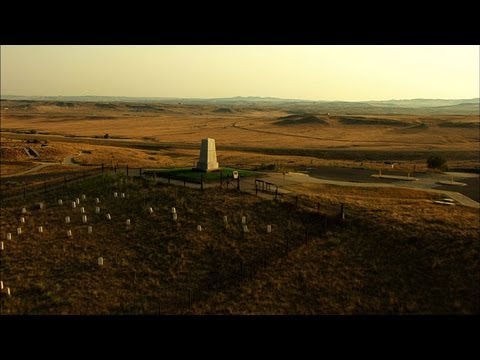
Custer's Last Stand at Little Bighorn River features Lakota and Cheyenne warriors defeating him.
Exploration of cosmic phenomena raises questions about the origins of extraterrestrial life and the potential sources of alien civilizations.
A step-by-step guide details how to mix the Whetstone Punch cocktail, created by Phoebe Esmon and Christian Gaal for the Smithsonian.
The National Mall attracts millions of visitors, especially during the Cherry Blossom Festival.
Race-based federal lending rules from New Deal programs in the 1930s systematically excluded Black families from suburban neighborhoods, impacting economic mobility.
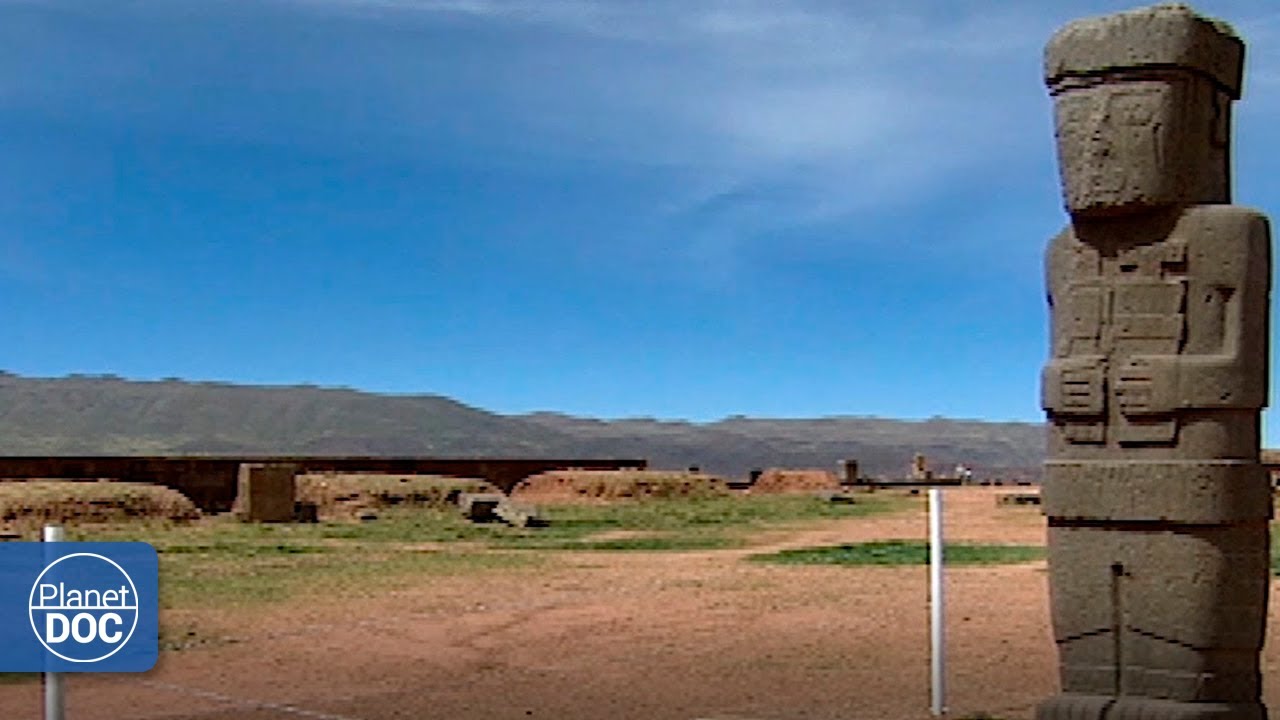
The video presents an ancient civilization from the islands of the Sun and the Moon.
New evidence suggests King Djedefre may have built the Great Sphinx after all.
A gilded wooden box and a miraculous healing cup, revered by cultures and sought after by emperors and popes, highlight the historical significance of mystical objects.
The Trump administration's revival of a Nixon-era budget tactic reignites the debate over presidential power versus congressional authority in U.S. governance.
The Sumerians' counting method leads to the 60 seconds in a minute we use today.
A letter from Major John Andre reveals that Peggy Arnold may have been involved in passing coded messages related to Benedict Arnold's betrayal.
Albert 'Bertie' Edward, Queen Victoria's second son, used a specially made sex chair at a Paris brothel designed for his considerable girth.
Alexander the Great married Roxana, a Bactrian princess, to establish a Persian Greek dynasty, marking a significant political statement in 4th century BCE.
Anne Frank, a widely read writer, documents her life in hiding during the Holocaust.
Ho Chi Minh leads North Vietnam's fight for independence from French colonial rule.
Experts examined DNA from royal mummies to clarify Tutankhamun's family tree.
Klaus Fuchs, a key figure in the Manhattan Project, provided critical nuclear secrets to the Soviet Union, influencing the dynamics of the Cold War.
Queen Louise of Prussia confronted the most powerful man in the world after a war shattered her dreams of being a devoted wife and mother.
In 1783, Jean-François Pilâtre de Rozier became the first human to reach the sky in a hot air balloon, witnessed by 400,000 spectators.
Survivors of the Black Death in 14th century Europe faced immense challenges, shaping their communities and influencing societal changes in the aftermath.
The Great Sphinx in Giza protects the tombs of Khafre and Khufu, raising questions about its face.
The video highlights U.S. military bases and their representation of imperialism worldwide.
Eva Kor, a Holocaust survivor, forgave the Nazis for their atrocities, highlighting the transformative power of forgiveness in healing and understanding.
U-boats face greater danger from Allied aircraft patrols than from warships during WWII.
Al Capone became America's most infamous gangster during Prohibition, known for his public persona and a press conference denying involvement in a murder.
Scots-Irish individuals, from William 'Braveheart' Wallace to Neil Armstrong, have significantly influenced history and culture, shaping Scotland's quest for independence.
Period dramas often ignore the racial diversity present in British history, especially outside the UK.
Racial segregation in public schools persists decades after the landmark Brown v.
Sudan faces potential civil war amid rising global conflicts in Ethiopia and Myanmar.