From over 100,000 films, discover the handful you'll love.
Free or premium access to the world's largest documentary library.
22463 films(Page 84 of 468)
Over two centuries, nearly 60,000 people, mostly women, were executed for witchcraft in hunts that spread across Europe and the Americas.
Jewish partisans in World War II recount their experiences of resistance against Nazi oppression, highlighting their bravery and determination amidst adversity.
Martin Bashir's controversial 1995 interview with Princess Diana is examined through a four-month investigation by journalist John Ware, revealing ethical breaches by the BBC.
The Great Pyramid of Giza, built with 2.3 million stone blocks, weighs nearly six million tons and was the tallest building on Earth for 3,800 years.
Patricia Byers, a marine engineer, became the center of a brutal murder case in Australia, revealing a complex narrative of greed and deception.
Men in Indonesia dig up to ten meters deep in knee-deep mud to extract tin, facing hazardous conditions for minimal pay.
A 130-year-old mummy found in the American West reveals insights into crime, justice, and survival, potentially linked to an outlaw's identity.
In July 1361, an invasion force led by King Valdemar II of Denmark landed on Gotland's West Coast, pillaging farms and villages on its march to Visby.
In 1864, Alma Harding's desperate prayers for her husband Jerimiah's return from the Civil War intensify as their son Benjamin battles scarlet fever.
Simcha Jacobovici employs ground-penetrating radar and robotic cameras to investigate a 1st century tomb in Jerusalem, revealing significant archaeological findings.
More than 7,000 skeletons were found in the Hal-Saflieni Hypogeum, a prehistoric burial site in Malta dating back about 6,000 years.
Unused footage from the first season of Defunctland showcases extinct attractions, providing fans with a fresh perspective on beloved theme park experiences.
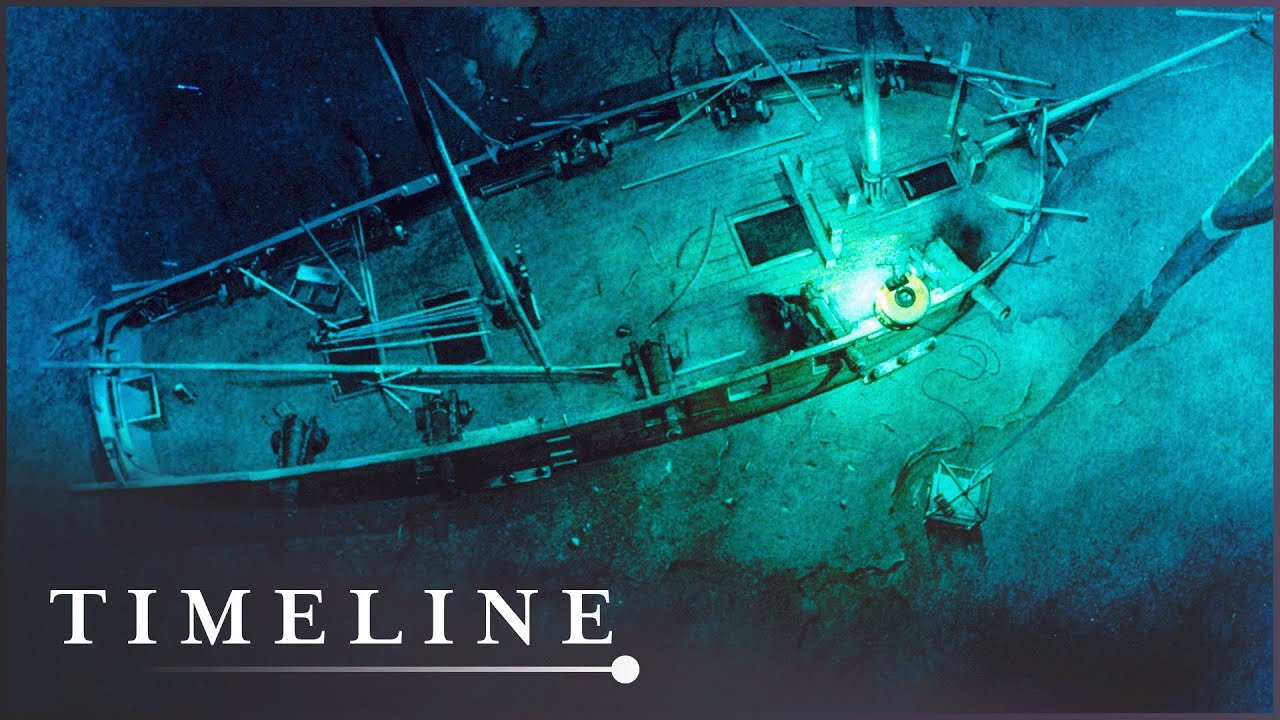
Over 80 American sailors died when the Hamilton and the Scourge sank during a violent storm on August 8, 1813, in Lake Ontario.
Trevor Hardy brutally killed three teenage girls in Manchester between 1974 and 1976, instilling fear in the community and earning the nickname "the beast of Manchester."
Operation Orchard details Israel's strategic airstrike on a concealed nuclear reactor in Syria, aided by Mossad intelligence and North Korean involvement.
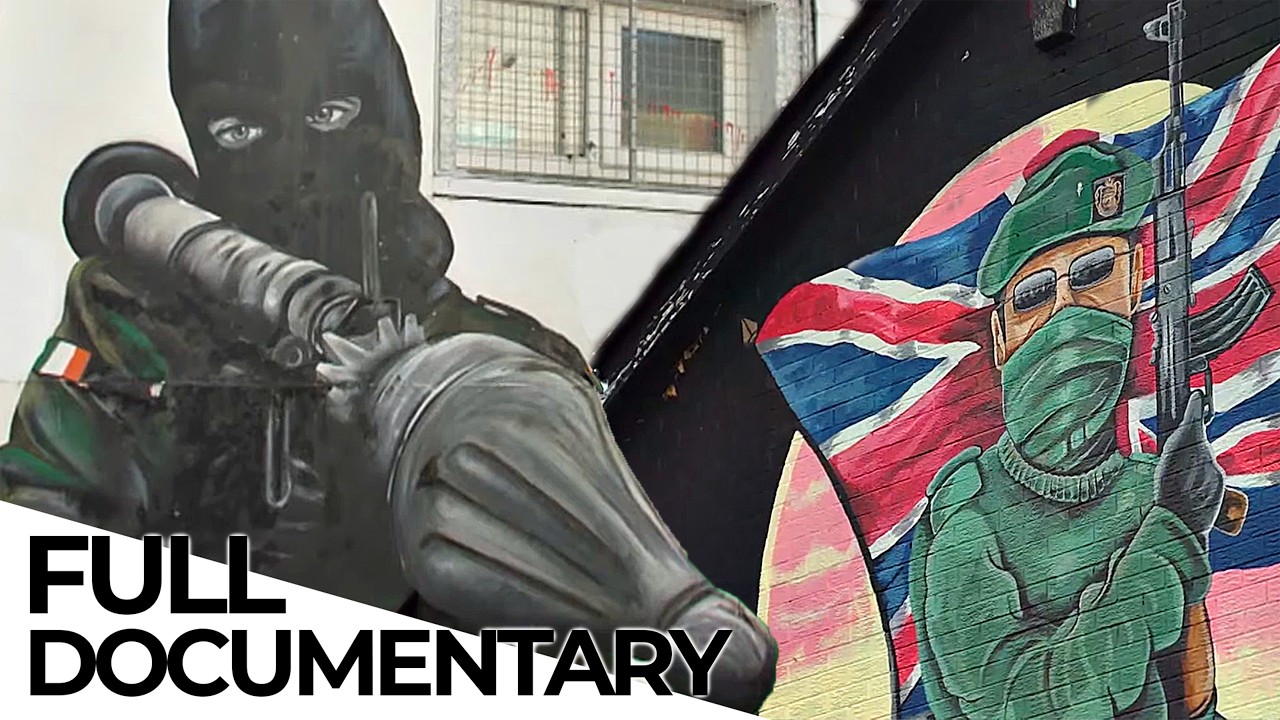
Northern Ireland's deep-rooted sectarian tensions, fueled by Brexit, risk reigniting violence as paramilitary groups and community rivalries persist.
In the aftermath of the 2004 Indian Ocean earthquake and tsunami, survivors in Southeast Asia unite to provide aid and support amid widespread devastation.
The Royal Mint Museum houses a remarkable collection of historic coins, each linked to England's monarchs and reflecting over 1,100 years of numismatic history.
Ancient Egypt's mysteries are explored through the insights of archaeologist Miriam Cooke and Egyptologist Dominic Montserrat, focusing on Tutankhamun's tomb and the pyramids of Giza.
Allied forces successfully breached mainland Western Europe through the Normandy landings, marking a pivotal moment in the liberation of the continent.
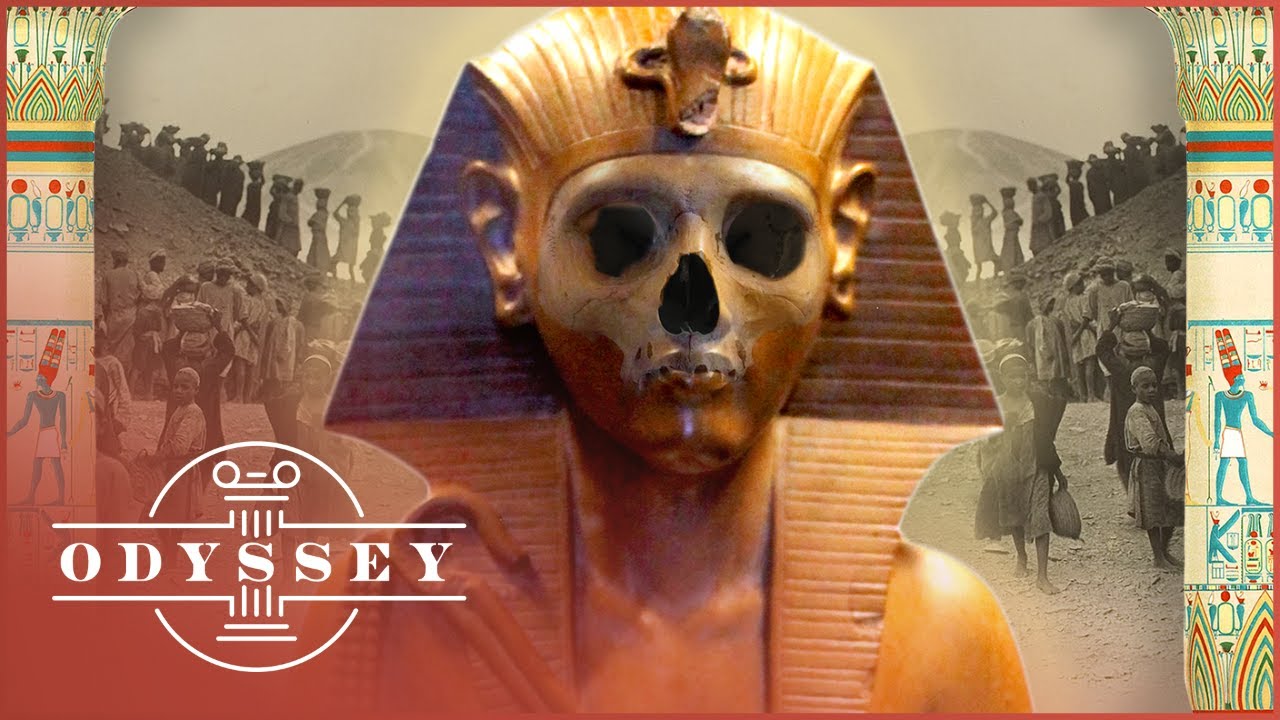
Akhenaten, the heretic Pharaoh of Ancient Egypt, faced the erasure of his legacy, prompting investigations into the whereabouts of his lost tomb and body.
In Standish, Gloucestershire, archaeological finds such as Roman brooches and coins suggest the existence of a nearby villa that remains undiscovered.
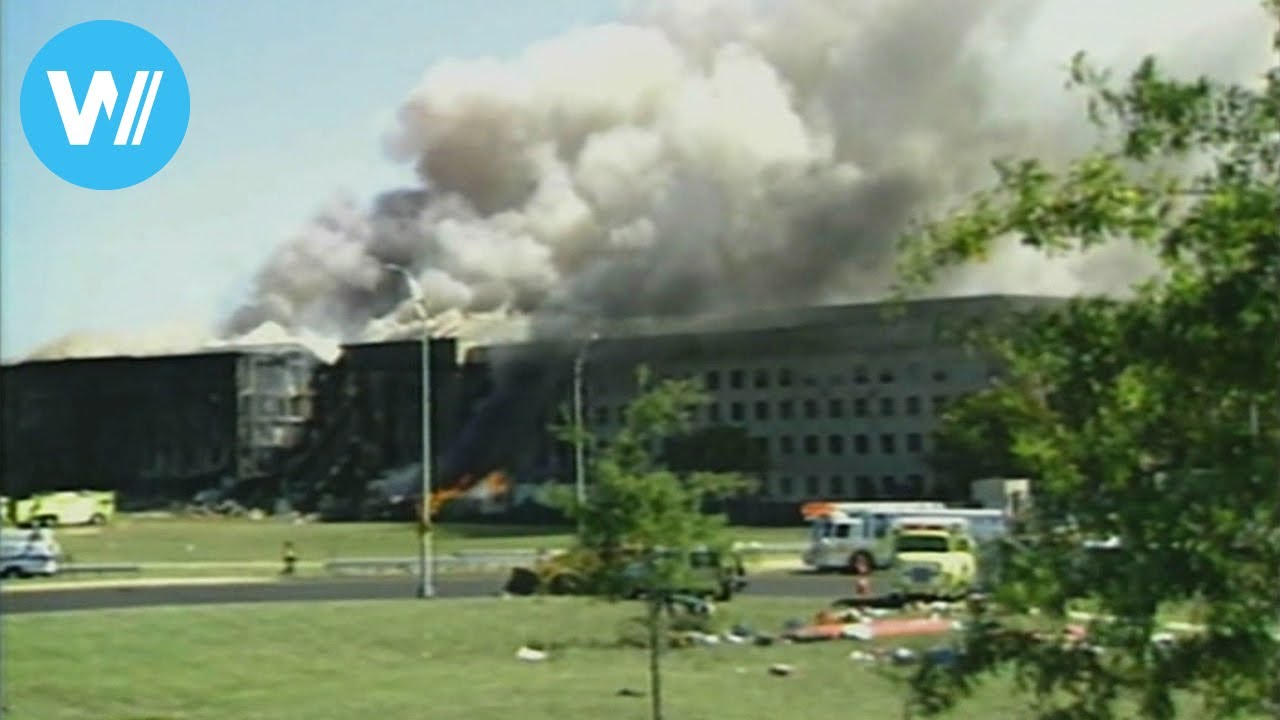
American Airlines Flight 77, which crashed into the Pentagon on September 11, 2001, is examined through eyewitness accounts and family testimonies to address conspiracy theories surrounding the event.
Queen Camilla's evolution from a controversial figure amid the Charles and Diana saga to a respected Queen consort is examined through her steadfast partnership with King Charles III.
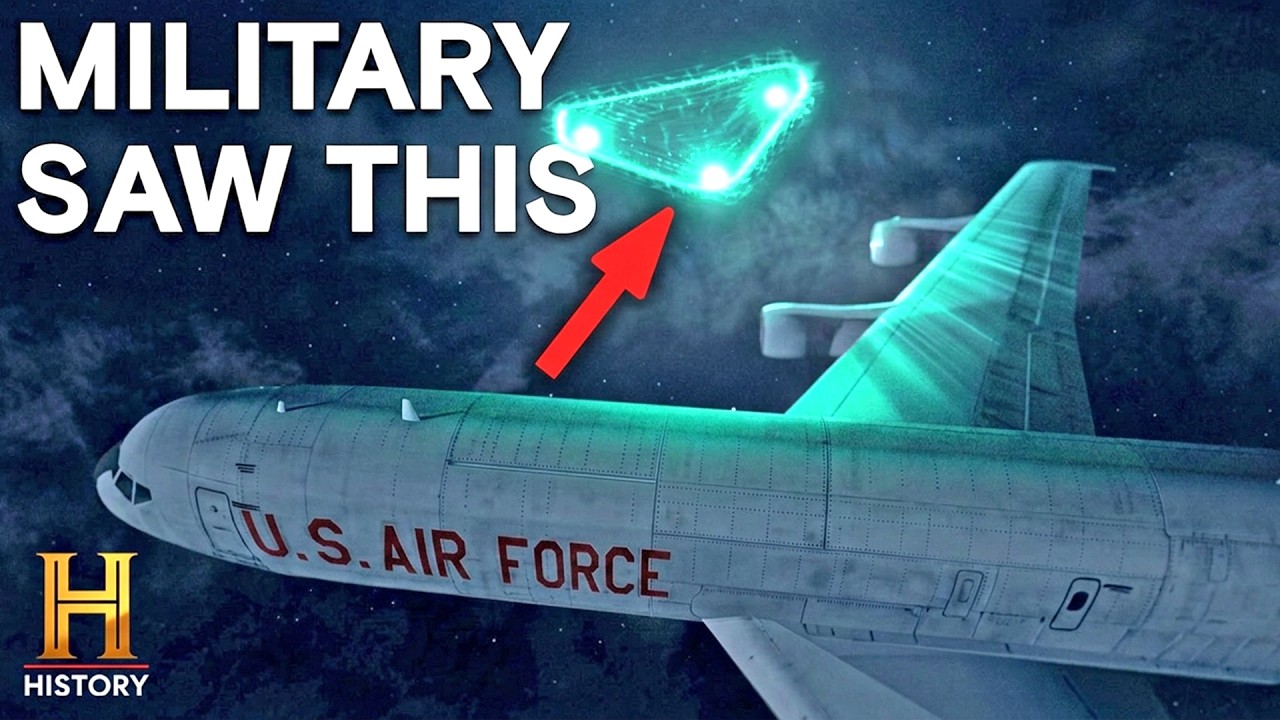
Military encounters, triangle-shaped craft, and unexplained sightings are examined through investigations led by Luis Elizondo and Chris Mellon.
Malmberget, a Swedish village, is relocated to Koskullskulle by Mammoet, requiring meticulous planning to transport culturally significant homes weighing up to 210 tons.
At the age of 12, Andrew Carnegie begins working for a local railroad in Pittsburgh, where he meets his mentor, Tom Scott.
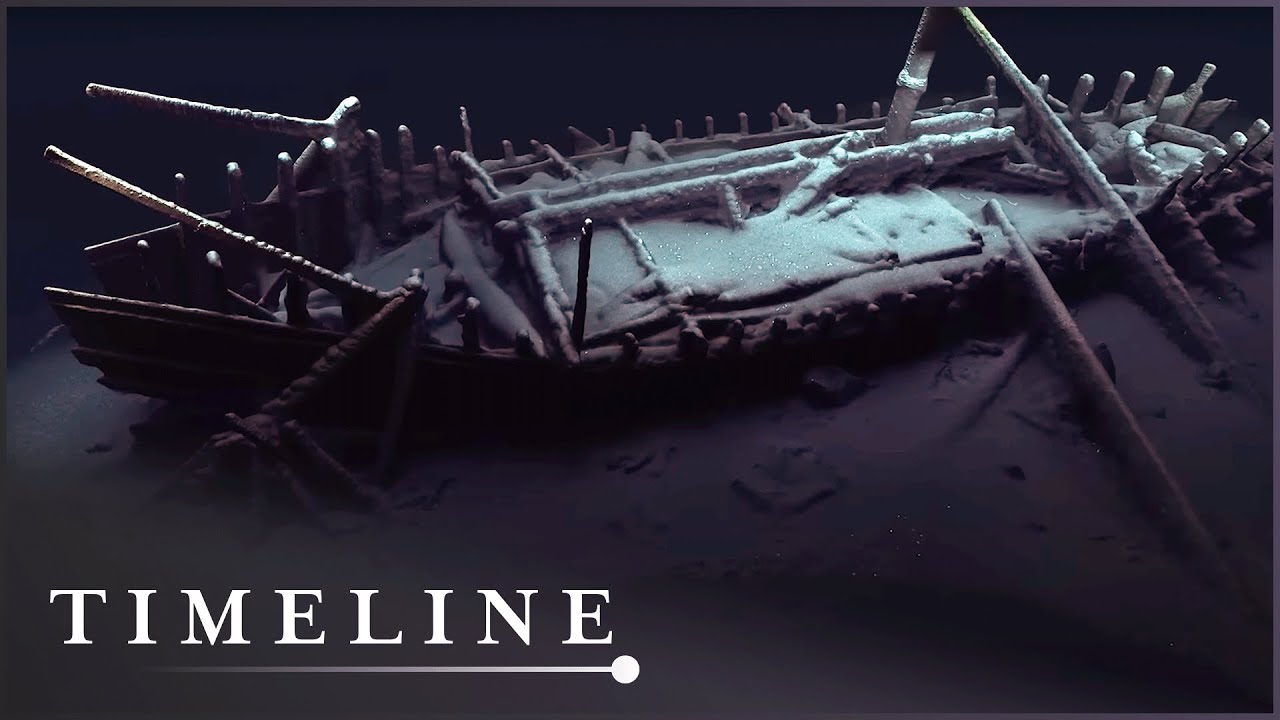
Ancient shipwrecks from the Ottoman, Byzantine, Roman, and Greek civilizations are explored in the Black Sea, revealing remarkable finds and unique vessels.
In 1943, the genocide of European Jews reached a quasi-industrial stage, prompting desperate resistance from Polish Jews in the Warsaw Ghetto.
Robert Hardman reveals new insights into George III using the Royal Archives' personal papers.
Hidden beneath Oak Island, a series of secret stone structures and features may provide clues about their builders and the purpose behind their construction.
The eruption of Mount Vesuvius on 24 August 79 AD is reconstructed hour by hour using the latest evidence from volcanology.
Scientists analyze sediment cores and plant fossils to explore factors beyond the asteroid impact that may have contributed to the dinosaurs' extinction.
The Allies gain momentum in late 1942 with breakthroughs in North Africa and Stalingrad.
Carthage controlled Mediterranean trade for a thousand years, becoming known for its valuable dye, Turian purple, and advanced shipbuilding techniques.
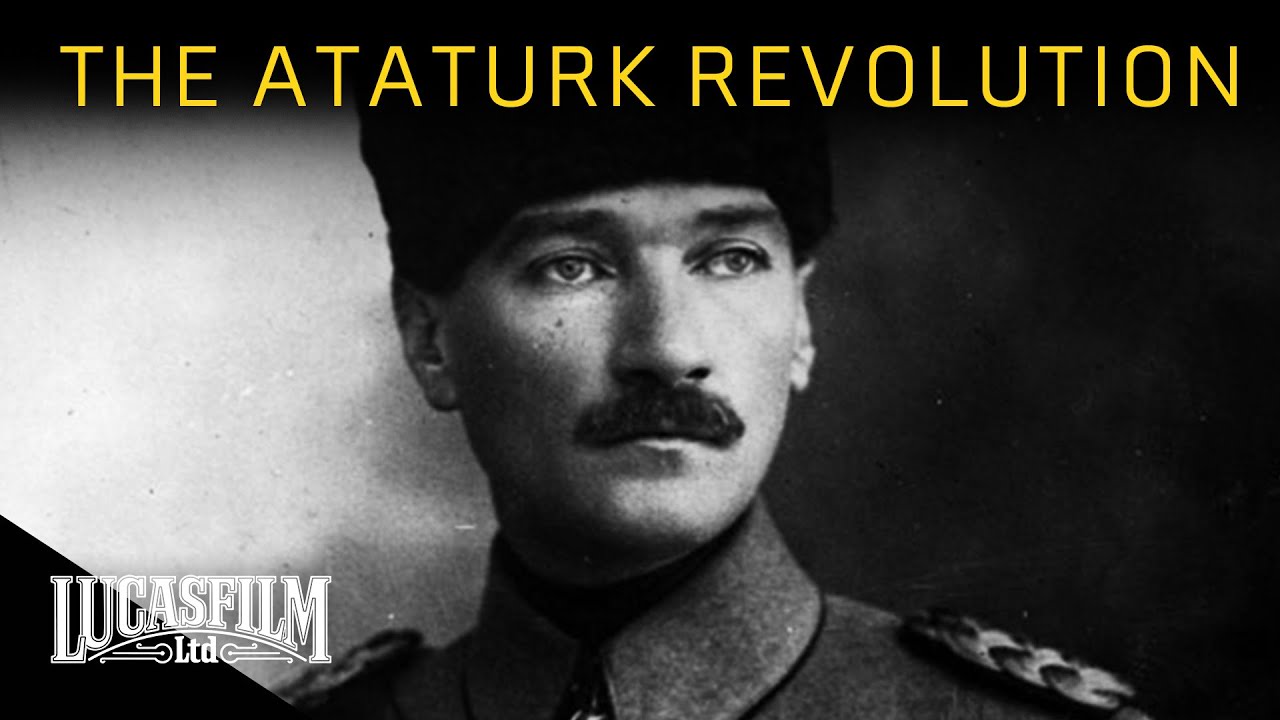
Mustafa Kemal Atatürk proclaimed the Republic of Turkey in 1923, implementing reforms that transformed government, education, and cultural practices.
Around 180,000 soldiers died on the icy front of the Alps during World War I, where melting glaciers now reveal artifacts from that brutal conflict.
A third of the world's population now consumes insects as an alternative protein source, reflecting changing dietary trends in supermarkets.
Caerleon, a renowned Roman fort in South Wales, is examined by Tony and a Cardiff University team to reveal its significance beyond a military outpost.
192 Athenian soldiers fell at the Battle of Marathon, where a small force defeated a much larger Persian army, shaping the future of Ancient Athens.
In 1917, as First World War casualties exceeded 5 million, German commanders faced the challenge of reversing their army's decline amid unprecedented loss.
The Battle of Jutland, WWI's largest naval clash, is reexamined to reveal its significance as a pivotal Allied victory despite heavy British losses.
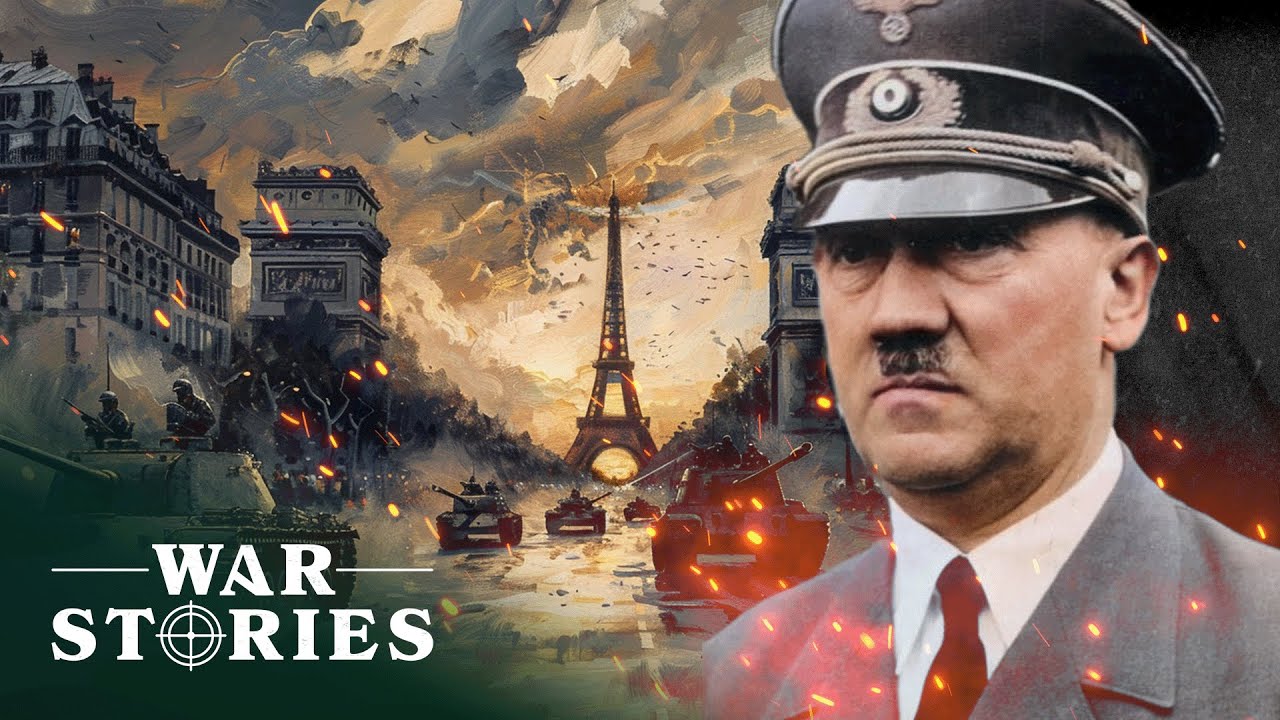
Hitler's Blitzkrieg strategy marked a rapid and aggressive military campaign against Western Europe, as illustrated through authentic archival footage.
Ancient Mayan cities, long obscured by dense vegetation, are revealed in their true scale through the efforts of pioneering scientists and archaeologists.
Daily life in postwar Berlin in 1959 is explored through the experiences of residents from both the East and West, highlighting the city's division.
Catherine the Great was born on May 2, 1729, in Stetten, Prussian Pomerania, and rose to become one of history's most powerful female rulers.
In Jerusalem, five extraordinary artifacts from the Israel Museum provide new insights into Roman crucifixion and biblical history.
Ferdinand Porsche's innovative designs and engineering contributions significantly shaped the automotive industry, influencing brands like Volkswagen and Porsche.