From over 100,000 films, discover the handful you'll love.
Free or premium access to the world's largest documentary library.
22463 films(Page 124 of 468)
Queen Victoria's reign faced significant challenges, including the Irish rebellion, republican uprisings, and the Indian Mutiny, threatening the stability of the English monarchy.
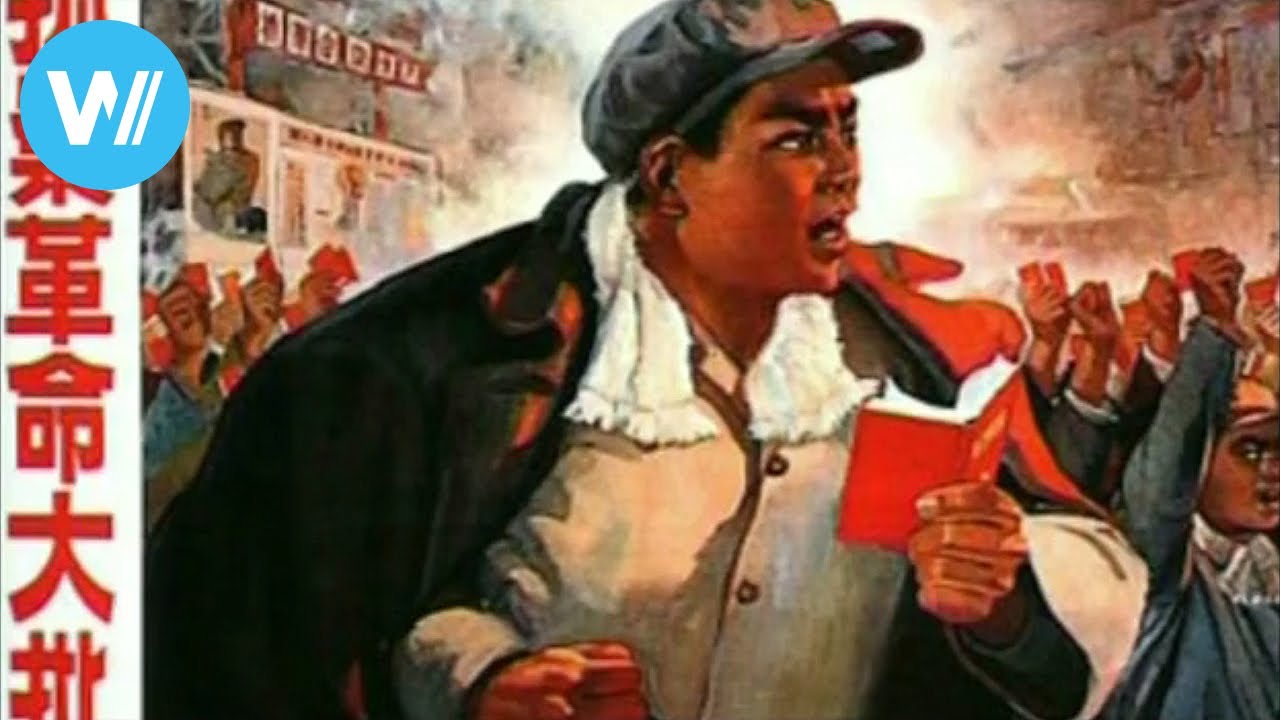
Deng Xiaoping, China's leader after Mao Zedong, transformed the nation through pragmatic economic reforms that established it as a global economic power.
156,000 Allied troops landed on the beaches of Normandy in June 1944 during the largest amphibious invasion in history.
World's Fairs have shaped global culture and innovation, reflecting the United States' evolving role in this monumental international event.
Nguyen Qui Duc, a journalist and former refugee, documented Vietnam's cultural evolution and his personal reflections on home after decades away.
A crew of 240 personnel operates the frigate Mecklenburg-Vorpommern, which serves as the flagship of NATO's Rapid Reaction Force in the Baltic Sea.
In 1415, the Battle of Agincourt showcased how 6,000 English troops, led by Henry V, defeated a larger French army of 30,000 using longbowmen effectively.
Boo! Xunta, a healer and spiritual leader of the San people in Namibia's Kalahari, safeguards ancient traditions amid modern challenges and environmental threats.
In Britain, the Time Team investigates Roman archaeological sites, revealing priceless artefacts that have remained undisturbed for centuries.
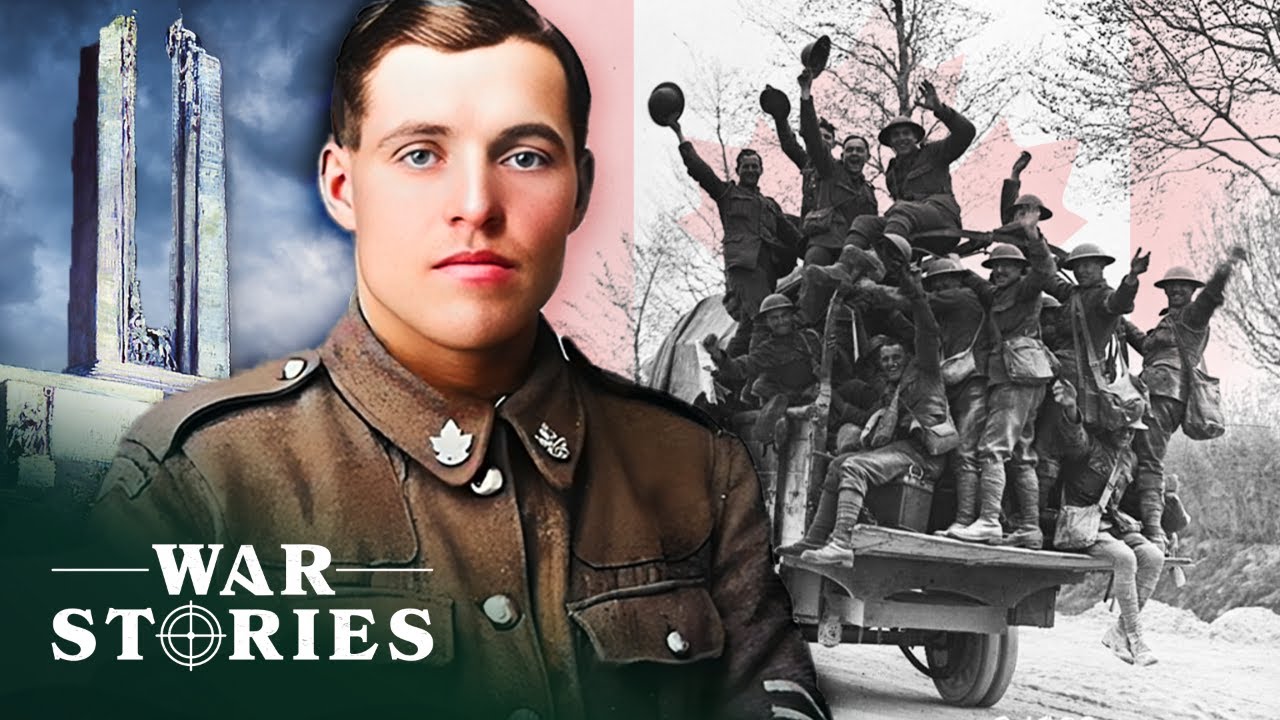
In 1936, over 50,000 Canadian veterans gathered in Normandy for the unveiling of the Vimy Ridge memorial, honoring those lost in the First World War.
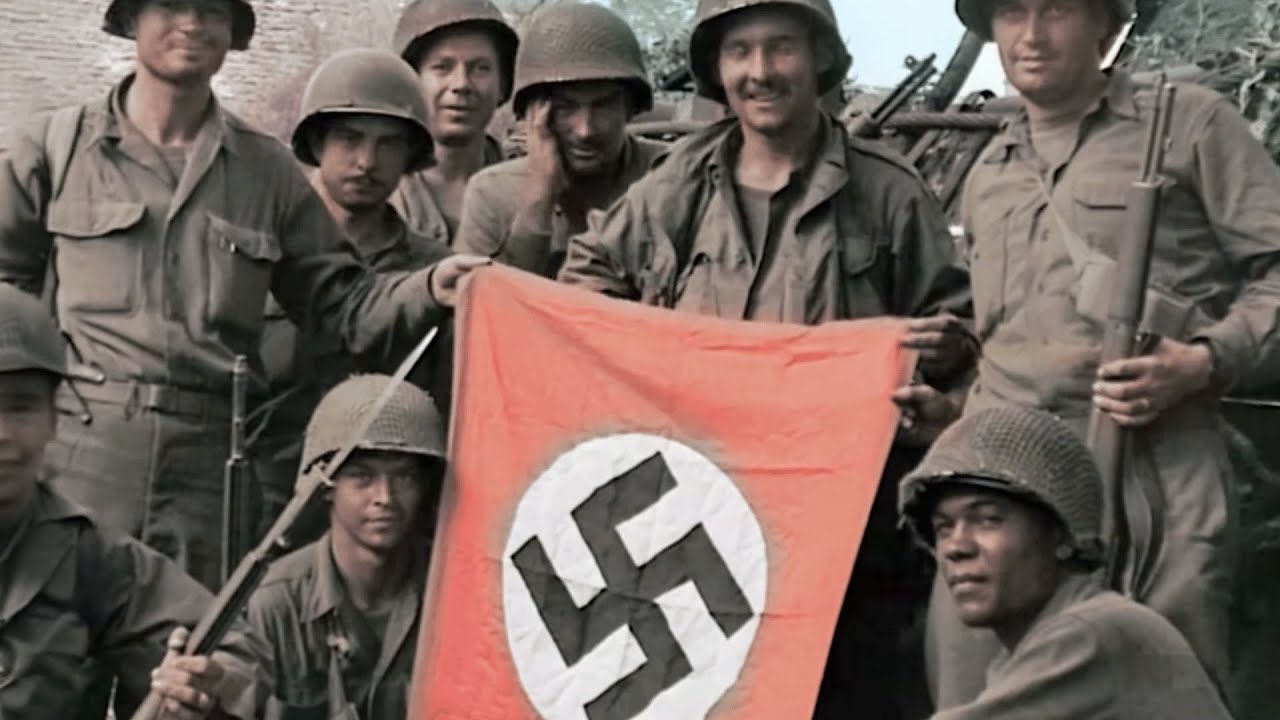
The Allied invasion of France on June 6, 1944, marked the beginning of the brutal 80-day campaign that included the Battle of the Hedgerows and the destruction of Caen.
In Hollywood, make-up artists John Chambers and Tom Burman revolutionized film with their work on Planet of the Apes, influencing generations of creators.
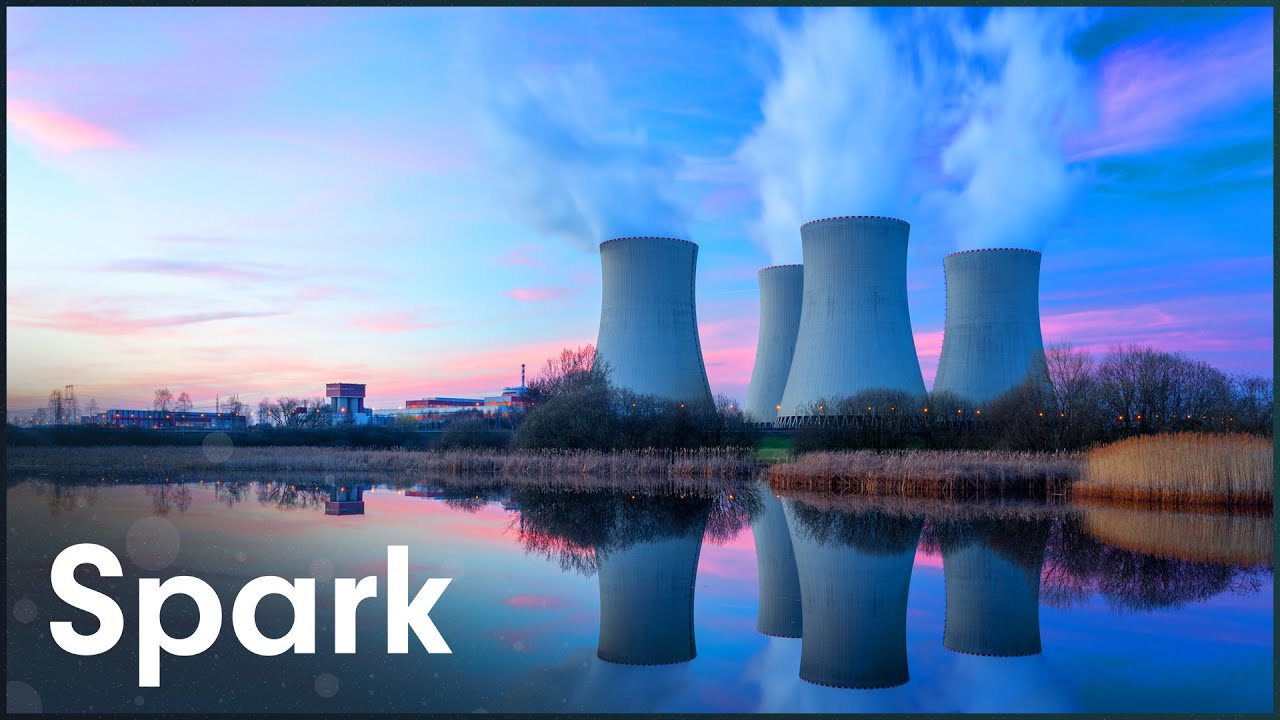
Nuclear power faces skepticism due to the catastrophic legacies of Chernobyl and Fukushima, raising questions about its future viability and safety.
After World War II, renegade Jewish groups, including the Jewish Brigade and Abba Kovner's faction, sought vengeance against Nazis through kidnappings and assassination plots.
A devastating rebellion in Sudan led by Muhammad Ahmad resulted in the collapse of Egyptian and British control in the region by 1899.
Matteo Ricci, the first European in China, navigated the intersection of time, science, and imperial authority, shaping East-West relations in the Forbidden City.
Ancient Egyptian art, renowned for its iconic imagery, was crafted by skilled scribes whose techniques and contributions are explored in detail.
The Monster of Florence case involves the brutal murders of eight young couples between 1968 and 1985, revealing a complex web of cover-ups and conspiracies.
In Lourdes, France, the Sanctuary of Our Lady was built following 18 apparitions of the Virgin Mary, reflecting the influence of Napoléon and modern urban planning.
Dmitri Polyakov betrays Russia, becoming a key spy for the West during the Cold War.
The Spear of Destiny, Yamashita's Gold, and the Nazi treasure of Lake Toplitz represent some of World War II's most enduring mysteries and legends.
10,000 enemy vehicles were destroyed or damaged during U.S. 12th Air Force bombing missions over Italy in 1944.
West Bromwich Albion's 1978 tour of China featured iconic players and officials navigating cultural differences while playing in front of massive crowds.
Skilled communities in medieval England, including stonemasons, blacksmiths, and carpenters, employed advanced techniques to construct formidable castles.
Saddam Hussein's rise from humble beginnings in Tikrit to becoming Iraq's most notorious dictator is marked by brutal conflicts and a legacy of chaos.
Danny Koker restores a 1969 Shelby GT500 from a rusted state to a classic car at the Detroit Autorama in Season 8, Episode 17 of Counting Cars.
$8 million was stolen from the United California Bank in 1972, leading to a complex investigation by the FBI to track down the sophisticated burglars.
Adolf Hitler's Ardennes Offensive marked a critical moment in World War II, leading to the intense and brutal fighting known as the Battle of the Bulge.
The battleship Bismarck, measuring 250 meters long and weighing over 50,000 tons, was launched by Adolf Hitler on February 14, 1939.
Lake Champlain in Vermont is a hotspot for tourists each summer, fueled by ongoing reports and conspiracy theories surrounding the legendary lake monster, Champ.
Constantine ruled the Roman Empire from 306 to 337 AD and played a key role in legalizing Christianity, but questions remain about his true beliefs.
Khalid Amiry, a former Afghan special forces colonel, leads a fierce resistance against the Taliban in the Panjshir Valley, defying overwhelming odds.
Pompeii, a UNESCO World Heritage Site, faces threats from Mount Vesuvius, prompting scientists to explore methods for preserving its archaeological significance.
Nazi Germany's Blitzkrieg tactics during World War II led to rapid victories across Europe, reshaping military strategy and impacting occupied nations.
Japan's invasion of New Guinea in 1942 marked a significant phase in the Pacific War, featuring key battles at Milne Bay, Lae, and the Bismarck Sea against Allied forces.
In Argentina, the Giganotosaurus emerges as a formidable rival to the T-Rex, while the Linder family’s discovery of Bambi sheds light on dinosaur family dynamics.
On December 26, 2004, a magnitude 9.3 earthquake triggered a devastating tsunami in the Indian Ocean, prompting insights from seismologists and survivors.
Life in Gaza is portrayed through the experiences of resilient individuals navigating the challenges posed by ongoing conflict and military presence.
Paul Bernardo and Karla Homolka, known as the "Ken and Barbie Killers," were convicted of the brutal rapes and murders of three young women in Toronto, including Homolka's sister.
In the ancient Maya city of Copan, archaeologists utilize space technology to investigate burial practices and the significance of blood sacrifices in their culture.
H.A.A.R.P., a U.S. military project, is scrutinized for its alleged capabilities in weather manipulation and psychological warfare, raising ethical concerns about its technology.
Herm, a small Channel Island, faces unique challenges for its residents, including job scarcity and the necessity for older inhabitants to leave upon retirement.
In Utah, Brazil, and China, archaeologists Paul Bahn and Jean-Loïc Le Quellec investigate ancient rock art that challenges historical narratives about human origins.
Aviation accidents have occurred since the Wright brothers, highlighting the ongoing risks of air travel despite advancements in safety technology.
In 2014, a project to expand the Suez Canal involved removing 500 million cubic meters of sand to create a new two-way navigation system.
Henry V's determination to claim his kingship transforms England's fortunes during the pivotal battle of Agincourt amidst a backdrop of plague and revolt.
Ancient Greek myths, warfare, and the role of women are explored through expert insights from historians, enhancing understanding of this influential civilization.
Life as a soldier in the American War of Independence is explored through personal experiences, battlefield archaeology, and the contrasting roles of the Continental Army and British forces.