From over 100,000 films, discover the handful you'll love.
Free or premium access to the world's largest documentary library.
22463 films(Page 35 of 468)
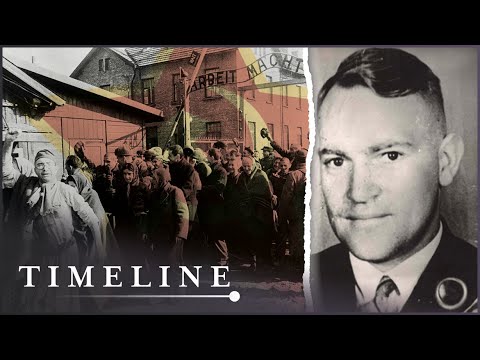
On January 27th, 1945, the Red Army entered Auschwitz-Birkenau and found four crematoriums dynamited to erase evidence of Nazi crimes.
The Battle of Nagashino in 1575 marked a pivotal clash between Oda Nobunaga and Takeda Katsuyori, transforming Japanese warfare and history.
More than 1,000 volcanoes around the world are active, with Naples at risk from two nearby: Vesuvius and the lesser-known Campi Flegrei.
Caligula, Rome's third emperor, is examined for his brief and tumultuous reign marked by tyranny, corruption, and his assassination at age 28.
In the Late Cretaceous Period, Hateg Island served as a hunting ground for a giant pterosaur, presenting unique survival challenges for its inhabitants.
Ernesto Guevara, known as Che, suffered from severe asthma as a child, which he eventually overcame through tenacity and determination.
Abandoned nuclear sites in the Pacific Northwest reveal the remnants of Cold War-era paranoia, showcasing a flooded missile silo and a decaying power plant.
Wales' haunted castles, steeped in a history of violence and treachery, reveal chilling tales and legends that continue to resonate today.
At 1,800 meters above sea level, the Eagle's Nest served as a strategic vantage point for Adolf Hitler and his inner circle during the Nazi regime.
Thousands of black musicians fled the Jim Crow South during the Great Migration, seeking jobs and respect in Chicago, where gospel music was born.
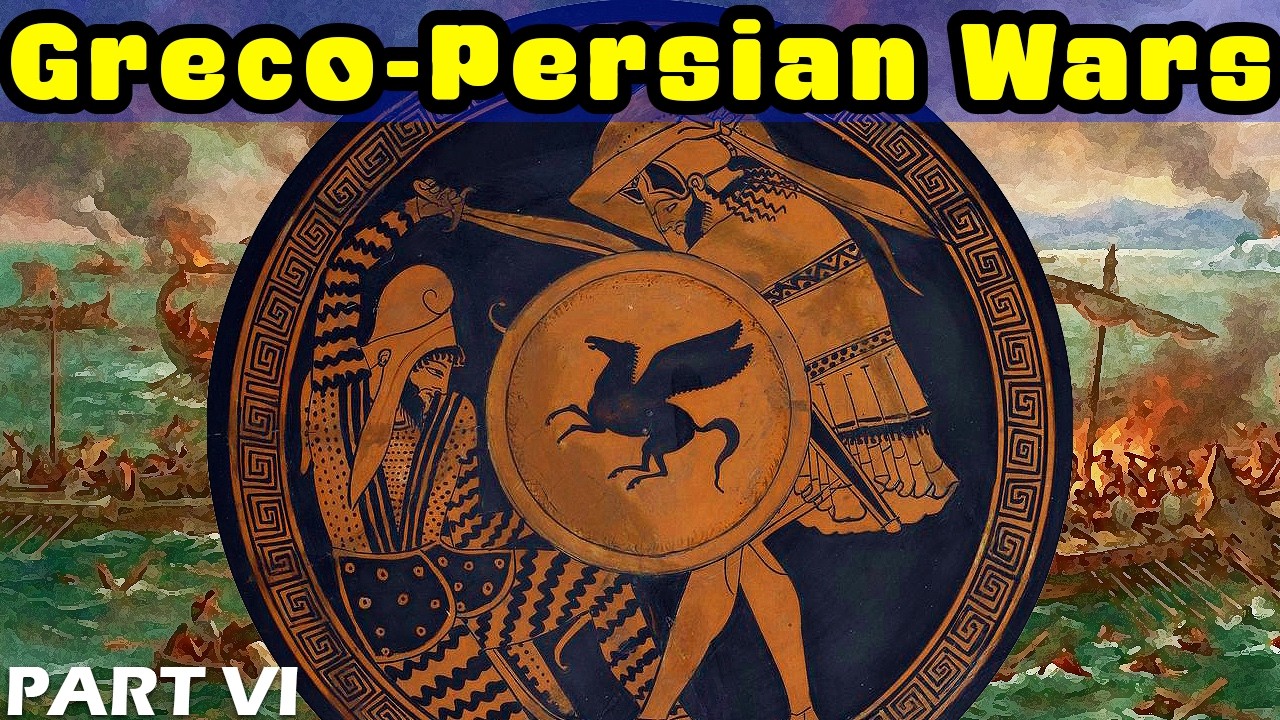
The aftermath of the Battle of Salamis sees Greek city-states grappling with political tensions and strategic disagreements as they prepare for further conflict with Persia.
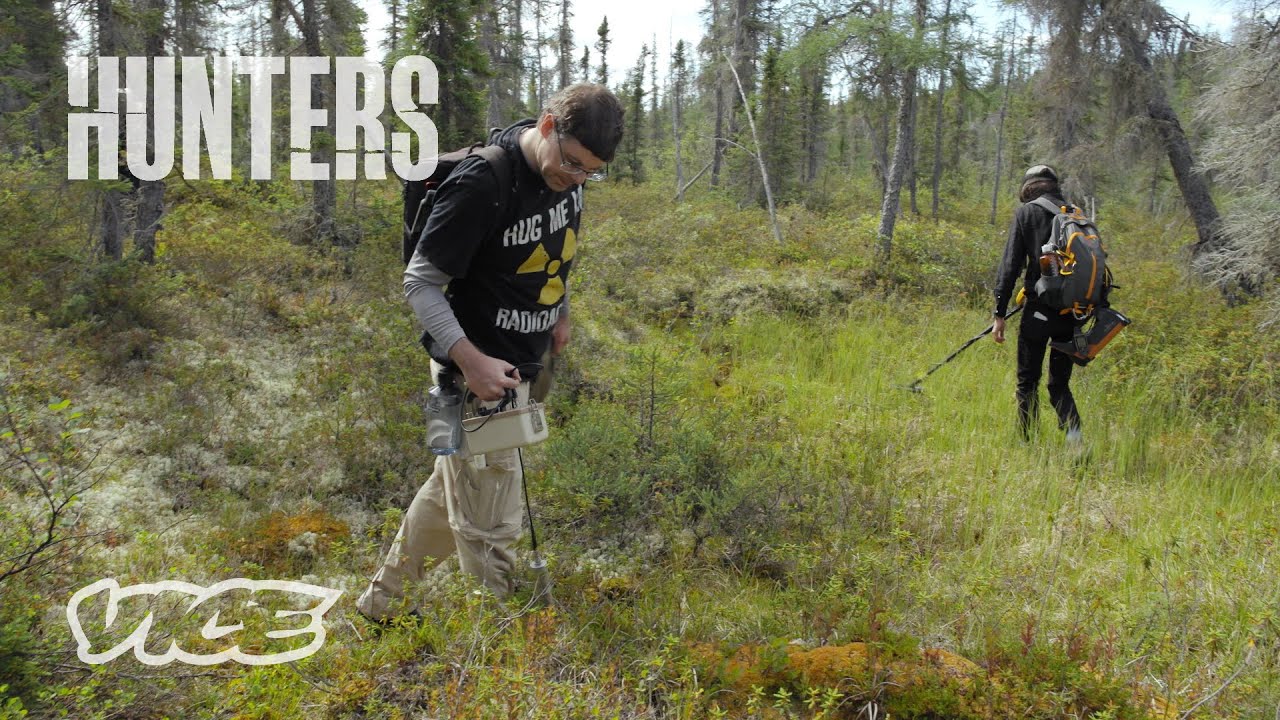
Kosmos-954, a Soviet-era nuclear-powered spy satellite, crashed in northern Canada, prompting two nuclear scientists to brave harsh conditions in search of its reactor core.
A British archaeologist named Arthur Evans discovered the Minoans, a sophisticated Bronze Age civilization, over a century ago on the island of Crete.
Japan became the second largest economy in the world by 1989, during Hirohito's reign from 1926 to 1989, which included World War II and post-war recovery.
Medieval historian Dr Cat Jarman rates various films depicting Vikings, analyzing their historical accuracy and cultural representations across cinema.
Ancient tomb robbery in Egypt's Valley of the Kings is examined, revealing state-sanctioned activities on an industrial scale.
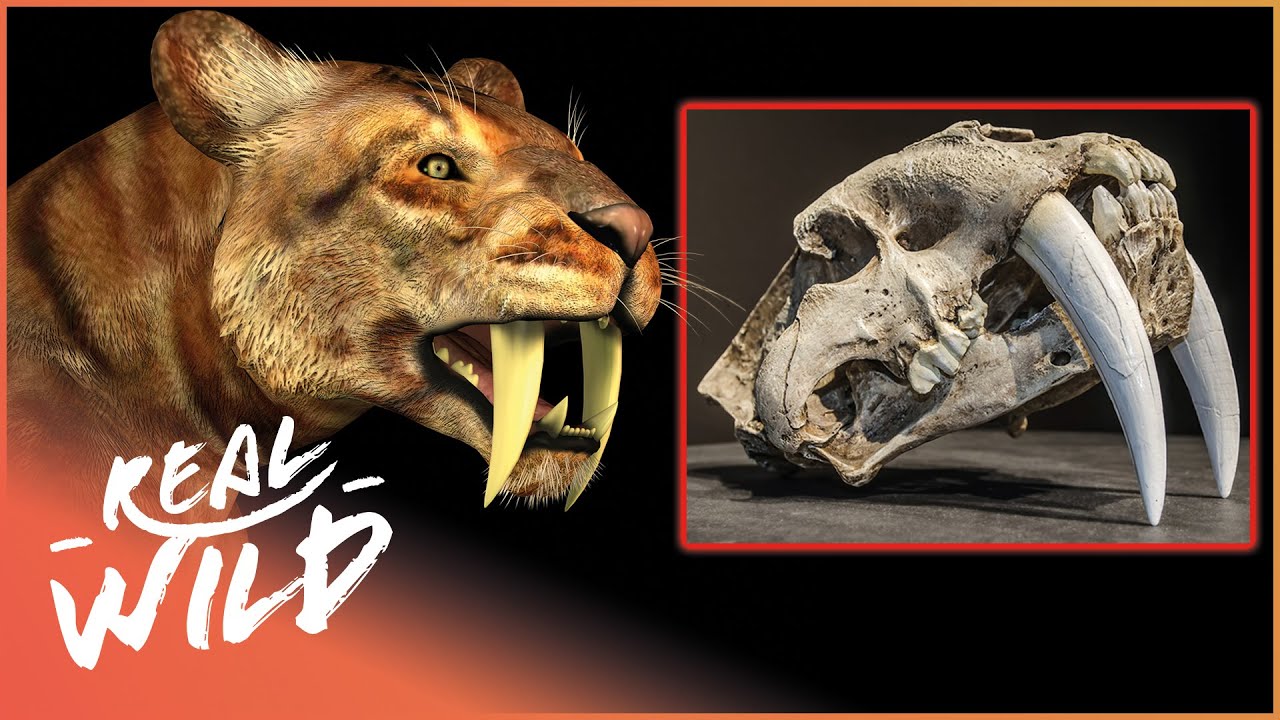
In California 11,000 years ago, the saber tooth tiger reigned as the top predator, and this episode examines its life and extinction through historical and scientific insights.
In September 1944, the US 3rd Armoured Division faced fierce resistance from the German army while attempting to breach the Siegfried Line during World War II.
Thirty-eight skeletons, discovered in a mass grave in Yorkshire, reveal brutal injuries from the Battle of Towton, challenging myths of medieval chivalry.
Roman Britain's connection to the Empire is highlighted through the exploration of Dover Castle's Pharos lighthouse and a newly discovered port at Lympne.
An international team of experts investigates the potential existence of a Bronze Age civilization beneath the Black Sea, exploring archaeological evidence and historical context.
A layer of ash and charred wood, dating back to around 1200 BC, marks the destruction of the Hittite city of Hattusa during the Bronze Age Collapse.
Alfred Rimmer's week in the village of Caio reveals his initial skepticism about rural life in Wales, offering a unique perspective on the countryside.
Medieval weapons are ranked by historian Matt Lewis based on usability, damage, and versatility, highlighting their significance in historical combat.
Tank battles on the Korean frontier highlight the intense conflict between North and South Korea, featuring American tankers on a critical rescue mission.
At least 30 young women were kidnapped, raped, and murdered by Ted Bundy between 1974 and 1978, with some estimates suggesting the number could be as high as 100.
On August 4, 2002, 10-year-old schoolgirls Holly Wells and Jessica Chapman went missing in Soham, Cambridgeshire, leading to the largest manhunt in British history.
The Hurrian Kingdom of the Mitanni, a powerful empire of the Bronze Age, significantly influenced the geopolitics of the ancient Near East through strategic marriages and territorial control.
North American Aerospace Defense Command (NORAD) is explored through exclusive access to its command center and operations, revealing its critical military role.
Aerial bombardment during World War II aimed to influence the war's outcome, prompting debate on its effectiveness and impact on enemy societies.
Nagorno Karabagh, Ossetia, Abkhazia, Ingushetia, Chechnya, and Dagestan illustrate the complex struggles for identity and autonomy in a post-Soviet landscape.
Omar Alfaden owns a collection of 80 luxury vehicles worth over $100 million, housed in a custom-built hangar in Qatar.
Prince William, now the Prince of Wales, navigates his royal duties and responsibilities shaped by the legacies of King Charles III and the late Queen Elizabeth II.
On February 9, 1983, police discovered human flesh blocking the drains at 23 Cranley Gardens, leading to the arrest of serial killer Dennis Nilsen.
Petra's monumental Treasury, built 2,000 years ago, stands 127 feet tall and is carved directly into the sandstone cliffs of Jordan.
On April 9, 1483, Edward IV died, leaving his young son Edward and his brother Richard vulnerable to their uncle Richard Duke of Gloucester, who seized the throne.
Caribbean hip hop artists reflect the realities of the cocaine trade, revealing the complex ties between music, trafficking, and colonial history.
A thirty-foot-wide cavity beneath the Taposiris Magna temple may hold the lost tomb of Cleopatra, according to archaeologist Kathleen Martinez.
13,000 workers completed the 31.5-mile Eurotunnel, connecting Folkestone in the UK to Coquelles in France, over a six-year construction period.
A single plane dropped an atomic bomb on Hiroshima at 8:15 AM on August 6, 1945, killing approximately 70,000 people instantly.
The Battle of Belleau Wood marked a pivotal and brutal conflict for US Marines during World War I, taking place near the Marne River in France.
Thirty percent of Mongolia's population are nomads, a way of life that faces increasing pressure from economic development and climate change.
The battle of Thermopylae in 480 BC saw 7,000 Spartans and Greeks face overwhelming Persian forces, leading to their legendary status as symbols of sacrifice and bravery.
Rome depended on 150 to 300 million tons of grain annually to feed its population of 1 million, the largest city in the world by the first century AD.
Guy Fawkes, a key figure in the 1605 Gunpowder Plot, symbolizes the intense religious conflict in England, driven by his conversion to Catholicism and political unrest.
Sam Giancana, a notorious mob boss with ties to the Chicago Outfit, rose to power in organized crime before his eventual downfall and assassination.
The Boston Tea Party on December 16, 1773, ignited the American Revolution, revealing a complex interplay of colonial dissent, global trade, and political mismanagement.
Nero became emperor at the age of 16, ruling half the known world while grappling with a tumultuous legacy marked by political intrigue and personal tragedy.