From over 100,000 films, discover the handful you'll love.
Free or premium access to the world's largest documentary library.
22463 films(Page 280 of 468)
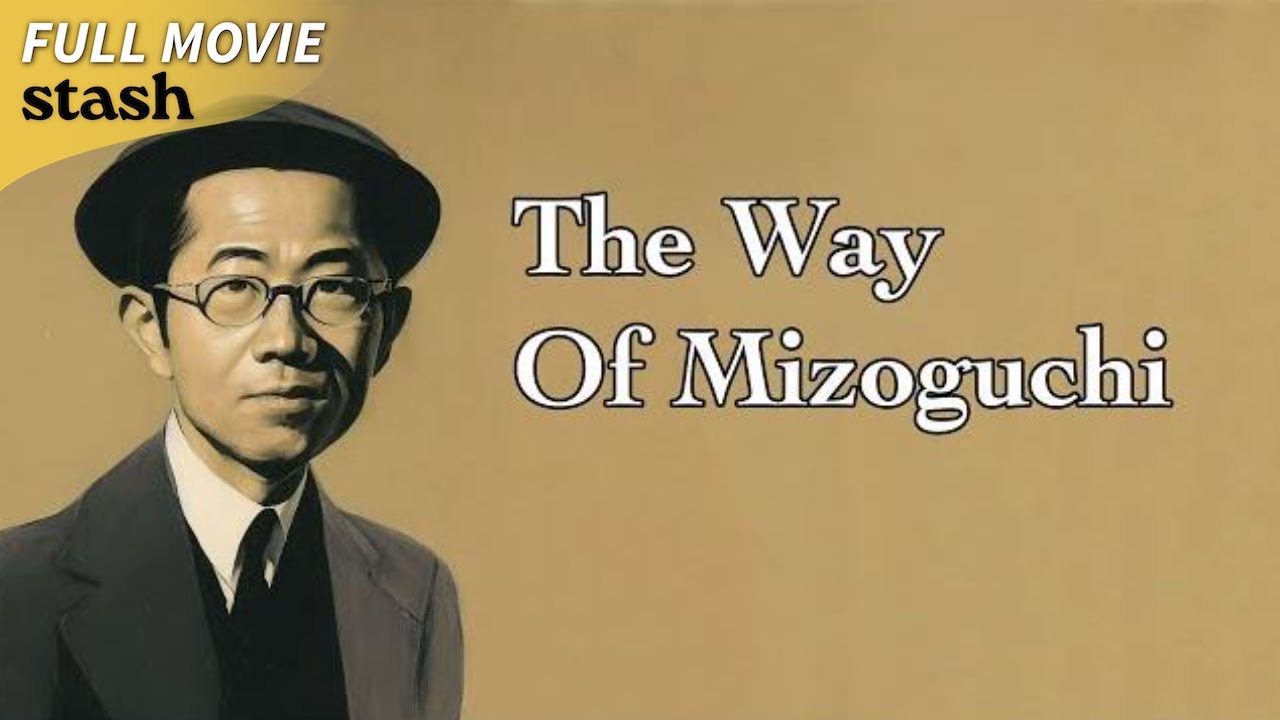
By 1925, Kenji Mizoguchi had directed more than 30 films, covering genres from contemporary dramas to historical epics and adaptations of Western literature.
American presidential elections have evolved through dramatic moments and media influence, shaping the political landscape and reflecting national divisions.
The National Archives was created in 1934 to preserve government records after significant losses due to poor storage and devastating fires.
In 1992, the murder of Sylviane Kaas in her bedroom left her husband as the prime suspect for years, but he has since been exonerated while the case remains unsolved.
Dolly Madison saved the Declaration of Independence and George Washington's portrait from British troops during the War of 1812.
The Order of the Assassins, a medieval secret society, utilized fear and precision to challenge powerful rulers through strategic attacks and hidden strongholds.
In 1944, Adolf Hitler ordered the destruction of Paris, planning to use dynamite and ballistic missiles to reduce the city to rubble, but General von Choltitz ultimately defied these orders.
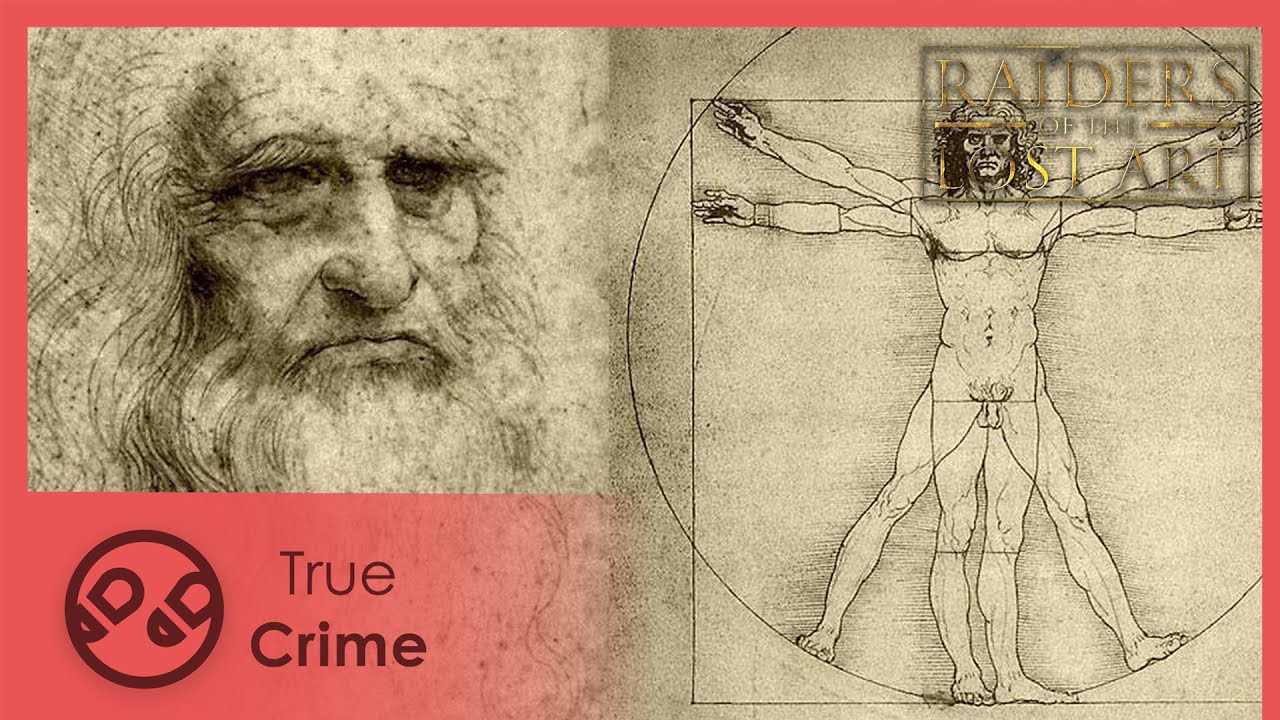
Leonardo da Vinci's artistic techniques and methodologies are examined, revealing insights into the genius behind his enduring legacy.
58,000 names are inscribed on the Vietnam War Memorial, a site that became the center of a heated debate over its design from 1979 to 1984.
Ramses II, known for his monumental achievements and extensive family, ruled Ancient Egypt for 66 years while navigating the complexities of his harem and political ambitions.
On September 17, 2019, the National Archives in Washington, DC, hosted the Annual Constitution Day Naturalization Ceremony for new citizens.
Off the coast of Cuba, a ship graveyard holds a hidden treasure of gold and silver, igniting competition among governments and treasure hunters for its recovery.
Translations of historical reports from Journeyman are sought to enhance the accessibility of archived content in multiple languages, including Korean and Tibetan.
Every $100 bill printed by the Federal Reserve represents a $100 loan to the United States, which incurs interest despite being government-issued.
Karl Plagge, a Nazi major in Vilnius, Lithuania, operated a forced labor camp while secretly sheltering hundreds of Jews from the SS during the Holocaust.
Colour footage from the D-Day landings in Normandy and life under the Nazi regime reveals a stark contrast to the black-and-white images of World War Two.
In Zimbabwe, a 1994 schoolyard encounter involving over 60 children sparked intense debate between UFO believers and skeptics who labeled the event as mass hysteria.
On August 5, 2010, a landslide in Copiapó, Chile, trapped 33 miners underground for 69 days, leading to a complex rescue operation that utilized unprecedented technologies.
The Mau Mau Rebellion of the 1950s is revisited through the lens of Donald McWilliams, a former British soldier reflecting on his experiences in Kenya.
On July 3, 1968, Andy Warhol was shot by Valerie Solanas at the second Factory on 33 Union Square West, an event that nearly ended his life.
Titusville, Pennsylvania, known as the birthplace of the oil industry, features the Caboose Motel, local cuisine, and the legacy of journalist Ida Tarbell.
Historic walking routes across Britain, from the Lake District to the Scottish Highlands, reveal the cultural heritage and local traditions that shape these landscapes.
The Ovitz family, a group of seven Jewish dwarf performers, faced unimaginable challenges during World War II, including brutal experiments in Auschwitz.
John Adams, portrayed by actor Peyton Dixon, discusses his role in drafting the Massachusetts State Constitution and its significance in American history.
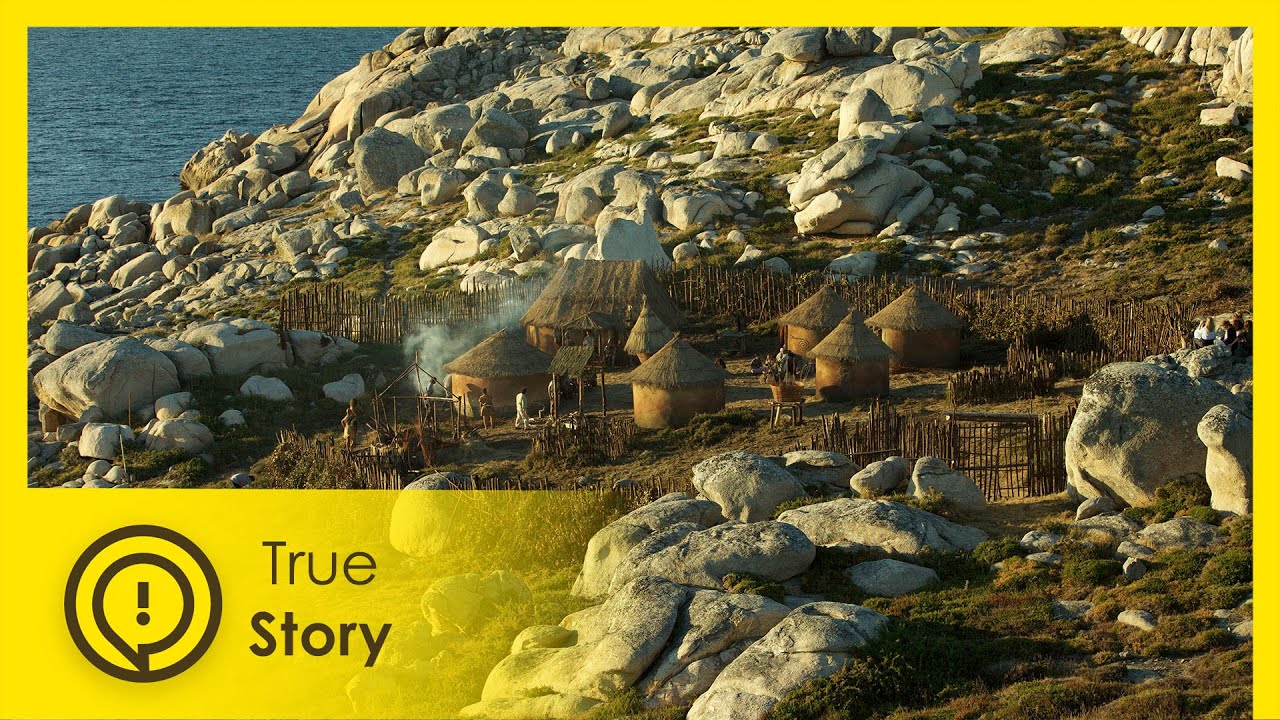
Castros in Galicia, Spain, reveal a unique Celtic culture through archaeological findings, 3-D recreations, and comparisons with ancient settlements in Britain and Ireland.
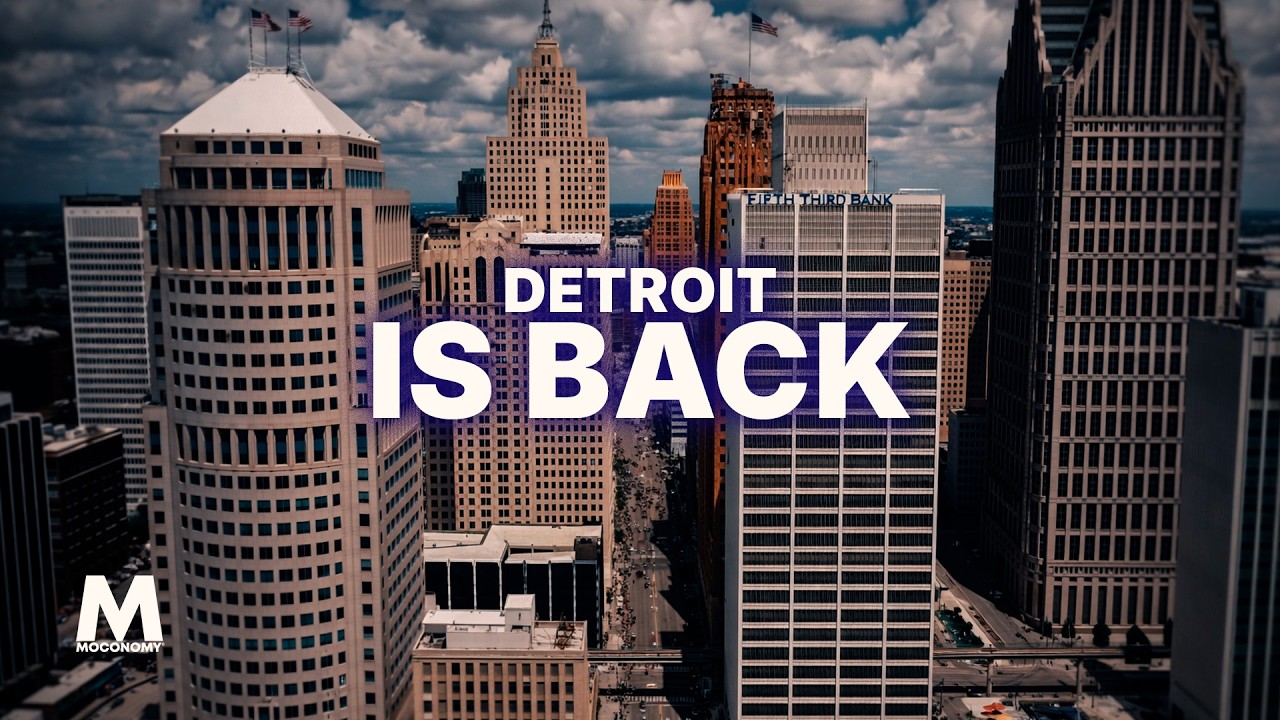
More than 80% of Detroit's population is Black, reflecting the city's rich cultural heritage and ongoing social dynamics.
Raphael, a key figure of the Italian High Renaissance, produced an impressive body of work in Rome before his untimely death at the age of 37.
Manuel Cortés, the former mayor of Mijas, spent 30 years hiding in a wall during the Spanish Civil War, illustrating the profound impact of war and dictatorship on personal lives.
In Colombia's Infiernito, ancient Muisca astronomy meets the beliefs of the Tucanos and Baniwas tribes, while skeptics in Chile challenge astrology's validity.
In 1993, a young boy stowed away on a plane to Miami, launching a conman career where he posed as a German prince, Arab sheikh, and Hollywood millionaire.
Williams Electronics, later known as Midway Games, revolutionized the arcade industry in the 1990s with groundbreaking titles like Mortal Kombat and NBA Jam.
Julia Child, known for her influential cookbook Mastering the Art of French Cooking, shares her experiences as a World War II OSS communicator and culinary icon.
Vicente Fox's unprecedented election victory in 2000 marked a significant shift in Mexican politics, challenging decades of PRI dominance and corruption.
The United Nations' efforts to restore peace in the Middle East following the Suez Crisis of October 1956 are chronicled in this film.
Kenneth T. Walsh analyzes how American Presidents have increasingly leveraged celebrity culture to enhance public support and achieve political objectives.
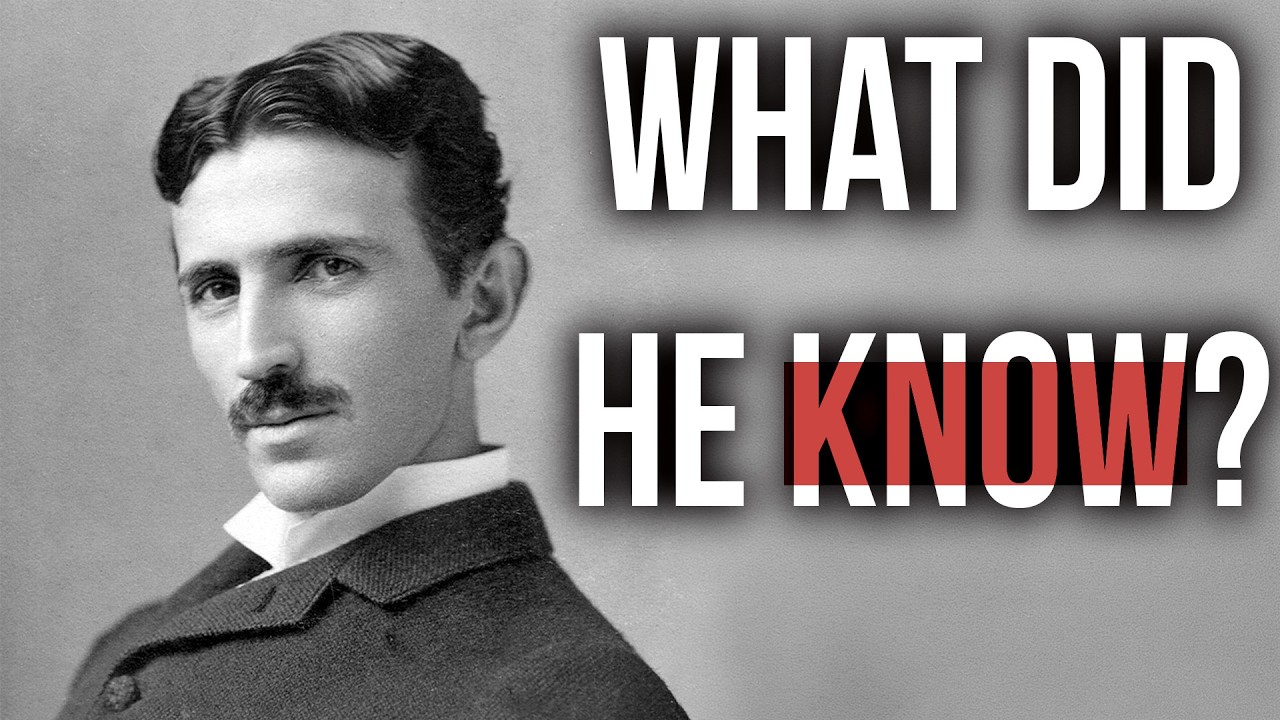
Nikola Tesla's vision of providing free, unlimited energy amidst the competitive landscape of the late 19th century, dominated by Thomas Edison and J.P. Morgan, raises questions about the potential of his innovations.
The NB-36 "Crusader," a massive aircraft designed to carry a live, unshielded nuclear reactor, epitomized the 1950s' obsession with nuclear-powered bombers.
Prince William navigates the complexities of royal duty and personal loss, shaping a compassionate vision for the future of the monarchy.
Tax Assessment Records from the 19th century provide insights into ancestors' residences, occupations, wealth, and possessions, as presented by Elise Fariello of the National Archives at Chicago.
In 1975, following the evacuation of the US embassy in Saigon, Vietnam transitioned to a communist government while facing the aftermath of the war and neglect of veterans.
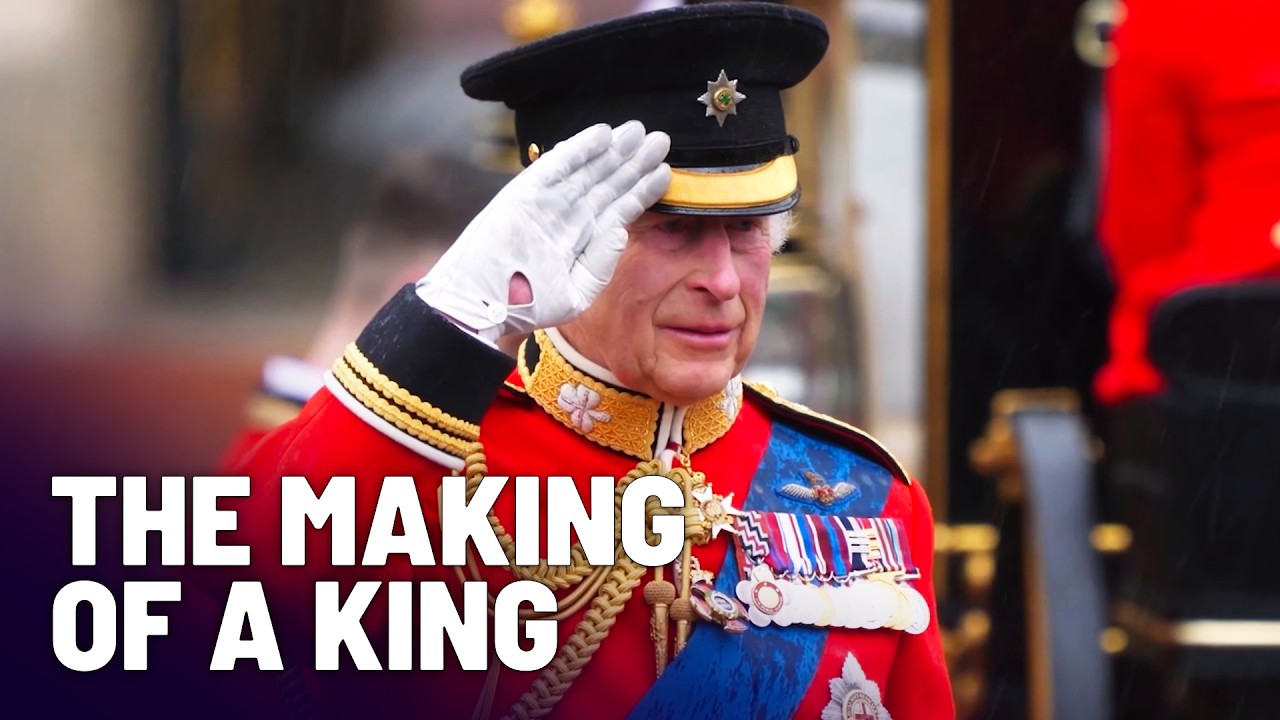
King Charles III's ascent to the throne is examined alongside his environmental advocacy and the evolving legacy of the House of Windsor.
In Peoria, locations tied to the tragic lives of pop culture icons like Marilyn Monroe, Biggie, and Tupac are explored, highlighting their final moments.
Warren Buffett's investment strategies, from his early stock purchases to the establishment of Berkshire Hathaway, illustrate his mastery of market dynamics and business value.
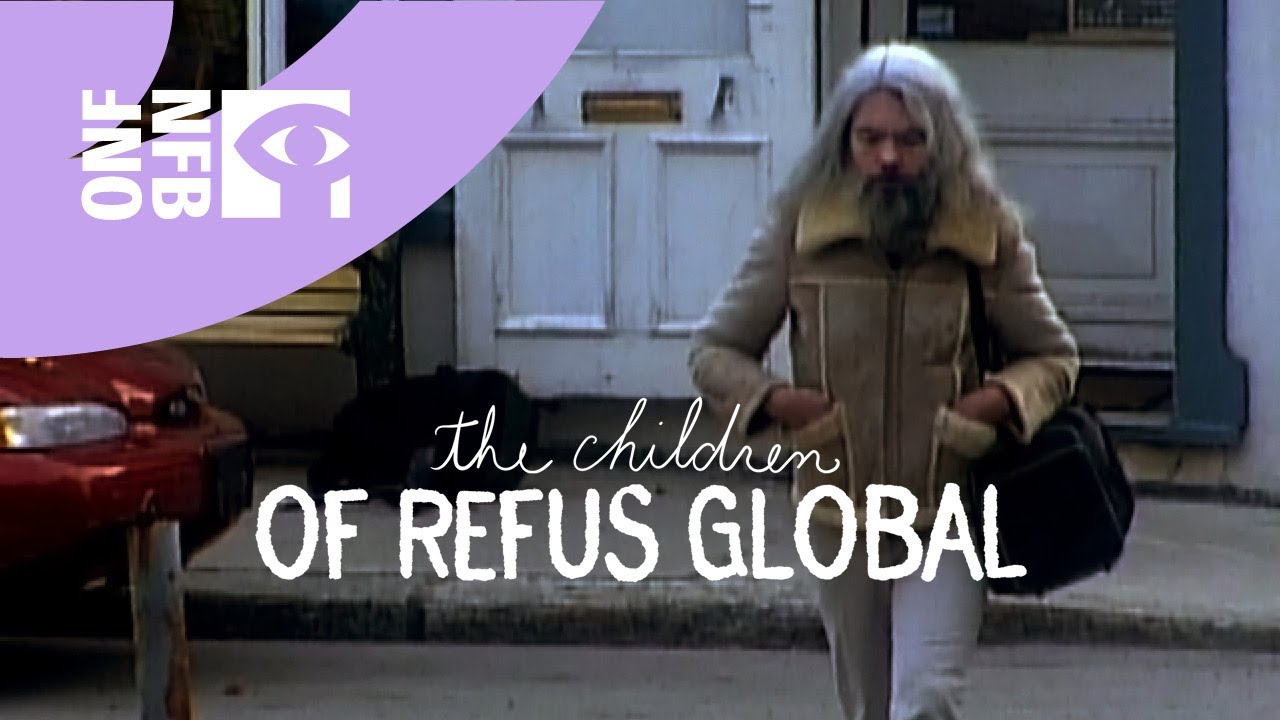
In 1948, Paul-Émile Borduas' Refus global manifesto marked a pivotal moment in Quebec's history, influencing the lives of the artists' children, including filmmaker Manon Barbeau.
Jan van Eyck's legacy, including the Ghent Altarpiece, reveals the complexities of his life and the growing demand for his art in the early Northern Renaissance.
Elliott Maraniss, a World War II veteran, faced blacklisting and persecution during the 1950s Red Scare after being falsely accused of communism by an FBI informant.
The space race between the United States and the Soviet Union in the late 1950s led to the formation of NASA and the Mercury program, aiming to send astronauts into space.