From over 100,000 films, discover the handful you'll love.
Free or premium access to the world's largest documentary library.
22463 films(Page 236 of 468)
Vintage films, documentaries, and newsreels from the Great Depression reveal the everyday experiences and struggles faced by the common man during this challenging era.
Myra Hindley and Ian Brady's Moors Murders are examined through interviews with Keith Bennett's family, who continue to seek his remains.
The Empire State Building, standing at 443 meters, was the tallest building in New York from 1931 to 1973 and is considered one of the seven wonders of the modern world.
In July 1775, Benjamin Franklin is appointed postmaster general by Congress to support George Washington's struggling army during the Revolutionary War.
In September 1588, Spanish Armada captain Francisco de Cuéllar was shipwrecked off the Sligo coast and spent seven months navigating war-torn Ireland to return to Madrid.
In 1976, the National Oceanic and Atmospheric Administration documented recreational fishing activities and severe storms in the Northeast region of the United States.
In Toyokawa, Hidetaka and his father bond over dangerous traditions in October 1999.
In Congleton, England, a historic inn is explored as Paul and Holly investigate the ghost of a former owner believed to haunt its cellar.
Damani Davis, an archivist, highlights the historical and genealogical significance of records from the Bureau of Refugees, Freedmen, and Abandoned Lands.
Trayvon Martin's case is examined through the lens of Joel Gilbert's investigation, revealing discrepancies in witness testimony that influenced national discourse.
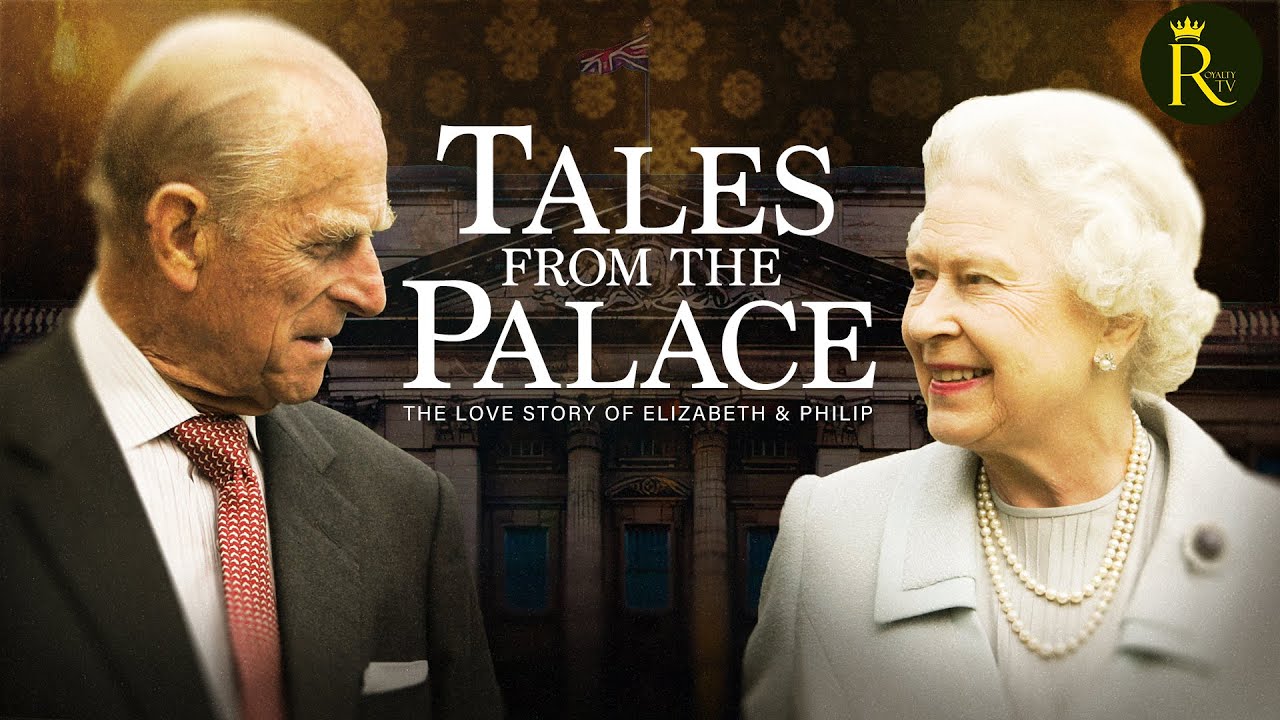
Queen Elizabeth II and Prince Philip's love story is examined through their personal letters, public appearances, and the challenges they faced together.
Nikolai Chuprov, the last resident of a deserted Stalin-era gulag, returns to the site of his childhood, grappling with his complex past.
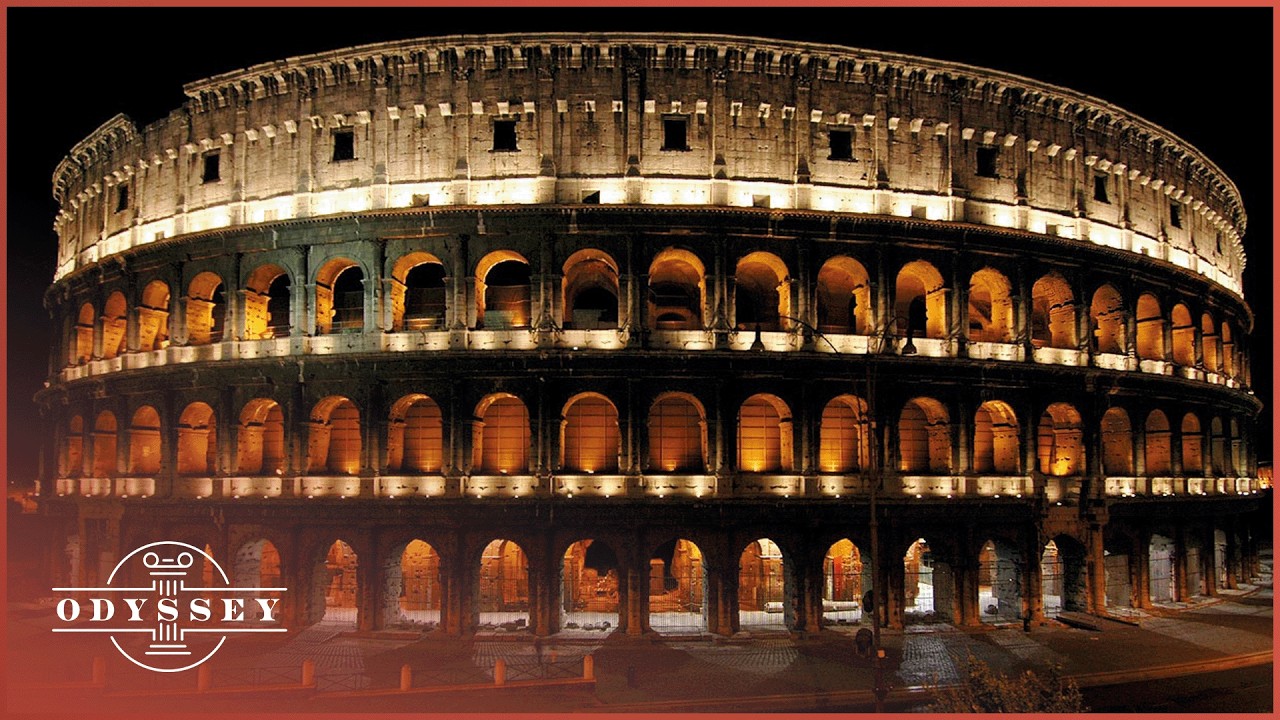
The Colosseum, built with 1 million bricks by 30,000 slaves, exemplifies Roman engineering and remains a symbol of the Empire's architectural prowess.
Mine warfare in World War II is examined through the Allied mission to recover and analyze Germany's magnetic influence mine off Shoeburyness in 1939.
Joan of Arc, a peasant girl from Domrémy, led the French army to key victories against the English, including the liberation of Orléans and the crowning of Charles VII.
Wool production contributed to approximately half of England's wealth during the Middle Ages, with monasteries relying on sheep for various resources.
Juneteenth's significance in American history is explored through the insights of historian Annette Gordon-Reed and Roy Young, CEO of James Madison’s Montpelier.
The influenza pandemic of 1918 killed more people worldwide than the total number of military deaths in World War I.
At the historic French Louisbourg Fortress in Nova Scotia, Paul and Holly investigate claims of paranormal activity linked to its violent past.
Volume II of Sidney Blumenthal's biography details how Lincoln was seen as the unblemished candidate for the Republican nomination in the 1860 election.
Homosexual behaviour among Canadian soldiers during and after World War II led to military tribunals and public exposure, as revealed by veterans in José Torrealba's documentary.
Amedy Coulibaly and the Kouachi brothers exemplify how identity crises and societal fractures can lead European children of immigrants to embrace extremism for ISIS.
Martha Jefferson died at the age of 33 in 1782, leaving behind a legacy as the first and only wife of Thomas Jefferson.
Female sexuality has been historically neglected, leading to bizarre 19th-century theories, as experts examine the physiological and psychological aspects of orgasm.
Petra, the ancient city in southern Jordan, showcases the Nabataeans' advanced hydraulic engineering and architectural prowess in a harsh desert environment.
Jesus' crucifixion, the death of Neanderthal Shanidar 3, and their historical implications are examined through modern forensics and experimental archaeology.
Adolf Hitler's rise from a struggling art student to the architect of the Holocaust and World War II illustrates the complex forces that shaped his tyrannical regime.
Dogs have served in the U.S. military for over a century, performing tasks such as interior guard duty and tactical operations in combat zones.
In 1919, Edith Wilson stepped in to manage presidential duties after her husband, Woodrow Wilson, suffered a massive stroke.
Justice Neil Gorsuch signed copies of his book during an event at the National Archives on September 17, 2019, which is Constitution Day.
Vietnam's tobacco industry, dominated by government-owned Vinataba, produces 58 billion cigarettes annually, while British American Tobacco influences its market.
The National Archives hosts a 4th of July celebration featuring a ceremonial reading of the Declaration of Independence by historical figures and performances by the U.S. Army.
The catastrophic failure of the St. Francis Dam in 1928 resulted in a flood that killed at least 431 people, marking it as one of California's deadliest disasters.
Viking women played crucial roles in their society, managing households and farms while some attained high status, as evidenced by burial sites like the Oseberg ship.
Wajapi people in the Amazon use red body paint made from vegetable dyes to express their identity and preserve ancient cultural symbols and knowledge.
Lord Edward Montagu, a prominent and controversial figure in 20th-century England, navigated the complexities of aristocracy, politics, and LGBTQ+ identity.
St. Patrick's arrival in Ireland marked the intertwining of Christianity with Celtic traditions, highlighting legendary figures like Cuhulin and Finn McCool.
Daniel Dancis, an archivist at the National Archives, discusses the creation of Spanish language posters commissioned during World War II to engage Hispanic Americans.
Robert Mugabe's security forces allegedly executed hundreds of miners in Zimbabwe's Marange diamond fields, raising serious concerns about the country's diamond trade.
Gold extraction reveals the stark contrast between large mining companies and small-scale miners, highlighting environmental and human rights issues in the industry.
Titan, Saturn's largest moon, was the site of the first successful landing in the outer Solar System by the Cassini-Huygens spacecraft in 2005.
The 1918 influenza pandemic killed more people worldwide than combat during World War One.
One thousand nine hundred eighty-one turkeys are processed in a Victorian kitchen, revealing the messy realities of holiday meal preparation.
Deng Xiaoping, China's leader from 1978, implemented a unique blend of capitalism under Communist rule, transforming the nation into a global power while suppressing democratic movements.
January 1945 marks the end of the Battle of the Bulge, highlighting fierce counter-offensives, intelligence failures, and veteran testimonies, including the 'Airborne Beer.
In the summer of 1986, Bournemouth was rocked by the calculated violence of Lee Baker, who targeted the loved ones of his ex-girlfriend Caroline Good.
The Paris Peace Accords and the Fall of Saigon are examined through the perspectives of Vietnam veterans, activists, and historians in this critical series.
1.5 billion acres of public lands were acquired under the Homestead Act, which was enacted in 1862 to promote settlement in the United States.