From over 100,000 films, discover the handful you'll love.
Free or premium access to the world's largest documentary library.
22463 films(Page 281 of 468)
In modern industrial societies, the pervasive presence of sugar raises questions about its historical origins and the extent of human consumption throughout history.
Bikini Atoll, site of 23 U.S. nuclear detonations from 1946 to 1958, remains a symbol of colonial power and environmental injustice for the displaced Bikinian people.
F. Haydn Williams, a WWII naval officer, led efforts to establish the WWII Memorial through the American Battle Monuments Commission amid significant opposition.
Hugo Chávez's presidency in Venezuela is marked by a failed coup in 2002, significant social reforms, and his eventual death in 2013, leaving Nicolás Maduro in power.
On April 1, 1984, Marvin Gaye was shot and killed by his father during a violent argument in their Los Angeles home, just a day before his 45th birthday.
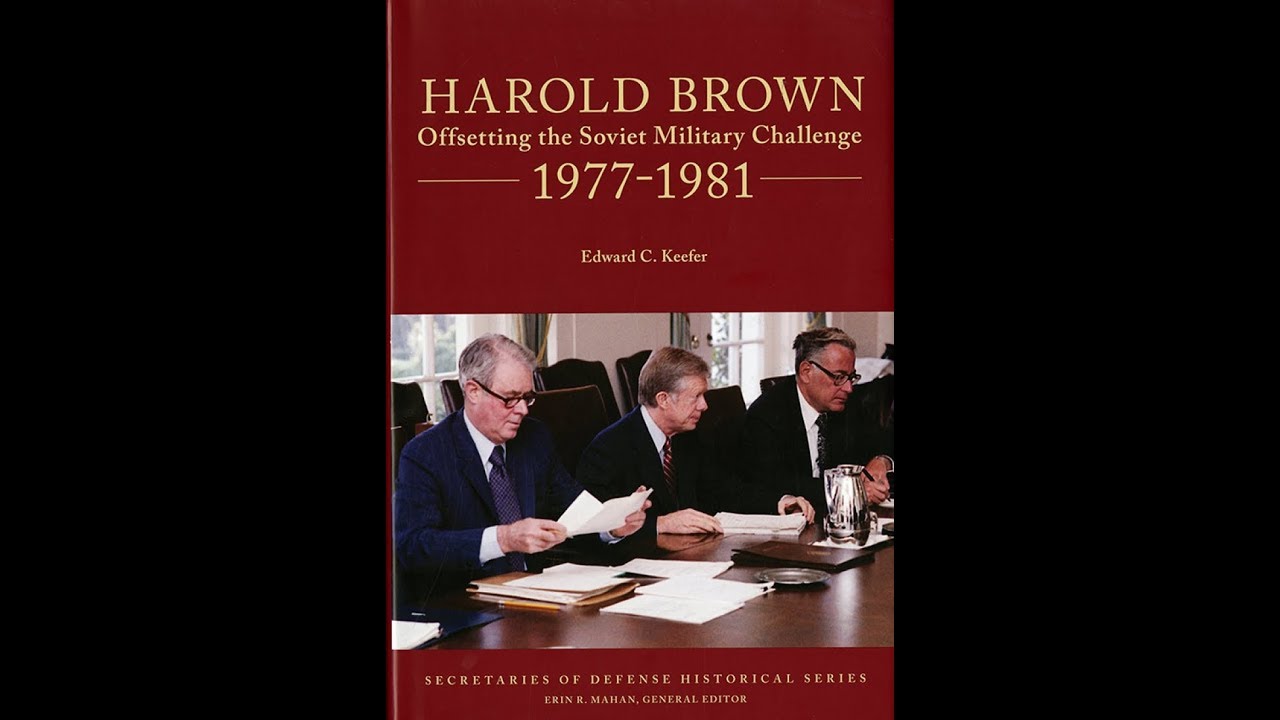
Harold Brown, as Secretary of Defense under Jimmy Carter, strategized to counter the Soviet Union's military expansion during the late 1970s and early 1980s.
Frederick Douglass, William Lloyd Garrison, and Maria Weston Chapman played pivotal roles in the early abolition movement, leading to the eventual end of slavery in America.
A thousand kilometres north of Toronto, a lumber camp serves as the backdrop for a family's history in Northern Ontario's logging towns.
A dagger found in King Tutankhamun's tomb, made from meteorite metal, challenges historical timelines and reveals ancient Egypt's advanced metallurgy.
A rural South African farming community faces severe challenges in survival, lacking essential resources like water and electricity, while one man seeks to implement change.
This year marks the 50th anniversary of the Marches from Selma to Montgomery and the Voting Rights Act of 1965, as presented by archivist Tina Ligon.
American policing is examined through interviews with former police chiefs, sociologists, and victims of police violence, highlighting its historical impact and potential reforms.
Griselda Blanco, known as La Madrina, established a powerful cocaine trafficking network in Miami, significantly influencing the city's drug wars.
Historic panoramic photographs from the Alaska Territory, taken by U.S. Geological Survey topographers between 1910 and 1932, are displayed at the National Archives.
An 1893 petition for a department of roads contains 150,000 signatures and weighs 600 pounds, illustrating the scale of political engagement in America.
Catherine Middleton navigates the challenges and responsibilities of her role as Princess of Wales following the death of Queen Elizabeth II.
Kiribati's recent diplomatic shift from supporting China to recognizing Taiwan has ignited allegations of bribery and political manipulation amid regional tensions.
On January 28, 1986, NASA's Challenger Shuttle disaster resulted from ignored warnings about faulty O-rings, leading to the deaths of seven astronauts.
Gondrecourt camp in France served as a training ground for the 1st Division during World War I, showcasing military exercises and daily life from July to September 1917.
Rudolf Vrba and Fred Wetzler escaped from Auschwitz in 1944, providing crucial evidence that helped save 120,000 lives through the Vrba-Wetzler Report.
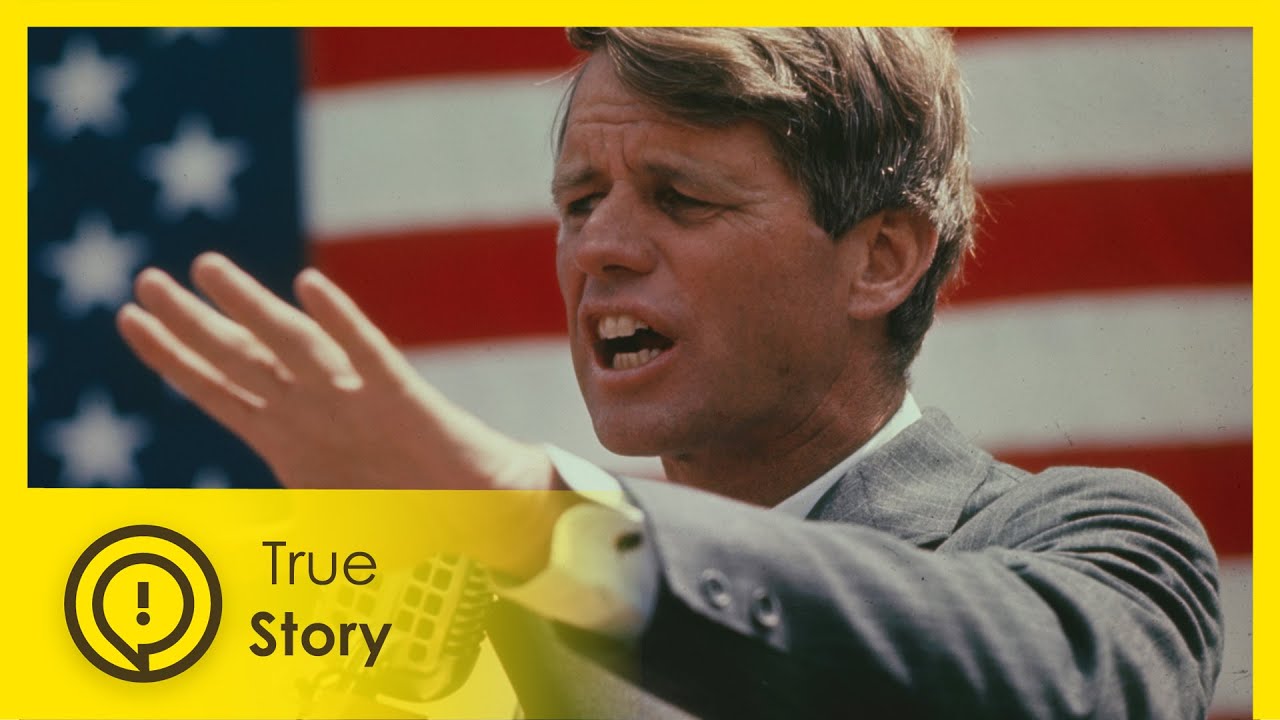
Robert F. Kennedy's transformation from Cold War warrior to peace advocate during his 1968 presidential campaign raises questions about the impact of his potential presidency.
Hosted by Jamie Theakston, this exploration of Britain's historical narratives examines controversial theories, archaeological anomalies, and suppressed events.
Pacific Islanders, affected by decades of nuclear testing, confront genetic legacies and fight for recognition and compensation from nuclear powers.
Mauthausen concentration camp, established by the Nazi regime in 1938 in Austria, became a site of forced labor and mass murder, resulting in over 120,000 deaths.
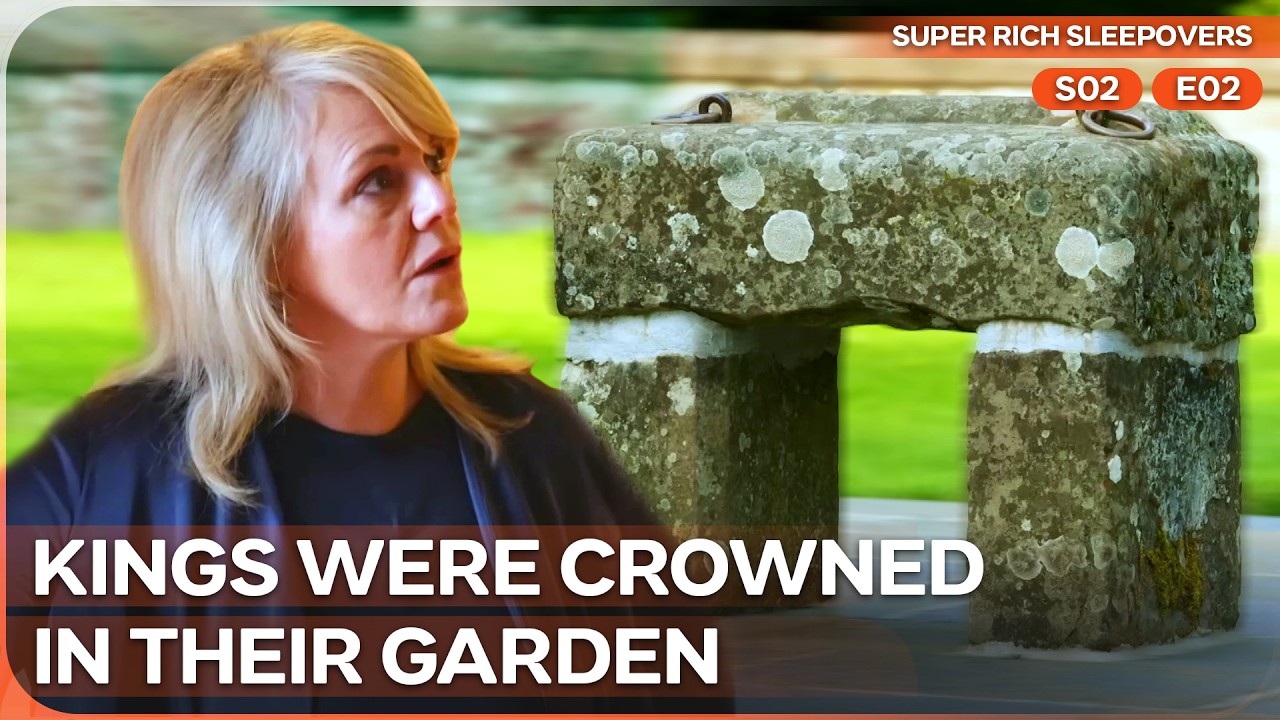
In a 125-room Gothic palace in Scotland, host Sally Lindsay explores the history, luxury, and private life of a family that has resided there for 400 years.
Modern war propaganda has evolved from its early use in World War I to the sophisticated tactics employed by ISIS and the information wars of today.
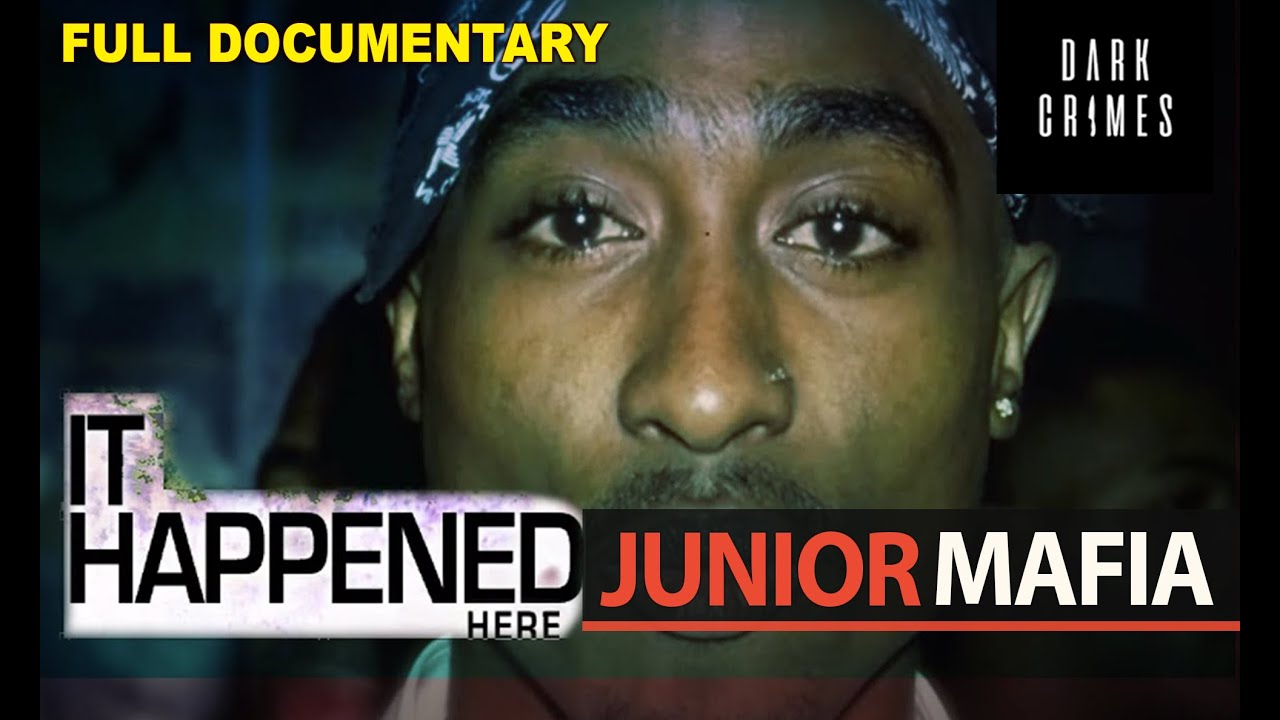
In locations tied to pop culture icons like Marilyn Monroe, Biggie Smalls, and Joan Rivers, the series examines the events that shaped their lives and legacies.
A new generation of Lancaster Bomber crews trains in a four-part series that combines living history, CGI, interviews, and rare World War II footage.
6,500 soldiers died in August 1914, as propaganda transformed public perception of the First World War through mass media and imagery.
A cliff collapse in Niscemi, Sicily, forced the evacuation of over 1,600 residents, raising questions about the long-known risks of landslides in the area.
DNA testing reveals unexpected ancestral connections for journalist Jack Tame and chef Ray McVinnie, challenging their perceptions of identity and heritage.
Historic walking routes across the Lake District and other regions of Britain reveal the cultural heritage and local traditions that shape these landscapes.
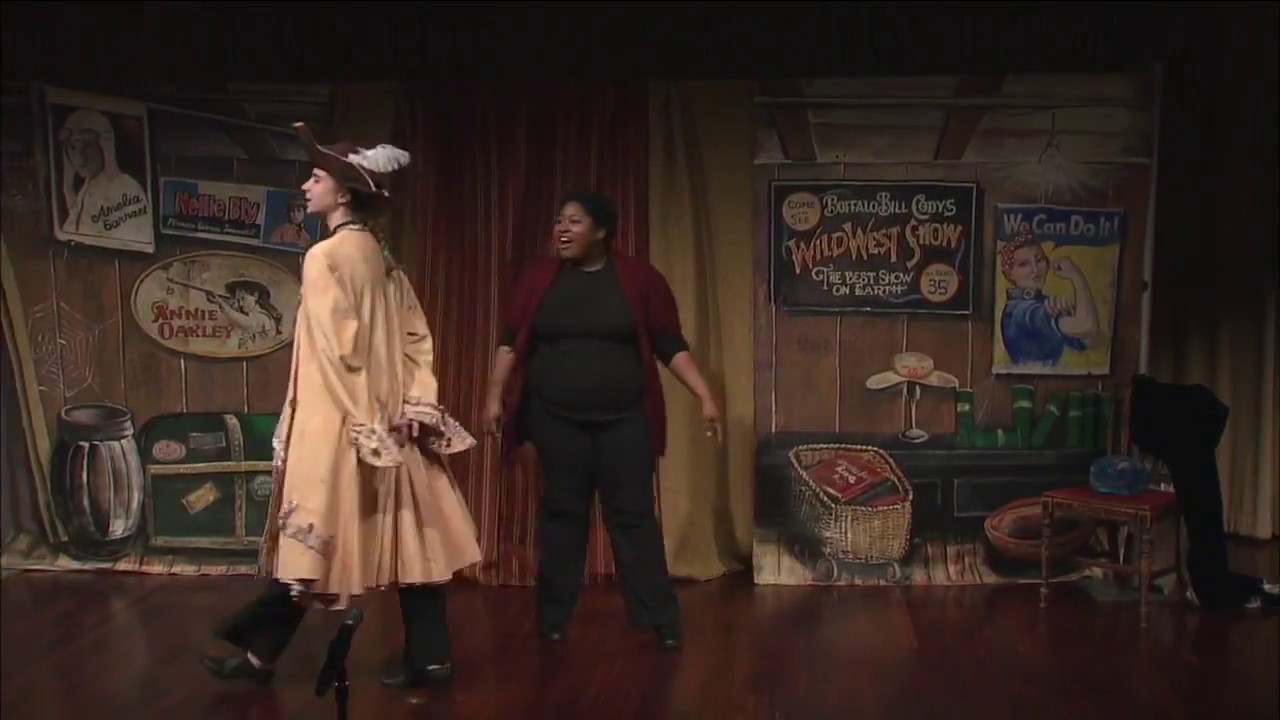
Notable American women such as Amelia Earhart, Laura Ingalls Wilder, Sacajawea, and Susan B. Anthony are celebrated for their contributions to history in this engaging program!
François Picaud's life, marked by betrayal and imprisonment, inspired Alexandre Dumas' classic novel through his extraordinary quest for revenge in 19th-century France.
Bitcoin emerges as a revolutionary force in the evolution of currency, challenging the long-standing dominance of paper money in global finance.
Loki's betrayal leads to the death of Balder the Beautiful, setting off the catastrophic events of Ragnarök, where gods like Odin and Thor confront their fates.
Babe Didrikson won two gold medals at the 1932 Olympics and is often cited as the greatest female athlete of the 20th century.
Aboriginal communities in the Kimberley face cultural and social challenges as individuals like Gabriel, Peter, Felicity, and brothers Billy and Jordan navigate their identities.
Apollo 12's mission in November 1969 faced unexpected challenges, including lightning strikes that jeopardized the astronauts' safe return from the moon.
Colombian President Juan Manuel Santos, awarded the 2016 Nobel Peace Prize, navigated a complex path to end a five-decade civil war with FARC.
The Amazon Rainforest, home to 400 billion trees and a vital carbon reserve, faces threats from historical exploitation and modern industrial pressures.
The National Archives holds approximately 13 billion pieces of paper, including records from 14 presidential libraries, as part of its mission to preserve government documents.
The brutal murder of John Scott, Head of Fiji’s Red Cross, and his partner raises questions of political motives, personal relationships, and societal tensions in Fiji.
Sixty-six million years ago, an asteroid impact off the coast of Mexico triggered a mass extinction event that wiped out 75% of all species, including dinosaurs.
Six strangers spend 25 days in the wilderness, relying on ancient survival skills and the teachings of Elders to reconnect with their past.
In 79 AD, the eruption of Mount Vesuvius buried the Roman cities of Pompeii and Herculaneum, preserving their daily life and architecture for centuries.
East Germany's Ministry for State Security, known as the Stasi, created an extensive surveillance system that monitored citizens through millions of files and informants.
Xinjiang, once a region of independent Turkic kingdoms and a vibrant Uyghur identity, has been reshaped by the Chinese Communist Party's policies and control.