From over 100,000 films, discover the handful you'll love.
Free or premium access to the world's largest documentary library.
22463 films(Page 56 of 468)
Byron Chubbuck, known as Oso Blanco, robbed a Wells Fargo bank in Albuquerque in 1999 and later escaped from prison to continue his crime spree.
Peugeot's collaboration with the Resistance in Nazi-occupied France significantly disrupted the German war machine through strategic sabotage of military vehicles.
Bank of America faced immense challenges during the 2008 financial crisis, revealing the complexities of the banking industry and government intervention.
Every day, convenience stores sell over 11 million cups of coffee, with 7-Eleven being a major contributor to this daily consumption.
Coco Chanel was born on August 19, 1883, in a poorhouse in Saumur, France, as Gabrielle Bonheur Chanel, before becoming a prominent fashion designer.
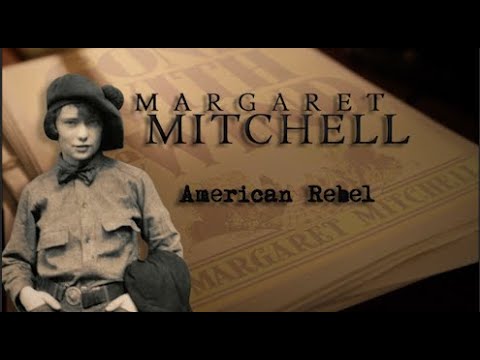
Margaret Mitchell asked her husband to burn the original manuscript of Gone With the Wind, but he saved several chapters before the flames consumed the rest.
In Detroit, a once-thriving city now facing economic decline, legendary barber Roberto continues to serve his loyal customers while preserving the spirit of Motown.
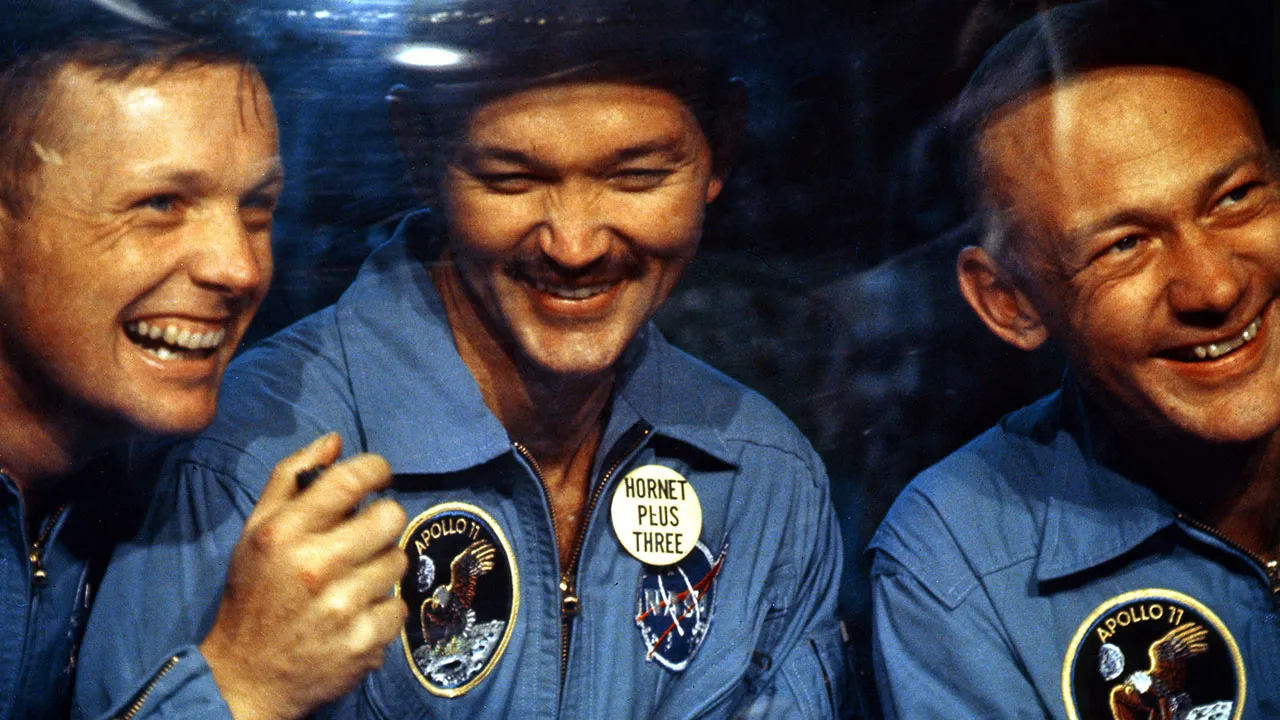
Neil Armstrong, the first person to walk on the Moon during NASA's Apollo 11 mission in 1969, is explored through archival footage and personal stories.
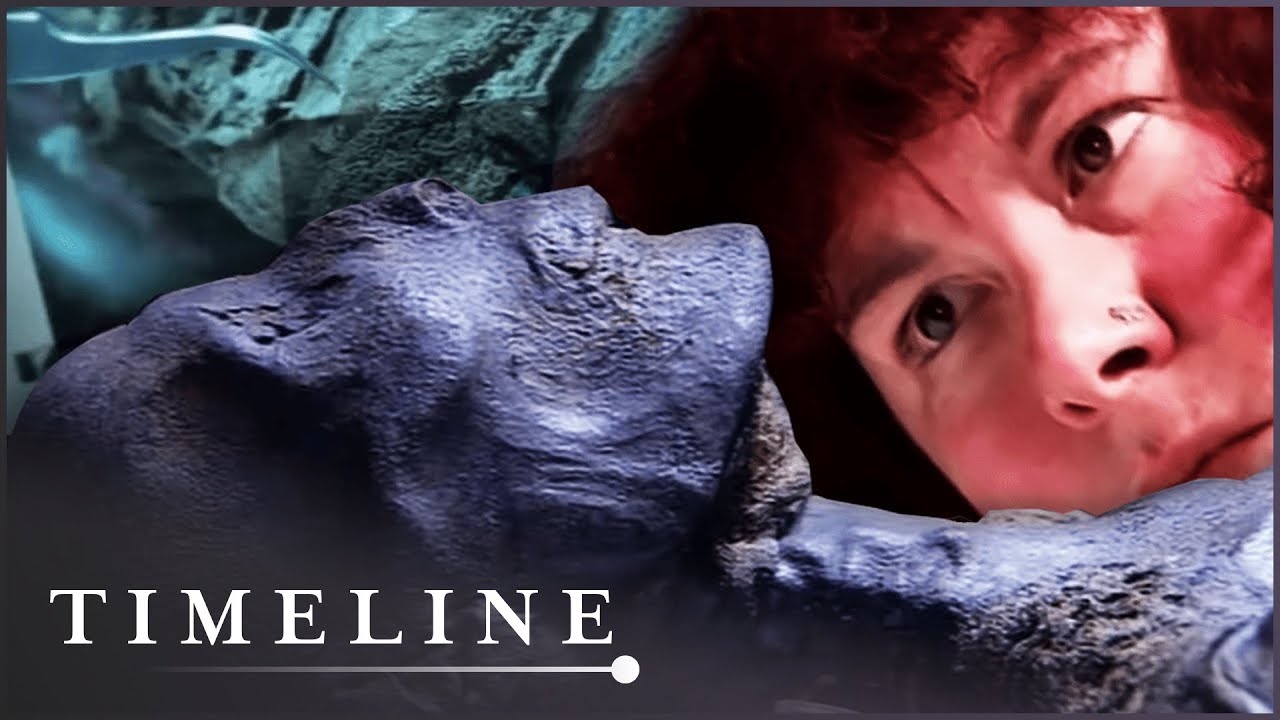
A Peruvian mummy with a unique cross-legged posture, analyzed by the Mummy Research Team at the University of York, reveals insights into ancient burial practices and potential violence in its past.
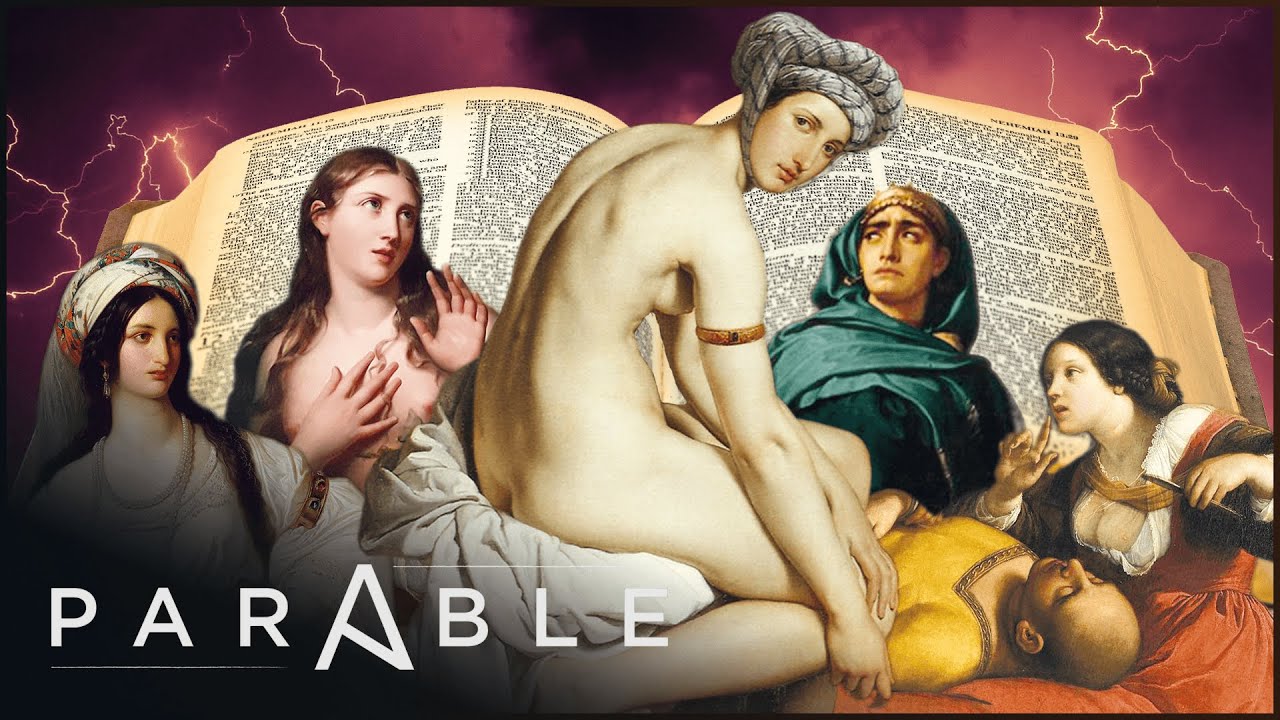
Notorious women in the Bible, including Eve, Delilah, Bathsheba, Jezebel, and Esther, are examined for their roles and impact within a patriarchal society.
HMS Duncan, a £1 billion Type 45 Destroyer, showcases advanced air defense capabilities while navigating threats from Russian jets and the Syrian conflict.
Winston Churchill's leadership during Britain's Darkest Hour is examined, highlighting his pivotal role in resisting Nazi Germany and shaping wartime decisions.
The AK-47, a revolutionary firearm developed by Mikhail Kalashnikov, is examined for its historical significance and impact on modern warfare.
Malaysia Airlines flight MH370 vanished on March 8, 2014, during its route from Kuala Lumpur to Beijing, prompting a global search and raising aviation safety concerns.
In 1993, President Bill Clinton signed a formal letter of apology for the U.S. government's role in the illegal overthrow of Hawaii's monarchy a century earlier.
The destruction of the Buddhas of Bamiyan by the Taliban in Afghanistan exemplifies a broader trend of cultural erasure seen in Iraq and Syria, where sites like Palmyra and Mosul's museums have suffered significant losses.
A 37-meter war vessel discovered in Roskilde in 1997 provided new insights into the legendary dragon ships of the Viking Age.
Qin Shi Huangdi, China's first emperor, is examined through new excavations and dramatic reconstructions of his legacy, including the Great Wall and Terracotta Army.
On March 28, 1940, the Anglo-French Supreme War Council decided to begin mining Norwegian waters as tensions escalated in Scandinavia.
Mary I and Elizabeth I, sisters and rivals, navigate a brutal dynasty in England's history.
Moken people, known as "sea nomads," maintain their semi-nomadic traditions in Thailand and Myanmar, living in harmony with the ocean and nature.
Mudlarking along the River Thames reveals historical artifacts such as charred roof tiles from the Great Fire of London and a rare coin from George II's reign.
The Grand Egyptian Museum, located near the Cheops pyramids, is the largest museum in the world, housing 100,000 archaeological artefacts within its 260,000 square feet.
Participants of the Stanford Prison Experiment recount their experiences and reveal new insights about the psychological study that shaped perceptions of human behavior in 1971.
Michael Ryan's shooting spree in Hungerford on August 19, 1987, resulted in the tragic loss of 16 lives, including his own.
By the end of the 12th century, the Knights Templar had become an international organization with approximately 600 fighting brother Knights in the crusader states.
Queen Elizabeth II was born on April 21, 1926, in London, and became the third in line to the throne at the time of her birth.
The final moments of World War II reveal the critical military confrontations and strategic errors that led to the downfall of the Axis powers in Europe.
Crafted from 22 pounds of gold, Tutankhamun's death mask has sparked debate over whether it was originally made for him or for Queen Nefertiti.
Maoists in Nepal have gained significant support in rural Surkhet, where poverty and political neglect fuel their revolutionary agenda and attract young recruits like twelve-year-old Kranti.
Microscopic organisms have posed a persistent threat to humanity, prompting advancements in medicine as a crucial defense against disease and death.
Heinrich Himmler's fascination with the occult led Nazi Germany on a secret mission to remote Tibet in search of mythical objects and supernatural knowledge.
Capri, a historic playground for the rich and famous, attracts millions of tourists annually, with La Grotta Azzurra serving as its iconic underwater attraction.
The fossil fuel industry’s efforts to delay climate action are examined, highlighting the U.S. oil and gas boom and the consequences of inaction on methane leaks.
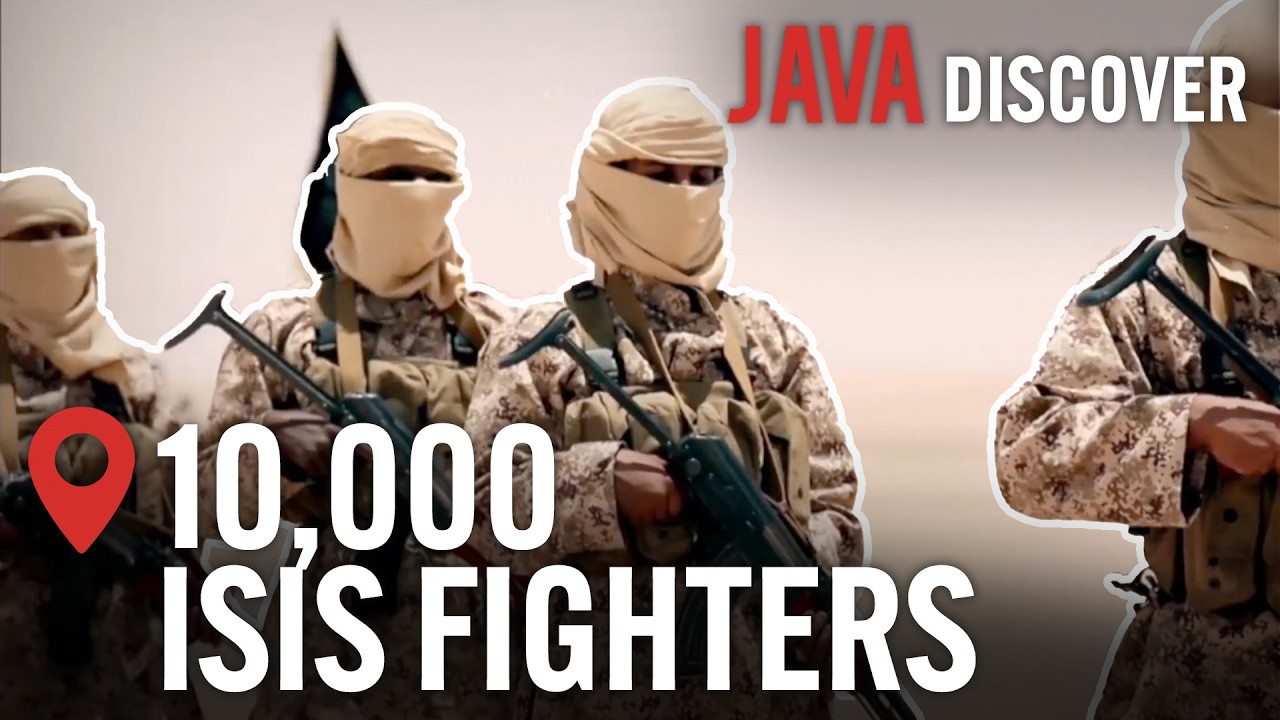
10,000 ISIS fighters remain active in the desert between Iraq and Syria, as the group seeks to reorganize despite the fall of its territorial caliphate.
General MacArthur's island hopping strategy, highlighted by key battles such as Guadalcanal and the Philippines, played a crucial role in defeating Japan during World War II.
On June 27, 1981, an assassin disguised as a journalist severely injured Ali Khamenei in a bombing at the Abuzar Mosque in Tehran.
The 1981 Swanson Motel murders in Dickinson, North Dakota, involved the tragic deaths of Marietta Geske and her daughter, leading to a complex investigation that went cold for years before the FBI's involvement reignited interest.
The Battle of Agincourt in 1415 marked a significant English victory during the Hundred Years' War, resulting in heavy French casualties despite their numerical advantage.
The Battle of Okinawa, lasting 82 days, marked one of the bloodiest campaigns of World War II, highlighting the strategies of Generals Buckner and Ushima.
Dale Starks' harvest crew travels nearly 2,000 miles from Texas to Canada, operating combine harvesters for 18 hours a day during the summer wheat season.
In Plympton, local residents collaborate with archaeologists Keith Ray and Robert Howard to locate the layout of a lost 12th-century town surrounding a historic castle.
Traditional martial arts in Japan, particularly through the Taisha-ryu sword school, evolve to maintain relevance in the modern world.
In Bega, New South Wales, the 1997 abduction, sexual assault, and murder of teenagers Lauren Barry and Nichole Collins profoundly impacted the local community.
Chicago's Lake Michigan, New York City's shipwrecks, Hollywood's hidden history, and the realities of the Wild West reveal America's submerged secrets.
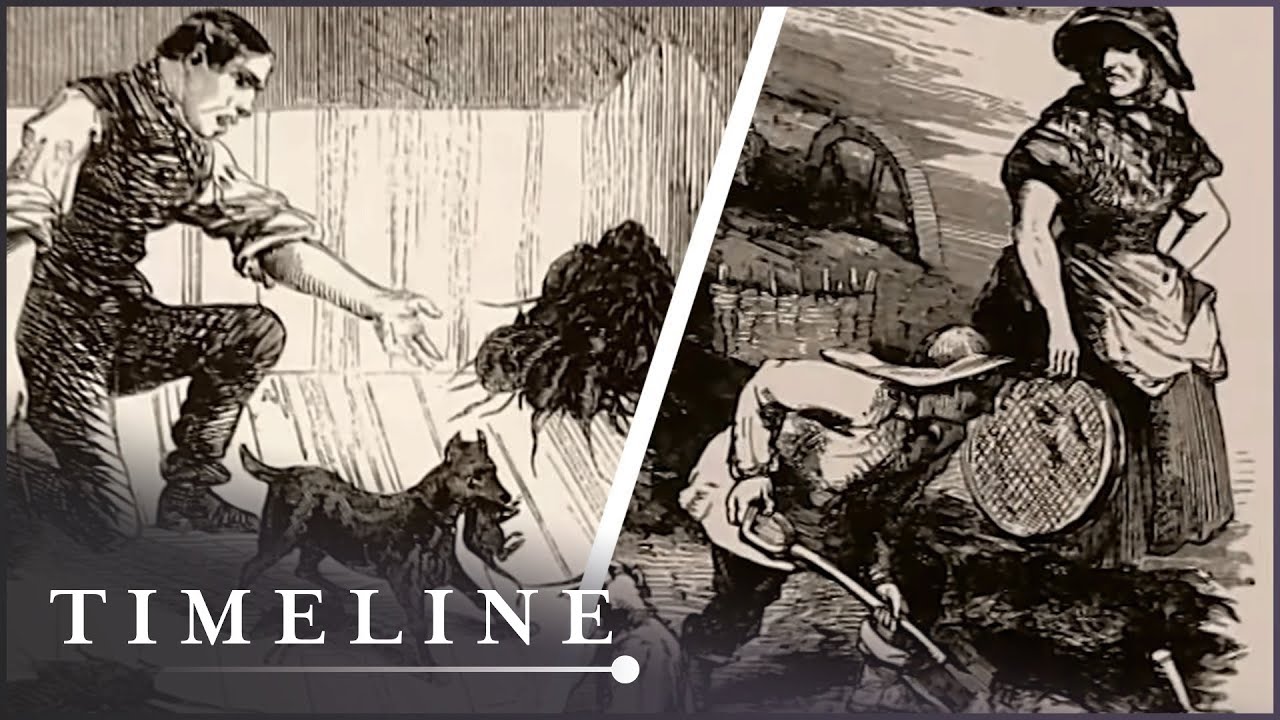
Five or six tonnes of coal had to be shoveled daily by engine cleaners, a job described as one of the worst in Victorian Britain.
Walter White led the NAACP from 1929 to 1955, yet his significant role in the civil rights movement has largely been forgotten.
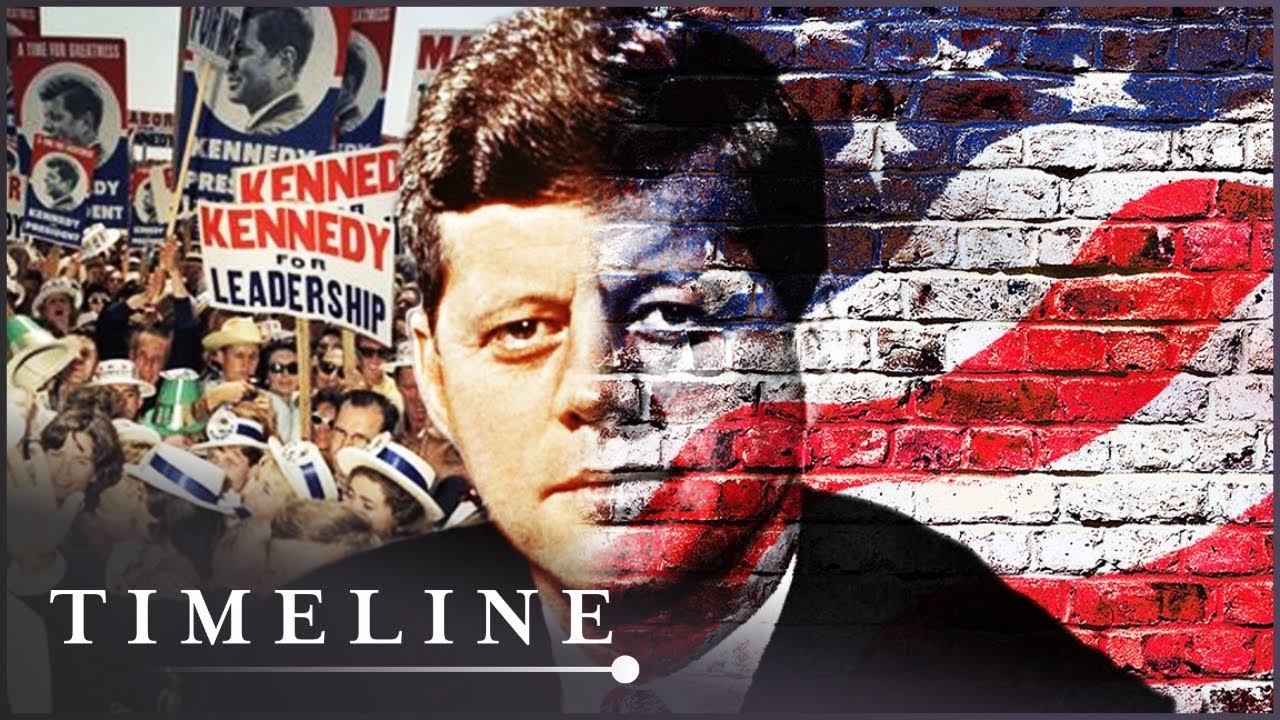
Kennedy's trip to Dallas in November 1963 aimed to unify the Democratic Party ahead of the 1964 campaign, but ended with his assassination.