From over 100,000 films, discover the handful you'll love.
Free or premium access to the world's largest documentary library.
22469 films(Page 263 of 469)
The 1950 census records, along with those from 1790 to 1940, are discussed in detail regarding their management and transfer to the National Archives.
Belfast's Peace Walls, intended to separate Catholic and Protestant communities, raise questions about whether they prevent violence or perpetuate deep-seated prejudices.
Ötzi the Iceman's murder, the conspiracy against King Philip II, and the assassination attempt on China's first emperor reveal complex historical intrigues.
The transition of Great Britain from a colonial power to a global financial leader is examined through the rise of offshore jurisdictions in the City of London.
On June 19, 1865, U.S. Major General Gordon Granger issued General Order Number 3, declaring freedom for all enslaved people in Texas.
The rise of Islamic civilization from the birth of Prophet Muhammad in 569 to its expansion, military dynamics, and contributions during the Islamic Golden Age is examined.
Ancient pyramids, aligned with celestial bodies and steeped in cultural legends, may hold secrets of advanced knowledge and extraterrestrial influence.
September 11, 2001, is chronicled through over 20 hours of raw footage, detailing the timeline of events from the initial attacks to the aftermath.
Orliyevsky, a clockmaker from Vitebsk, reflects on a life marked by war, loss, and prejudice, revealing the resilience of the human spirit amidst turmoil.
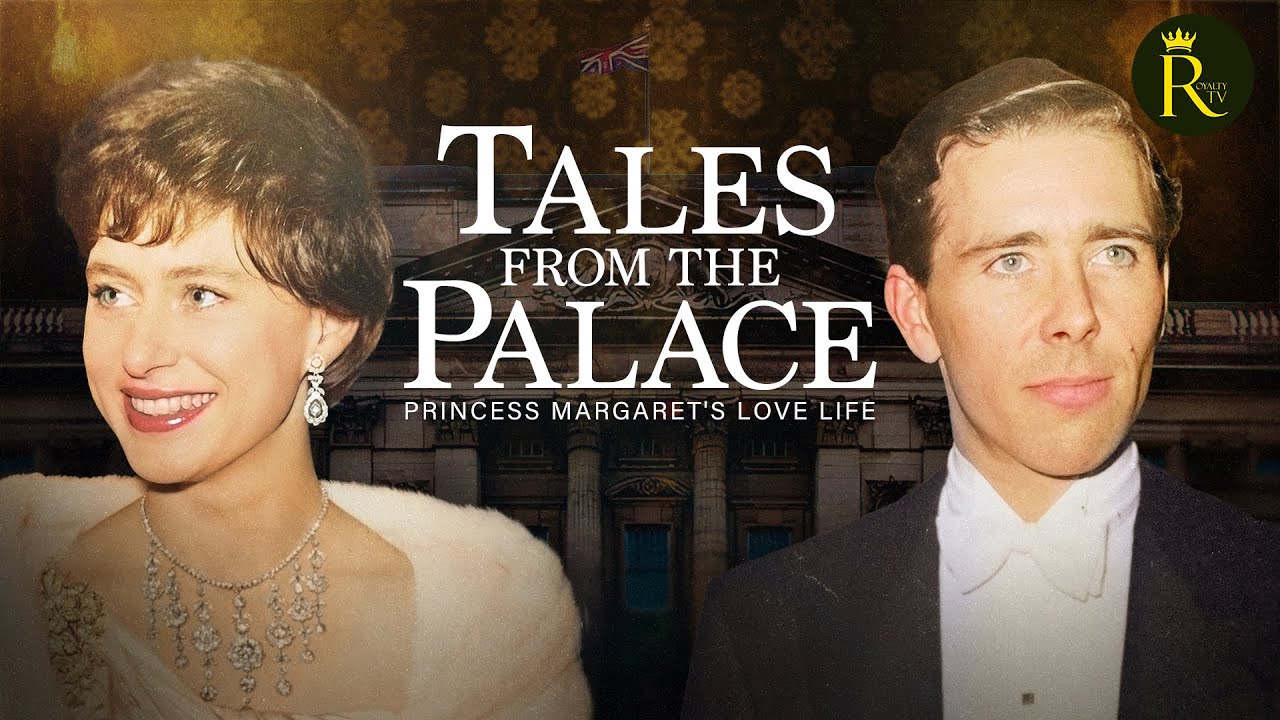
Princess Margaret's romantic relationships, particularly her affair with Group Captain Peter Townsend, highlight her complex role within the British royal family.
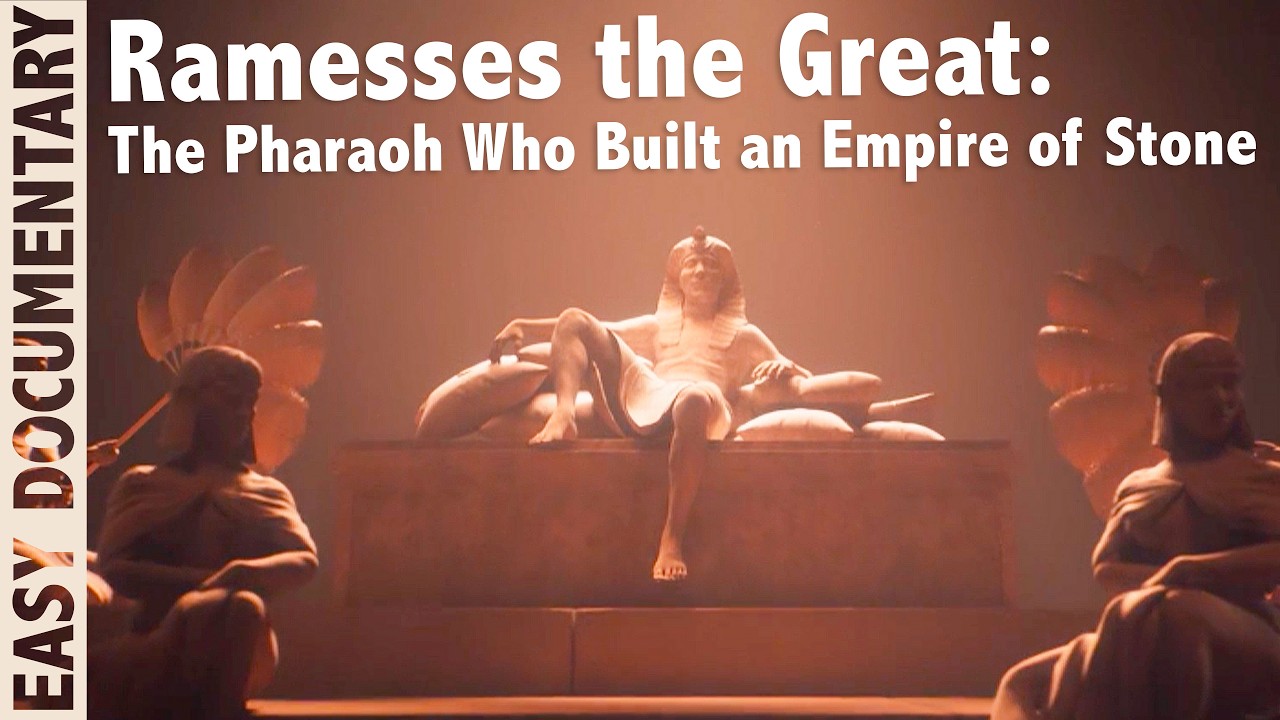
Ramesses II, known as Ramesses the Great, ruled Ancient Egypt for 66 years, expanding its borders through military campaigns and monumental architectural projects like Abu Simbel.
Artemis missions aim to establish a permanent human base on the Moon, utilizing advanced technology and lunar resources to prepare for future exploration of Mars.
Mark Clague spent over a decade researching the history of "The Star-Spangled Banner," tracing its origins and cultural significance in America.
Captured German records at the National Archives provide insights into American POWs during World War II, including card files and historical context.
Rwanda's 30th anniversary of the genocide prompts an examination of the country's reconciliation policy, featuring survivor testimonies and efforts to promote national unity.
Miami's vibrant anti-establishment culture thrives post-pandemic, attracting a diverse mix of rebels, artists, and entrepreneurs seeking freedom and expression.
Medieval murder mysteries are examined through modern forensics and expert analysis, revealing the true circumstances behind the deaths of historical figures.
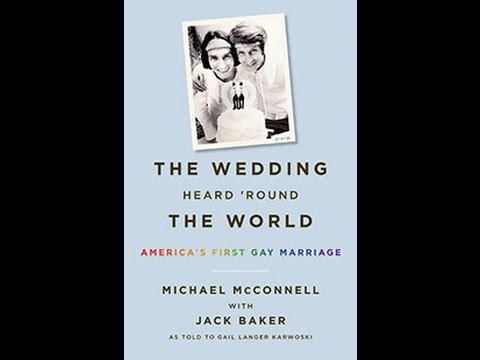
On September 3, 1971, Michael McConnell and Jack Baker applied for a marriage license in Hennepin County, marking a significant moment in LGBTQ history.
Colin Wallace outlines strategies implemented during the Troubles in Northern Ireland to weaken the IRA's determination to continue its armed conflict.
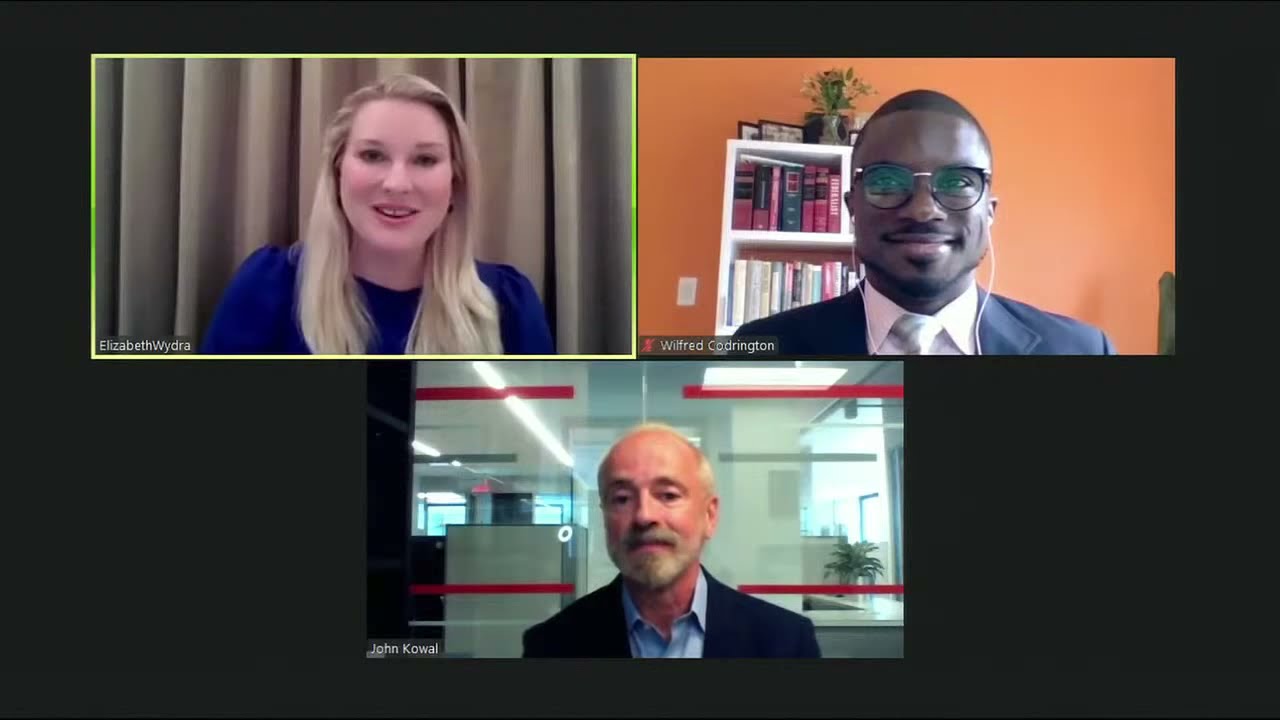
Generations of Americans have reshaped the Constitution through 27 amendments, as discussed by authors John Kowal and Wilfred Codrington III with Elizabeth Wydra.
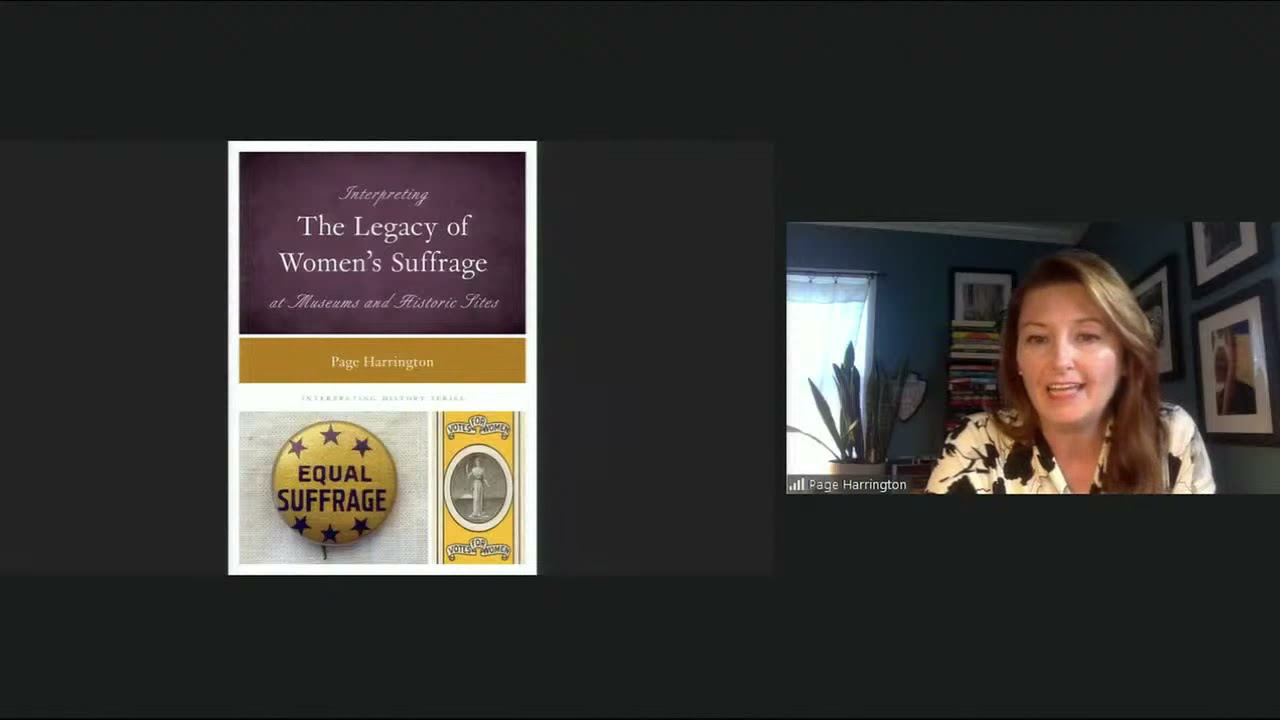
Nearly 800 local leagues of the League of Women Voters continue the work of suffragists to promote women's voting rights across the United States.
Harriet Tubman, known as the "Moses of her people," is highlighted for her role as an abolitionist and political activist in the fight against slavery.
Cambodians return home in 1992 after surviving war and refugee camps, facing societal tensions.
Lisa Marie Presley, daughter of Elvis Presley, faced intense legal battles over her father's financial legacy after inheriting his fortune at 25.
The blast at Warehouse 12 in Beirut was described as the third biggest explosion in recent human history, following Hiroshima and Nagasaki.
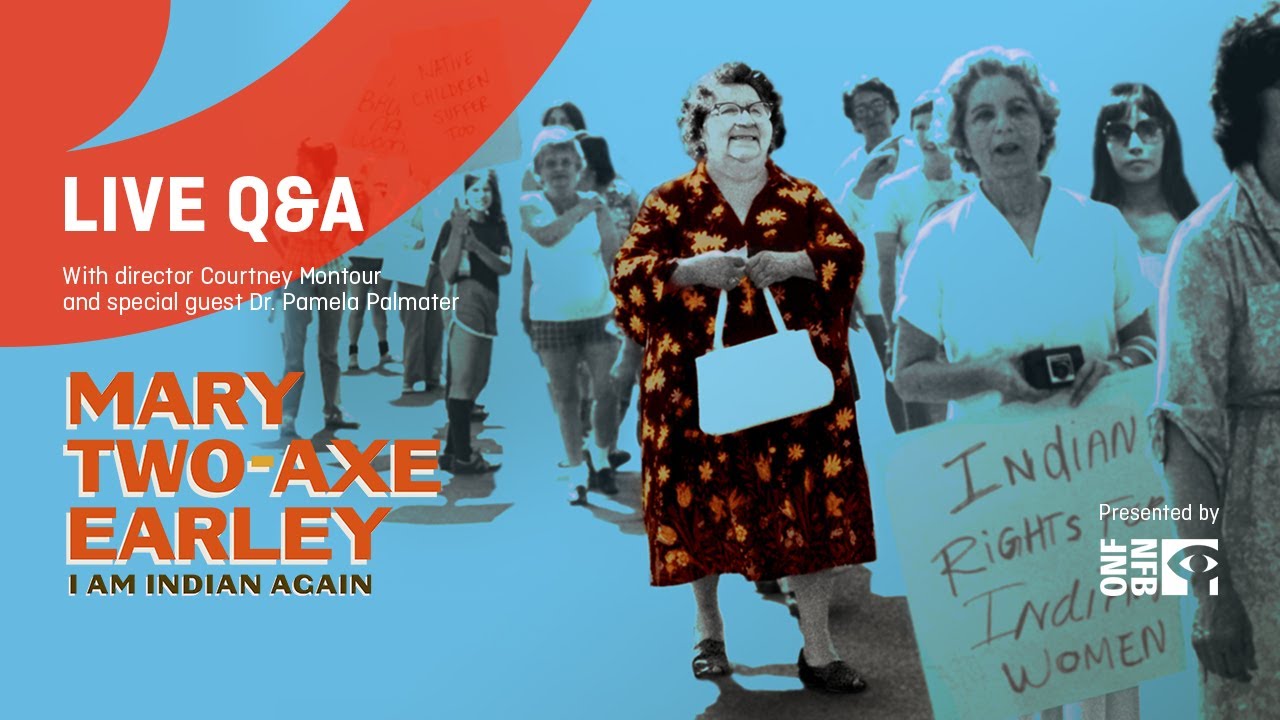
Mary Two-Axe Earley fought for over two decades against discriminatory policies in Canada’s Indian Act, significantly impacting Indigenous women's rights.
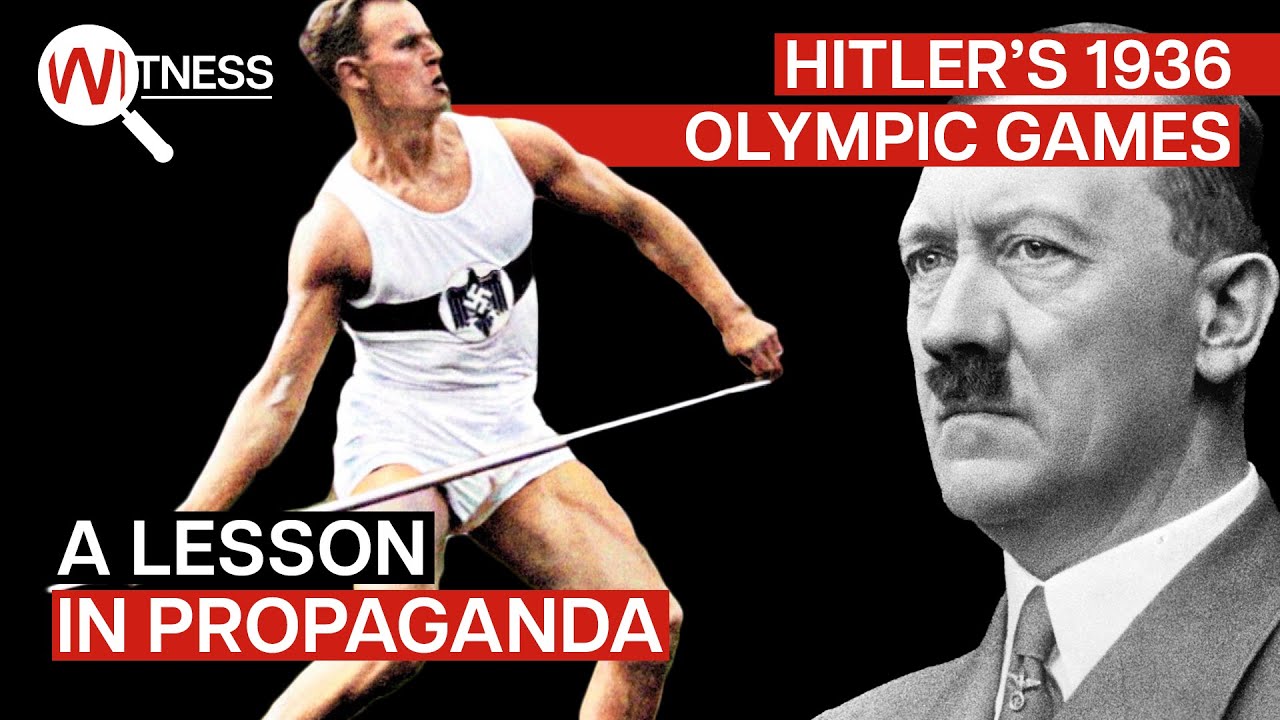
On August 1, 1936, Adolf Hitler watched as 100,000 spectators filled the Berlin stadium for the largest Nazi propaganda operation of all time.
Bint, known as the British Frank Abagnale, committed over 500 crimes by impersonating various professionals, including a doctor and a lawyer.
In the United States before 1973, women faced life-threatening risks in seeking illegal abortions, prompting activists like Sarah Weddington and Dr. Jane Hodgson to fight for decriminalization and safe access.
Yemen's American-backed government seeks to gain public support amid concerns of the country being a recruitment hub for Al Qaeda.
Richard Brookheiser discusses 13 key documents from 1619 to 1987 that define America's unique relationship with liberty.
Johannes Vermeer's masterpieces, long forgotten in the Netherlands, have inspired extreme efforts to recover them and led to the rise of notorious forgers.
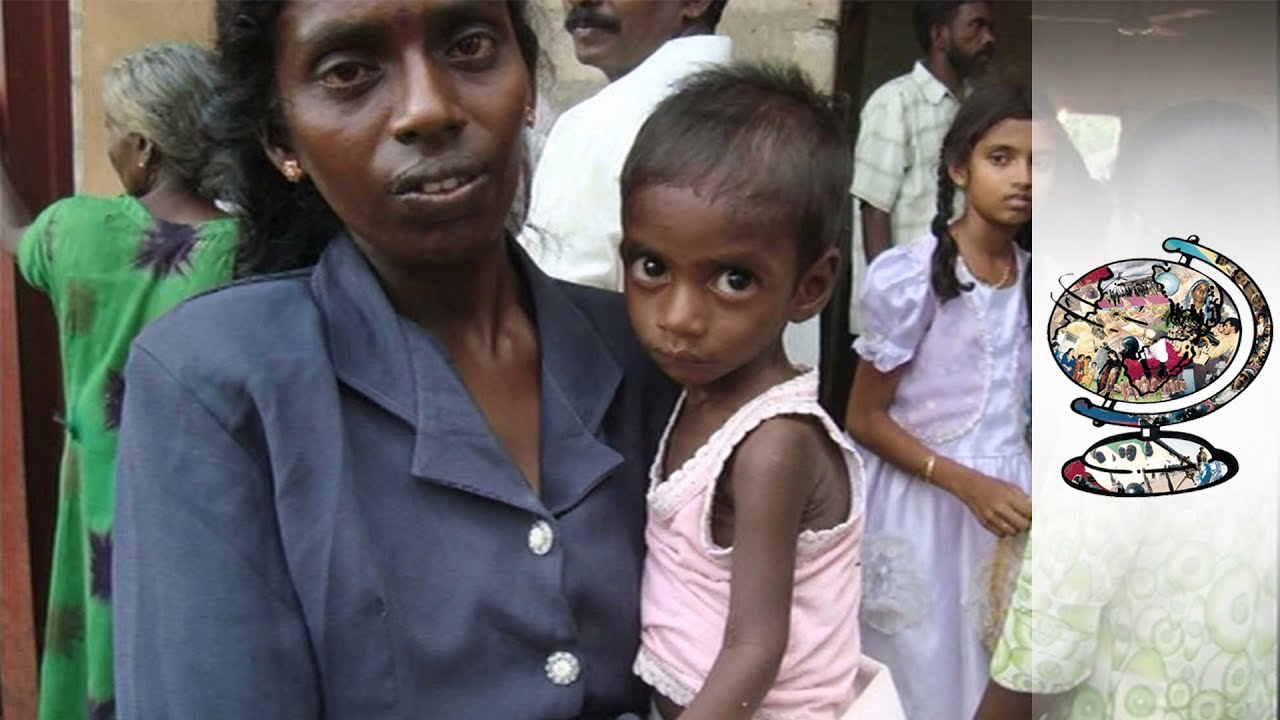
Sri Lanka grapples with the aftermath of a brutal civil war, as allegations of war crimes and deep societal divisions continue to challenge the nation's recovery.
Prince Harry and Meghan Markle's engagement in November 2017 marks a pivotal moment for the British monarchy, as they prepare for their spring 2018 wedding at Windsor Castle.
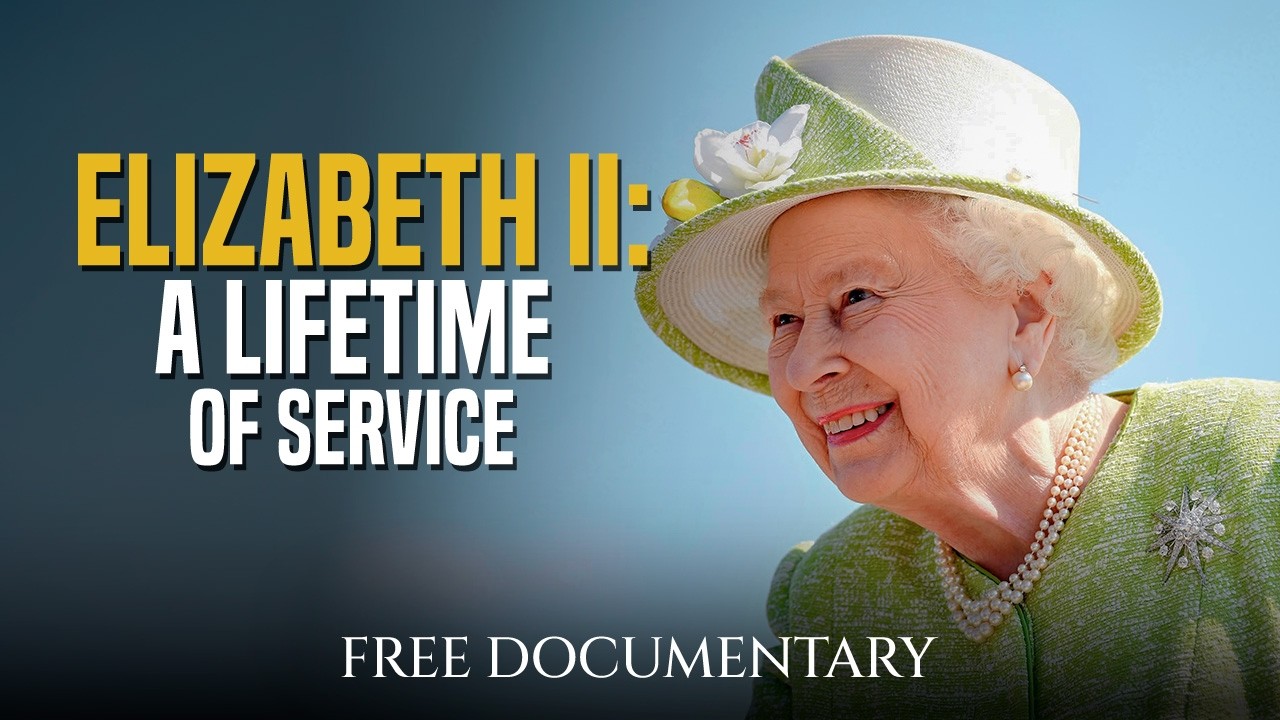
Elizabeth II's life is examined through her unexpected ascent to the throne, her dedication to the Commonwealth, and her role during a century of change.
Nikola Tesla's contributions to electricity and his controversial theories are examined alongside suppressed historical events and alternative narratives in this exploration of hidden truths.
Ancient powers such as Egypt, China, India, Greece, and Rome implemented brutal laws to maintain control and prevent rebellion in their societies.
In 1967, the Summer of Love marked a pivotal moment in the UK and USA, characterized by a vibrant music scene that fueled social change and anti-war movements.
Medieval cold cases, including royal betrayals and street brawls, are examined through modern forensics and expert analysis to reveal the truth behind historical deaths.
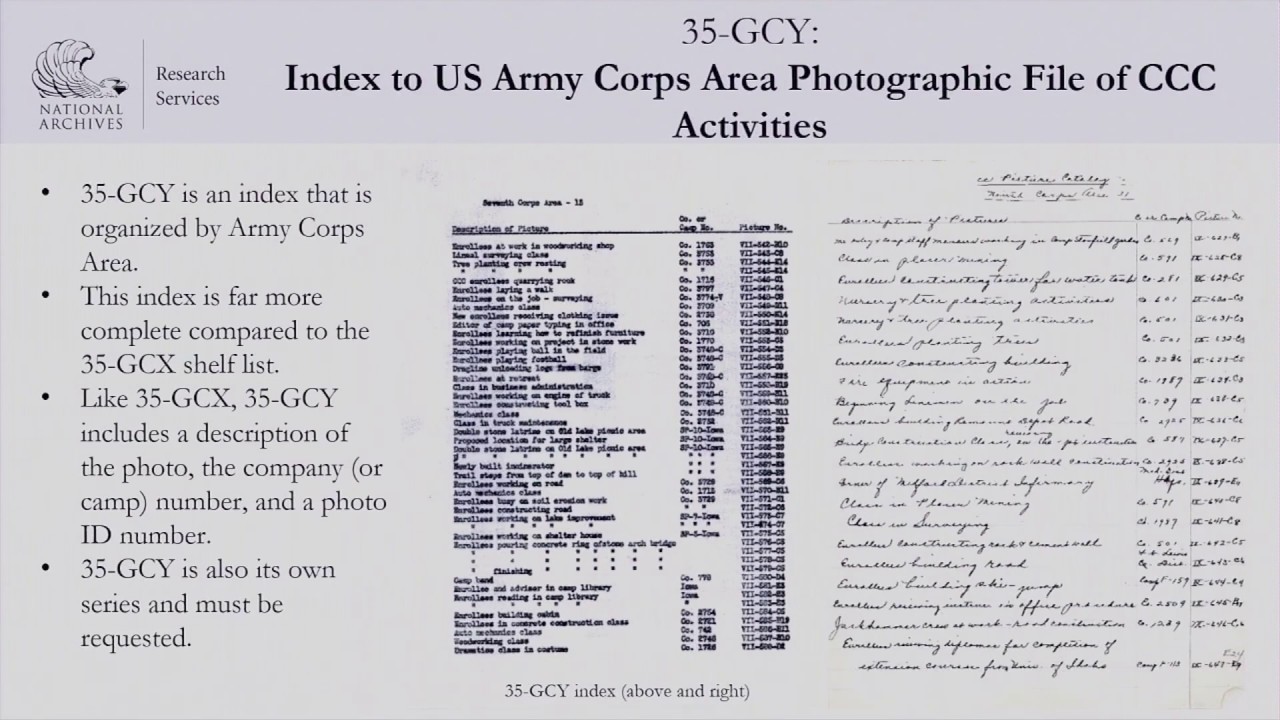
New Deal-era photographic records from the Still Picture Branch at the National Archives highlight programs like the Works Progress Administration and rural assistance initiatives.
Saharawi refugees, numbering 100,000, have endured decades in tent cities in the Sahara after fleeing their homeland due to Morocco's annexation.
The Roswell Alien Autopsy hoax, Loch Ness Monster mystery, and Hitler Diaries scandal exemplify the most significant deceptions that shaped public perception throughout history.
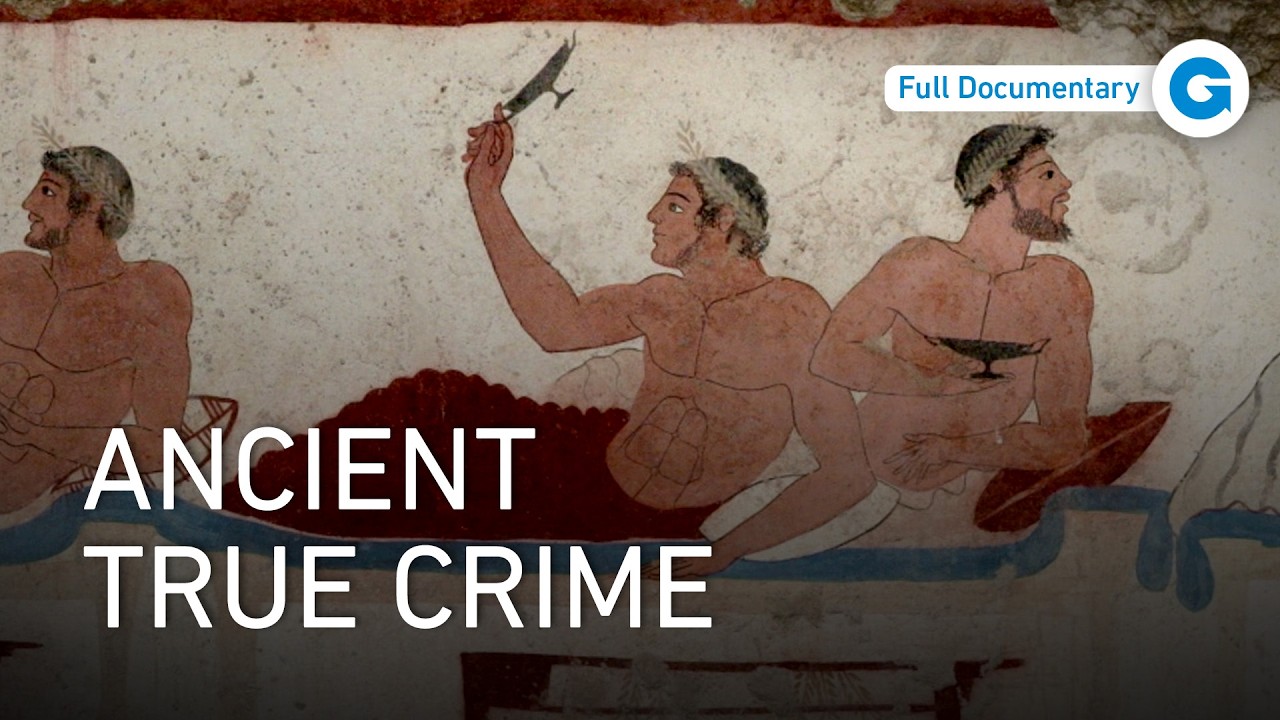
The illicit network of tomb raiders like Giacomo Medici and high-society dealers Robin Symes and Christo Michaelides facilitated the smuggling of a 2,500-year-old relic to the J. Paul Getty Museum, igniting.
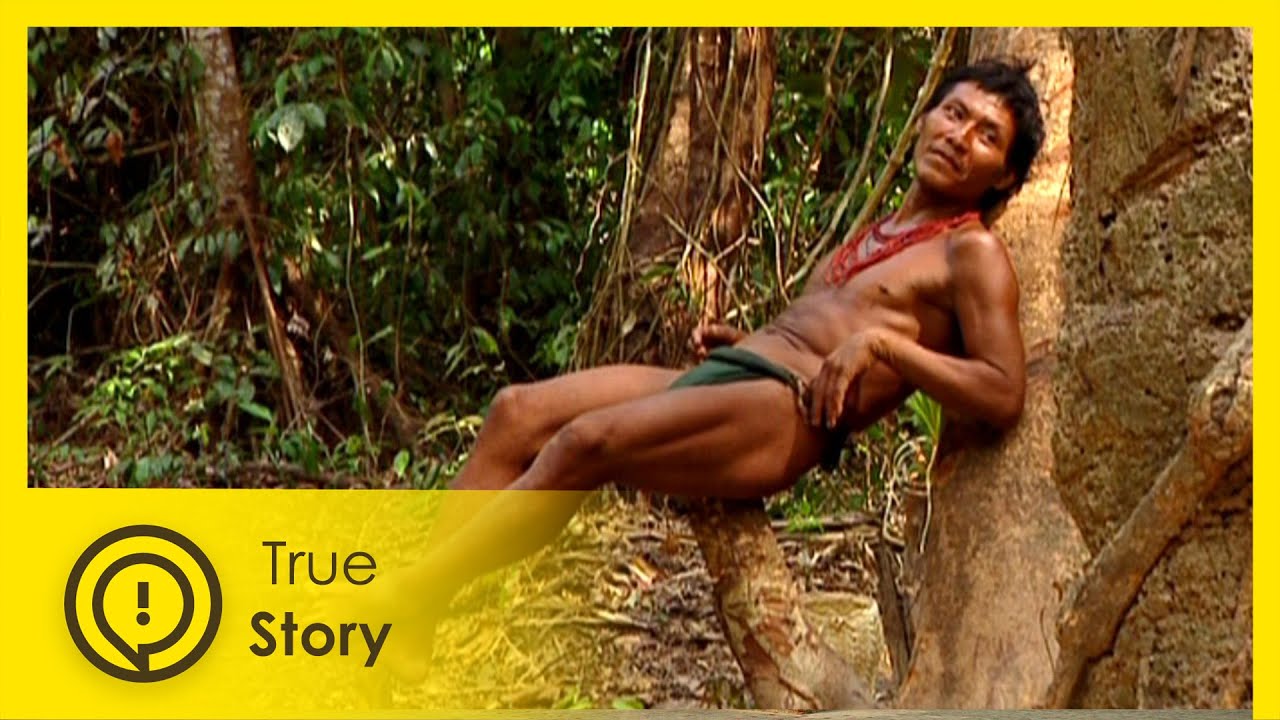
In the African Sahel, the Peul or Fulani, known as "the Men of oxen," are explored alongside the Hoti Indians of Venezuela, the Tsaatan nomads of Mongolia, Australian Aborigines, and the Khamba.
On September 11, 2001, eyewitnesses at the Pentagon recount their experiences and acts of rescue during the terrorist attack that claimed 125 lives.
Cyber warfare has evolved into a military operation involving state-sponsored hackers, as illustrated by incidents like the Stuxnet virus and Russian cyber attacks.
Woodrow Wilson's presidency from 1917 to 1921 is chronicled through significant events such as the declaration of war, military inspections, and the burial of the Unknown Soldier.
Approximately 50 different series document Civilian Conservation Corps activities and camps in the National Archives' Still Picture unit.

















![Documentary backdrop image for Woodrow Wilson [1917-1921] (2014)](https://i.ytimg.com/vi/xRi3eTKobFk/maxresdefault.jpg)