From over 100,000 films, discover the handful you'll love.
Free or premium access to the world's largest documentary library.
22463 films(Page 290 of 468)
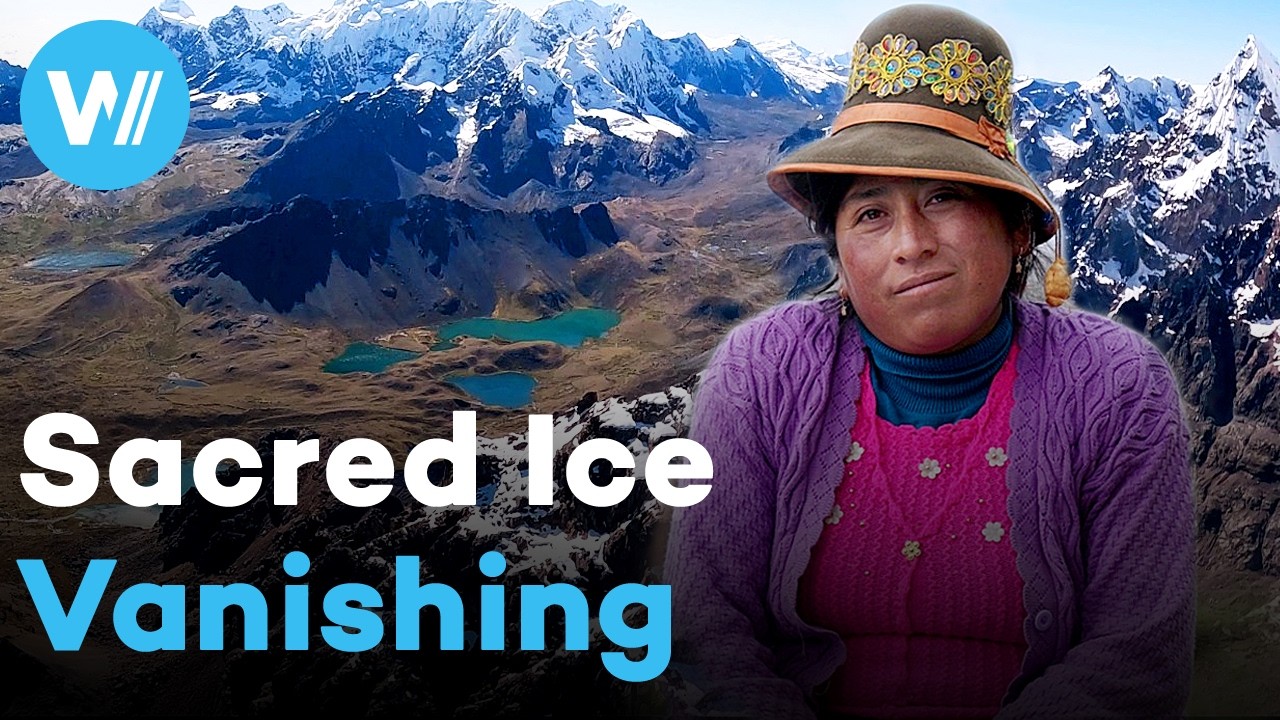
Ausangate glacier in the Peruvian Andes, revered by Quechua communities, is rapidly melting, threatening water sources and traditional livelihoods while prompting efforts to revive ancient irrigation practices.
During World War II, Joseph Stalin ordered the execution of Russian women who married British soldiers, labeling them as traitors for attempting to leave the Soviet Union.
In 1980, a filmmaker grapples with his identity and political legacy shaped by the Turkish revolution, exploring themes of exile and family through various narrative styles.
Ambitious immigrants like Carl Laemmle, William Fox, and Louis B. Mayer transformed Hollywood from open land into the global entertainment capital through innovation and competition.
Activism in the mid-1990s is highlighted through footage of anti-racist efforts in Oslo, Welsh eco-warriors, and reflections on the Turkish invasion of Cyprus.
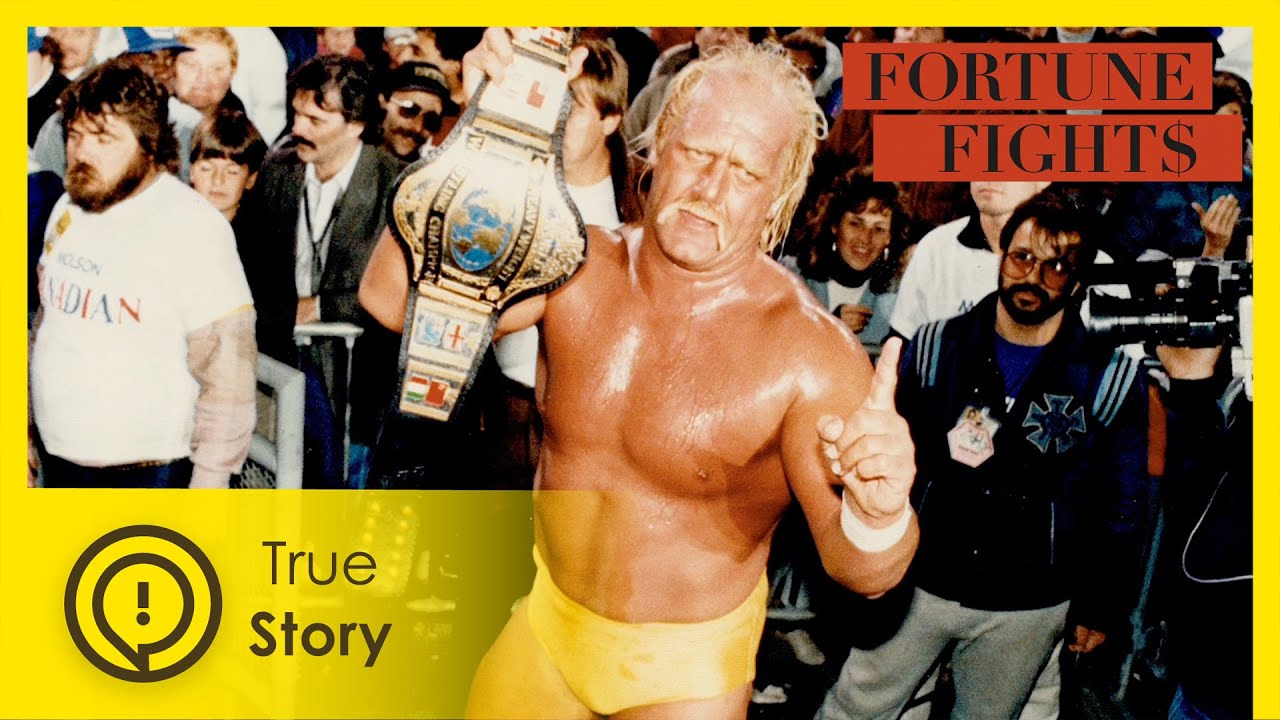
Terry “Hulk Hogan” Bollea, a wrestling icon and former face of the WWF, faced a public sex scandal that led to a complex legal battle over his fortune.
Ambitious immigrants like Carl Laemmle, William Fox, and Louis B. Mayer transformed Hollywood from barren land into the global entertainment capital by challenging Thomas Edison's Motion Picture Trust.
Iconic photographs, such as Donald Trump's campaign image and the Vietnam War's burned girl, significantly influence political events and public perception.
In the Russian Arctic, teenage boys and girls undergo rigorous military training and ballet lessons amid the ongoing tensions of the Cold War.
Kathleen Turner examines the legacies of entertainment icons Charlie Chaplin, Billie Holiday, Marilyn Monroe, and David Bowie, highlighting their groundbreaking contributions and societal impacts.
Zahed Haftlang, an Iranian soldier, and Najah Aboud, an Iraqi conscript, form an unbreakable bond after one saves the other during the Iran-Iraq War.
About 50,000 people were evacuated from Pripyat and surrounding areas following the explosion of the Chernobyl nuclear reactor on April 26, 1986.
Operation Foxley was a covert British mission aimed at assassinating Adolf Hitler during his morning walks at Berghof, ultimately failing despite its strategic planning.
About 12 million records are available for transcription at the National Archives, where volunteers collaborate to digitize historical documents.
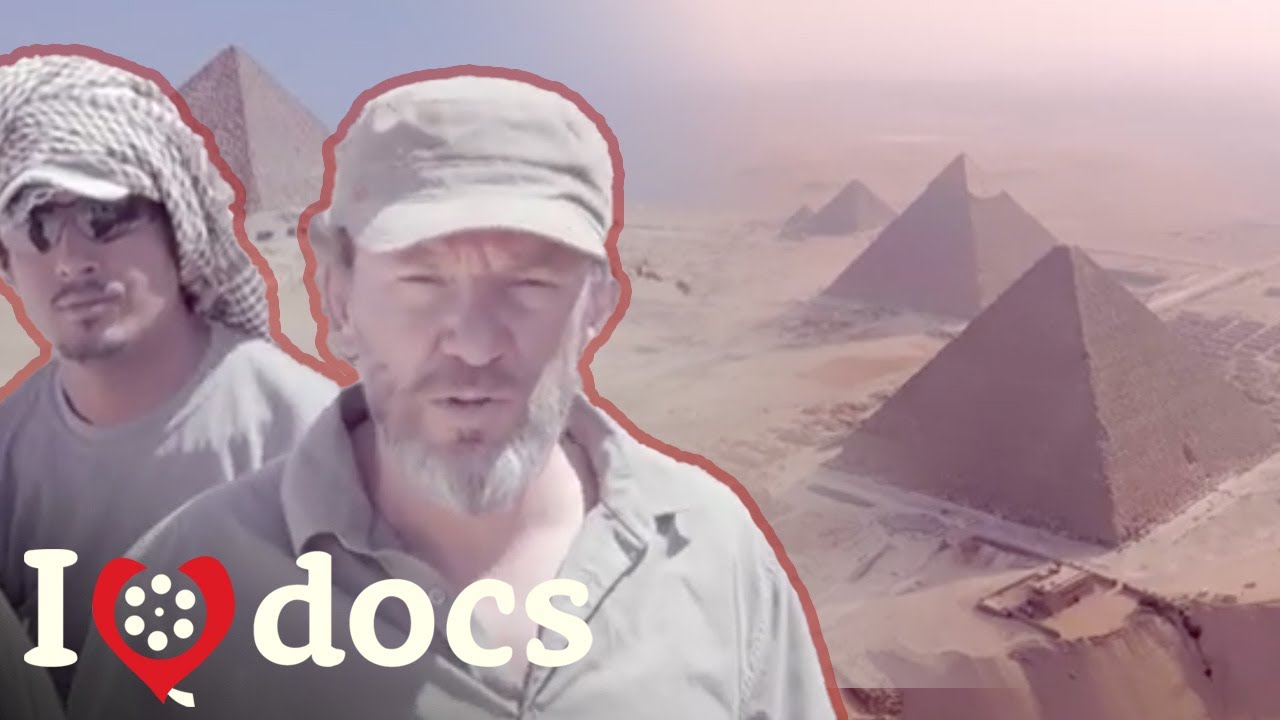
Recent archaeological findings in the Egyptian desert and along the Red Sea coast provide new insights into the construction techniques used during Khufu's reign.
Berlin served as the focal point of the Cold War, where CIA and KGB agents engaged in a covert intelligence battle that shaped global diplomacy.
In 1947, a train sank in Slocan Lake, British Columbia, prompting a team of divers and a 99-year-old brakeman to recover the historic locomotive.
The Tuareg of northern Niger, Callahuayas of the Andean mountains, Sadhus of India, Huaorani tribes of Ecuador and Peru, and Golokpa of Qinghai, China, exemplify diverse nomadic cultures.
In Zagreb, modernist architecture reflects the ambitious design and urban planning of Yugoslavia's socialist era, showcasing both innovation and decline.
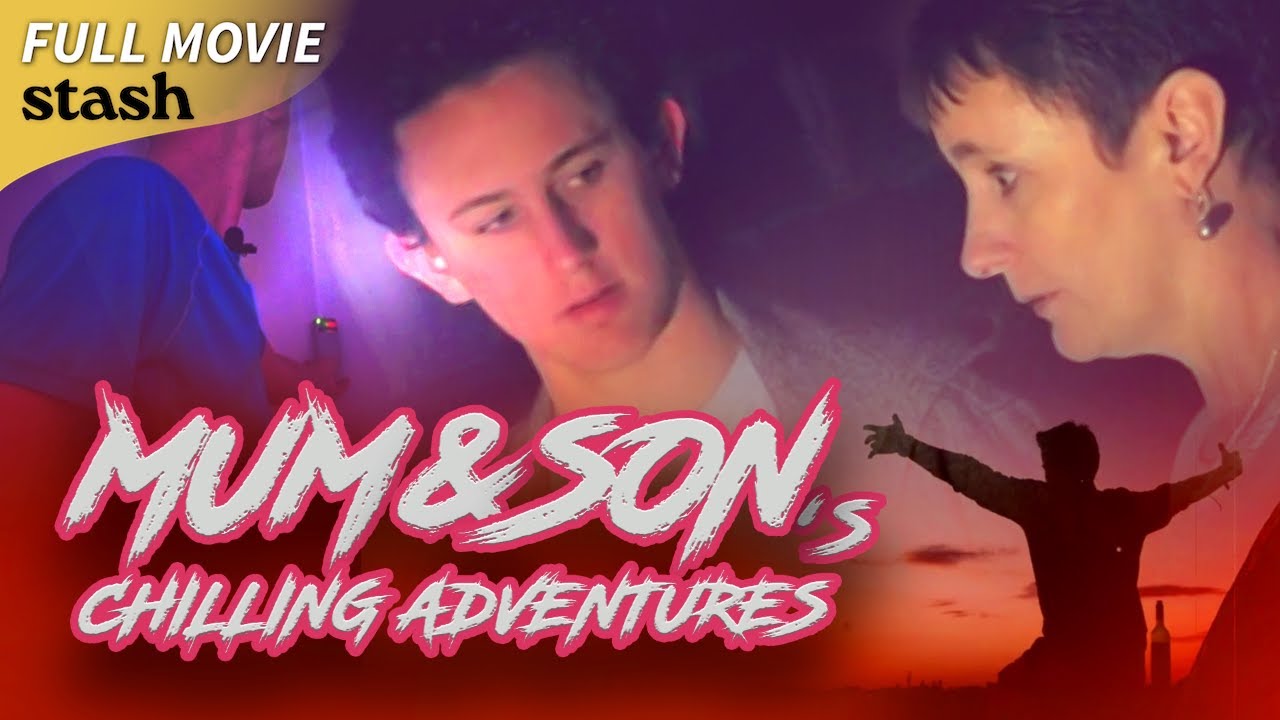
Mother and son ghost investigators Janet and Ryan Krawczyk explore haunted locations, including Al Capone's Florida resort and America's oldest lighthouse, with guests Neil Gaiman and Harry Anderson.
Tulsa, Oklahoma became the epicenter of the 1980s direct-to-video horror boom, shaping the landscape of home video history through United Entertainment's legacy.
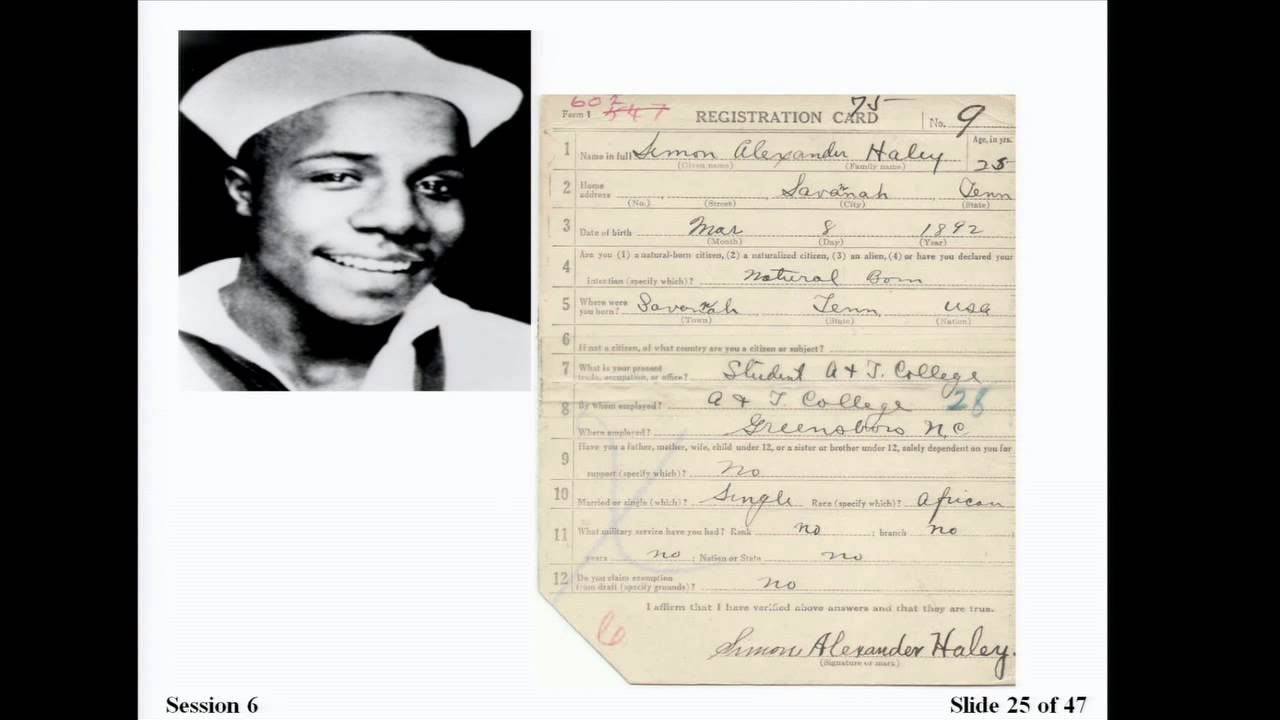
World War I draft registration cards provide valuable genealogical information, as explained by archives technician Zina Rhone from the National Archives in Atlanta, Georgia.
Felix Opatowski, a Holocaust survivor, participated in a covert uprising at Auschwitz aimed at destroying the crematoriums during World War II.
During the Cold War, underground artists in Estonia and Moscow created impactful works under oppression, while the CIA facilitated the smuggling of their art as a form of resistance.
Aristides de Sousa Mendes, the Portuguese Consul General in Bordeaux, issued visas in June 1940, saving thousands from Nazi persecution.
Alberto “Chino” Carias, a former vigilante leader in Caracas, navigates his complex roles as a government official and enforcer amid Venezuela's economic collapse.
Mary Lou Finley shares her experiences with Dr. Martin Luther King Jr. and the Chicago Freedom Movement, highlighting ongoing struggles for justice and housing segregation.
Cole Sprague and Katie Schmitz traverse the Great Western Trail, a 4,500-mile route from Arizona to Canada, highlighting its historical and natural significance.
Debates surrounding the historical existence of Jesus Christ and his identity as either a man or the Son of God are examined in this documentary.
Roman Lapshin's grandfather, a Jewish artist, created numerous paintings that remain unaccounted for, prompting a search across three continents.
Kung Fu films gained popularity in the U.S. during the 60s, transforming from niche showings in theaters to mainstream hits that captivated audiences.
Simone Weber, known as the "Diabolical Woman of Nancy," maintains her innocence in the 1991 murder and dismemberment of Bernard Hettler, despite her conviction.
Around 1890, Trappist monks in Oka, Quebec, began making cheese using a recipe that dates back to the 11th century.
Kamet's 25,447-foot summit became the highest point captured on film in the 1920s, showcasing authentic expedition cinematography despite commercial failure.
In Harpers Ferry, West Virginia, Nick Kessler visits a historic candy store, enjoys vegan cuisine, and hikes the Appalachian Trail with an AT legend.
In Yugoslavia, modernist architecture emerged as a reflection of socialist ideals, showcasing ambitious projects like the Workers' University in Zagreb and the D-0 ARK bunker.
Sonny Bono's life, marked by his success as part of the duo Sonny & Cher and his political career, culminated in a contentious battle over his fortune after his death in 1998.
New technologies, including virtual reality and advanced scanning, are transforming the preservation of cultural heritage and enhancing archaeological research.
Lewis Howard Latimer, the son of escaped slaves, and abolitionist John Brown highlight the struggle against segregation and the fight for civil rights in America.
Four legendary female chess players from Georgia-Nona Gaprindashvili, Nana Alexandria, Maia Chiburdanidze, and Nana Ioseliani-transformed women's chess during the Cold War.
Tyler Edmonds, at thirteen, confessed to assisting his half-sister Kristi Fulgham in the murder of her husband, Joey Fulgham, in 2016.
Wil Davies explores the central Visayas Islands in the Philippines, engaging with local folklore, religious customs, and the mythical Aswang.
Four progressive congresswomen, known as "The Squad," transformed American politics with their bold stances on key issues and faced significant backlash.
Museums of Natural History and Zoological gardens are examined through the insights of historians, authors, and architects, highlighting their role in environmental awareness.
Charles III's controversial views on architecture, medicine, and religion are examined alongside his complex relationships and public image following his marriage to Camilla.
El Ouafi Bouguera became the first Olympic champion from Africa by winning the marathon at the 1928 Amsterdam Games with a time of 2h32.
Alexander Hamilton's rise from humble beginnings in the West Indies to a key role as a founding father of the United States is examined through his impactful life and legacy.