From over 100,000 films, discover the handful you'll love.
Free or premium access to the world's largest documentary library.
22463 films(Page 61 of 468)
Ancient Egypt was ruled by women at least 18 times, and Professor Joann Fletcher examines the lives and legacies of four powerful female rulers through artefacts and architecture.
In ancient Egypt, Doctor Joann Fletcher investigates a decapitated mummy to explore the cultural beliefs and rituals surrounding death and the afterlife.
Some 40,000 Romans faced 10,000 Parthians at the Battle of Carrhae in 53 BCE, where cavalry tactics changed the course of warfare.
Patton leads his troops to break through the Siegfried Line into Germany during a full retreat.
TWA Flight 800's tragic crash in 1996 is examined through a detailed reconstruction of the events and the extensive investigation that ensued.
Five million people died in Victorian workhouses, institutions that housed over 16 million individuals caught in poverty and desperation.
Scottish captain Colin Mackenzie collected 1,500 historical manuscripts and over 6,000 coins during his nearly 40 years in India.
An archaeological site in the UK, believed to be an early monastic community, is revealed to be much older and can only be accessed by zip line.
Nearly 3 million visitors each year flock to Mont-Saint-Michel, a UNESCO World Heritage site known for its striking silhouette and powerful tides.
On June 6, 1944, a small force of British light infantry executed Operation Deadstick, capturing Pegasus Bridge to secure the D-Day invasion in Normandy.
Navotas Cemetery in Manila houses around 6,000 residents living in slum conditions among graves and excavated human bones, highlighting severe urban poverty.
The Devil's Brigade paratroopers undergo rigorous hand-to-hand training while learning about their storied history and legendary status in military lore.
Vlad Tepes, known as Vlad the Impaler, ruled Wallachia in 1448 and is linked to a curse that has haunted Romania for over 600 years.
In 1945, Allied intelligence investigated Der Riese, a secret Nazi base in Silesia, where high command aimed to develop a revolutionary weapon.
William the Conqueror's Domesday Book, a comprehensive survey from 1086, meticulously recorded land ownership across England, revealing the kingdom's socio-economic landscape.
On November 13, 1974, Ronald DeFeo Jr. murdered six family members in their Amityville home, sparking a legacy of horror and speculation about hauntings.
Cullercoats and North Shields, two North East England communities, navigate the challenges of life by the sea amid significant national events in 1979.
A team of archaeologists in Saqqara has discovered the first gilded silver mummy mask in Egypt for nearly a century, revealing insights into ancient burial customs.
The combat shotgun, from the historic Winchester Model 1897 to the modern Benelli M4, has significantly transformed close-quarters combat tactics and weaponry.
William and Catherine's first official foreign tour in July 2011 included a nine-day visit to Canada, where they launched the Calgary Stampede.
In 1909, Joshua Slocum disappeared while sailing his sloop Spray, and a court later declared him legally dead after he was never seen again.
Oda Nobunaga faces betrayal by Akechi Mitsuhide during the pivotal Honno-ji Incident, while Hideyoshi lays siege to Bitchu-Takamatsu castle.
Leni Riefenstahl died on September 8, 2003, in Pöcking, Germany, leaving behind a legacy marked by her controversial role in Nazi propaganda.
A team of archaeologists is excavating Pompeii, where a third of the streets remain unearthed after nearly 300 years of excavation.
Athelney Abbey, a strategic hideaway of King Alfred the Great, is explored for further archaeological evidence of his resistance against Viking invasions.
In Bridgnorth, Shropshire, archaeologists investigate back gardens to locate the remains of a medieval castle, with only a leaning tower remaining.
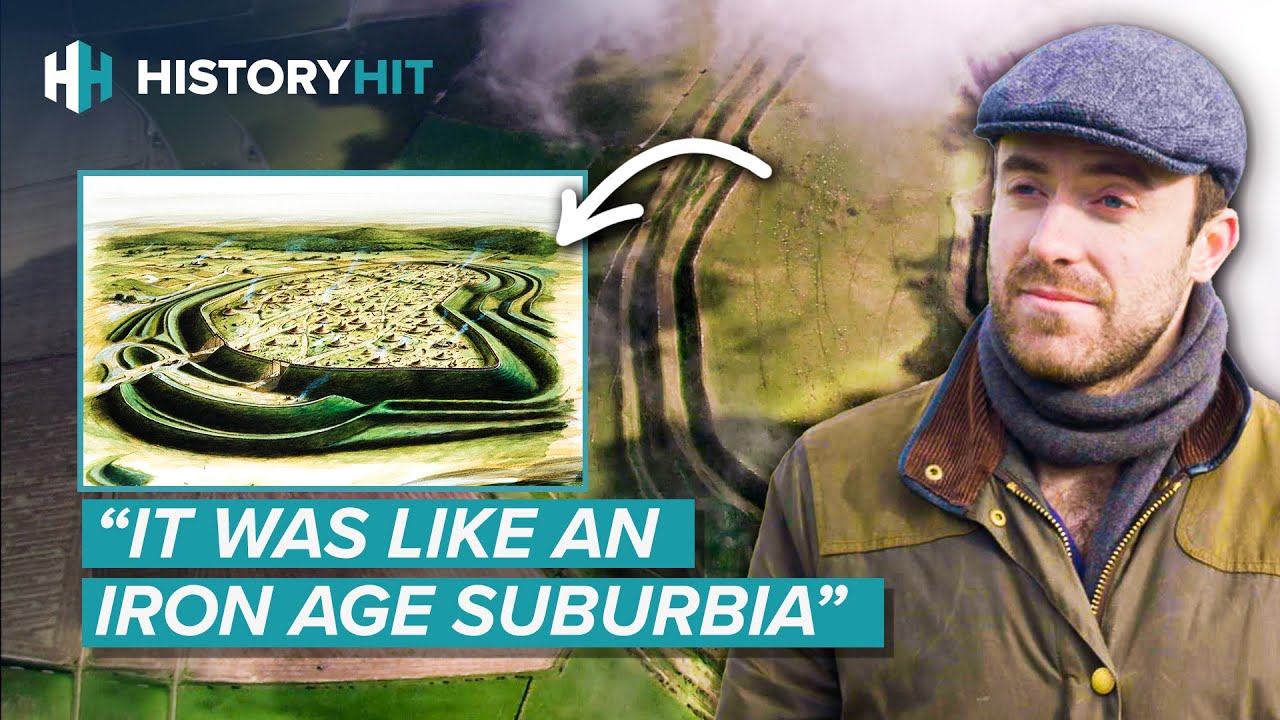
Maiden Castle, an ancient hillfort in Dorset, reveals insights into its strategic significance and the daily lives of its inhabitants through expert analysis and archaeological findings.
7,000 ships and a quarter of a million men participated in the Allied invasion of Nazi-occupied Europe on June 6, 1944.
In July 1941, Police Battalion 322 burned down 34 villages and deported over 7,000 people from the Bava Forest in Eastern Poland.
The 21st Dynasty marks the beginning of the Third Intermediate Period in Egypt, characterized by political fragmentation, cultural shifts, and foreign influence.
British Redcoat soldiers faced significant challenges during the American Revolutionary War, culminating in their defeat at Yorktown and reshaping global history.
Ashur, a small city-state on the Tigris River, evolved into a commercial empire through innovative trade practices and a unique political system during the Old Assyrian Kingdom.
The Colosseum in Rome, an architectural marvel, hosted brutal spectacles and innovative sea battles, showcasing advanced engineering techniques of ancient Rome.
Mont-Saint-Michel, a rock 80 meters high, has stood for 1,300 years and attracts 2.5 million visitors each year to its unique architectural structures.
The Nile flows 6,853 kilometers from its source to the Mediterranean Sea, shaping the lives and traditions of the communities along its banks.
Rural jobs, from shepherding to steeplejacking, reveal the challenging and often overlooked roles that sustain village life and shape the countryside.
Dashi, a fundamental broth in Japanese cuisine, combines konbu kelp, bonito, and shiitake mushrooms, reflecting Japan's natural world and cultural philosophy.
In Patagonia, Carlos Barria, Philippe Reuter, and Jorge Arratia share their lives and experiences in one of the most remote regions of Southern Chile.
General Tomoyuki Yamashita's legendary treasure, valued at over $100 billion, is explored through the efforts of treasure hunter Roger Roxas and the Golden Lily operations.
Over 2,000 years ago, the shivalinga first appeared, with some theorists suggesting it symbolizes atomic energy rather than a phallic representation.
Lepoglava prison, Croatia's oldest facility, spans over 47,000 square meters and houses some of the country's most dangerous criminals.
A series of misjudgments and human errors, rather than solely an iceberg, contributed to the sinking of the Titanic in 1912, resulting in over 1,500 deaths.
On November 11, 1940, 21 Fairey Swordfish aircraft launched from HMS Illustrious to execute Operation Judgement against the Italian Fleet in Taranto.
More than 250,000 German troops surrendered to Allied forces in Tunisia on May 13, 1943, marking a significant turning point in World War II.
Joaquin "El Chapo" Guzmán escaped from a maximum-security prison in Mexico through a tunnel equipped with light bulbs and a motorcycle on rails.
Jack the Ripper's infamous murders of five women in Whitechapel are re-examined, highlighting the historical context and societal impact of these crimes.
Sony's Walkman revolutionized personal music consumption in the 1980s, influencing societal norms around individualism and public headphone use.
Caerau Hillfort near Cardiff is investigated for its potential significance as the long-lost Iron Age capital of South Wales, revealing multiple roundhouse structures.