From over 100,000 films, discover the handful you'll love.
Free or premium access to the world's largest documentary library.
22463 films(Page 231 of 468)
Extreme speed and power in sports cars, military technology, and thrill rides reveal the scientific principles behind some of history's most catastrophic collisions.
110 people were brought to the United States aboard the Clotilda in 1860, marking the last illegal transport of enslaved Africans.
Christopher Dale Flannery, known as Rent-a-Kill, was an Australian hit man who allegedly murdered 15 people on contract before disappearing amid threats to his life.
The reconstruction of the Bridge of Mostar, destroyed during the Croat-Bosniak War, involved global experts striving to replicate its original 16th-century design while ensuring modern safety standards.
The August 2006 Indonesian earthquake resulted in widespread devastation, leaving countless people affected and communities struggling to recover.
The Satanic Panic, a moral panic that began in the 1980s, involved over 12,000 unsubstantiated claims of ritual abuse and continues to influence society today.
The Golden Age of Piracy, featuring figures like Blackbeard, is explored alongside modern treasure hunting in the Caribbean's lawless waters.
The International Space Station orbits the Earth every 90 minutes, serving as a platform for scientific research and international collaboration.
Researchers found evidence of 10 women buried with hunting toolkits across 107 burial sites in the Americas, suggesting female participation in big game hunts.
Hluluwe-Umfolozi National Park in South Africa showcases the Zulu Nation's rich history, cultural practices, and their relationship with local wildlife.
Presidential historian Irwin F. Gellman discusses the partnership between Dwight D. Eisenhower and Richard Nixon during a program at the National Archives.
Over 100,000 castles still stand in Europe, with Bodiam Castle using forced perspective to create the illusion of greater size and strength.
Crown Prince Mohammad bin Salman's Vision 2030 aims to transform Saudi Arabia's economy and society, yet skepticism about the reforms' authenticity persists amid ongoing human rights concerns.
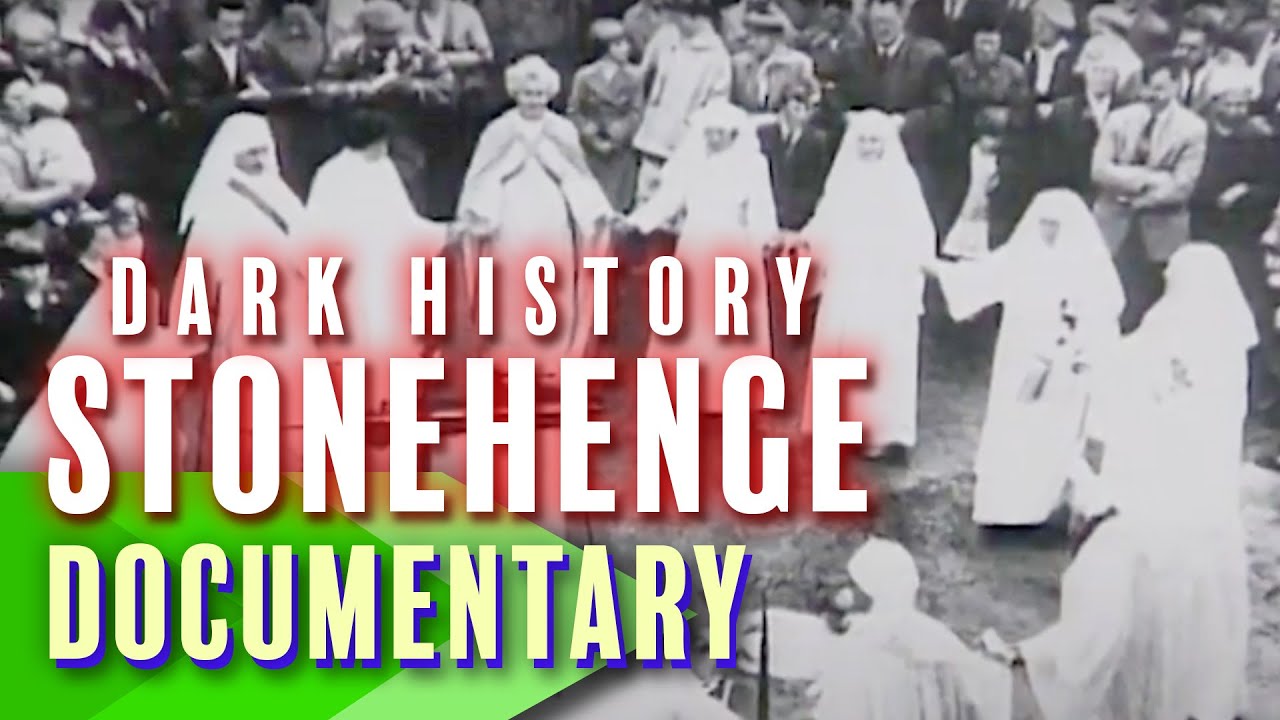
Stonehenge, a prehistoric monument in Wiltshire, England, is analyzed for its historical significance and the mysteries of its construction.
Carlos Cabal, accused of embezzling $700 million and facing trial for tax fraud, claims he is a victim of political persecution following a series of economic disasters.
Argentina's economic collapse in 2001 sparked widespread violence and unrest, with the IMF facing significant blame for the ensuing crisis.
Pharaoh Akhenaten's radical shift to monotheism nearly dismantled the religious fabric of Ancient Egypt, leading to significant consequences for his legacy.
The moon's monthly life cycle significantly influences life on Earth, as seen through events like supermoons and total solar eclipses in locations such as Wales and Hong Kong.
Hitler's Atlantic Wall, a massive fortification along Western Europe's coast, was breached by Allied forces during the D-Day invasion on June 6, 1944.
Jerusalem's architectural evolution over 3,000 years showcases monumental achievements by Roman engineers, Emperor Constantine, and Islamic builders, reflecting faith and innovation.
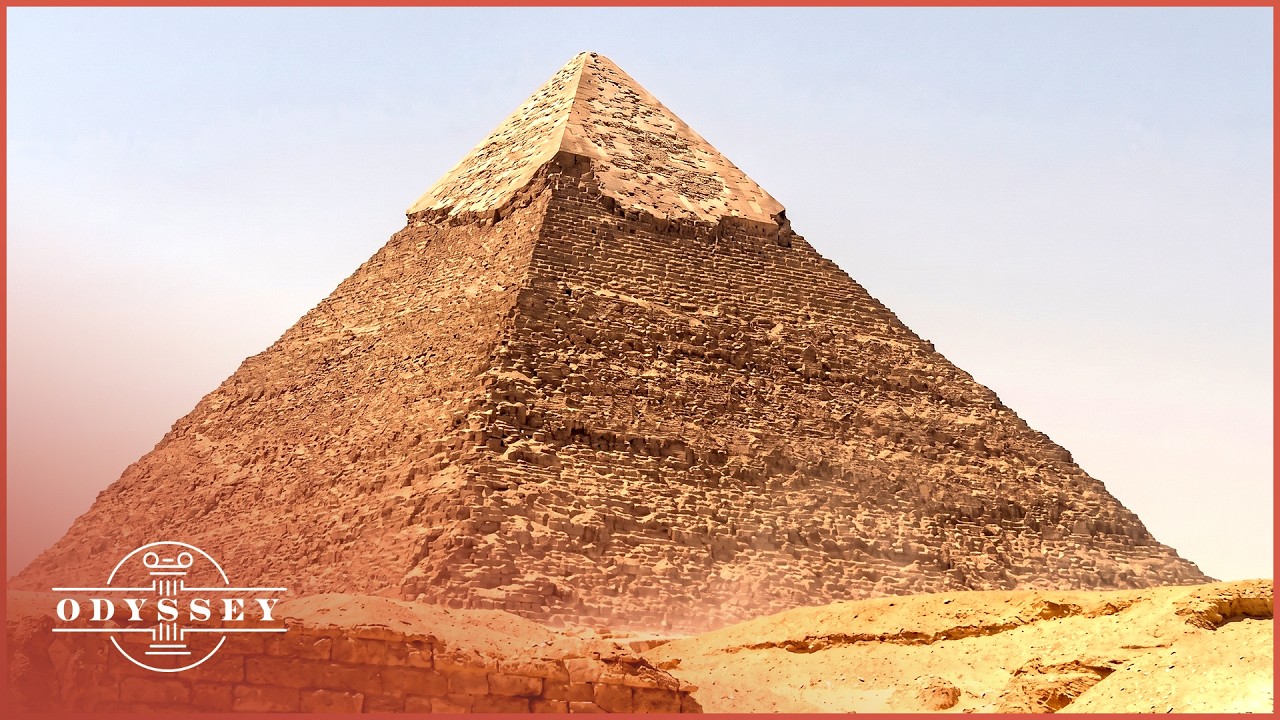
Khufu, the powerful pharaoh of Egypt’s Old Kingdom, orchestrated the construction of the Great Pyramid of Giza, a monumental achievement still studied today.
Rwandans are navigating the complex path of reconciliation after the 1994 genocide, balancing forgiveness with the challenges of an overwhelmed justice system.
Witold Pilecki, a Polish officer, voluntarily spent 947 days in Auschwitz to document the atrocities, while the "Auschwitz Sketchbook" reveals hidden truths.
China's rapid ascent as a global power raises critical questions about its future role on the world stage, impacting international relations and human rights.
China has invested over five billion euros in Arctic ventures since launching its Polar Silk Road initiative in January 2018.
Ancient biblical feasts are examined through archaeological findings and modern culinary practices as Simcha Jacobovici shops in Jerusalem for biblical ingredients.
Tent City Jail in Arizona houses inmates in harsh conditions, featuring army tents, extreme temperatures, and controversial practices under Sheriff Joe Arpaio's regime.
Leo Mol, a sculptor who fled the Soviet Union during Hitler's invasion, navigated a life marked by artistic success and personal loss.
Eva Schloss, Anne Frank's stepsister and Auschwitz survivor, reflects on their shared experiences of displacement and loss during the Holocaust.
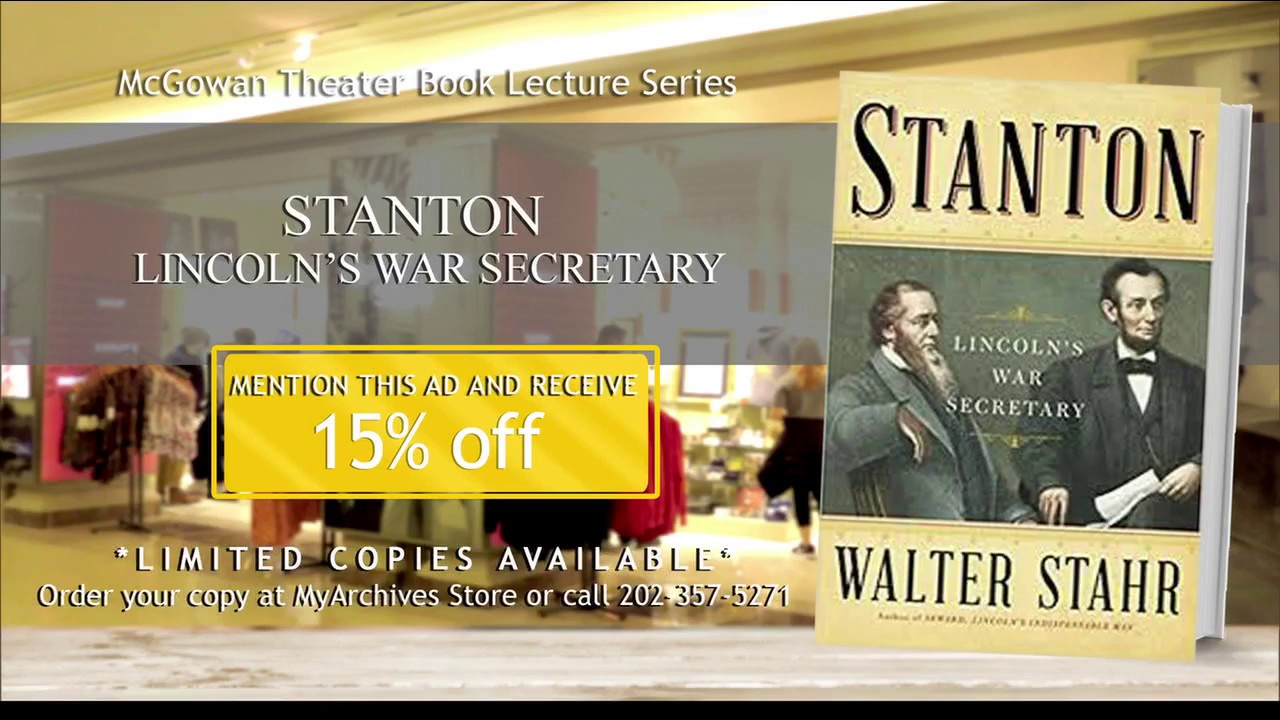
Edwin Stanton, Abraham Lincoln's Secretary of War, played a crucial role in the Union's efforts during the American Civil War, as detailed by author Walter Stahr.
Mars, once resembling Earth with potentially habitable conditions, is a focal point for researchers seeking to understand planetary development.
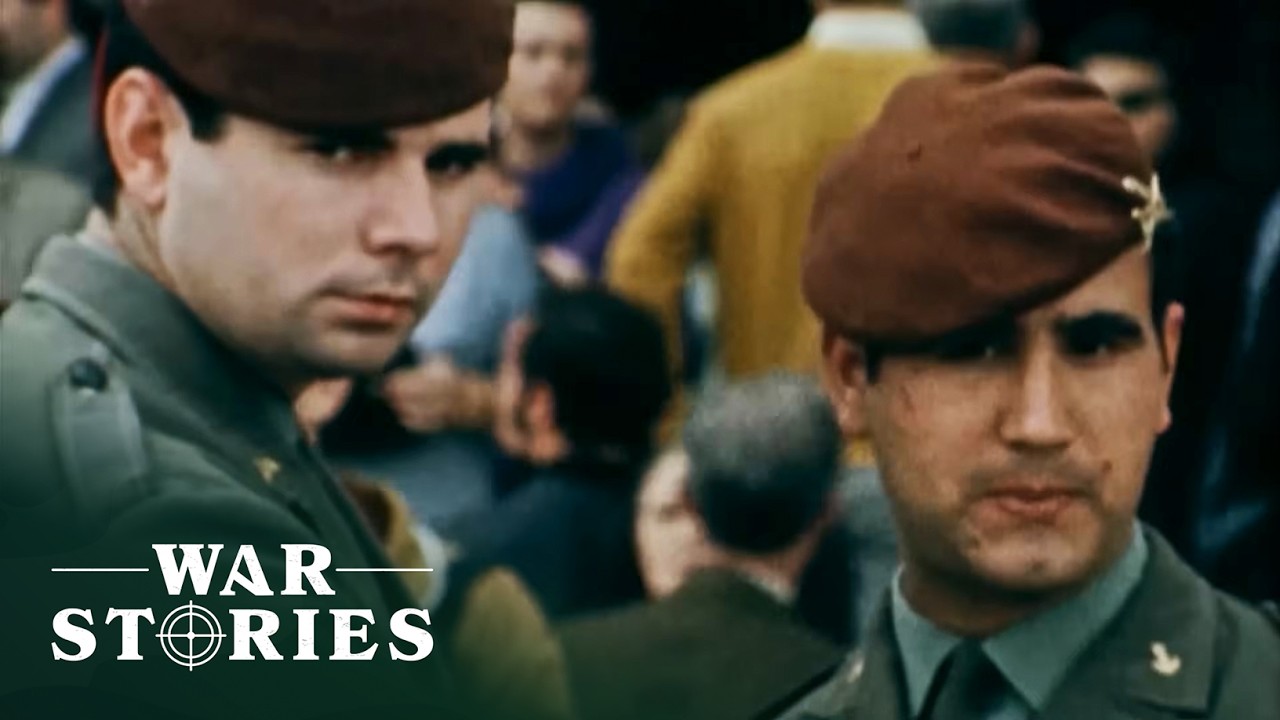
On April 25, 1974, Portugal experienced a nearly bloodless military coup that ended 48 years of authoritarian rule under António de Oliveira Salazar's Estado Novo regime.
Hieroglyphs carved into the tombs of the Valley of the Kings may hold the key to understanding the ancient Egyptians' burial practices and beliefs.
The Lockheed L-133, a jet-powered interceptor designed in 1939, represents a pioneering yet forgotten chapter in aviation history before World War II.
Five seconds remained in the 2009 Grey Cup when the Saskatchewan Roughriders were penalized for having too many players on the field, allowing the Montreal Alouettes to win.
Combat operations of the U.S. Army First Air Cavalry and the contributions of Vietnamese Rangers are highlighted alongside training by the Vietnamese Women's Army Corps.
Hwaseong's serial killer case highlights a tragic police failure that led to the wrongful imprisonment of an innocent man for 20 years, until DNA evidence revealed the true culprit.
Hawaii's diverse landscapes, from Kauai's rugged cliffs to Mauna Kea's celestial heights, showcase the profound connection between nature and its inhabitants.
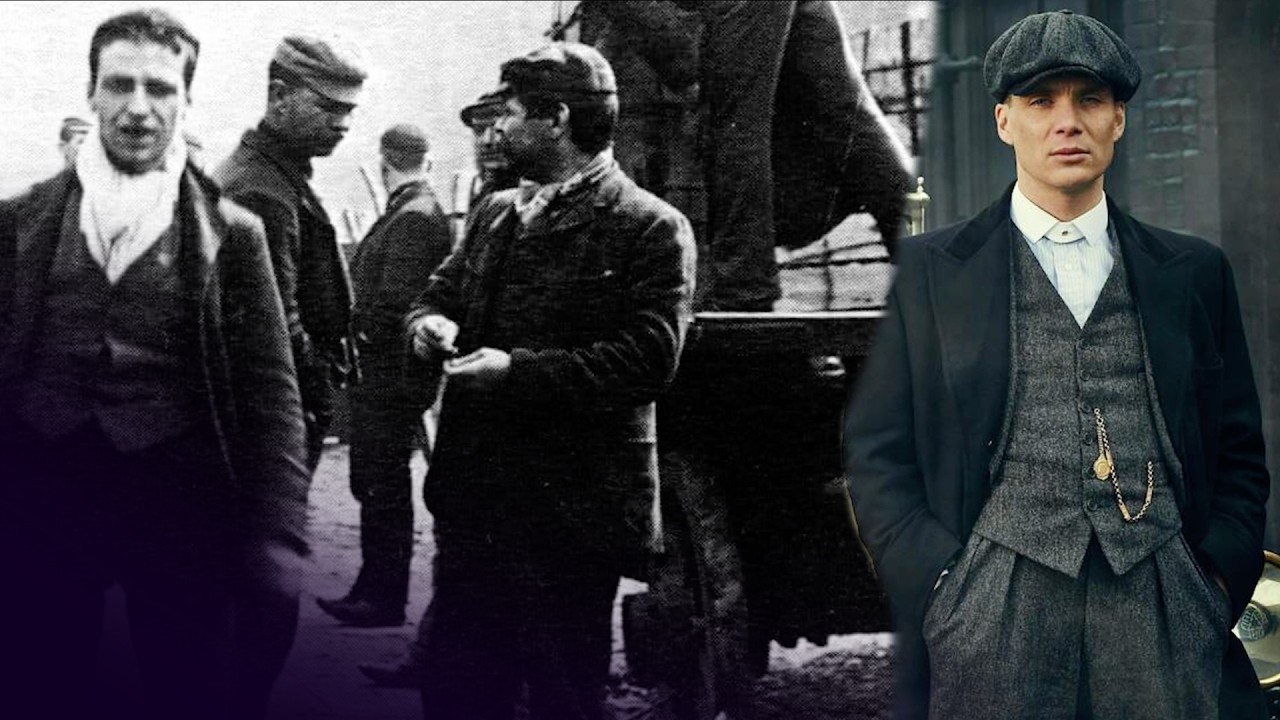
Historians Luke Tomes and Carl Chinn MBE examine the real history of the Peaky Blinders gang in Birmingham, revealing connections to iconic characters and personal ties.
Abraham Lincoln's debates against Stephen A. Douglas highlighted the moral conflict of slavery and the principle that all men are created equal in the United States.
The 1787 debates at the U.S. Constitutional Convention included compromises that protected slavery, as analyzed by scholars like Paul Finkelman and Gloria Browne-Marshall.
In 1612, nine-year-old Jennet Device from Pendle, Lancashire, testifies against her family in a witch trial that results in multiple executions and community turmoil.
Rare, digitized archival footage from World War II captures frontline combat and civilian life, providing a comprehensive view of the global conflict.
Sandra Day O'Connor reflects on her pioneering legal career, from her early education in El Paso to becoming the first female Supreme Court Justice in 1981.
The Black Church served as a sanctuary for dignity and community, providing support and strength to Black Canadians throughout their history.
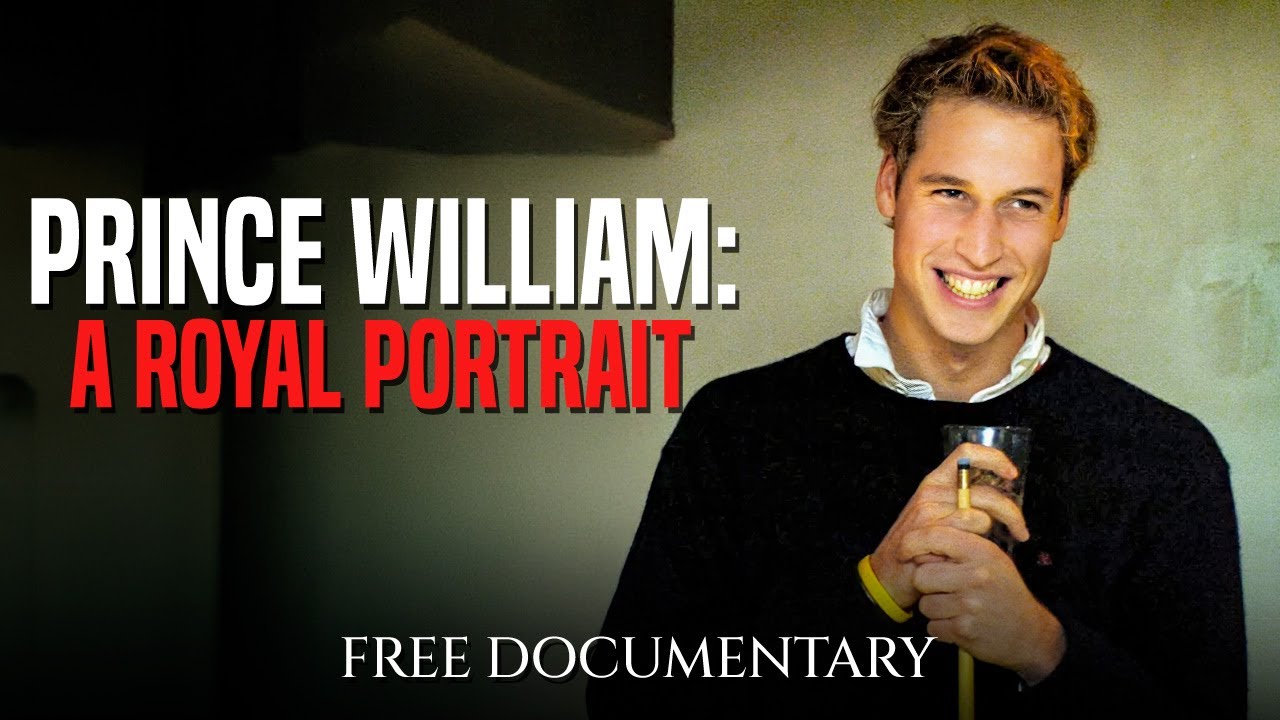
Prince William's formative years at Eton and the complexities of growing up as the future King of England are examined through expert insights and public fascination.
120 films from the 1950s and 1960s provide a visual tribute to Montreal's landmarks, figures, and residents during a significant period in Canadian history.
New York City at the turn of the 19th and 20th centuries is captured through historic footage showcasing iconic landmarks like the Statue of Liberty and Broadway.