From over 100,000 films, discover the handful you'll love.
Free or premium access to the world's largest documentary library.
22469 films(Page 239 of 469)
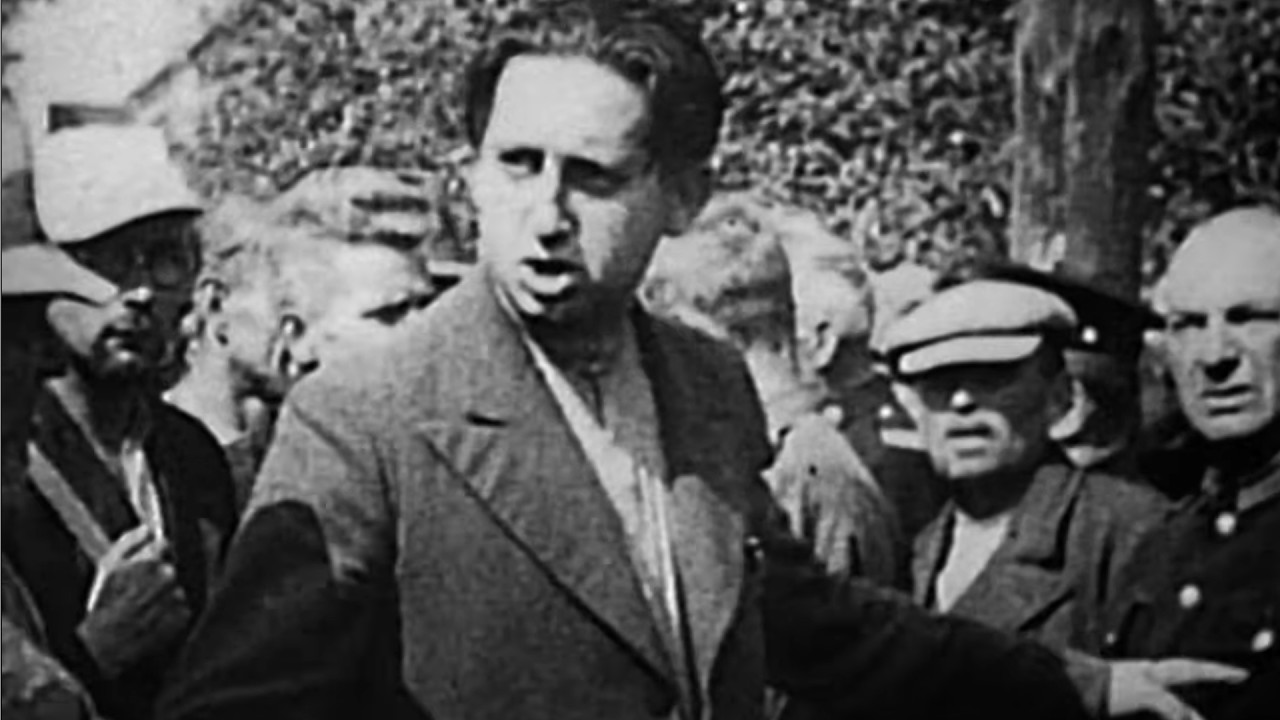
Between 1931 and 1933, Adolf Hitler exploited Germany's legal system by purging political opponents and establishing specialized courts to dismantle individual rights.
Britain's oldest towns, including sites from Roman settlements to the Industrial Revolution, are explored through their rich histories and cultural significance.
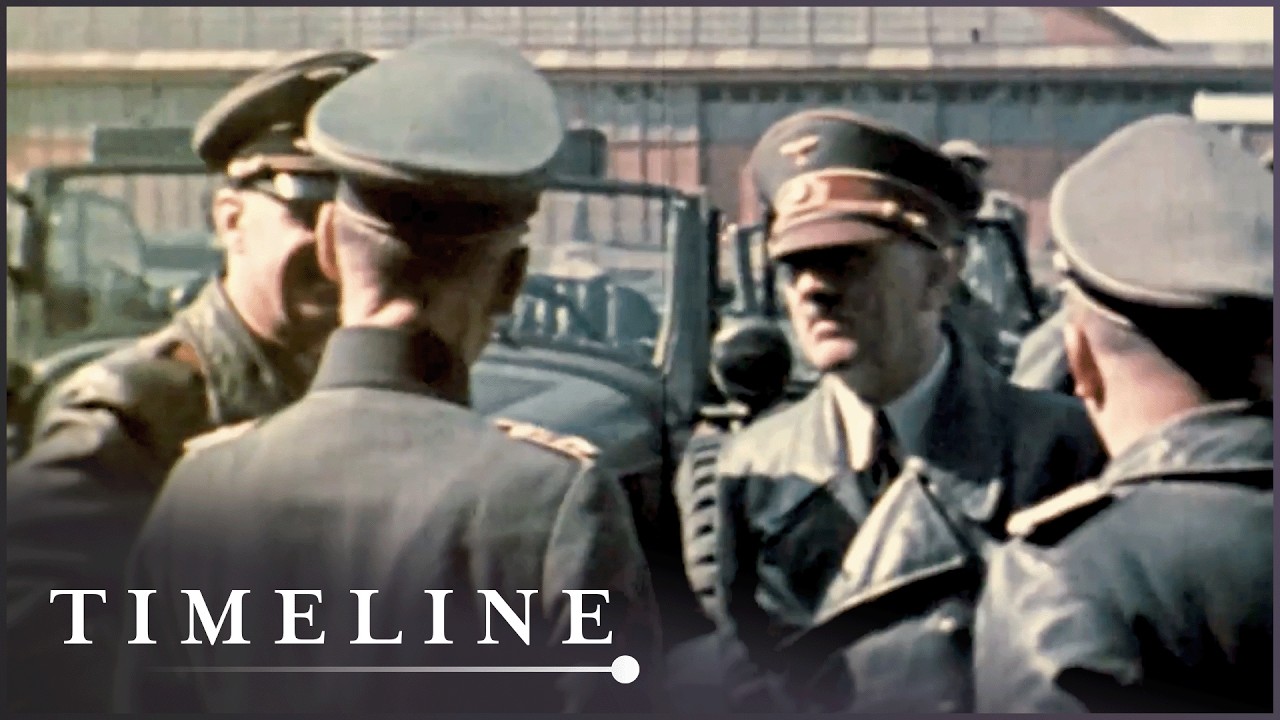
Adolf Hitler's final year in power is examined through rare archival footage, highlighting the impact of D-Day, the Soviet offensive, and the fall of Berlin.
Hijaz Railway, opened in 1908, connects historic cities in Turkey, showcasing a rich tapestry of architecture, culture, and the balance between progress and preservation.
The Battle of the Bulge marked a pivotal moment in World War II, showcasing Hitler's last major offensive and the strategic complexities behind it.
Antonov AN-225 Mriya, the world's largest cargo plane and a symbol of Ukrainian engineering, was destroyed during a Russian attack on Hostomel Airport in February 2022.
Palaeontology and archaeology reveal crucial insights into human identity and future possibilities by mapping past changes in flora and fauna.
Noel Rae presents firsthand accounts from former slaves, slave owners, and African slavers to illustrate the realities of American slavery.
The end-of-year Matric dance at Vryburg High highlights ongoing racial divides in a community that has faced a tumultuous history since its inception.
Regina Jonas, the first ordained female rabbi, faced persecution in Nazi Germany, ultimately being murdered in Auschwitz in 1944, with her legacy preserved through her sermons and love letters.
NASA successfully concludes the Apollo Program with the December 1972 Apollo 17 mission.
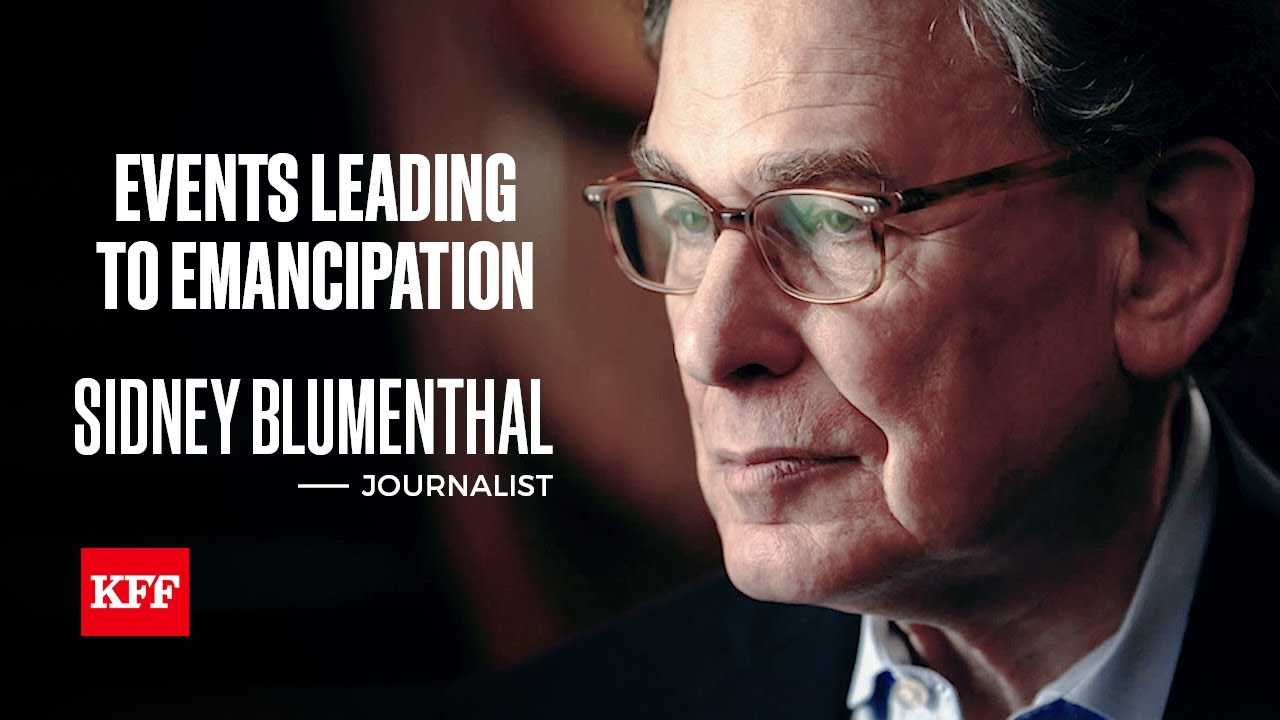
Sidney Blumenthal analyzes the political upheaval of the 1850s, Abraham Lincoln's 1860 election, and its role as a catalyst for secession and the Civil War.
Dragos, a Moldovan filmmaker, reveals a covert Soviet atomic experiment aimed at transforming local agriculture, linked to his grandmother's mysterious death.
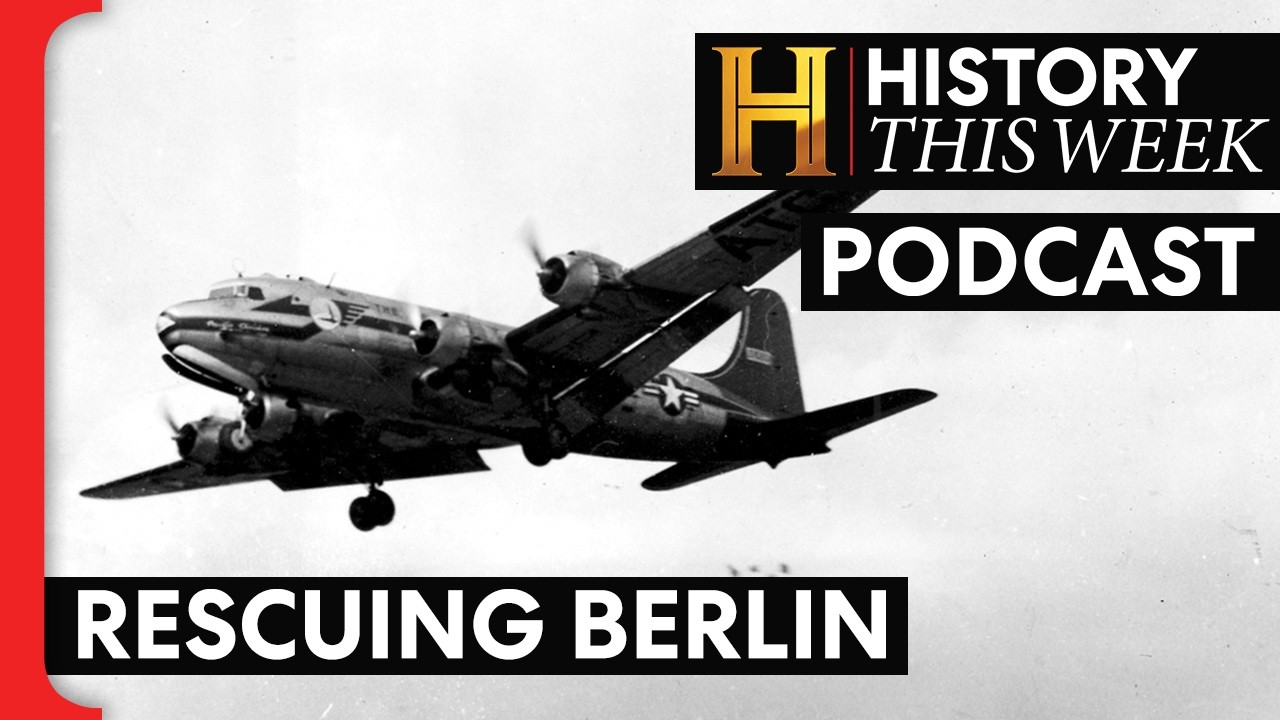
The Berlin Airlift, initiated by American and British leaders in response to Joseph Stalin's blockade, became the largest airlift in history and a pivotal moment in the Cold War.
Amotola F145, a new South African Corvette Class warship, is profiled from its construction in Hamburg to its operational role in drug patrols.
Aircraft Carrier Strike Group 8 faces intense military maneuvers and realistic battle scenarios, testing the resilience and cooperation of 7,000 soldiers.
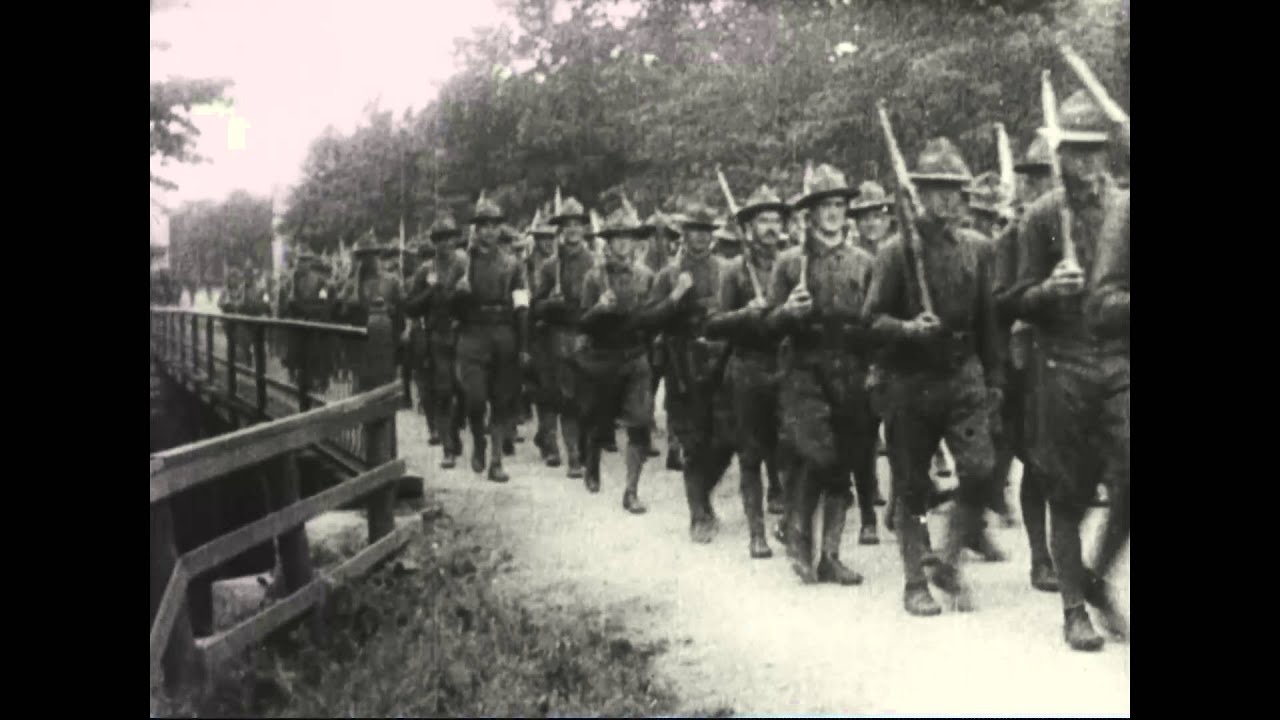
World War I is depicted through silent footage showcasing U.S. troops, including General John J. Pershing, in various military and logistical activities across Europe.
A 200-year fund established by Benjamin Franklin aimed to lend money to young tradesmen in Boston and Philadelphia to help them start their businesses.
Dwight Eisenhower delivered his farewell address on January 17, 1961, warning against the undue influence of the military industrial complex.
Secret societies have long influenced politics, culture, and social structures, often operating in secrecy and shaping historical events across the globe.
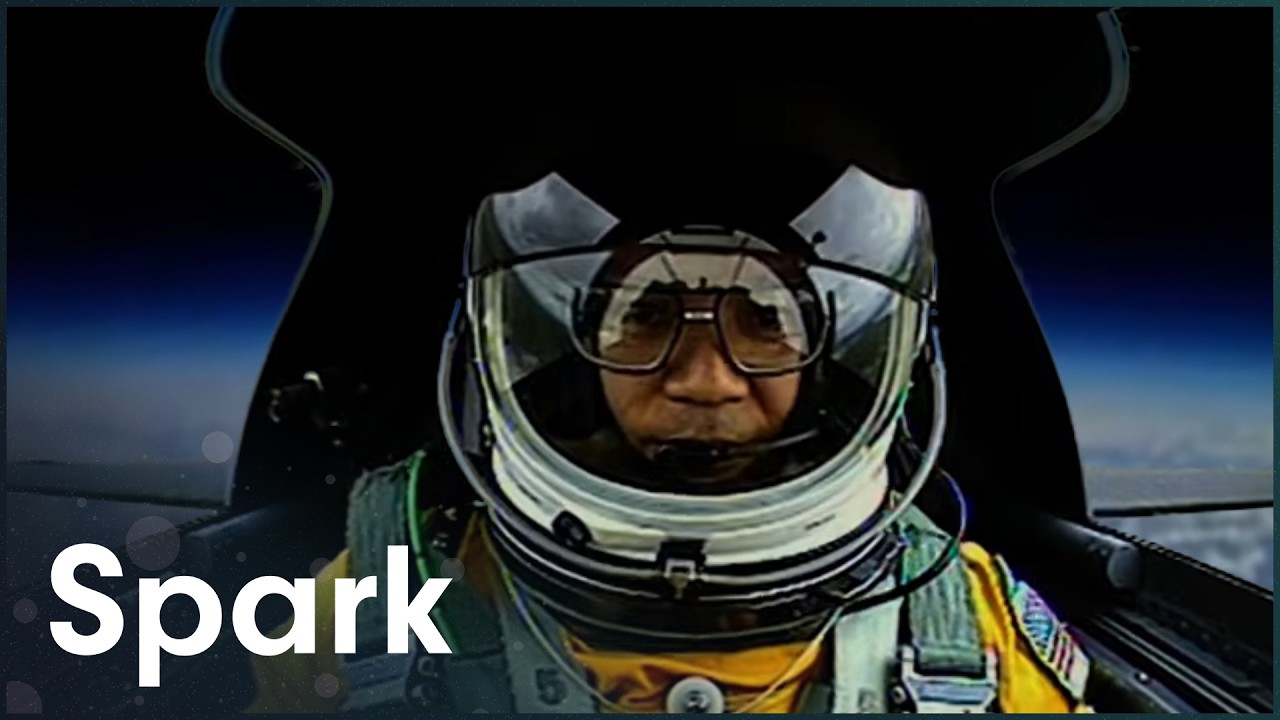
Lockheed U2 spy plane operations require rigorous training for civilians, including survival in extreme conditions and mastering emergency protocols before high-altitude flights.
In Nazi Berlin, Joseph Goebbels orchestrates a propaganda spectacle in 1942, depicting a distorted vision of the Soviet Union amid the chaos of World War II.
Families of the victims of the 2006 Valencia metro accident fought for nine years against government corruption and media complicity.
Total War during World War II transformed civilian life, compelling populations into violence and legal complicity, exemplified by the Holocaust and Nazi policies.
In 1943, the United States Army Air Forces (USAAF) underwent significant expansion, evolving into a formidable global military power during World War II.
Eldrick "Tiger" Woods, a prodigy shaped by his father, transformed golf into a multicultural phenomenon while grappling with personal tragedies and public scrutiny.
Chichén Itzá, a once-thriving Maya city in Mexico, showcases remarkable structures like El Caracol and El Castillo while exploring the reasons behind its sudden decline.
Professor Martin Jarvis spent 25 years investigating whether Anna Magdalena Bach, rather than her husband, composed some of the cello suites attributed to him.
In a future dominated by Cyborgs, human scientists create a DNA strain to reclaim control, while a bounty hunter named Nebula is sent to eliminate the key to their survival.
A flight to the moon takes only three days today, as space agencies prepare for a new era of lunar missions and the goal of establishing a permanent presence.
Salvatore Giuliano's story has been under state-secret status for more than 60 years, reflecting the hidden complexities of postwar Italian politics.
Hans Blix discusses the limitations of US intelligence on WMDs and the Iraqi pride that hindered full access for inspectors in June 2003.
Beneath a man-made mountain in Shaanxi, China, lies the unopened tomb of Qin Shi Huang, guarded by 8,000 life-sized Terracotta Warriors.
Valentino Deng, a Lost Boy of Sudan, uses the profits from his bestselling novel to build a secondary school in his war-torn homeland, inspiring hope for the future.
In Georgia, the Track Rock site reveals architectural similarities to Mayan ruins, supported by forensic geologist Scott Walter's LiDAR technology and X-ray diffraction analysis.
Princess Diana's rise from a shy nursery teacher to a global icon is examined alongside her struggles for belonging within the constraints of the British monarchy.
Pilots and mechanics restore and fly the last airworthy flying boats, sharing their passion.
John Jacob Astor became the wealthiest man in American history by 1848 after shifting from fur trading to real estate.
Stacy Keach investigates the historical significance and mysteries of ancient Maya tombs and temples across Central America.
John F. Kennedy's 1961 moon landing ambition sparked a transformative space program, despite the technological challenges of the era.
In New Zealand's prison system, tattoos serve as a form of identity, protection, and rebellion, as explored through interviews with former inmates and correctional staff.
Katherine Johnson's mathematical expertise was crucial in launching America into space, guiding missions such as Apollo 11 and Apollo 13 at NASA.
Harley-Davidson's history is explored, highlighting its World War II involvement, cultural significance, and current challenges in the motorcycle market.
In 1924, Nathan Leopold and Richard Loeb, wealthy University of Chicago students, committed the murder of 14-year-old Bobby Franks, igniting a national scandal.
Speed in warfare has evolved from ancient chariots to modern firearms, fundamentally altering battle tactics and outcomes over millennia.
Human evolution highlights the development of language, art, and governance from Africa to the Americas, illustrating key milestones in societal complexity.
Animated maps illustrate the strategic movements of German and Allied forces during the Battle of L'Aisne, highlighting key events from May 27 to June 16, 1918.
East Timor faces internal conflict as soldiers rebel against government decisions on promotions and the controversial handling of Indonesian war crimes trials.