From over 100,000 films, discover the handful you'll love.
Free or premium access to the world's largest documentary library.
22463 films(Page 252 of 468)
John Deeben, a genealogy archives specialist at the National Archives, examines Civil War death records created by the War Department, detailing soldiers' deaths in various contexts.
Herbert Norman leapt to his death in 1957, facing accusations of communism from the United States Senate and the FBI, despite being cleared by Canadian authorities.
The Crusades, a series of religious wars lasting nearly 200 years, reveal the complex interplay of faith, politics, and culture in medieval Europe and the Middle East.
The Allied Invasion of Europe and the subsequent victory over Nazi Germany during WWII are chronicled through archived footage from the 1945 US Office of War Information.
On September 11, 2001, from 8:49 AM, real-time footage and audio capture the unfolding events of the terrorist attacks on the United States.
In 1179, the fall of Jacob's Ford resulted in the deaths of 800 Crusader defenders and the enslavement of 700, marking a significant defeat for Saladin.
Herbert Hoover, often criticized for his response to the Great Depression, is portrayed through personal accounts and documents as a more nuanced leader.
In 1989, the robbery of The Citizens Bank of Northern California by Lonnie Chang and Ray Spurlock resulted in three deaths and a mysterious curse surrounding the stolen $700,000.
More than 9,000 Allied aircraft faced fewer than 2,500 German planes during World War I, marking a significant shift in aerial warfare.
Sacred elephant processions in Sri Lanka blend Buddhism, Hinduism, and Indigenous traditions, highlighting the complex relationship between faith, culture, and wildlife.
Journalist Jack Tame and chef Ray McVinnie explore their complex ancestry through DNA testing, revealing unexpected insights into their family histories.
Asbestos mining in Kuruman, South Africa, has led to widespread health issues and fatalities, prompting victims to seek compensation for their suffering.
The evolution of spacesuits highlights the intricate design challenges faced by scientists to ensure human safety and functionality in outer space missions.
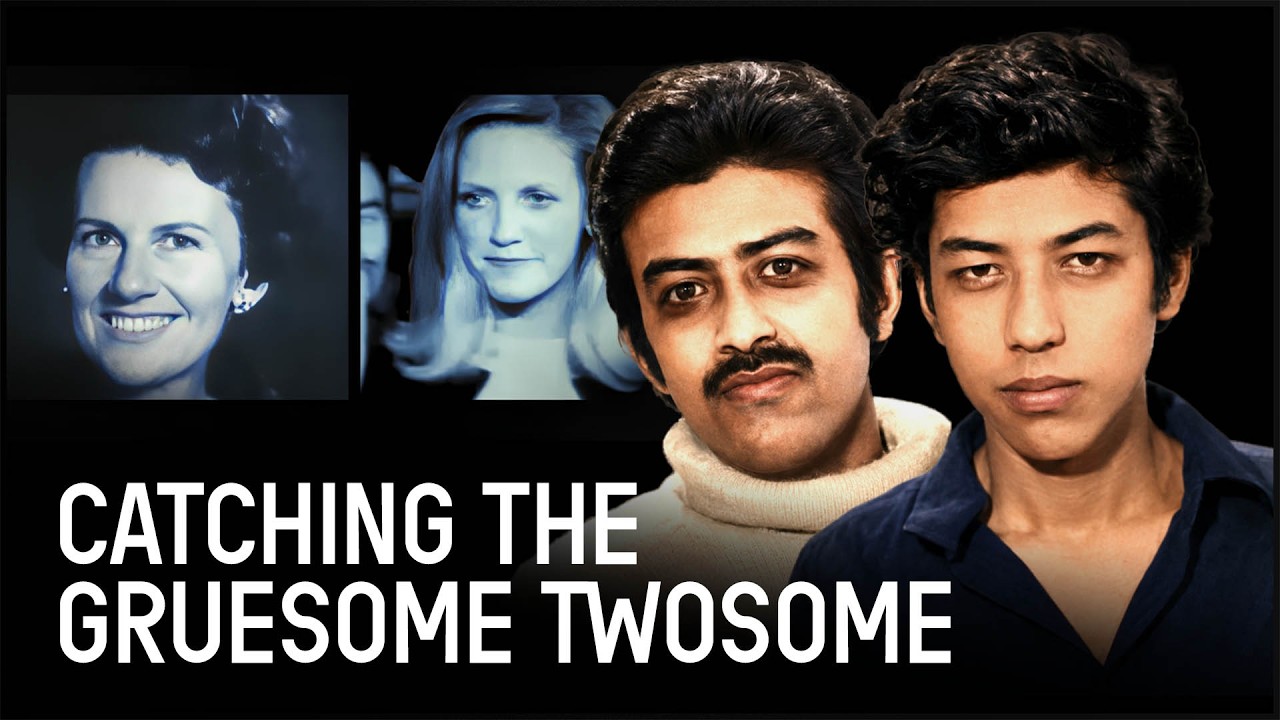
In 1969, Muriel McKay was kidnapped in Wimbledon, marking the UK's first major ransom case, with the perpetrators mistaking her for Rupert Murdoch's wife.
In spring 1993, the 51-day standoff between the FBI and the Branch Davidians, led by David Koresh in Waco, Texas, raised questions about negotiation and intervention.
John Lennon, co-founder of The Beatles, is portrayed through personal accounts that highlight his musical genius, political activism, and tragic death.
Richard Copans recounts the love story of his parents, Lucienne and Simon, through wartime letters and FBI files, set against the backdrop of World War II.
Nabta Playa, an ancient astronomical stone circle in Egypt, reveals the 7,000-year evolution of human faith and the intertwining of religion and power.
Steven Spielberg's career, spanning over 50 years, highlights his significant influence on Hollywood and his evolution from suburban Arizona to a cinematic icon.
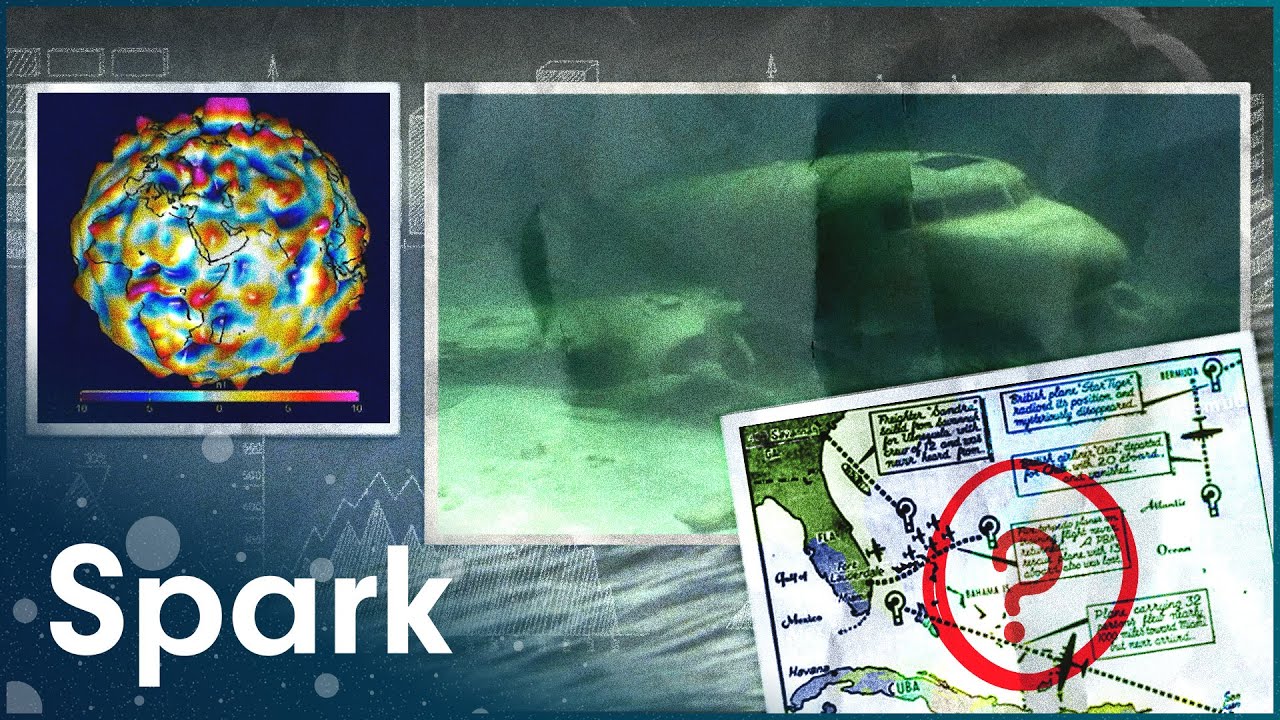
The Bermuda Triangle's mysteries are grounded in environmental forces rather than extraterrestrial phenomena, revealing a more scientific reality.
The evolution of the Vice Presidency from Walter Mondale to Joe Biden is examined, highlighting the role of political leadership in shaping this constitutional office.
In 1967, U.S. Air Force fighter pilot James Shively was shot down over North Vietnam and spent six years as a prisoner in Hanoi prison camps.
Iraqi air attacks on a remote Kurdish village in 1988 resulted in devastating consequences for the local population, particularly women and children.
Afrobeat, a genre originating in 1970s Nigeria, thrives today through Seun Kuti's performances and the innovative spirit of emerging African artists.
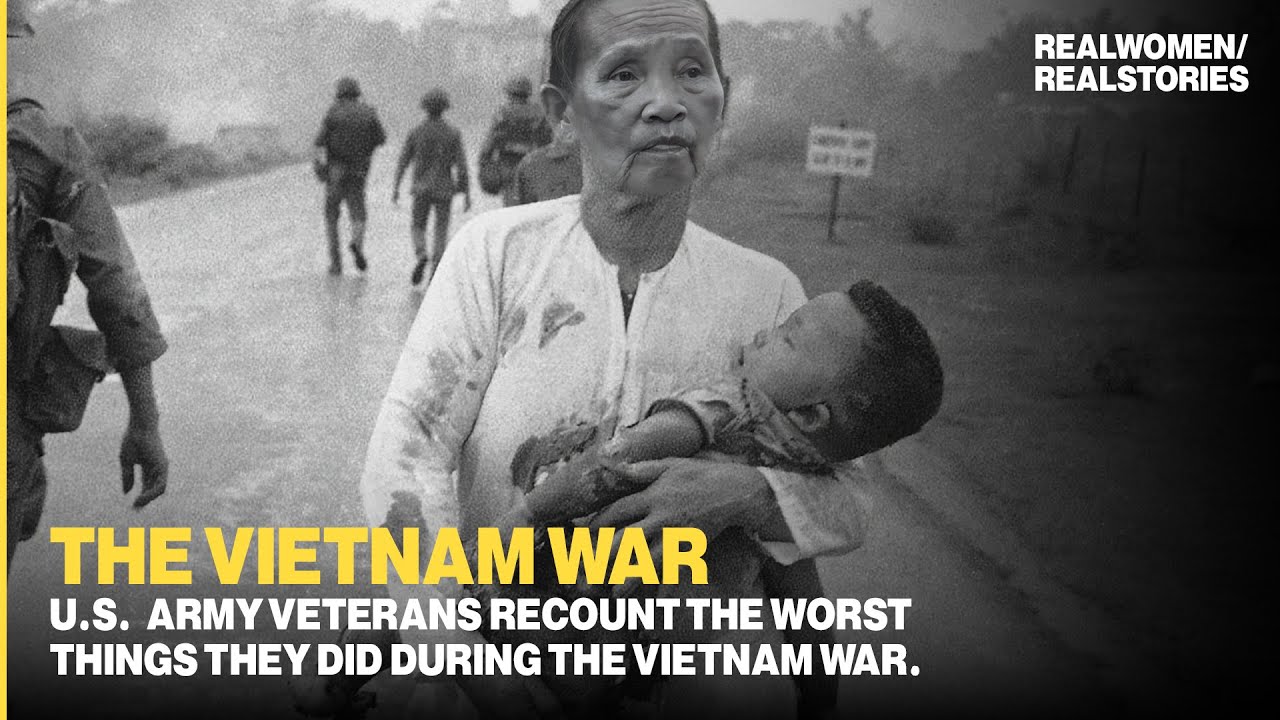
First-person accounts from American and Vietnamese veterans highlight the complex history and enduring impact of the Vietnam War on both sides of the conflict.
Eighty-two crew members of the USS Pueblo were captured by North Korean forces on January 23, 1968, and held for eleven months.
Journalist Jack Tame and chef Ray McVinnie explore their complex ancestries through DNA testing, revealing unexpected connections to their heritage.
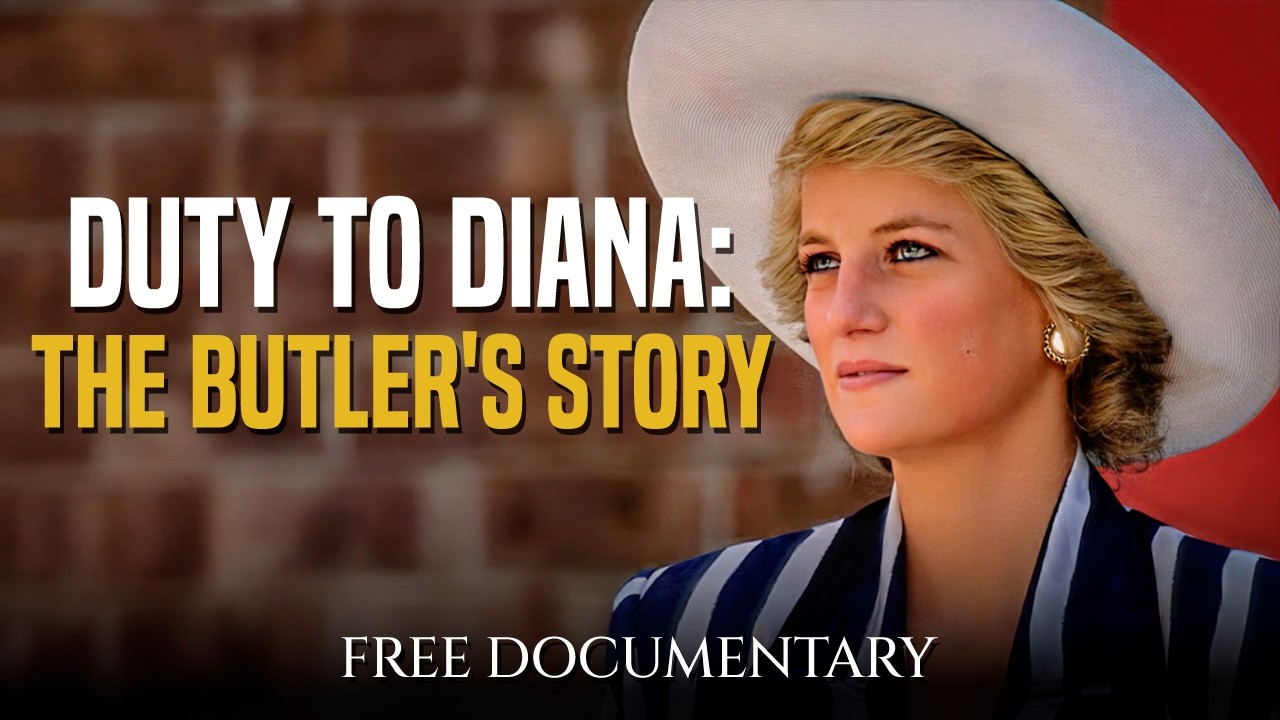
Paul Burrell, Princess Diana's butler and confidant, shares intimate insights into her life behind the walls of Kensington Palace and their enduring bond.
Tibetans express growing frustration with the Dalai Lama's peaceful resistance approach, believing it has not advanced their quest for freedom.
In Northern Iran's Masuleh village, unique architecture allows homes to be interconnected by rooftops, creating a vibrant community above the lush Alborz Mountains.
Half a million dollars is the estimated value of Neil Armstrong's cufflinks, which he wore during the Apollo 11 mission in 1969.
Over 40 million people have immigrated to the United States, seeking opportunities and contributing to the nation's growth and diversity.
Chefs, foodies, and restaurateurs across the United States share their experiences and innovations that have transformed American dining culture.
President Franklin D. Roosevelt's speech in Chicago on October 5, 1937, called for peace-loving nations to unite against aggressors threatening global stability.
English football grounds are explored through historical insights and personal anecdotes, capturing a pivotal moment before significant changes reshaped the sport.
Southern Afghanistan faces escalating violence as the Taliban, bolstered by local support and resentment towards US tactics, intensifies operations against coalition forces.
Professional baseball in Washington, D.C. has a rich history marked by iconic figures such as Mickey Vernon and significant events that shaped the sport.
Sir Francis Drake's circumnavigation of the globe involved plundering Spanish ships and establishing trade routes for Queen Elizabeth during the conflict with the Spanish Armada.
Letlapa Mphalele, a controversial figure in the fight against apartheid, confronts the family of one of his victims, leading to a transformative encounter.
It takes six months to create a single Wajima Nuri bowl, which is used in ceremonies and reflects centuries of craftsmanship in Japan.
The USS Indianapolis sank on July 30, 1945, resulting in the worst sea disaster in U.S. naval history, with survivors facing five days adrift in the Pacific.
In 1950s Montreal, psychiatrist Dr. Ewen Cameron's CIA-funded experiments on patients laid the groundwork for the use of torture by Western governments worldwide.
An 8.8 magnitude earthquake in February 2010 propelled the Cabo de Hornos research ship hundreds of meters inland, leaving it stranded on a beach.
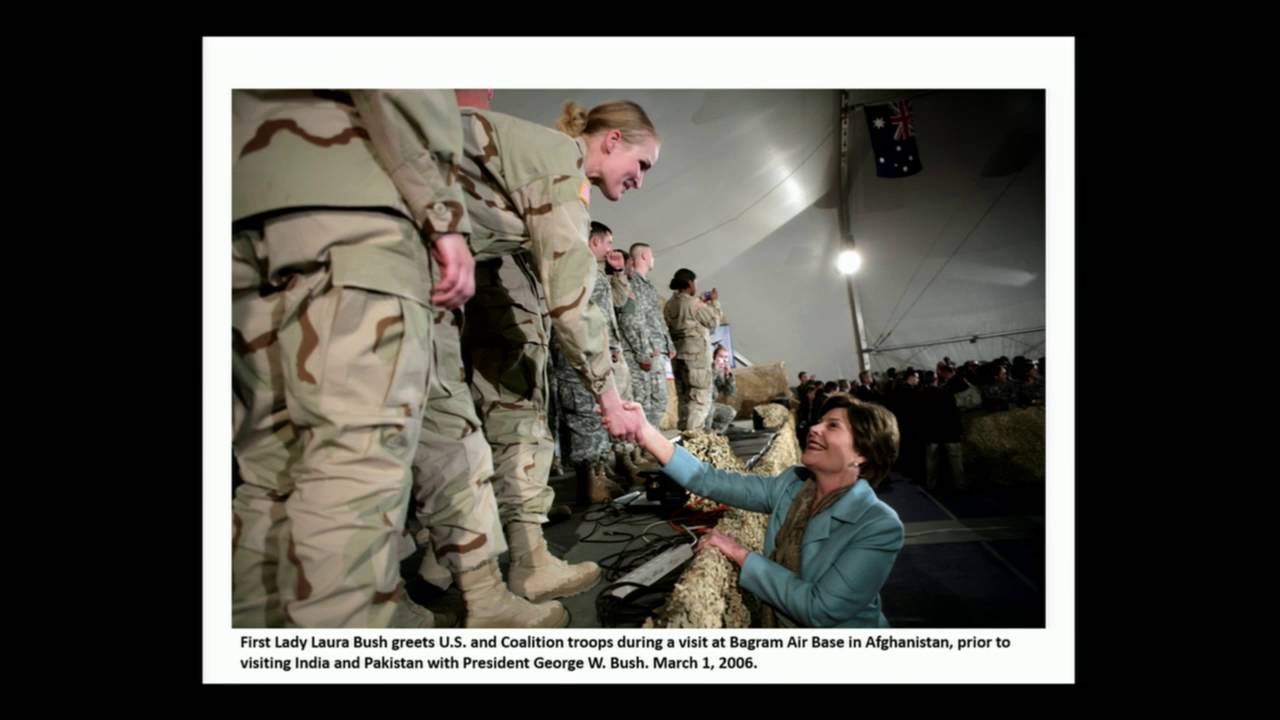
First Ladies throughout American history have influenced societal attitudes and advocated for military families and veterans during times of war and peace.
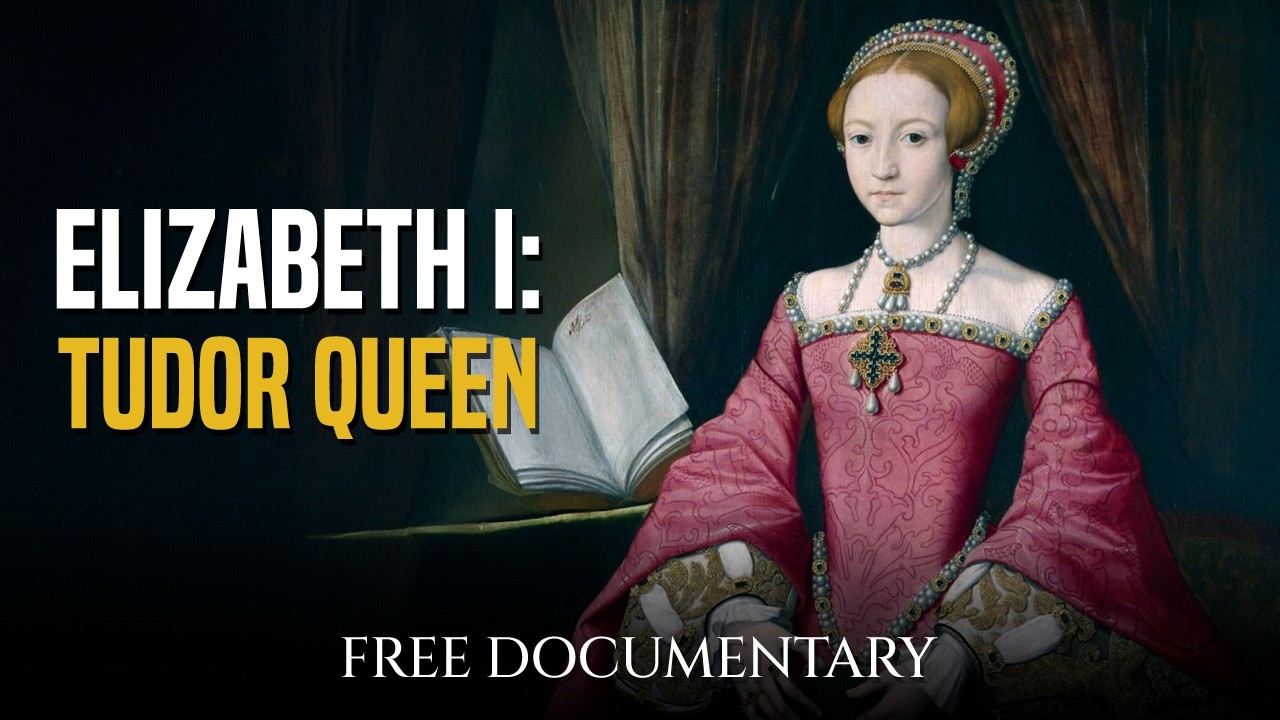
Queen Elizabeth I's reign is analyzed through expert insights, highlighting her political strategies, religious reforms, and conflicts with Spain.
François-Bérenger Saunière, a head priest in a small French parish, is linked to the legend of the Holy Grail as a vessel that caught the blood of Jesus.
Nazi Germany's post-war vision included plans for a new European order, population control, and economic exploitation across conquered territories.
The Tollund Man, a 2,400-year-old bog body discovered in Denmark, is re-examined by a homicide detective and a geneticist to investigate his ritualistic death.