From over 100,000 films, discover the handful you'll love.
Free or premium access to the world's largest documentary library.
22463 films(Page 89 of 468)
Japan's history includes the Jomon period, which dates back to 10,000 BC, when nomadic hunter-gatherers first inhabited the islands.
A Spanish monk named Avendano stumbled upon the ruins of Tikal in 1695, a city that had once ruled a vast empire of the Maya civilization.
Jean Harlow died at 26 in 1937, leaving behind a legacy as Hollywood's first platinum blonde icon and a lasting bond with William Powell.
Raoul Moat's violent rampage in 2010 sparked one of Britain's largest manhunts, culminating in a tense six-hour standoff with police in Northumberland.
Alexander the Great's rapid conquests across the known world in just 12 years are examined, highlighting the historical context of his rise and fall.
Franklin D. Roosevelt was diagnosed with chronic heart disease and lived as a secret paraplegic during his 12 years in office.
Hollywood Forever Cemetery in Los Angeles is scrutinized for its history of occult rituals, grave robbing, and its connection to the film Poltergeist.
In the summer of 1915, the SS Eastland capsized in the Chicago River during a company picnic, resulting in the deaths of over 800 passengers.
At 2:39 a.m. on May 7, 1945, German General Alfred Yodel signed the unconditional surrender of Nazi Germany, marking a significant moment in history.
Qatar's successful bid for the 2022 World Cup is intertwined with a scandal that exposed corruption within FIFA, reshaping the landscape of international soccer.
A massive palace and urban dwellings in ancient Bactra, home to tens of thousands, lay undetected for over 2,000 years in Afghanistan's sacred River Valley.
Under Hans Frank's administration as Governor-General of occupied Poland, nearly three million Jews were killed, along with hundreds of thousands of Poles and Ukrainians.
J. Robert Oppenheimer's leadership at Los Alamos Laboratory during the Manhattan Project is examined alongside his later advocacy for nuclear weapons control.
The Wajãpis in Brazil's Amazon preserve their identity through ancient traditions.
In North Carolina, the decade-long investigation into the murder of 24-year-old Zilpha Lowery culminates in the identification of her killer through advanced forensic techniques.
India's extensive railway network, crucial for its economy and history, faces challenges of overcrowding and heat while connecting key stations like Muzaffarpur and Lucknow.
In the early Cold War era, the CIA's MK-Ultra program funded experiments on mind control using psychedelic drugs and other methods across the United States and Canada.
In 1585, John Ward seized the opportunity presented by war with Spain, transforming from a penniless fisherman into a powerful pirate in the Mediterranean.
Benito Mussolini was born on July 29, 1883, in Dovia di Predappio, a small town in the Emilia-Romagna region of Italy.
The Great Midwest Flood of 1993 inundated Hardin, Missouri, displacing hundreds of graves and prompting a recovery effort by DMORT and local volunteers.
The notorious raid of Lindisfarne in 793 AD marked the beginning of the Viking Age, targeting a key center of early English Christianity in Northumbria.
Ancient Sudan's Kushite Kingdom, a powerful civilization that thrived for over 1,200 years, is explored through its remarkable artefacts and cultural heritage.
A Bohemian princess from the 18th century, suffering from a light allergy, became the basis for vampire myths after a gruesome murder in Czech Krumlov.
Dinosaurs are examined through their anatomy, evolution, and fossil discoveries, providing insights into their history and significance in paleontology.
Leon Degrelle, a Belgian fascist, betrayed his country by fighting for the Nazis and joining the SS in 1943 during World War II.
Mormons in Juarez, Mexico, face violent conflicts with drug cartels, revealing the complex interplay between local communities and U.S. drug policy.
The EA-6B Prowler, which served for nearly 50 years, is being replaced by the more advanced EA-18 Growler at Naval Air Station Whidbey Island.
A 300-foot cliff houses the mountain fortress of Alamut, where the Ismaeli community, led by Hassan-i Sabbah, develops deadly assassination tactics.
Adolf Hitler's early life in Austria, his rejection from art school, and his experiences in the Bavarian Army during World War I are examined in detail.
Archaeologists in Lincolnshire have uncovered a previously unknown Anglo-Saxon cemetery, prompting Alice Roberts to explore significant archaeological sites across the UK.
Fifty years after the first American summit of Mount Everest, climbers Conrad Anker and Emily Harrington discuss the mountain's history and future with writer Mark Jenkins and naturalist Alton Byers.
On June 6, 1944, the Normandy Invasion, or Operation Overlord, marked a crucial turning point in World War II, leading to significant Allied victories against Germany.
Mysterious UFO sightings near military bases, theories about extraterrestrial life, and humanity's potential contact with alien intelligence are examined in this compilation.
More than 3,000 children in America lost a parent on September 11, 2001, some just days old and others yet to be born.
480 BCE marked the year when Xerxes I led a massive invasion of Greece, culminating in the famous Battle of Thermopylae.
Thirty-two lives were lost when the Costa Concordia ran aground off the island of Giglio on January 13, 2012, marking a significant maritime disaster.
Wolves, reintroduced to Yellowstone in 1995 after a 70-year absence, have restored ecological balance by controlling elk populations and revitalizing vegetation.
Five times more missile warheads existed in the U.S. and Soviet arsenals compared to eight years prior, intensifying fears during the Cold War.
A ruthless gang terrorized New England in the early 1990s with violent armored car heists, culminating in a chilling murder that sparked a massive manhunt.
An archaeological investigation at a site in England, partially beneath the Great Western Railway, seeks to determine the existence of a Roman villa and its mosaics.
Charles II returned to the throne on May 29, 1660, after years in exile following the execution of his father, Charles I, in 1649.
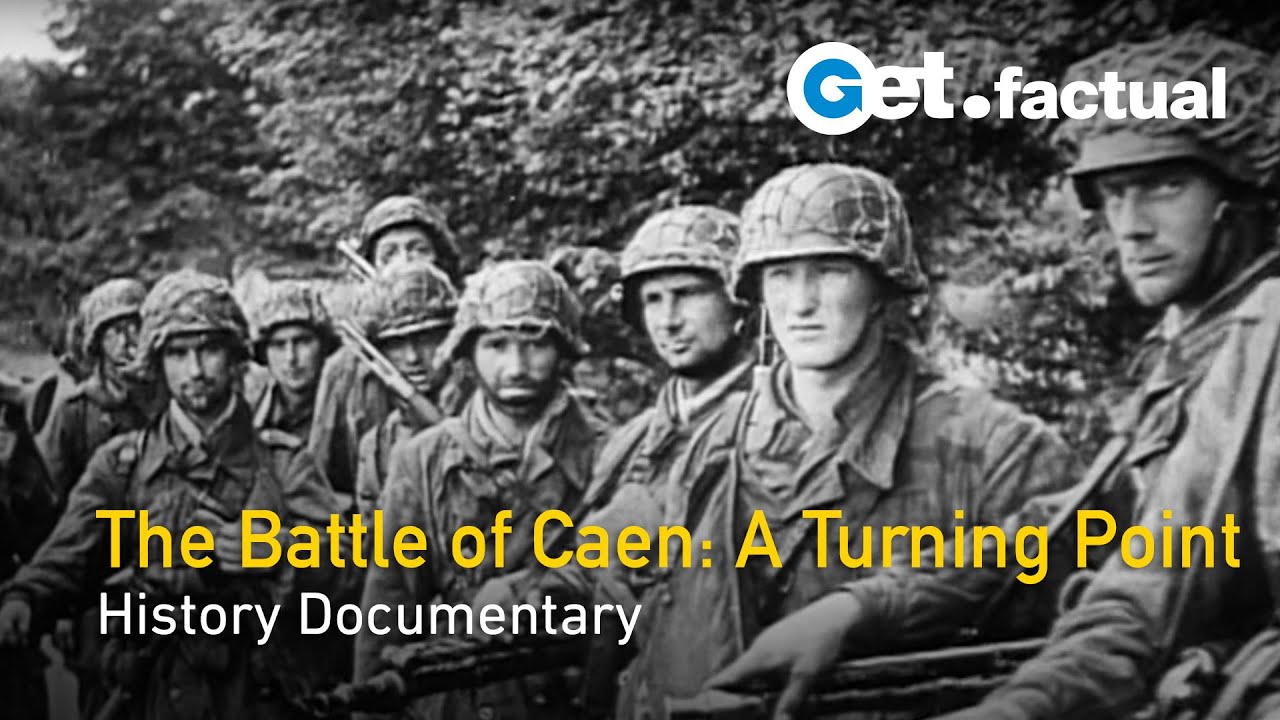
More than 14 days of intense fighting took place as Allied forces struggled to capture the French city of Caen during World War II.
Queen Elizabeth I was born on September 7, 1533, at Greenwich Palace, the daughter of King Henry VIII and Anne Boleyn.
In the English countryside, Time Team investigates a potential Roman villa, revealing insights into the living conditions of Roman Britons before the empire's decline.
In the 1950s, David Attenborough's early career in natural history is highlighted through archival footage from the BBC series Zoo Quest.
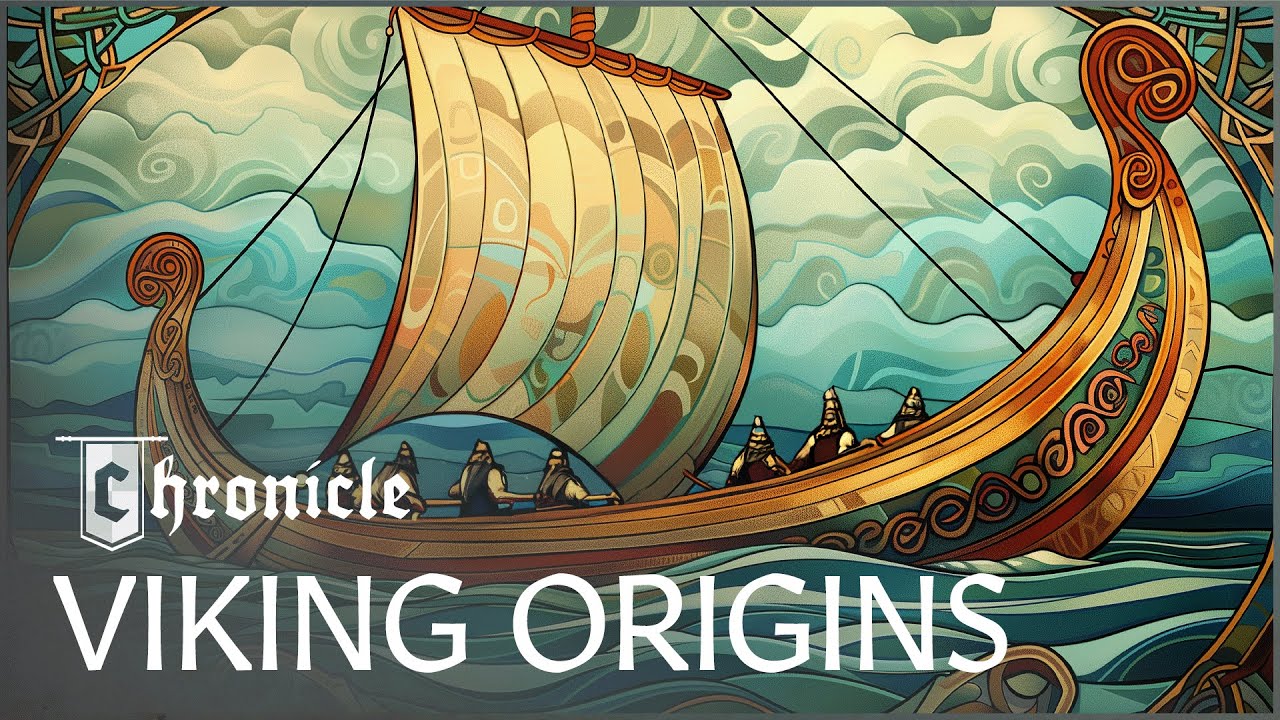
New archaeological evidence suggests that the origins of the Vikings may date back earlier than previously believed, challenging established narratives of their history.
The Humvee exemplifies the critical role of armored vehicles in enhancing the military effectiveness of the United States and its allies throughout history.
America's elite special operations soldiers, the Rangers, were formed during World War II and played crucial roles in battles such as Pointe du Hoc and Brest.