From over 100,000 films, discover the handful you'll love.
Free or premium access to the world's largest documentary library.
22472 films(Page 3 of 469)
In the 1950s and '60s, Casa Susanna in the Catskills served as a refuge for transgender women and cross-dressing men seeking acceptance and freedom.
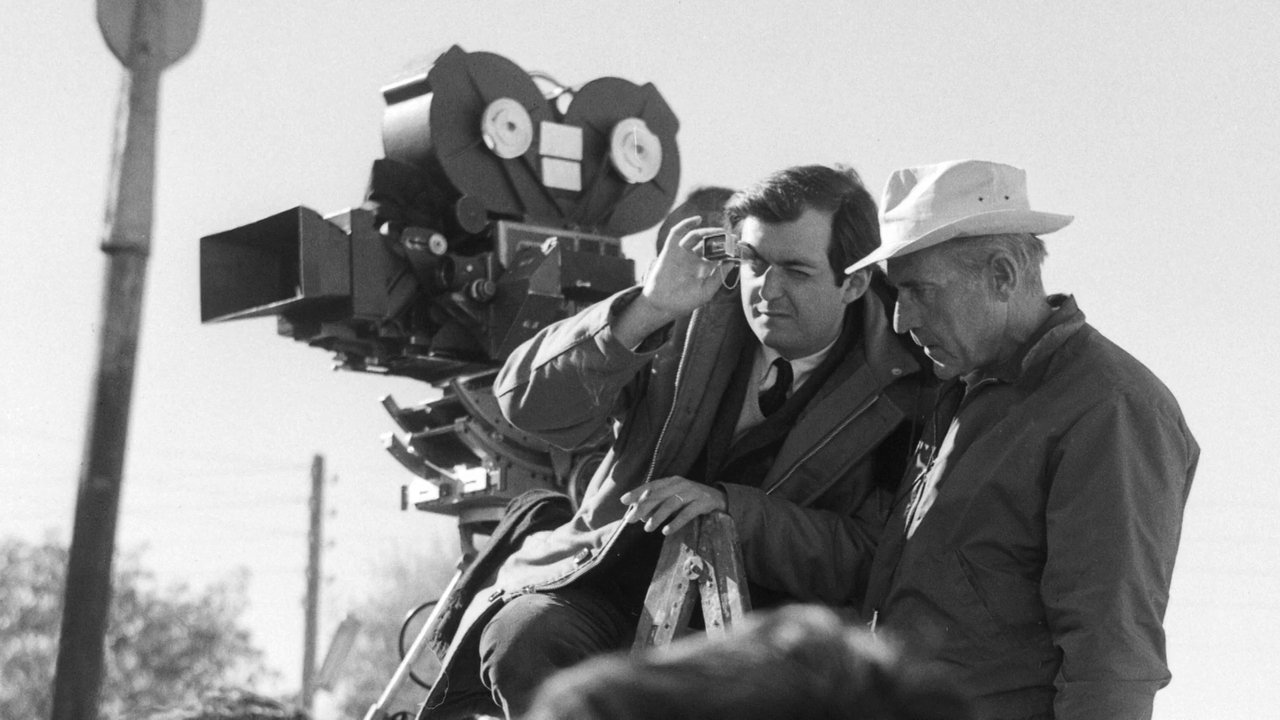
Stanley Kubrick shares insights about his filmmaking process through archival footage and rare audio interviews in this exploration of his artistic legacy.
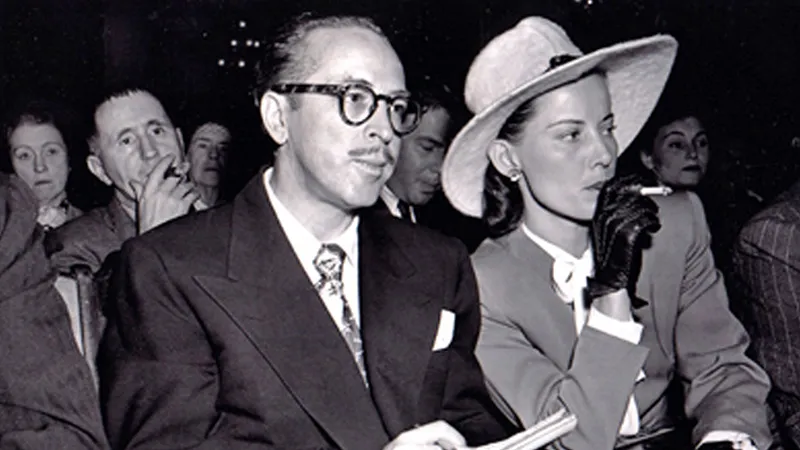
Ten screenwriters, directors, and producers, known as the Hollywood Ten, were blacklisted after refusing to testify before the House Un-American Activities Committee in 1947.
The Sengoku Jidai, Japan's tumultuous warring states period, is explored through the lives of samurai and their battles for power and honor.
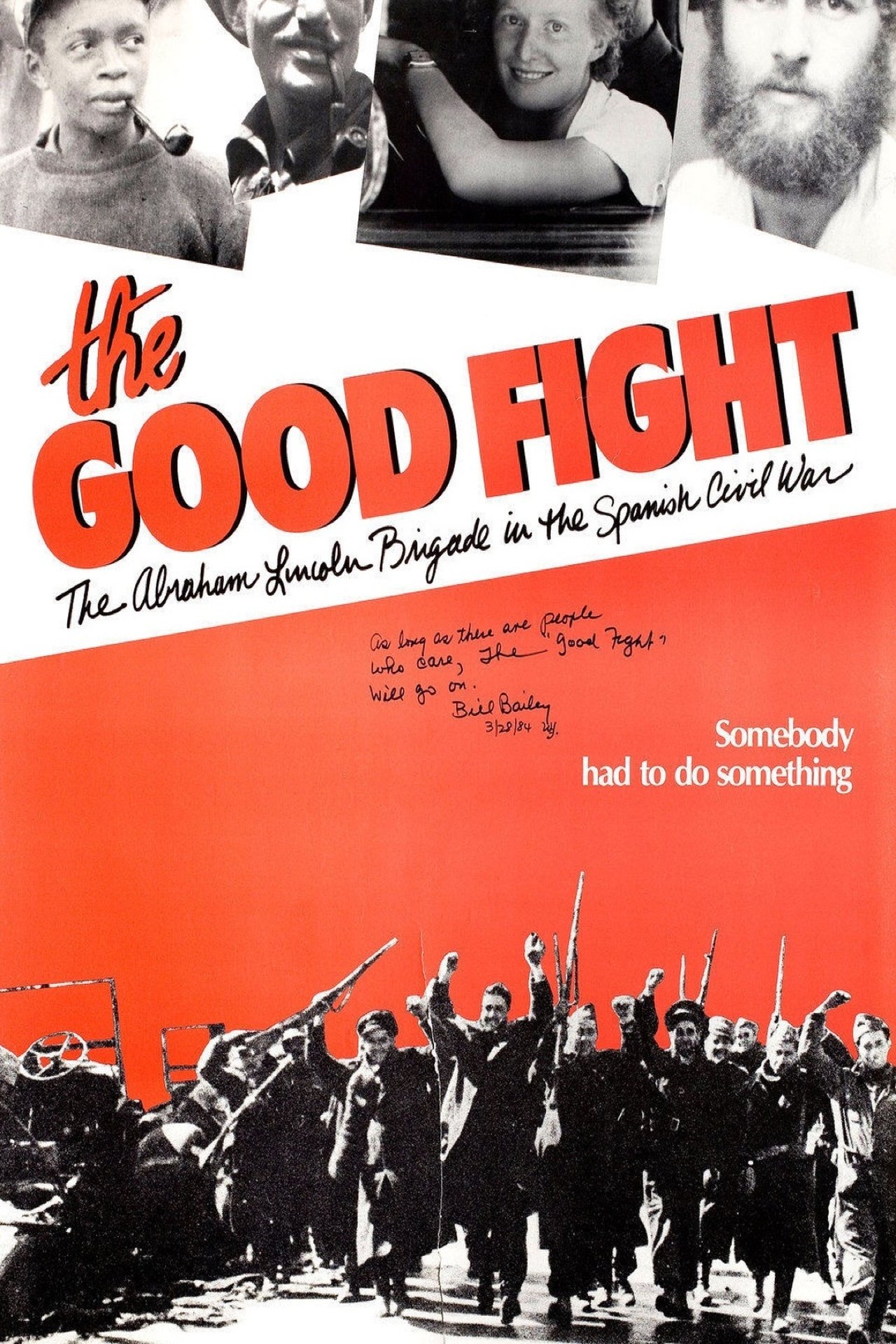
More than 50 years after the Spanish Civil War, veterans of the Abraham Lincoln Brigade recount their experiences fighting against Fascism in Spain.
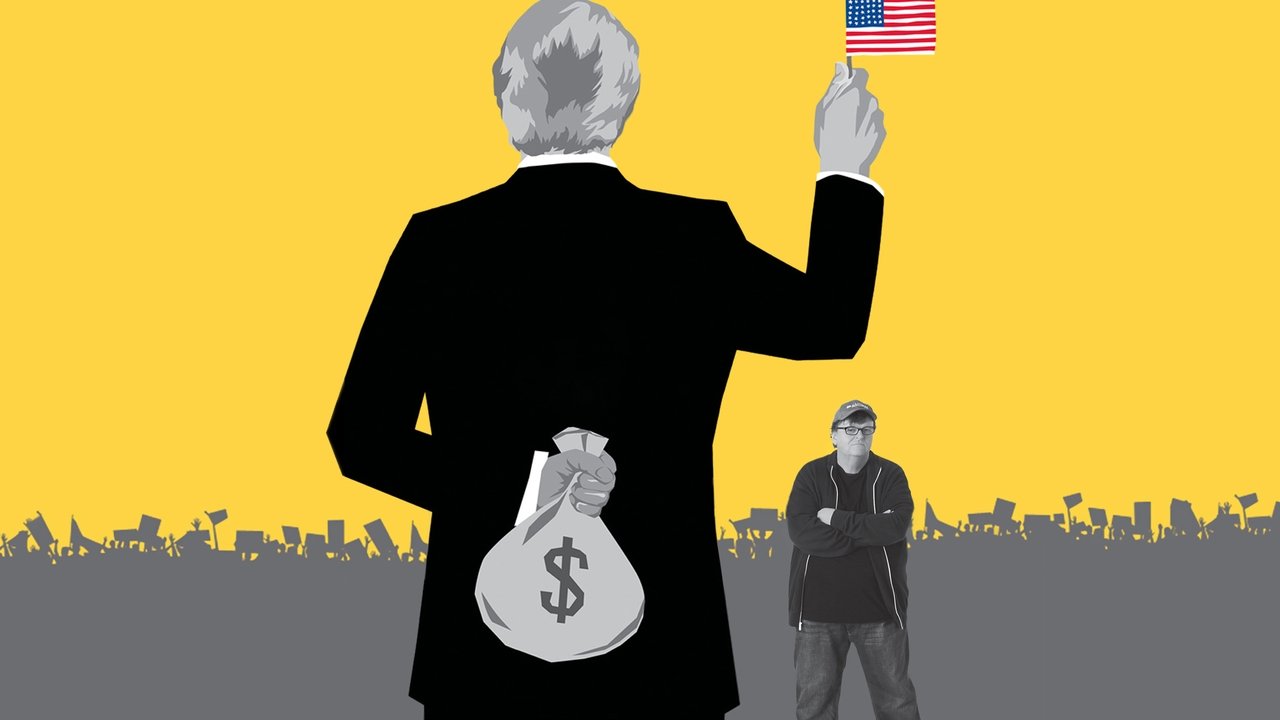
Michael Moore critiques corporate power and the banking system, focusing on the struggles faced by American workers and families in an industrial society.
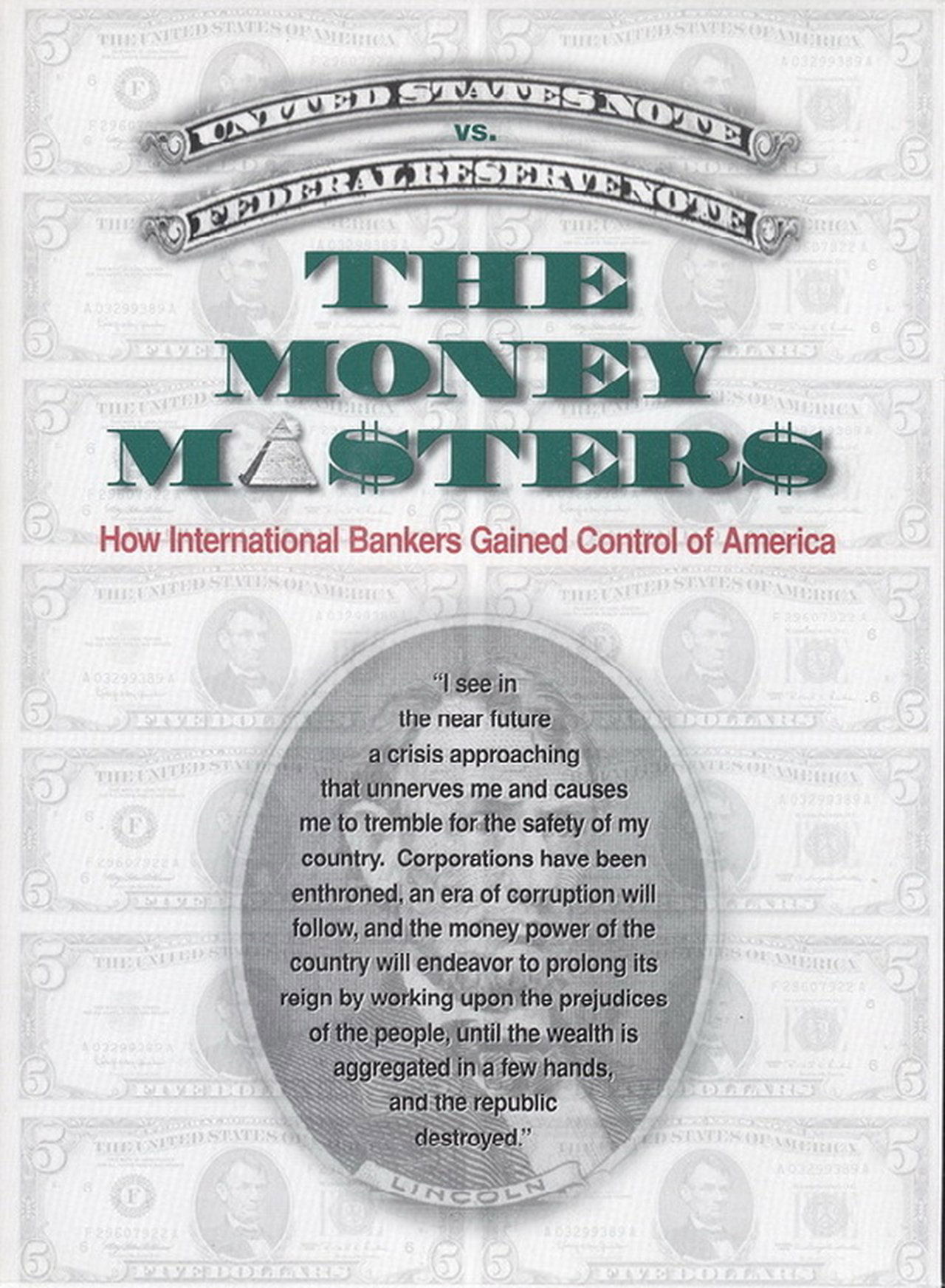
Since 1864, the United States has operated under a debt-based banking system, which the film argues is fundamentally flawed and unsustainable.
Ανζελίκ Κουρούνη και Θωμάς Ιακόμπι συζητούν για τη δίκη της Χρυσής Αυγής και την αντίσταση κατά του ναζισμού και του φασισμού.
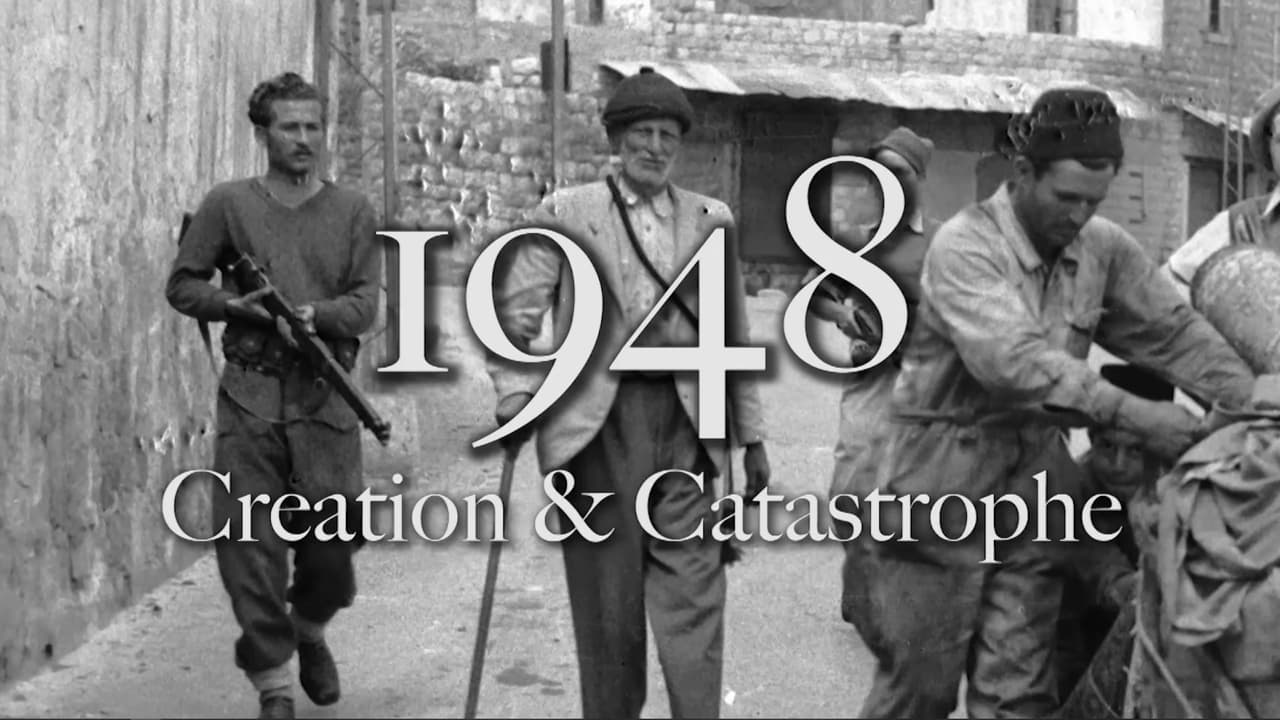
Hundreds of Palestinian villages were destroyed in 1948, displacing their inhabitants and marking a significant turning point in the Israeli-Palestinian conflict.
Historic 1984 contract negotiations between the United Auto Workers and General Motors highlight Bob White's successful efforts for a distinctly Canadian agreement.
Topaz Jones reflects on his Black identity through a personal reinterpretation of the Black ABCs, an educational tool created in 1970 for Black youth empowerment.
Nickelodeon grew from a small local channel to a global entertainment leader, influencing the childhoods of millions through shows like Rugrats and Doug.
Survivors recount being stripped and bathed in a large shower room, where they were treated with DDT to kill lice during their time in residential schools.
Hundreds of thousands of Israeli citizens established communities in the West Bank after the 1967 Six-Day War, escalating tensions with Palestinian inhabitants.
Bill Reid, a prominent Haida artist, is honored by Alanis Obomsawin, who explores his profound influence on Indigenous art and culture in Canada.
In 2013, an ancient statue of Apollo was discovered off the coast of Gaza, sparking a complex interplay of historical preservation and commercial interests.
Propaganda has been utilized throughout history, from ancient art to modern digital media, influencing public opinion through the insights of artists like Kent Monkman and Ai Weiwei.
Christianity's historical narratives are critically examined alongside alternative theories about the September 11 attacks and the role of the Federal Reserve in the economy.
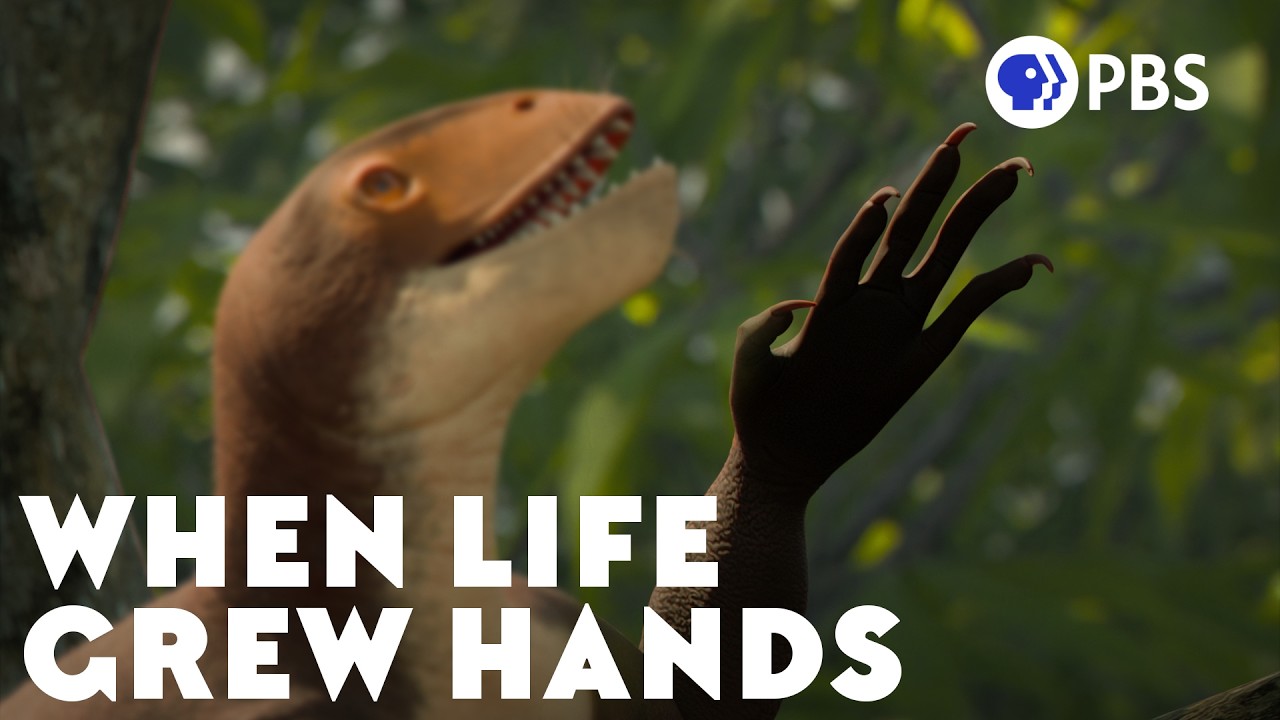
Tetrapods transitioned into arboreal life primarily due to the availability of leaves, reshaping their evolutionary path on Earth.
Practicing medicine, from the use of medicinal plants to early surgical techniques, may have roots that extend back to before the emergence of modern humans.
In the Rising Star Cave system in South Africa, paleoanthropologists study a chamber containing the bones of the extinct species Homo naledi.
Neoliberalism's pervasive influence shapes Western politics and economics, revealing its role in driving contemporary crises and environmental challenges.
Gladiators consumed a diet rich in carbohydrates, primarily barley and beans, to fuel their intense training and combat in ancient Rome.
Hundreds of missing people are murdered and buried by rival gangs MS-13 and 18 Street in El Salvador, where the murder rate continues to rise.
Angela Huth examines the diverse fashion choices of English women, including Margaret Thatcher, revealing how personal style reflects individuality and societal roles.
Over the course of the 20th century, Black farmers lost about 12 million acres of land due to systemic discrimination and economic barriers.
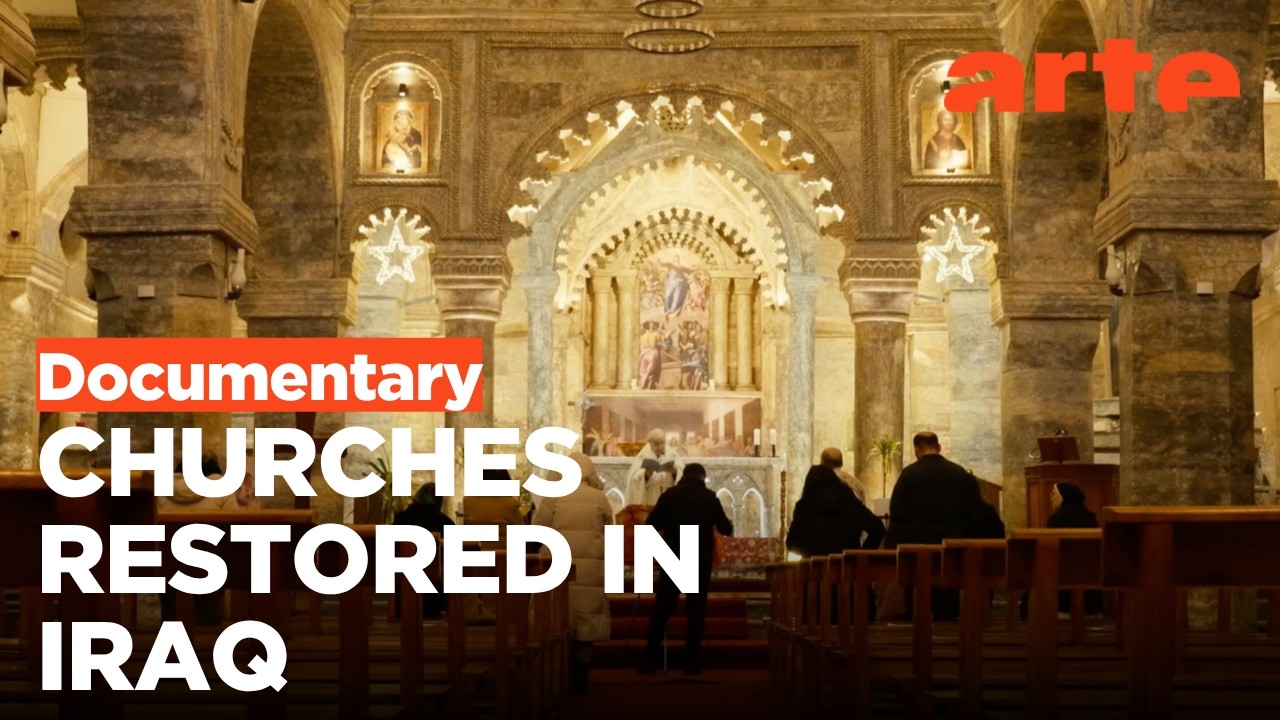
In Mosul, Iraq, church bells ring once more as Christian places of worship are restored ten years after the fall of Islamic State.
Eons hosts reflect on their survival experiences and answer viewer questions in this final episode before exploring future topics.
Alan Turing's theoretical computer principles continue to underpin modern computing, as demonstrated by computer scientist Benedict Nixon's variations of Turing Machines.
After 38 years, the identity of a Texas murder victim is revealed through collaboration between local police and the DNA Doe Project.
Vällingby, a rapidly growing Swedish town, showcases innovative urban planning and automation, raising questions about its potential as a model for future British living.
The Paleozoic Era, marked by significant evolutionary developments and mass extinctions, represents a chaotic yet crucial period in Earth's history.
Ancient Aliens presents evidence of unusual part human/part alien species, exploring the controversial theory of extraterrestrial visits to Earth.
In the Cambrian Period, marine life flourished with significant evolutionary advancements, while terrestrial environments remained devoid of vegetation.
The break-up of the supercontinent Pangea led to India's collision with Asia, resulting in a significant shift in evolutionary isolation and biodiversity.
Many believe that the only way to make physics whole again is to break the intuition surrounding space and time as fundamental concepts.
Romania's scientific and technological advancements are showcased through projects like the Elmo electric bicycle, fresco preservation, and a major irrigation initiative.
Paleoanthropologist Ella Al-Shamahi explores the coexistence of Homo sapiens with at least seven other human species, including Neanderthals and Denisovans.
For 25,000 years, societies revered a goddess as a symbol of creation and nurturing, a belief system now linked to modern environmental challenges.
As hijacked Flight 11 strikes the North Tower of the World Trade Center, firefighters race against time to rescue trapped civilians amidst chaos.
On July 14, 1970, members of the Young Lords occupied Lincoln Hospital, demanding better health care access for the South Bronx community.
Sixty percent of enslaved individuals brought to America came from Senegal, a fact often omitted from historical narratives.
Thirty-four people died during the 1992 Los Angeles riots, which lasted nearly a week and involved widespread violence and looting across the city.
Cassette, a once-obsolete music format, experiences a surprising revival among new generations, prompting its inventor Lou Ottens to reflect on his creation's legacy.
Three unmarried women share their experiences and societal perceptions of being 'spinsters' in a candid discussion from a 1968 BBC interview.
Leila Khaled, the first woman to hijack an aircraft, became an iconic figure in the Palestinian struggle, raising complex questions about her legacy and impact.
The Western Interior Seaway, which once stretched from the Caribbean Sea to the Canadian Arctic, is explored through scientific insights and historical context.
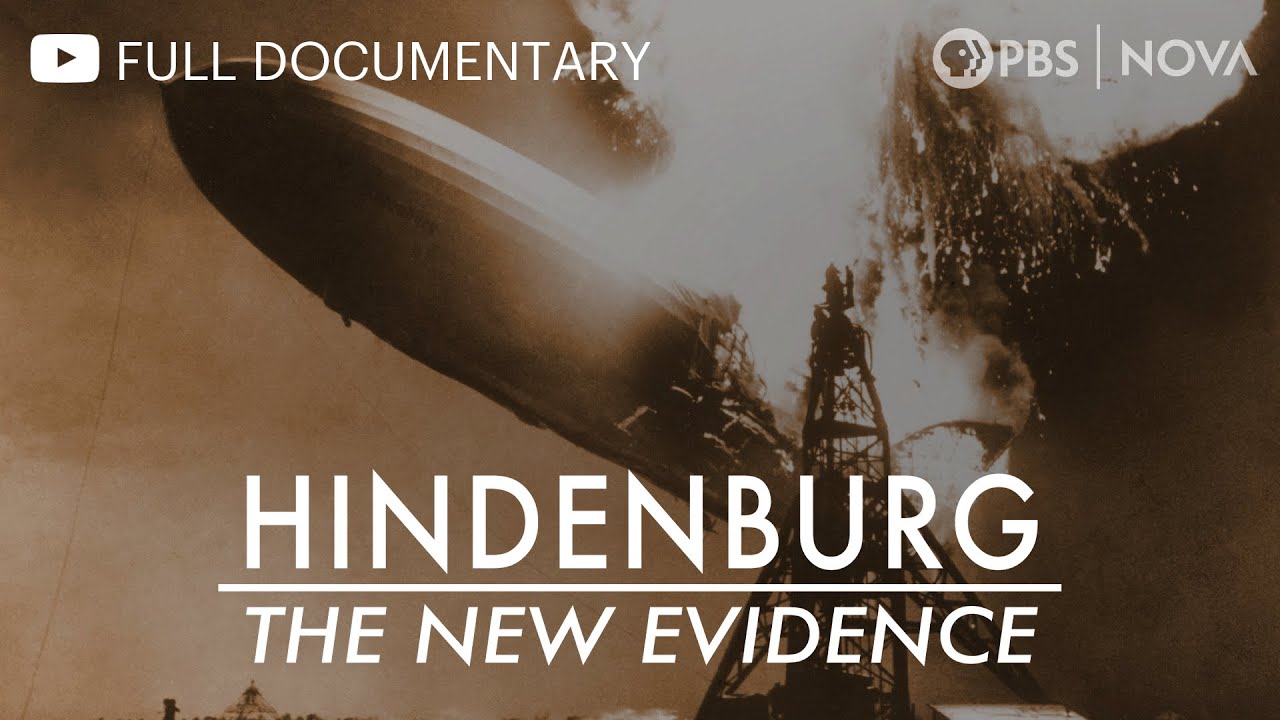
The Hindenburg crash, a pivotal event in aviation history, is re-examined through newly surfaced footage and scientific experiments that propose a definitive cause.