From over 100,000 films, discover the handful you'll love.
Free or premium access to the world's largest documentary library.
22469 films(Page 232 of 469)
New York City at the turn of the 19th and 20th centuries is captured through historic footage showcasing iconic landmarks like the Statue of Liberty and Broadway.
Martin Luther King Jr. shares his insights on civil rights and social justice in a rare 1963 interview, now restored by The Paley Center.
In 1770, an Ojibwa girl named Ikwe marries a Scottish fur trader, leaving her home and facing the challenges of cultural conflict and personal isolation.
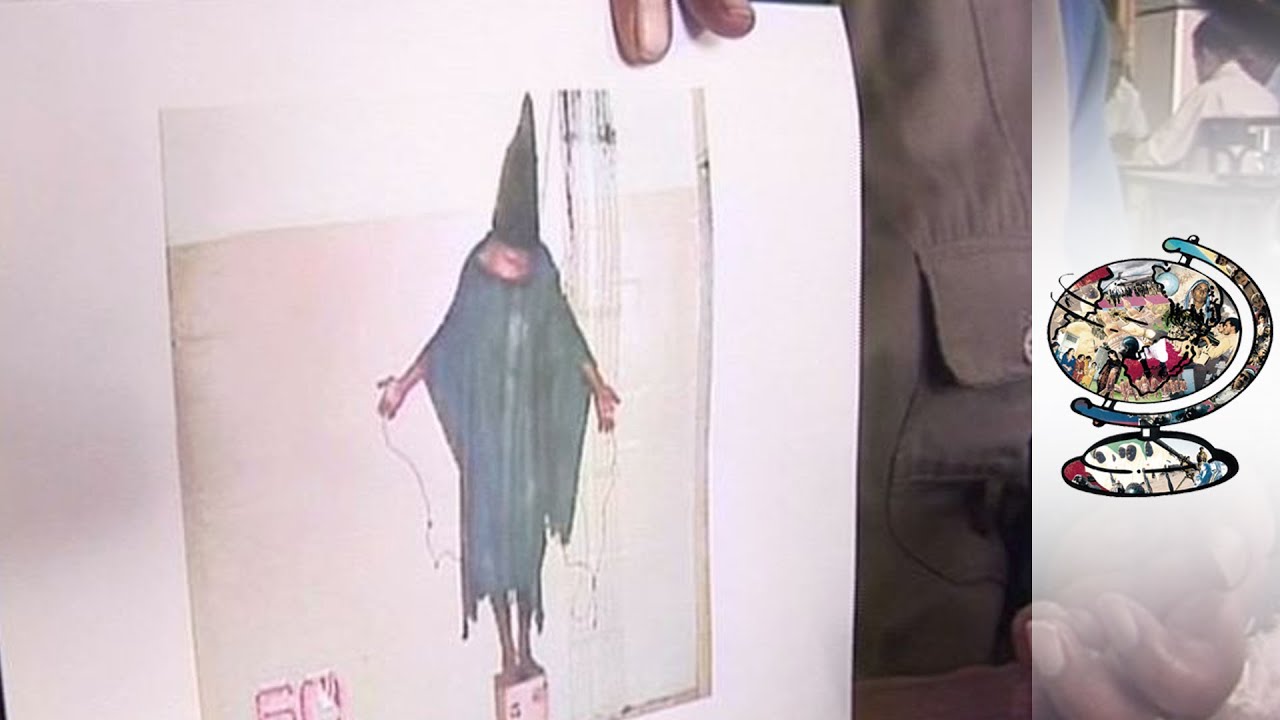
Abu Omar's abduction by the CIA in Milan not only violated Italy's sovereignty but also compromised international counter-terrorism efforts and led to legal repercussions.
The alarming acceleration of polar ice melt, driven by warming oceans, is analyzed through glaciologists' fieldwork and ancient ice core data linking CO2 to temperature.
Indigenous children in Australia face alarming rates of removal from their families, with current statistics showing they are ten times more likely to be placed in care than non-indigenous children.
Vietnamese peasants continue to face the dangers of hundreds of thousands of unexploded ordnance left from the 15 million tonnes of explosives dropped during the war.
The indigenous Nenet people of the Yamal peninsula face existential threats from industrial gas exploitation and climate change, jeopardizing their traditional way of life.
Queen Elizabeth II's 1992, labeled an "Annus Horribilis," was marked by the collapse of three royal marriages, a devastating fire at Windsor Castle, and intense media scrutiny.
The Declaration of Independence, U.S. Constitution, and Gettysburg Address were secretly relocated during critical moments in American history, including the War of 1812 and World War II.
Explosives have evolved over a millennium, transforming from gunpowder to nuclear weapons, significantly impacting warfare and modern society.
Three major terrorist attacks-the Bologna train station bombing, the USS Cole attack, and the Utøya massacre-shaped global responses to ideological violence.
Demolition teams in Christchurch face hazards while dismantling buildings condemned after the 2011 earthquake, including dealing with needles and debris.
In the West Bank, stark disparities in water access between Palestinian and Israeli farmers highlight the ongoing conflict over land and resources amid looming annexation.
Iceland's last whaling company faces intense international criticism and internal debate over the sustainability and ethics of hunting endangered fin whales.
Cosmologists and astronaut Ulrich Walter explore the universe's evolution from a singularity, examining dark matter and the formation of the first stars.
Mark Twain National Forest is rumored to harbor demonic creatures and ancient artifacts, intertwining chilling legends with unsettling historical mysteries.
On May 14, 1970, local and state police opened fire on students at Jackson State College in Mississippi, killing two and injuring a dozen during a protest.
Mayan abuelos clarify misconceptions about the 2012 apocalypse prediction, exploring the significance of the Baqtun and the true meaning of the Mayan Calendar.
In 2012, librarian Abdel Kader Haidara and his team in Timbuktu rescued approximately 370,000 manuscripts from destruction by Al Qaeda militants.
A 101-minute documentary features musical performances that blend blues, rock, and traditional beats to address First Nations rights in Canada.
Citizens of Gaza, facing an eleven-year blockade and ongoing conflict, strive to maintain essential services and support their community despite severe hardships.
In April 1862, the Battle of Shiloh erupted in Tennessee, marking a brutal surprise attack by Confederate forces against Union troops led by General Ulysses S. Grant.
Israeli Jews are increasingly relocating to Berlin, attracted by its vibrant arts scene and culture of tolerance, despite the city's complex historical legacy.
Marseille Saint-Charles train station serves as a vital transport hub and cultural landmark, reflecting the city's rich history of migration and connection to the Mediterranean.
Diana, Princess of Wales, is portrayed through unseen archives and new insights, highlighting her life, marriage to Prince Charles, and enduring legacy.
Deliberate destruction of historical artefacts by Islamist groups, including ISIS, has led to significant loss of world heritage, prompting international restoration efforts.
Martin and Osa Johnson's 1935-1936 expedition in Borneo aimed to capture a large orangutan, documenting the region's diverse wildlife and landscapes.
Louise Woodward, a British au pair, faced a high-profile trial in 1997 for the alleged murder of 8-month-old Matthew Eappen, sparking global media frenzy.
On May 17, 2005, the body of Christophe Belle, a 40-year-old renowned pastry cook, is found in a forest in Sucy-en-Brie, France.
In the 1840s, six modern celebrities experience the harsh realities of Victorian Britain by taking on difficult jobs and living without modern conveniences.
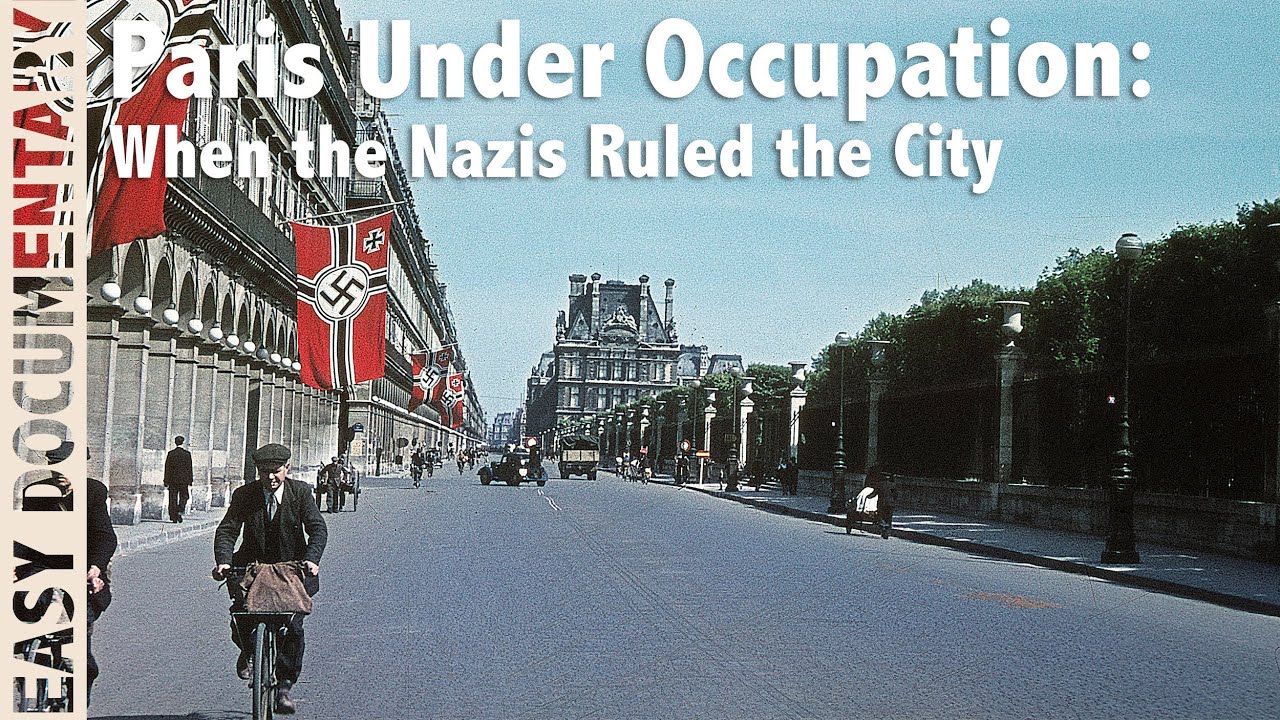
Paris, under Nazi occupation from June 1940, became a battleground of resistance and repression, with its iconic monuments serving as both targets and symbols of defiance.
Jumbo, an African elephant whose life in captivity sparked cultural fascination and controversy, continues to influence discussions on elephant conservation and welfare.
MV Iceberg 1, a container ship, endured nearly 1,000 days of captivity by Somali pirates before a mercenary-led rescue mission was launched.
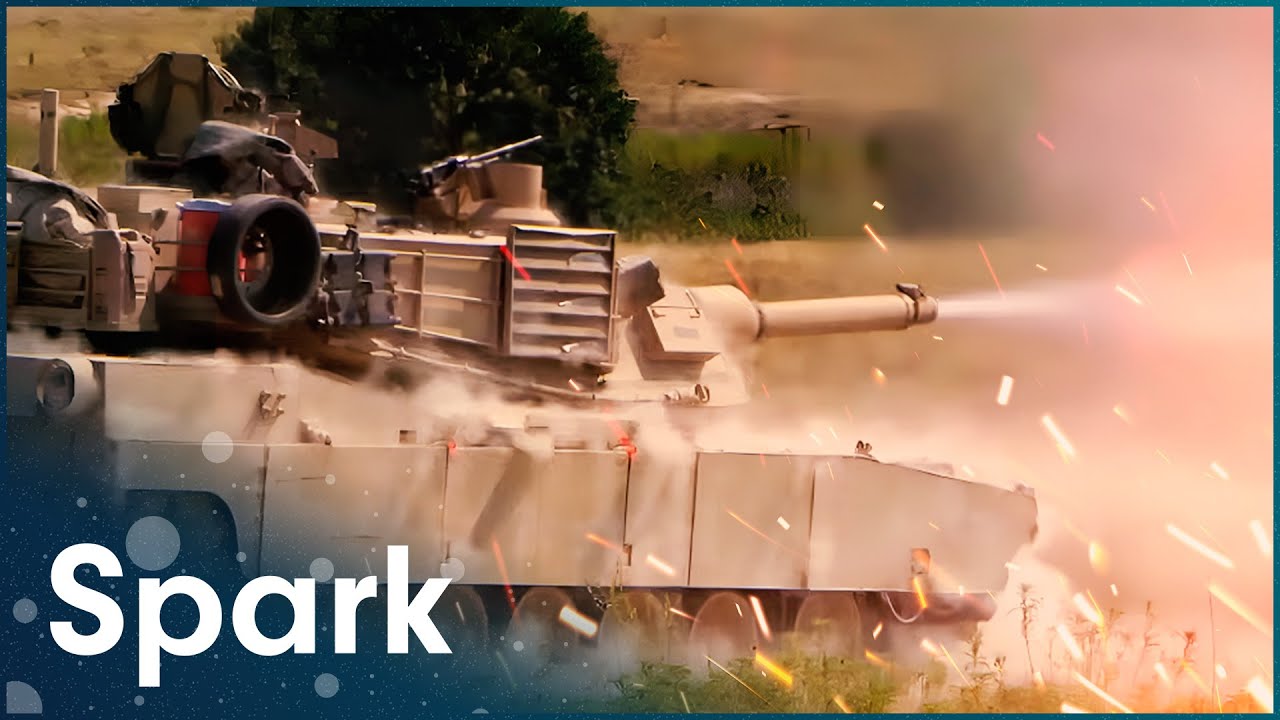
The evolution of the tank, from its WW1 origins to the advanced M1A2 Abrams, showcases a remarkable engineering feat designed for modern warfare.
Walt Disney was still a few months shy of his 18th birthday when he returned from France after the First World War in 1919.
George VI's unexpected ascent to the British throne amid the turmoil of World War II highlights his transformation from a reluctant leader to a symbol of national resilience.
Workers in 1930s England are portrayed through archival footage and narratives from the Workers Film League, highlighting their struggles and resilience.
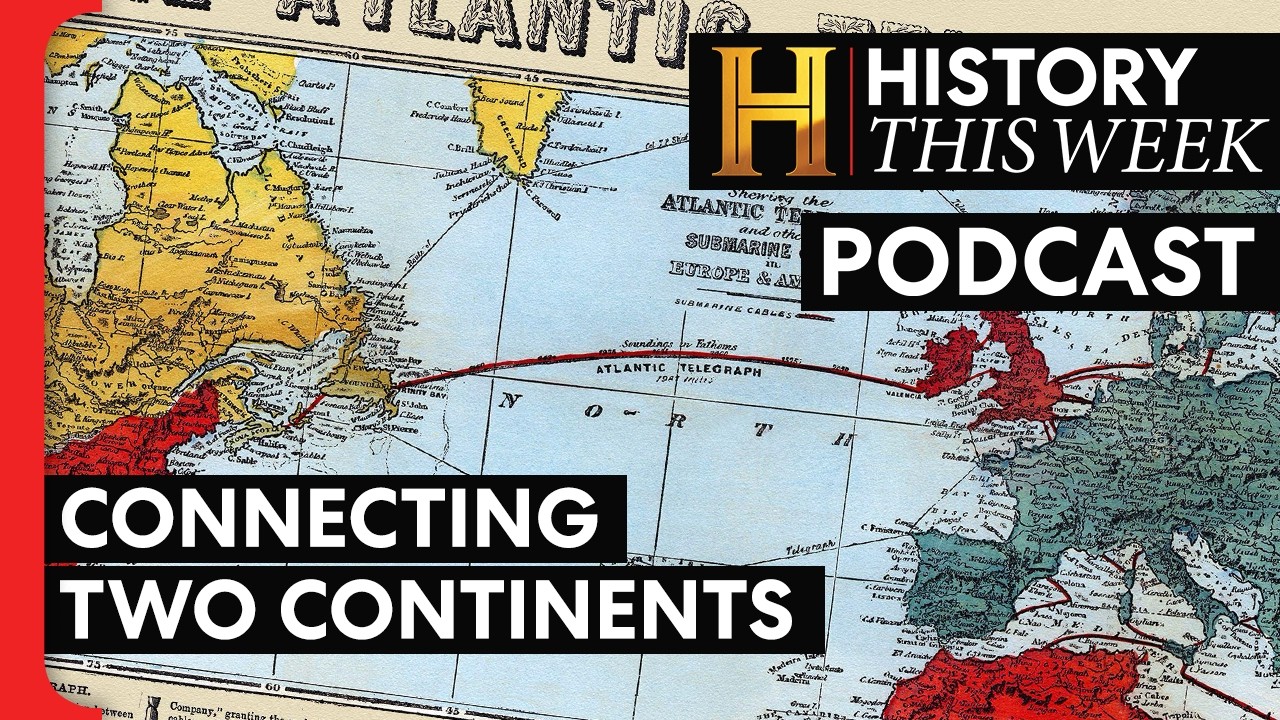
Cyrus Field's ambitious transatlantic cable project, celebrated in 1858 for revolutionizing communication, faced immediate technical failures despite its initial success.
Boko Haram, notorious for its brutal tactics and the 2014 kidnapping of 276 Nigerian schoolgirls, poses a significant threat to Africa and beyond.
In 1900, the Galveston hurricane struck Texas with winds over 100 mph, resulting in thousands of deaths and reshaping disaster preparedness in the U.S.
Ted Bundy's notoriety as a serial killer is examined alongside other infamous figures like Gary Ridgway and Robert Pickton, highlighting their ability to blend into society.
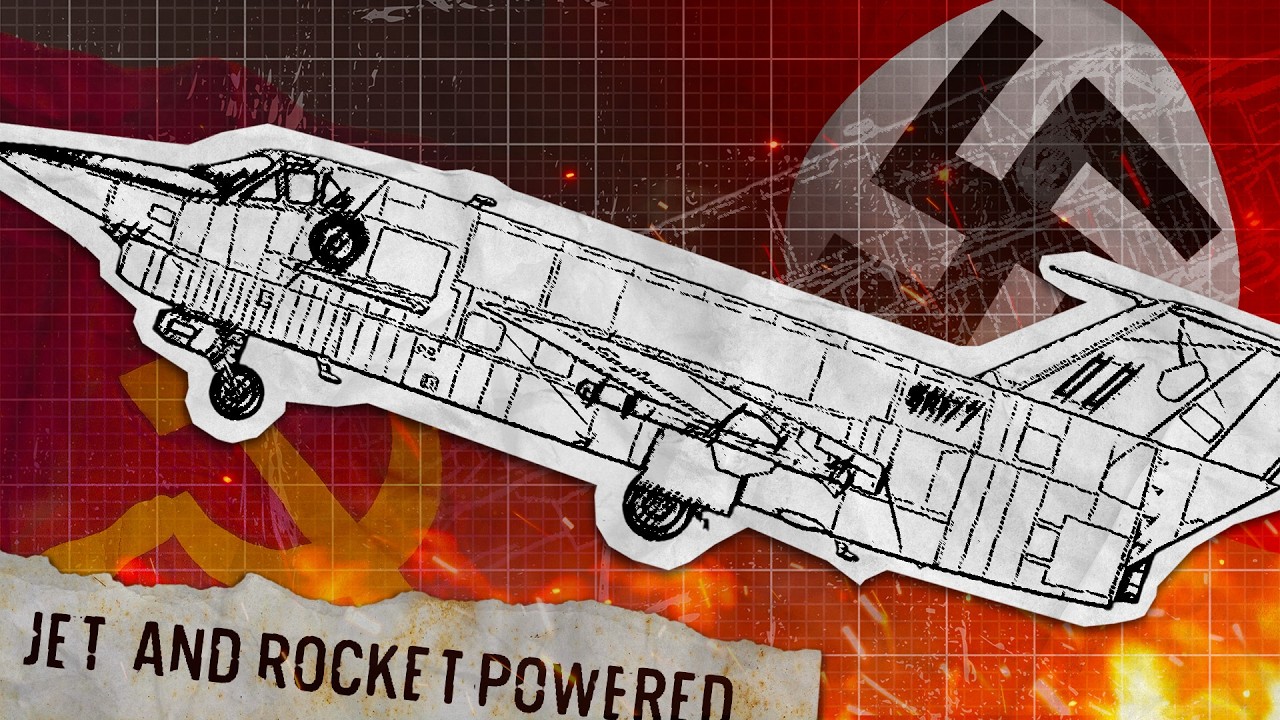
Saunders-Row SR.177, a revolutionary British interceptor utilizing Nazi technology, was ultimately abandoned due to political shifts and a bribery scandal.
In 1974, a group of Canadian bank robbers executed Canada's largest gold heist at Ottawa International Airport, later committing over 50 bank robberies in the US.
Billy Evans and the artisan glassmakers of Brierley Hill showcase over 300 years of craftsmanship in creating exquisite crystal table glass.
Kofi Annan confronts the dire humanitarian crisis in Darfur, grappling with the limitations of UN authority and dwindling resources amid global distractions.
In November 2004, Alistair Wilson was murdered at his home in Nairn, Scotland, leading to one of Britain's most enduring unsolved murder investigations.
More than 3,200 people were arrested during the Birmingham protests, which Dr. Martin Luther King Jr. discussed in a June 1963 interview.