From over 100,000 films, discover the handful you'll love.
Free or premium access to the world's largest documentary library.
22463 films(Page 44 of 468)
Military historian Dan Snow addresses the most frequently asked questions about World War I, exploring its causes, key events, and lasting impact.
More than 40 human skeletons were found in two boat graves in Estonia, dating back to at least 100 years before the first recorded Viking raid.
Julius Caesar's military campaigns in Britain during 55 BC marked a significant moment in history, showcasing advanced tactics and the eventual subjugation of local tribes.
Cheddar Gorge, a site of significant archaeological interest, is explored by Tony Robinson and the Time Team to investigate its role as one of the UK's earliest human habitats.
Sir Francis Drake, the first Englishman to circumnavigate the globe, raided Spanish settlements and participated in the transatlantic slave trade.
Craghead, a small mining village in Co Durham, faces uncertainty in 1968 as workers strive to boost coal output amid rumors of impending closure.
August 24, 410 AD marks the day when the Visigoths invaded Rome, ending 800 years of Roman dominance and igniting centuries of turmoil in Europe.
Elizabeth I's portraits served as powerful tools of propaganda, embedding complex symbolism and messages that reinforced her image and authority during a tumultuous era.
Persepolis, the ancient Achaemenid ceremonial capital, showcases its rich history and stunning ruins, including the Gate of All Nations and the Hall of 100 Columns.
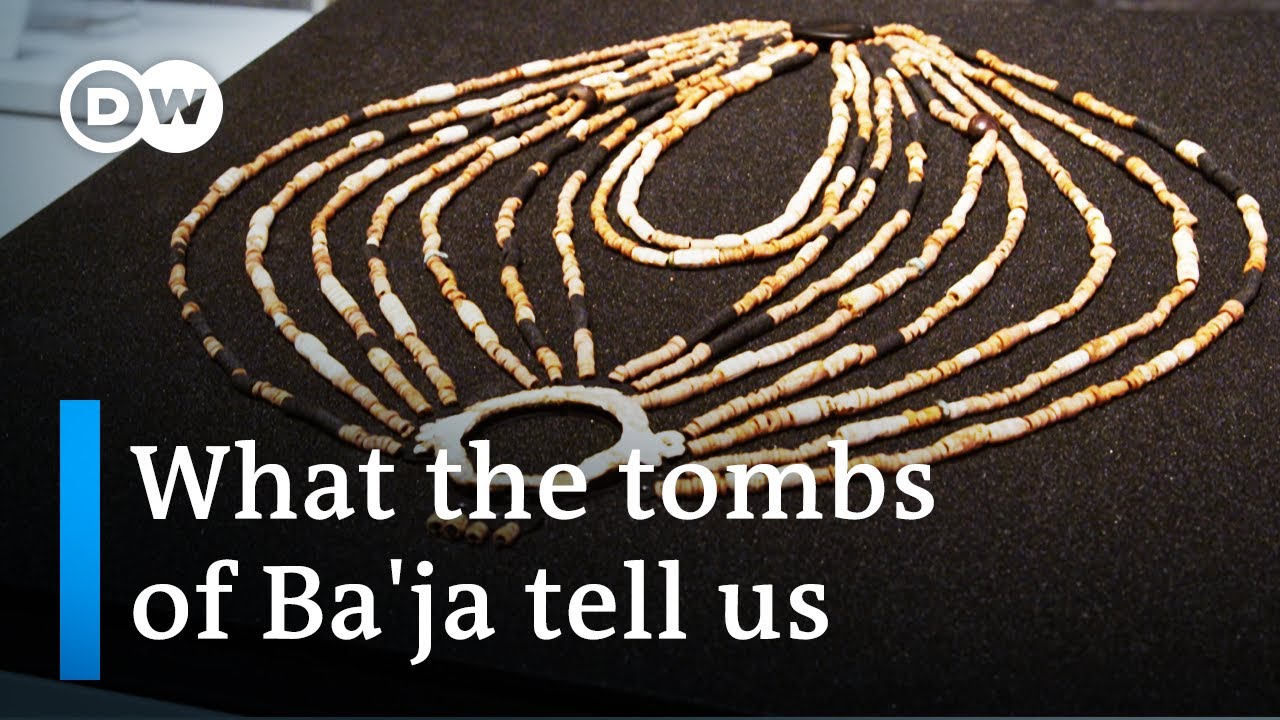
An elaborate grave containing the remains of an eight-year-old girl named Jamila was discovered in Ba'ja, a Neolithic settlement in Jordan, dating back 9,000 years.
On May 18, 1980, Mount St. Helens erupted, killing 57 people and drastically altering the environment in Washington State.
On the night of March 24, 1944, 200 Allied airmen packed into hut 104 at Stalag Luft III to execute a massive escape plan from the Nazi camp.
80% of early films from Singapore have not survived, but restored footage reveals life in the former British colony during the early 1900s.
Maximilien Robespierre was executed by guillotine in Paris on July 28, 1794, marking a dramatic turn in the French Revolution's Reign of Terror.
Augusto Pinochet's regime in Chile, supported by the United States and the United Kingdom, employed terror and torture against its citizens while the West remained complicit.
Ireland's medieval castles, from the mystical Hill of Tara to the imposing Trim Castle, reveal the complex history of power, invasion, and cultural transformation.
In July 1361, King Valdemar II of Denmark launched an invasion of Gotland, leading to a battle that decimated the local population and changed the island forever.
Burial sites in Ireland reveal that ancient pre-Christian beliefs, including concepts of the undead, persisted well into the Christian era through scientific analysis.
Between 1940 and 1945, the German army lost 50,000 tanks and 4 million men on the Eastern Front during World War II.
Breton onion-sellers, known as "Onion Johnnies," transport their iconic bicycles and strings of onions from Roscoff to homes across Britain.
Researchers excavate 78 mummies from a crypt beneath the altar of Sacramento Church in Lisbon, revealing a complex history intertwined with local legends.
Military historian James Rogers evaluates the accuracy of modern warfare scenes in films like 'The Hurt Locker' and 'American Sniper', assessing their portrayal of combat and ethical dilemmas.
In the early 20th century, American women, led by figures like Harriot Stanton Blatch and Alice Paul, employed militant tactics to secure their right to vote.
1967 saw the emergence of Jefferson Airplane, whose songs like "White Rabbit" reflected the political tensions and cultural shifts of the Summer of Love.
Project Stargate reveals the US military's secret program that trained soldiers in psychic abilities for intelligence gathering and espionage.
Archaeologists have unearthed a perfectly preserved bathhouse in Pompeii, revealing insights into the daily lives of its 15,000 inhabitants before the eruption.
The Black Death, caused by Yersinia pestis, decimated nearly 60% of Medieval Europe's population, reshaping society, art, and economy in its aftermath.
Thousands of Allied troops were rescued from the beaches of Dunkirk in May 1940 as Nazi forces advanced across Europe.
A 25-year project in Burgundy aims to build a castle from scratch using 13th-century tools and techniques, revealing the daily life of medieval builders.
The U.S. Third Armored Division lost over 600 tanks and 2,500 soldiers while fighting to breach the Siegfried Line in Nazi Germany during World War II.
More than 6,000 tons of supplies were transported to build Camp Century, a U.S. military research base constructed beneath Greenland's ice sheet in 1959.
Megiddo serves as a significant site for analyzing biblical prophecies from the Old and New Testaments, linking them to contemporary global events.
Twelve humans have walked on the Moon, returning samples that support the giant impact theory of its formation from a collision with a Mars-sized body.
The Battle of Gettysburg highlights the deadly conflict between Northern and Southern states.
Carthage, once a formidable rival to Rome, faced total destruction in 146 BC, prompting an archaeological investigation into the reasons behind Rome's extreme reprisals.
Enzo Ferrari was born on February 20, 1898, in Modena, Italy, where his father ran a manufacturing business from their family home.
Three historians and archaeologists work on a Tudor monastery farm, cultivating crops and raising livestock while facing the challenges of medieval peasant life.
In 1609, Galileo Galilei used a telescope to reveal that the Milky Way is composed of countless stars, changing the understanding of the night sky.
On 24 May 1941, the German battleship Bismarck engaged in a fierce battle against British forces, marking a significant moment in naval warfare.
66 red-tailed Mustangs of the 332nd fighter group escort B-17 bombers over northern Italy during World War II, defying racial stereotypes.
Steven Spielberg shares insights on the making of JAWS (1975) through interviews with filmmakers like James Cameron and Jordan Peele, highlighting its lasting impact over 50 years.
In 2009, Raechel Betts, a 27-year-old childcare worker, was murdered and dismembered by a serial killer in Melbourne, highlighting a tragic crime in Australia.
In 1994, twenty-two-year-old dancer and model Revelle Balmain vanished in Sydney, and her mysterious disappearance raises questions about the secrets she held.
HMS Alliance, the last surviving Second World War-era submarine, showcases its remarkable history and preservation at the Royal Navy Submarine Museum in Gosport.
Ashur evolved from a small shrine city into a formidable militaristic state, boasting one of the most powerful armies of the ancient world.
A 104-carat sapphire, once owned by numerous figures, now resides in the British crown after being mined in Sri Lanka's gem-rich Ratnapura region.
Canadian and American soldiers train in Montana to emulate the combat tactics of the elite World War II unit known as the Devil's Brigade.
First-century Judea is examined through the lens of daily life, healthcare, and legal systems, highlighting the context surrounding the events of the Christian Bible.