From over 100,000 films, discover the handful you'll love.
Free or premium access to the world's largest documentary library.
22463 films(Page 276 of 468)
Kelsey Noel from the National Archives discusses the digitization of the 26-LG series, which features historical photographs of U.S. lighthouses and advances in photographic technology.
In January 2003, two US pilots were charged with involuntary manslaughter for the friendly fire deaths of four Canadian soldiers near Kandahar, marking a significant legal precedent.
Tim McGraw traces his paternal lineage back to the founding days of the United States, revealing connections to George Washington.
Ötzi the Iceman, a 5,000-year-old frozen mummy found in the Italian Alps, reveals clues about a Neolithic murder through modern forensic analysis.
Tens of thousands of petitions related to women's suffrage are housed in the National Archives, revealing the activism that led to the 19th Amendment.
Ethiopia faces a paradox where extensive foreign aid has not alleviated poverty, leaving 14 million people at risk of starvation in 2003.
Tens of thousands of Syrians have disappeared into clandestine detention centers under President Bashar al Assad's regime, as survivors and families seek justice.
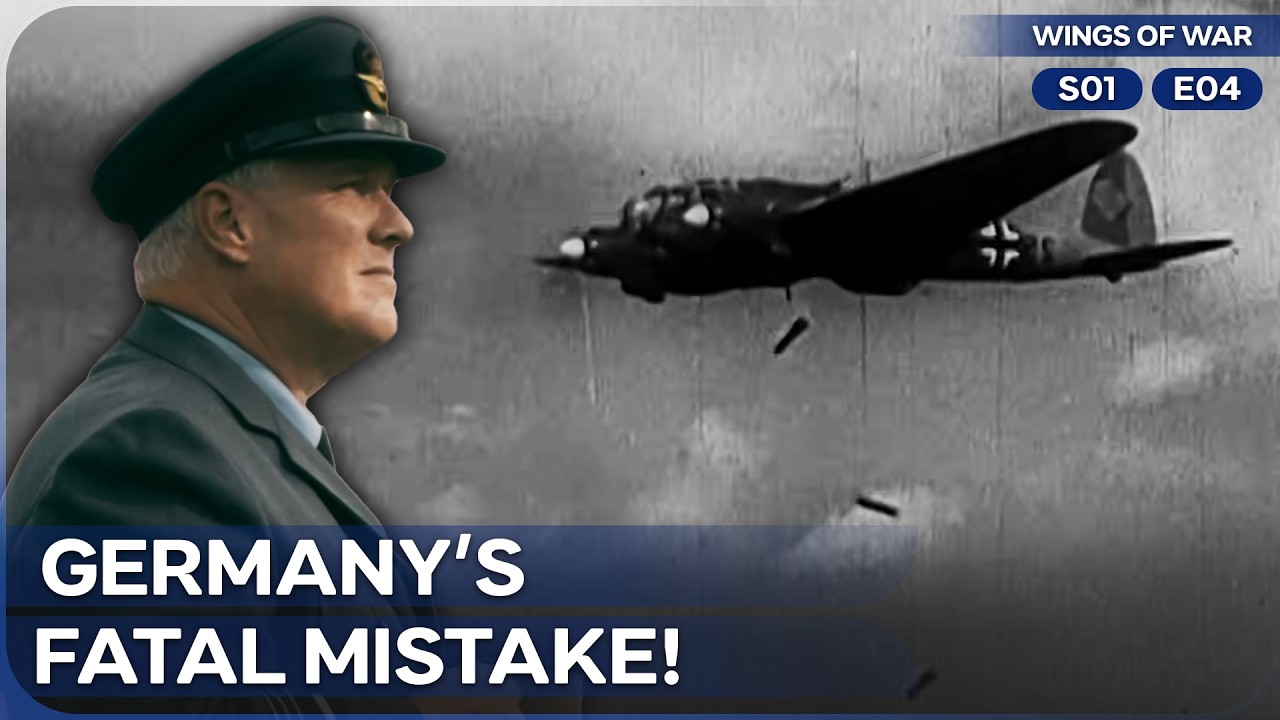
More than 4,000 men and women work to convert military aircraft into commercial airliners after World War II.
Donald J Trump and Hillary Clinton engage in a fierce political battle that divides the nation and impacts global dynamics during the 2016 election.
May 30, 2022 marks the 100th anniversary of the Lincoln Memorial's dedication, celebrated with a reading by author Linda Booth Sweeney.
America's public lands encompass approximately 614 million acres, representing 25% of the nation's soil and raising ongoing debates about their use and protection.
An enormous ancient boat-shaped object, partially buried at 6,300 feet above sea level, has led to claims that it may be the remains of Noah's Ark.
In the lead-up to D-Day, biologists JBS Haldane and Dr. Helen Spurway led a team of scientists conducting perilous underwater experiments that advanced Allied reconnaissance.
Elizabeth Zaroubin, a Soviet spy, played a crucial role in the USSR's acquisition of atomic bomb secrets from the Manhattan Project, surprising the world in 1949.
More than 75,000 people attended Marian Anderson's concert at the Lincoln Memorial on April 9, 1939, after she was denied a performance at Constitution Hall.
A mob war in New York during the 1920s over artichokes is linked to the wrongful execution of an innocent man, highlighting overlooked historical events.
Piracy during the Golden Age (1650-1730) is examined through figures like Blackbeard and Bartholomew Roberts, revealing its complex socio-political contexts.
Matthew Henson was born on August 8, 1866, in Edgewood, Maryland, and became the co-discoverer of the North Pole in 1909 alongside Robert E. Peary.
In the decades following the Civil War, Americans experienced intense political strife marked by high voter turnout and violent elections as they sought to reform their democracy.
A group of 1,500 hibakusha from Japan traveled to New York in June 1982 to share their experiences during peace demonstrations at the United Nations.
Rod Ferrell, a teenager obsessed with vampire culture, shocked the nation by pleading guilty to a brutal double murder during his trial in 1996.
Dozens of enslaved men from southern Maryland attempted to escape to Pennsylvania during the Fourth of July weekend, but most were captured or killed.
Charles Manson's death penalty was overturned in California, allowing him and his followers to seek parole after the infamous Helter Skelter murders.
Freedom in America evolves through pivotal moments, including the Wright brothers' innovation, women's suffrage, and the societal shifts of the roaring twenties.
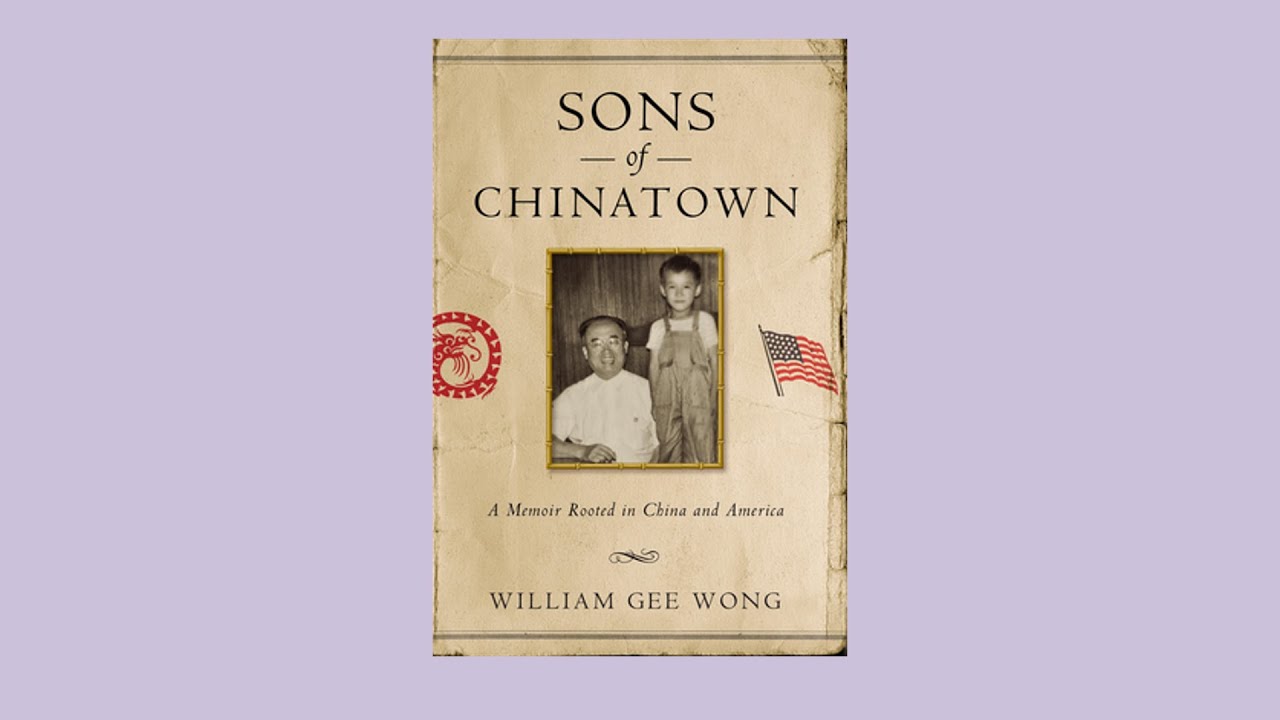
William Gee Wong began his family history project in 2011 to commemorate the 100th anniversary of his father's arrival in America in 1912.
Zahed Haftlang, an Iranian boy, and Najah Aboud, an Iraqi conscript, form an unbreakable bond after Zahed saves Najah during the Iran-Iraq war.
X-Rays, accidentally invented by Wilhelm Conrad Röntgen in 1895, transformed medicine by enabling non-invasive visualization of the human body.
Footage from 2003 captures the vibrant landscapes, diverse cultures, and significant events that define South Africa's rich history and contemporary life.
On October 16, 1984, the murder of four-year-old Grégory Villemin in Lépanges, France, sparked a media frenzy and divided public opinion over the potential culprits.
In Kippenheim, Germany, Jewish villagers faced a dire struggle for American visas during the Nazi regime, with only one in four escaping to safety.
4,000 years of history shape Jerusalem as architects plan its redevelopment to meet modern needs while balancing tradition and growth.
Military bomber aircraft, from the Avro Lancaster to the B-52 Stratofortress, have significantly influenced warfare strategies and historical conflicts.
The moon's influence on Earth shapes natural phenomena, cultural celebrations, and human experiences, revealing its profound impact on life and history.
In Homs, children like eleven-year-old Yahya and five-year-old Malek navigate the trauma of war, facing loss and fear amid ongoing conflict in Syria.
NASA conducts experiments in the Atacama Desert to explore the potential for life on Mars, featuring insights from a Uruguayan physicist and a Colombian astronaut.
Rosa Parks was arrested on December 5, 1955, for refusing to give up her bus seat to a white passenger in Montgomery, Alabama.
Nellie Bly, an American journalist known for her undercover reporting and her attempt to travel around the world in 80 days, is portrayed by Ava Prickman from History at Play, Inc.!
Vanuatu has been a steadfast advocate for West Papuan independence, facing pressure from Indonesia to alter its supportive stance amid rising political tensions.
In 1936, Berlin hosted the Olympics under Nazi rule, showcasing a grand spectacle that masked the regime's oppressive policies, including the exclusion of Jewish athletes.
German emigration in the 19th century led over one million individuals to the USA and Brazil, where their legacy was complicated by World War I and Nazi affiliations.
The 1927 aerial survey expedition to Hudson Strait involved 22 military personnel and 22 civilians, who conducted 227 patrols and took over 2,000 photographs.
350 million people in China live in severe poverty, struggling in remote rural areas while the government attempts to conceal their plight from the world.
Freedom in America evolves through pivotal events like the Great Depression, World War II, and the New Deal, highlighting the ongoing struggle for rights and justice.
Genetic research and DNA analysis reveal how nations construct narratives about their historical connections to ancient peoples and ancestral lineages.
Controversial theories and suppressed historical events are examined through expert interviews and investigations in Jamie Theakston's exploration of alternative history.
In Civil War-era Washington, DC, women entered the federal workforce for the first time, overcoming discrimination to secure permanent positions.
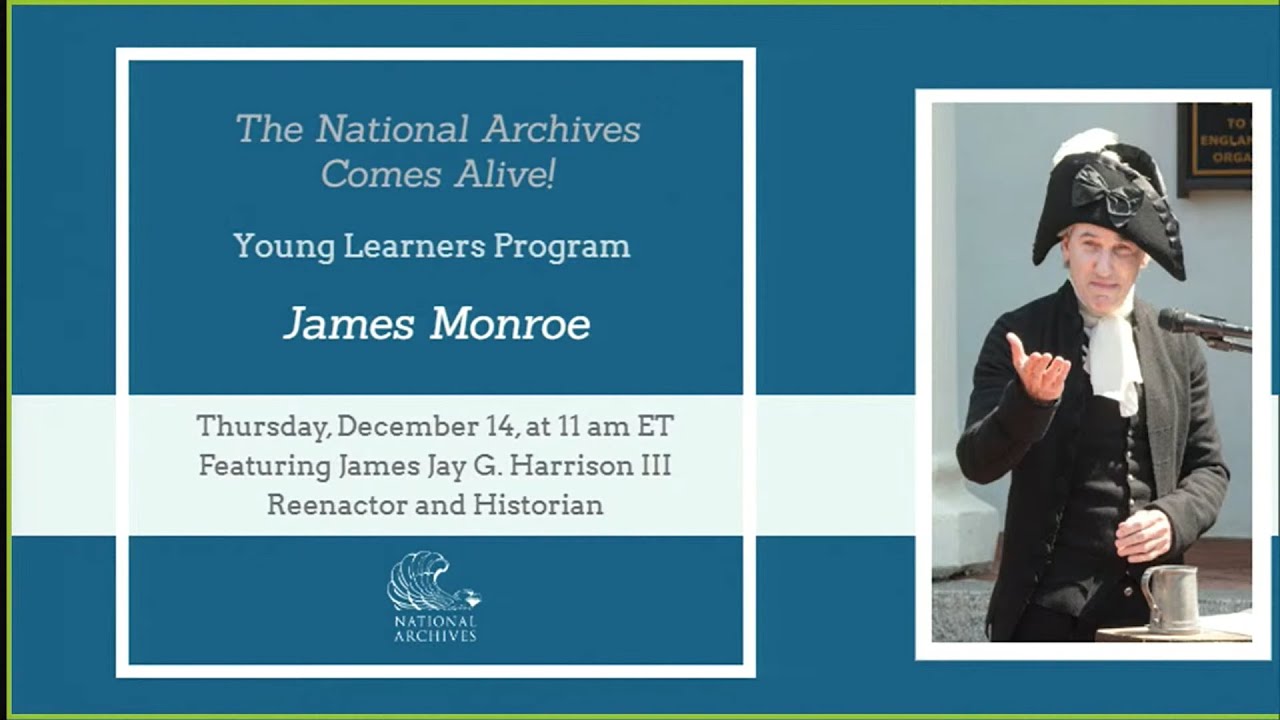
James Monroe, a founding father and U.S. diplomat, is portrayed by educator James “Jay” G. Harrison III, highlighting his role in drafting the enduring Monroe Doctrine.
Betsy Ross, a pivotal figure in American history, discusses the design, origins, and significance of the stars and stripes flag.