From over 100,000 films, discover the handful you'll love.
Free or premium access to the world's largest documentary library.
22463 films(Page 55 of 468)
Adolf Hitler is regarded as responsible for the deaths of upwards of 50 million people during World War II and the Holocaust.
In 1500, during the reign of Henry VII, lay-folk on monastic lands faced grueling agricultural and crafting tasks, as explored by a team of historians.
At 12:35 PM on July 20, 1944, Colonel Klaus von Stauffenberg entered a conference room at Hitler's headquarters to carry out an assassination attempt.
Excavation near Whitestaunton Manor reveals a Roman bath house in Somerset's Blackdown Hills.
In East Sussex, archaeologists investigate a fortified Roman settlement, an 8,000-year-old submerged Mesolithic town off the Isle of Wight, and Iron Age burials near Dorchester.
Adolf Hitler's 12 years in power resulted in tens of millions of deaths and marked one of the most destructive periods in human history.
Shah Mohammad Reza Pahlavi's reign in Iran is examined through his modernization efforts and the subsequent human rights violations that fueled the 1979 Islamic Revolution.
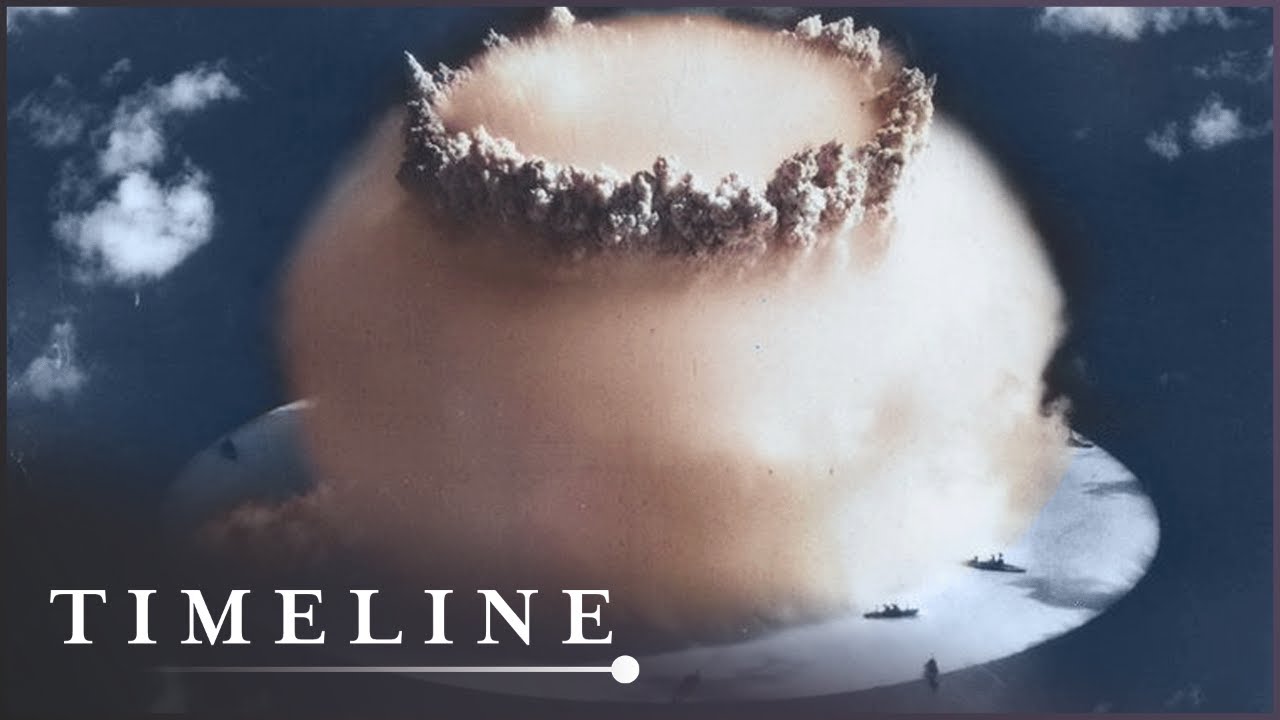
On July 16, 1945, the Trinity test in New Mexico detonated the first atomic bomb, leading to a surge in UFO sightings near military bases.
Dinmore Hill spans 40 acres and may be one of the largest Iron Age hill forts in Britain, as suggested by recent archaeological findings.
By the time the railway was finished, only 400 of the original 1,700 prisoners of war remained alive to tell their stories.
In World War II, Allied pilots reported mysterious aerial phenomena known as Foo Fighters, alongside stories of secret British operations and unexplained mass graves.
Karl Dönitz joined the German navy in 1910 at the age of 18, rising through the ranks to become a key naval commander during World War II.
In a Surrey field, six hundred Roman coins and other artifacts lead archaeologists to investigate the potential existence of an ancient Roman temple.
Medieval historian Matt Lewis examines the logistical hurdles faced by leaders during the First Crusade, highlighting strategies that led to the conquest of Jerusalem.
The USS Zumwalt showcases advanced stealth technology in the global naval arms race.
88,000 residents of Fort McMurray, Alberta, were forced to evacuate as a massive wildfire engulfed the city on May 3, 2016.
Mammoths, once abundant across the globe, adapted to the Ice Age's harsh conditions, with expert Dick Mol tracing their origins and uncovering fossils worldwide.
In 1945, Allied bombing raids on Berlin aimed to break German morale, featuring rare archive footage and testimonies from civilians who endured the attacks.
H.M.S. Duncan is deployed to the Straits of Hormuz to rescue the crew of the British tanker Stena Impero, held hostage by Iranian forces.
In the Sussex Downs, a team of archaeologists, including Miles Russell and Sue Hamilton, investigates a potential Neolithic settlement with ancient flint mines.
Sir Winston Churchill's impactful speeches during World War II and his complex relationship with Queen Elizabeth II shaped British leadership in the mid-20th century.
The final confrontation between Toyotomi Hideyoshi and Hojo Ujimasa marks a pivotal moment in the campaign to unify Japan over the Kanto region.
By 1112, Tancred had expanded Antioch to its greatest territorial extent, making it the strongest of the Crusader States before his untimely death.
In the orchards of Kent, Time Team investigates the potential sites of the lost Anglo-Saxon palace of Eastry, digging the longest trench in the show's history.
Fukushima's 2011 disaster prompted a global reevaluation of nuclear safety, highlighting risks and alternatives, particularly at the Indian Point plant near Manhattan.
As many as 70,000 people were killed instantly by the atomic bomb dropped on Hiroshima on August 6, 1945, marking the start of the Cold War.
In 1703, 47 samurai commandos secretly planned to kill Lord Kira Yoshinaka in a quest for revenge after their master was insulted.
US Special Operations teams conduct a high-stakes mission to locate Luttrell, the only survivor of a deadly Taliban ambush in Afghanistan.
Personal ordnance has evolved from simple mortar launchers to advanced handheld and underbarrel grenade launchers throughout military history.
In the summer of 1944, the U.S.S. Flier and U.S.S. Robalo sank in the Philippines, leading a team of Dive Detectives to investigate their mysterious losses.
One narrow gauge steam railway remains operational in a mountainous region of Sichuan, where no roads or cars exist.
Oleg Penkovsky's espionage during the Cuban missile crisis helps avert nuclear war.
Between 1904 and 1908, more than 880,000 Herero and Nama were systematically killed by German soldiers during the first genocide of the 20th century.
The Federal Bureau of Investigation's crime laboratory showcases its most remarkable cases, including high-profile investigations like the Unabomber and the World Trade Center.
James May reassembles the 1963 Dansette Bermuda record player this week in his workshop.
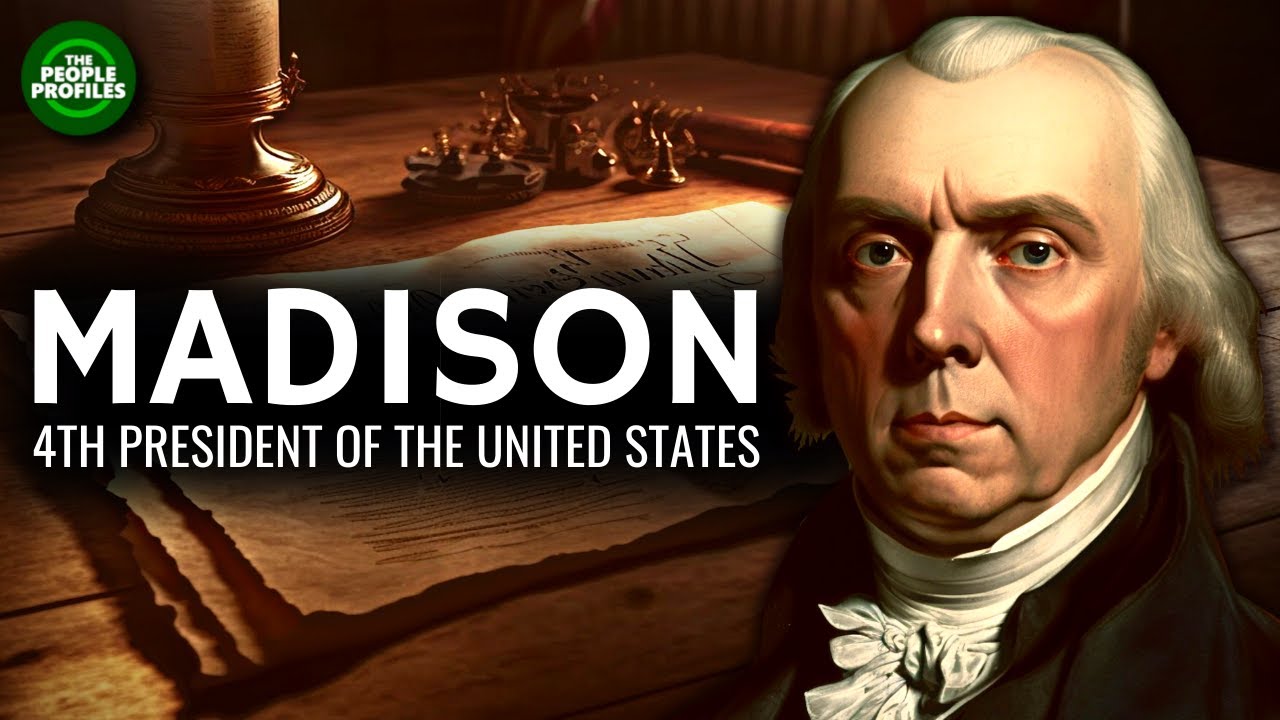
James Madison was born on March 16, 1751, at Belle Grove Plantation near Port Conway, Virginia, into a family of wealthy tobacco planters.
Christopher Doyle narrates rare films showcasing life in pre-WW2 Republic of China.
Hannibal Barca, a legendary Carthaginian general, achieved remarkable victories against Rome, solidifying his status as one of antiquity's greatest military leaders.
The age of steam in Canada ended between 1955 and 1961, marking the transition from coal-burning locomotives to diesel engines.
Over 200,000 North Korean troops launched a surprise attack on South Korea on June 25, 1950, marking the beginning of the Korean War.
On July 4, 1776, the Second Continental Congress ratified the Declaration of Independence, a document authored by Thomas Jefferson.
Approximately 13.8 billion years ago, the Big Bang marked the birth of the universe, giving rise to space, time, energy, and matter.
Elizabeth I, Lady Jane Grey, and Empress Matilda are among the notable queens explored to determine who was the first ruling queen of England.
Beadnell's promontory, linked to Saint Ebbe, is excavated to investigate its potential Viking or Iron Age earthworks alongside a 13th-century chapel.
Hitler's decisions during the Battle of Britain and Operation Barbarossa lead to major defeats.
In Rockwall, Texas, forensic geologist Scott Walter investigates a massive underground stone structure that has sparked debate over its origins for over 150 years.
In Gatesville, Texas, Erin Caffey, at 16, orchestrated the murder of her family, leading to her life sentence and sparking debates on culpability and influence.
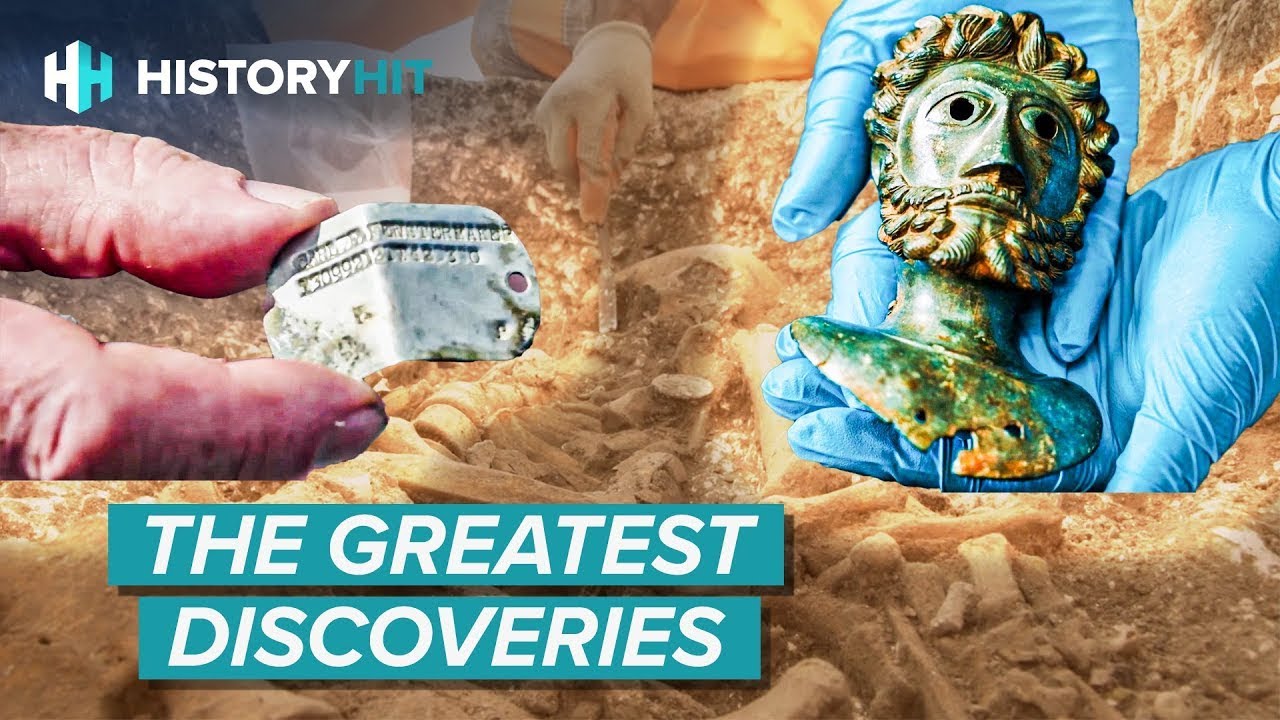
Recent archaeological finds across Europe reveal significant discoveries, including a 5,000-year-old chalk cylinder and rare artifacts from the Battle of Waterloo.