From over 100,000 films, discover the handful you'll love.
Free or premium access to the world's largest documentary library.
22463 films(Page 199 of 468)
Frederick Douglass, a fugitive slave, declared that "power concedes nothing without a demand" in his fight for civil rights in 19th-century America.
Queen Elizabeth II's passing prompted a global outpouring of grief, marked by solemn processions in London and the transition of the crown to King Charles III.
Die Troika, ein wirtschaftliches Kontrollorgan der EU und des IWF, hat während der griechischen Schuldenkrise massive Macht über Krisenstaaten erlangt.
Mark Antony's life, marked by his political maneuvers in Rome and his tumultuous relationship with Cleopatra VII, culminates in the War of Actium and his eventual defeat.
French high-speed trains, known as TGV, showcase advanced engineering and technology, achieving record speeds while addressing environmental concerns.
Stalin's rise to power in the Soviet Union, marked by the Red Army's formation, the Battle of Stalingrad, and the 1979 invasion of Afghanistan, reshaped global dynamics.
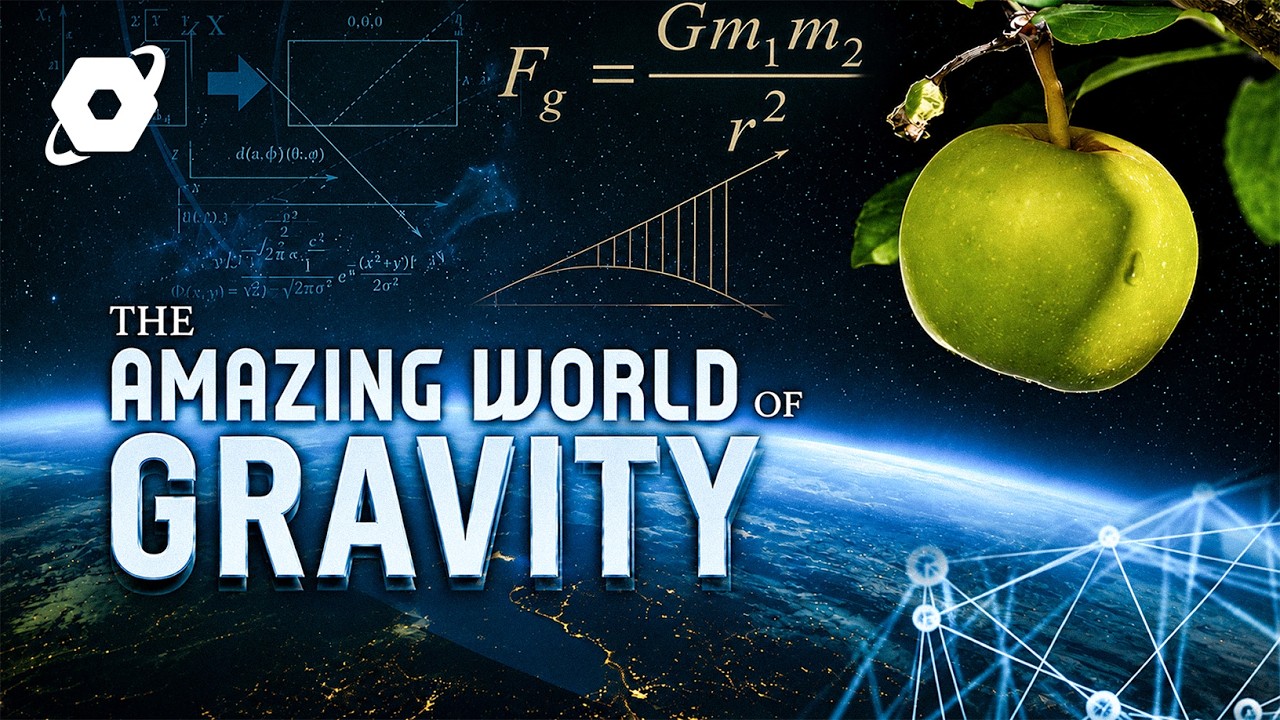
Astrophysicist Jim Al-Khalili examines gravity's role in the cosmos, from Newton's laws to Einstein's theory of relativity and its impact on black holes.
17 aircraft were downed by the Red Baron in March and April 1918, marking a significant moment in early aviation history.
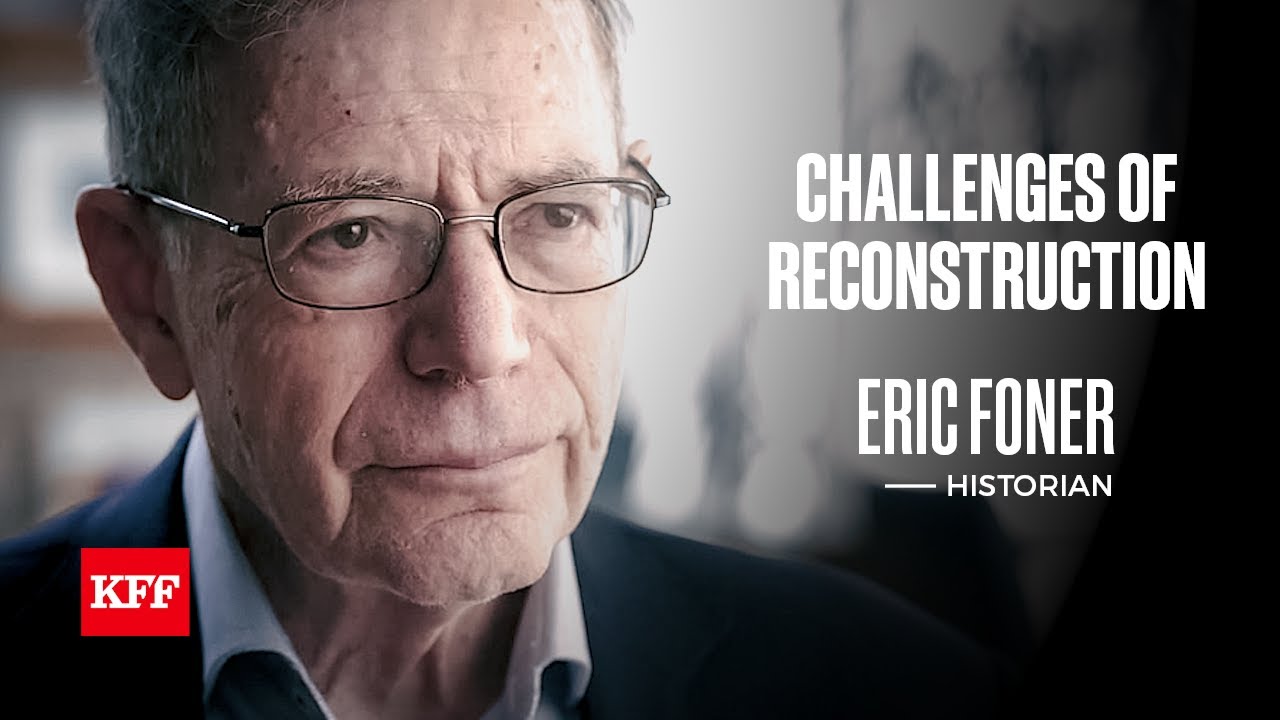
Historian Eric Foner discusses the significance of the four slave states that remained in the Union during the Civil War and the complexities surrounding Abraham Lincoln's evolving views on slavery and Reconstruction.
A quarter was thrown on the table to buy milk after a father returned from a failed attempt to earn money during the Great Depression.
In Louisiana swamps, Troy Landry collaborates with local experts to confront the threat posed by an invasive species known as the swamp shark.
Freemasonry, a society steeped in tradition and secrecy for 300 years, is explored through unprecedented access to the United Grand Lodge of England.
Total War during World War II blurred the lines between combatants and civilians, tracing its origins from Carl von Clausewitz's theories to inter-war realities.
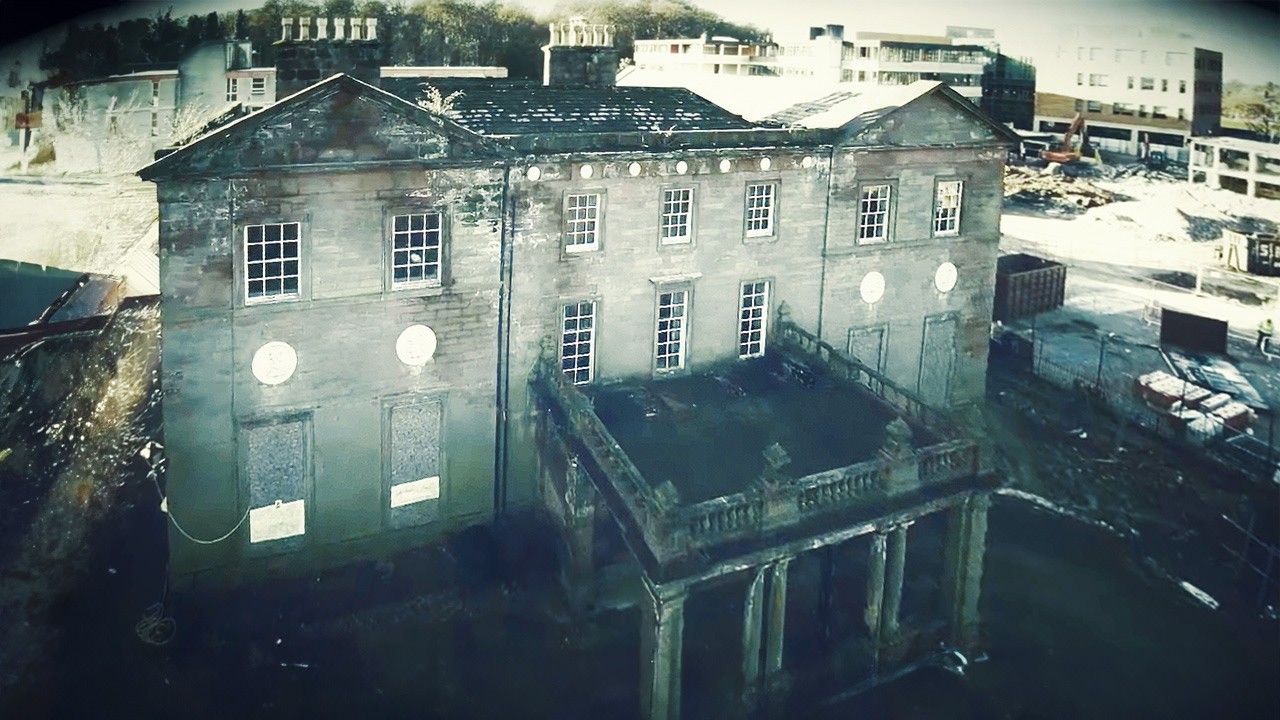
A psychic claims to have seen a woman dressed in black during an investigation at Woolton Hall, a mansion with a history dating back to the 12th century.
Raymond "Ray Chuck" Bennett, known for the "Great Bookie Robbery" at the Australian Jockey Club, was an armed robber who took on high-risk heists.
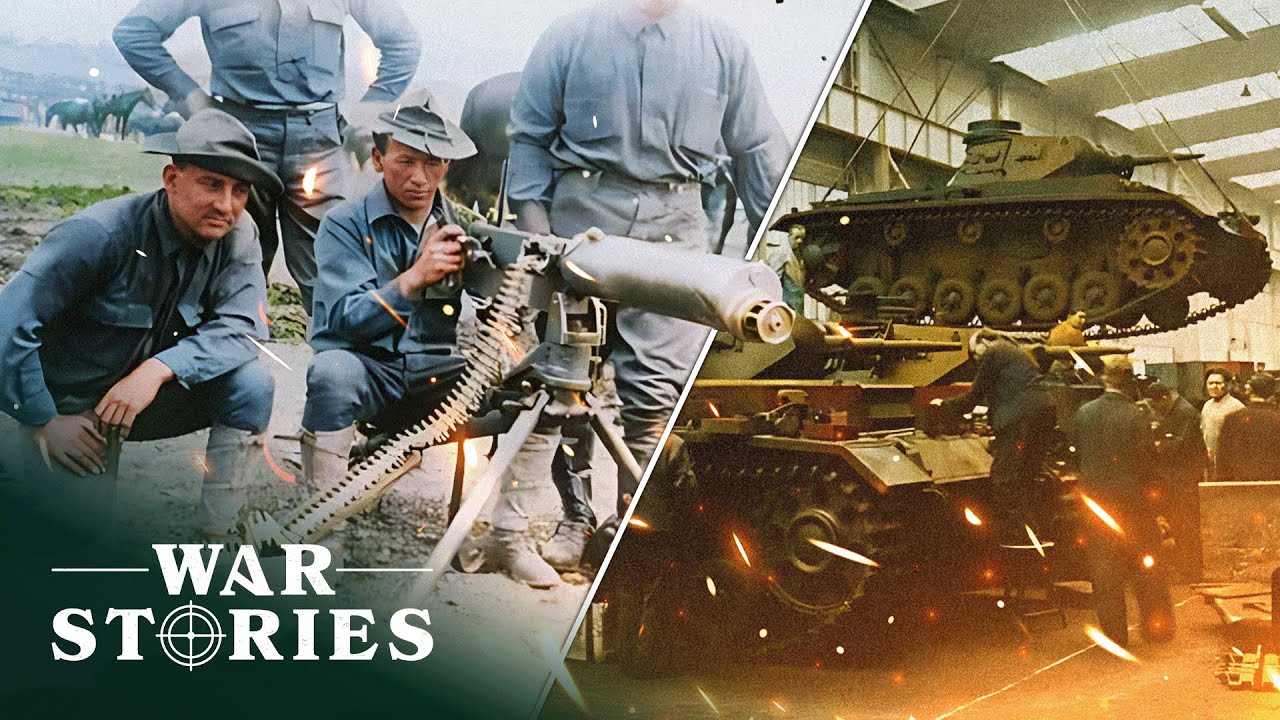
The history of the machine gun, General Motors' involvement with Nazi Germany, and Ferdinand Porsche's World War II tanks are examined in detail.
The British Royal Family faces challenges in maintaining its relevance and public image following the transition of power to King Charles III and the evolving roles of Prince William and Prince George.
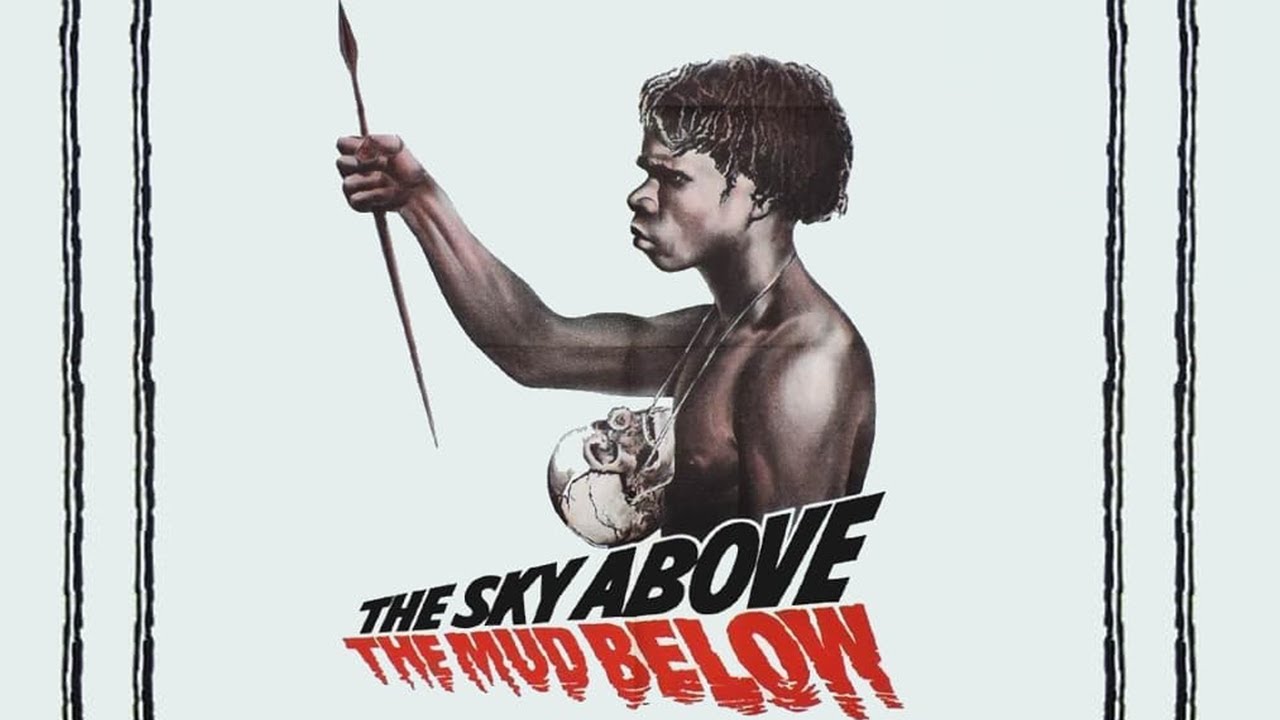
In 1959, six European explorers traveled to Dutch New Guinea, where they engaged with local villagers and observed their cultural rituals and daily life.
Land's End, a remote location in Cornwall, England, is explored for its ancient structures, mystical legends, and unexplained phenomena that intrigue historians.
Roger Milliss, Michael Hyde, Gary Foley, and Frank Hardy confront their ASIO intelligence files, revealing the impact of government surveillance on dissent in Australia.
Moons in our solar system range from Earth's Moon, shaped by catastrophic impacts, to Europa's hidden oceans and Io's volcanic activity, revealing their dynamic nature.
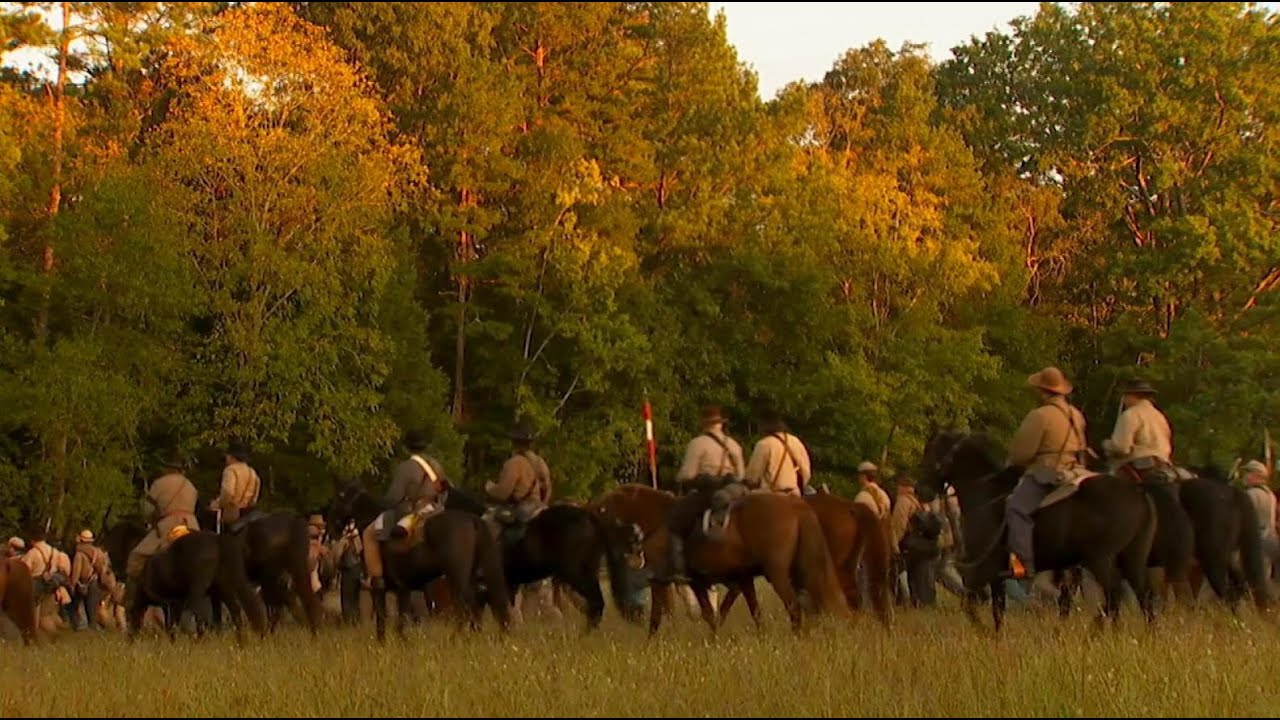
One month before General Lee's surrender, a crowd gathered in Washington, D.C. for President Abraham Lincoln's second inauguration.
Raton, a member of the Malos caste, continues the rare tradition of otter fishing in the Sundarbans, raising domesticated otters that serve as vital companions and guardians.
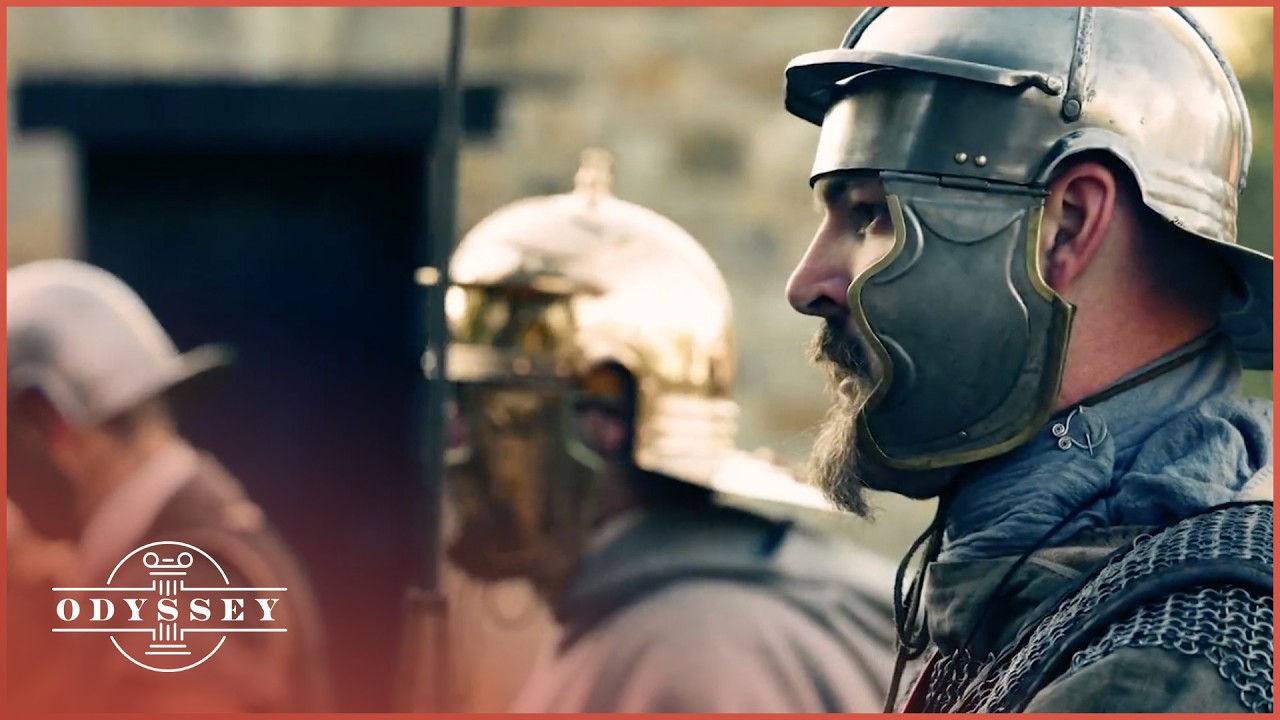
Daily life in the Roman army reveals a complex reality of soldiers who were not merely disciplined warriors but also individuals shaped by their experiences and environment.
The Battle of the Bulge reached a critical juncture in December 1944, marked by the defense of Bastogne and the stand at the Meuse River.
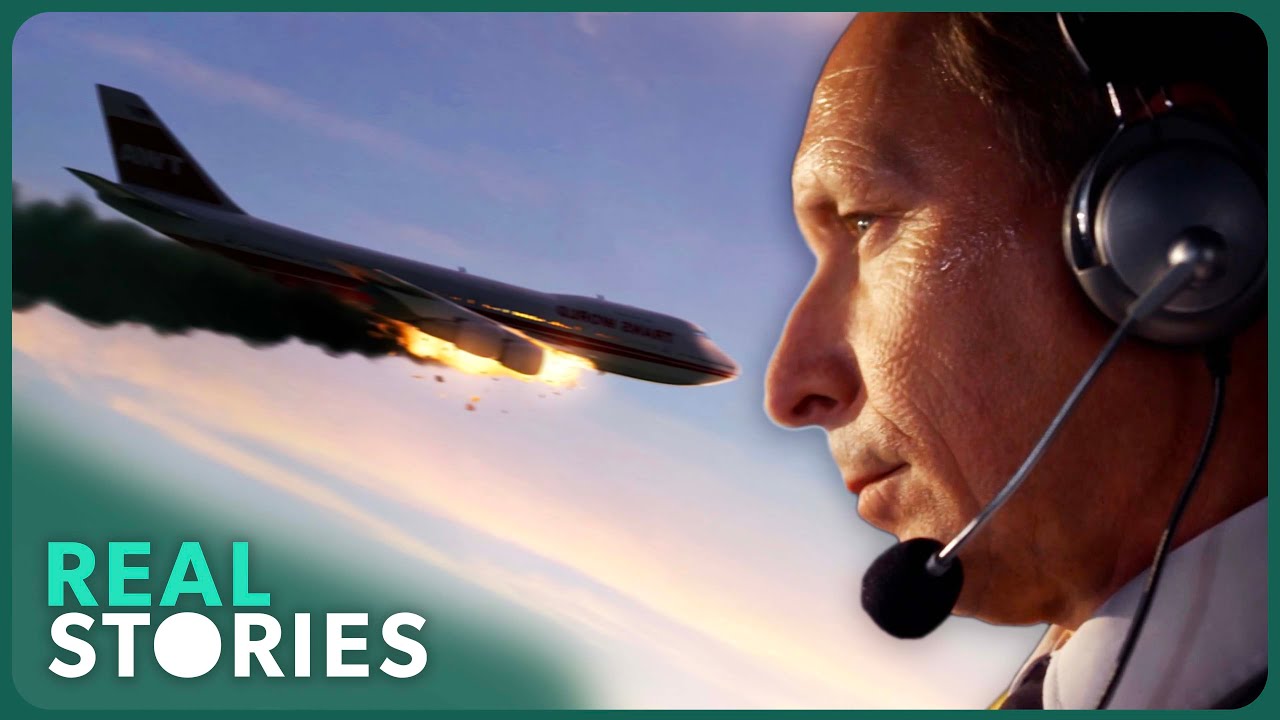
Deadly plane crashes are examined through cockpit recordings, expert analysis, and survivor accounts, revealing the critical mistakes that reshaped aviation safety.
Bamboo forests and tea fields in Japan showcase the artistry and cultural significance of these natural landscapes through the eyes of dedicated guardians and artisans.
In 1921 at the University of Toronto, Dr.
Egypt's Sahara Desert, with its shifting dunes, captivates through the experiences of Dr. Mansour, Youeel, and Fenouil, showcasing life in this unique landscape.
Allied strategic bombing campaigns against German cities like Hamburg in 1943 are examined alongside the militarization of youth through the Hitler Youth.
The Royal Aircraft Establishment in Farnborough was a global center of aviation research for over a century, influencing aircraft development and technology.
Nicolas Kazakov and his fellow factory workers reflect on their experiences during the early years of communism in the Soviet Union, revealing the stark contrasts between innocence and guilt amid political turmoil.
Princess Margaret's marriage to Antony Armstrong-Jones in 1960 marked a significant shift in royal traditions, as she became the first British royal to marry a commoner in 400 years.
Carlos Ghosn, sent by Renault, led the Nissan Revival Plan in 1999, transforming the struggling automaker and becoming its first foreign CEO.
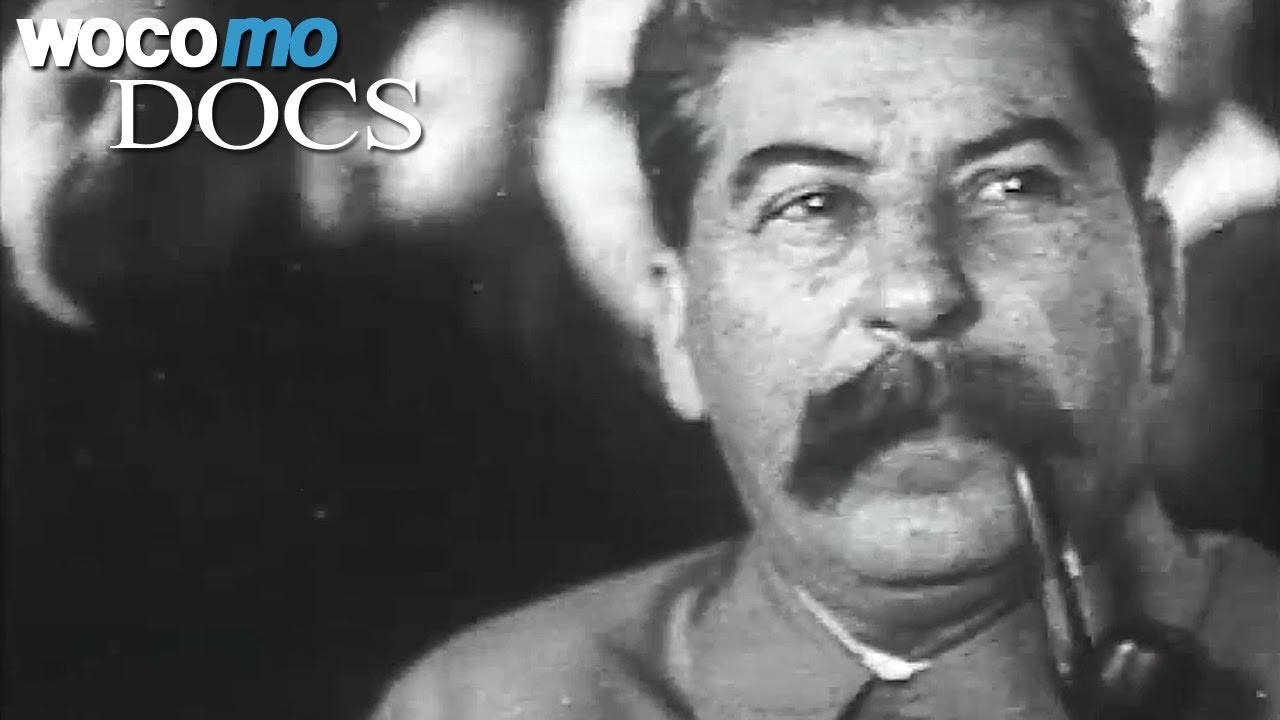
Joseph Stalin, born into poverty in the Czarist Russian Empire, rose to power in the Soviet Union through terror, famine, and execution, resulting in millions of deaths.
The 1920s aviation boom, fueled by advancements in aircraft technology post-WWI, revolutionizes global travel and communication through commercial air services.
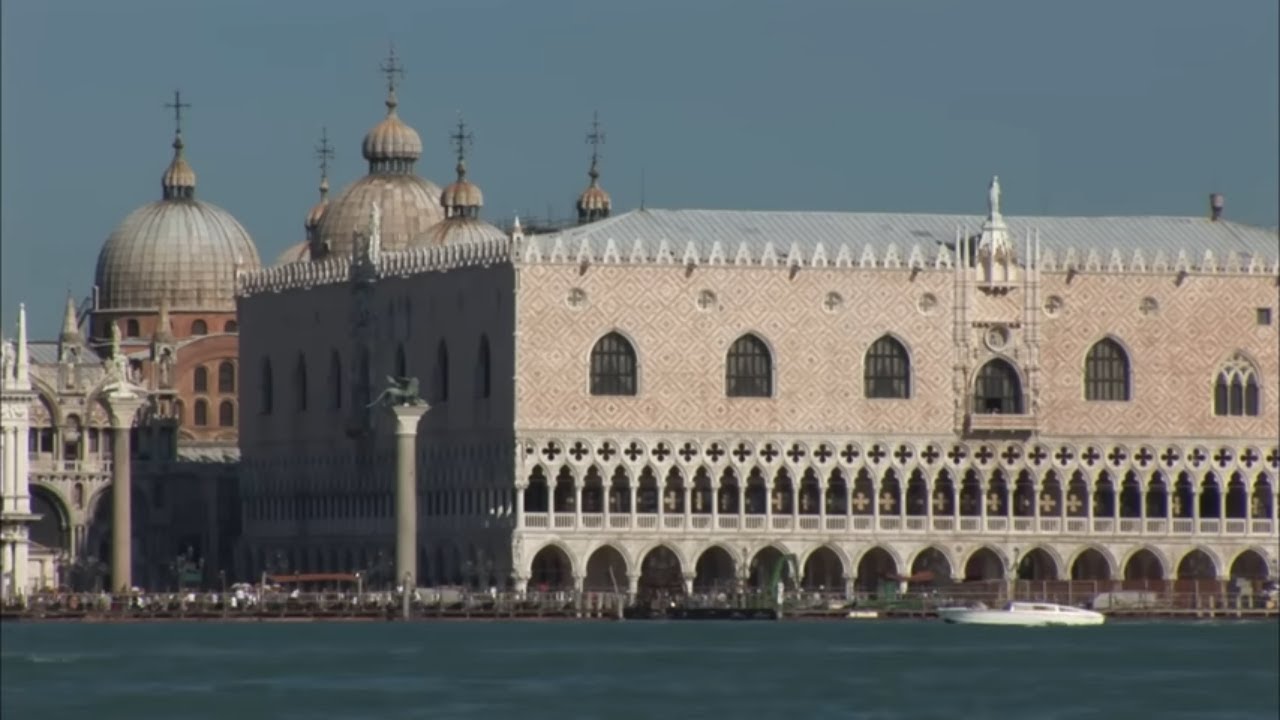
The largest painting in the world, Tintoretto's "Glory to Paradise," measures nearly 25 meters long and 10 meters high, displayed in the Doge's Palace.
Far-right parties in Europe have gained significant electoral success, promoting xenophobia and authoritarianism while challenging previously settled social issues.
Iconic mega structures like the Great Wall of China and the Pyramids of Giza showcase remarkable ancient engineering and construction techniques.
In 1731, Empress Maria Theresa commissioned her physician Gerard van Swieten to investigate reports of vampirism in the Habsburg territories, leading to a historical examination of the phenomenon.
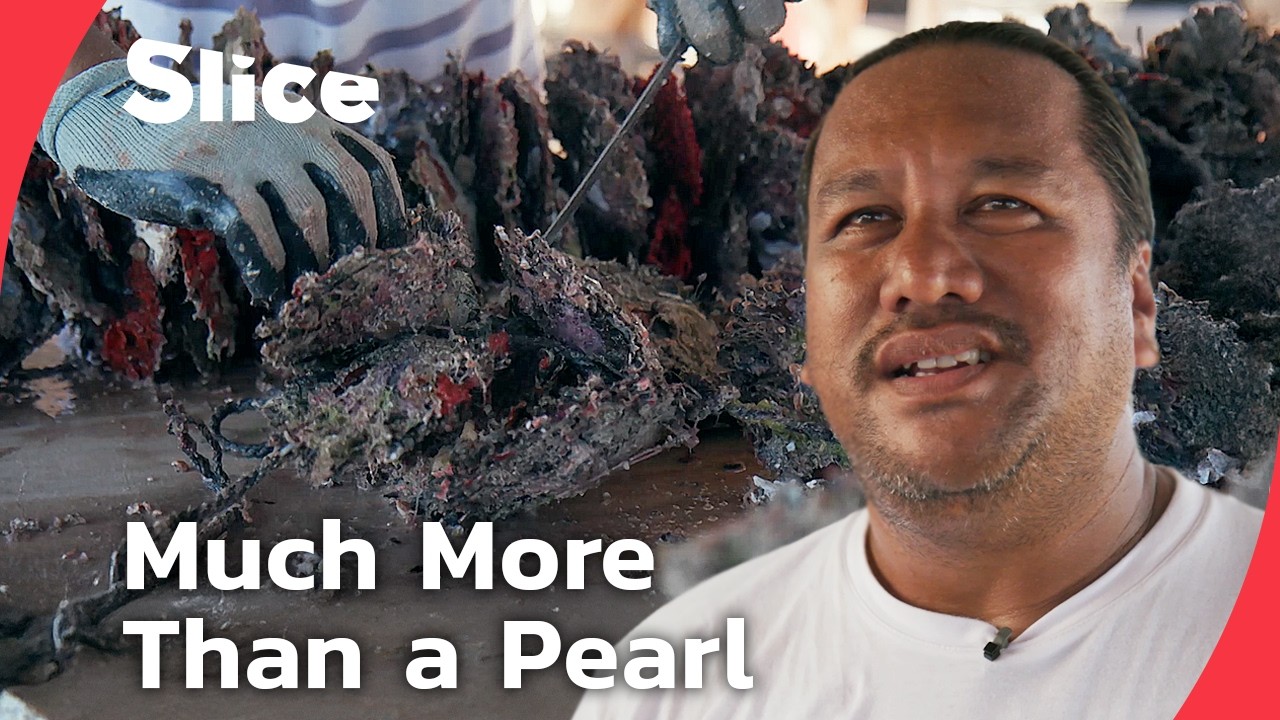
Tahiti's black pearl, a vital symbol of cultural identity, faces modern challenges as producers strive to balance tradition with sustainability in a changing ecosystem.
In Mustang, horses symbolize status and survival, with the Ta Peshala pact ensuring families maintain dignity and community ties through shared ownership.
Tens of thousands gather at St. Peter's Basilica on May 16, 1920, to celebrate Joan of Arc's canonization nearly 500 years after her death.
A fortune of $33 million in gold bullion lies buried in the Rocky Mountains, rumored to be protected by a deadly curse that has thwarted treasure hunters for 200 years.
Baracoa, Cuba, along with the Roman Baths in Rome, Mahabalipuram Temple in South India, and Yosemite National Park in California, showcases seven wonders of the world.
RAF Bentwaters was the last British airbase activated during World War II, serving as a key Cold War site for over 40 years.
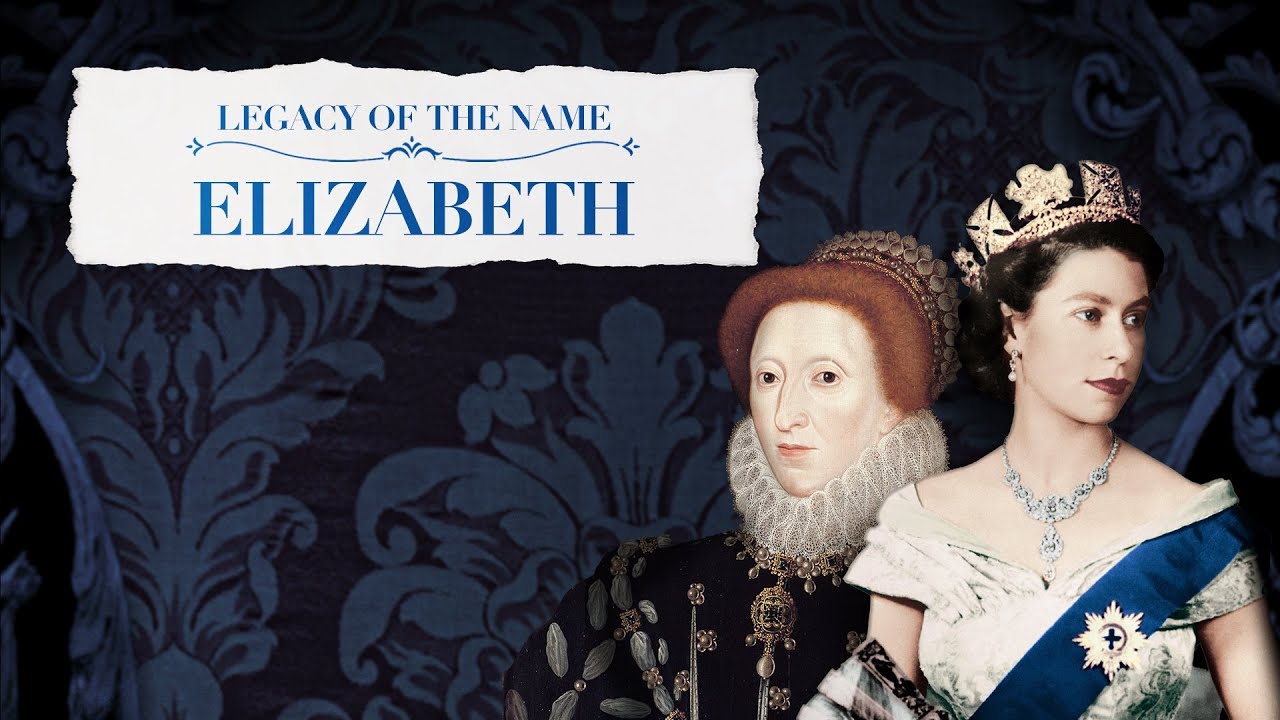
Elizabeth I and Elizabeth II, two pivotal figures in British history, are examined for the significance and implications of their shared name and legacy.
Lille, a city in northern France, showcases revolutionary architectural feats such as the Citadel of Vauban, the Vieille Bourse, and the Town Hall Belfry.