From over 100,000 films, discover the handful you'll love.
Free or premium access to the world's largest documentary library.
22463 films(Page 21 of 468)
Eskimos and Inuit in Northern Alaska rely on a single hunting trip each year to sustain their community, highlighting their resilience in a harsh environment.
Istanbul served as a Roman capital for over 1,000 years, evolving through various names and cultures before becoming a modern metropolis.
Three numbers-mass, electric charge, and angular momentum-are all that is needed to define a black hole, regardless of its size or origin.
1657 marked the arrival of Portuguese colonizers in Mozambique, initiating a long history of resource exploitation in Africa.
At its peak, the British Empire was valued at over $600 billion and controlled a quarter of the planet's land and population.
Turkmenistan, ruled by the Berdymukhamedov family, showcases a lavish capital filled with absurd rules while masking a brutal regime that suppresses dissent.
Three and a half thousand years ago, a tightly packed community thrived in a village on Luxor's west bank, revealing the lives of ordinary ancient Egyptians.
Over 6,000 people worked at the Los Alamos Laboratory on the Manhattan Project, where Robert Oppenheimer led the development of the atomic bomb.
In late 1924, Salvador Dali returns to school after a suspension and a brief prison stint, marking the beginning of the Surrealist Movement.
American troops discovered a vast horde of secret Nazi files in a cave in central Germany, revealing Heinrich Himmler's obsession with the Aryan 'master race'.
Atletico Madrid and Real Madrid's rivalry is explored through key figures like José Mourinho and the Galacticos era, culminating in the 2014 Champions League final.
Mercenaries in Sierra Leone, allegedly supporting the government against RUF rebels, may be primarily motivated by the lucrative blood diamond trade.
Historic shipwrecks, including paddle steamers and WWII remnants, lie in British rivers, revealing insights into the nation's maritime heritage.
Cyprus became a battleground in the 1950s and 60s, as Greek Cypriots, Turkish Cypriots, and the British Empire clashed over independence and national identity.
Faith in Oklahoma faces challenges as progressive voices advocate for social justice and LGBTQ+ rights, redefining Christianity in a conservative landscape.
3 million Armenians live in their homeland, while 10 million are part of a global diaspora across 120 countries.
The rise of ISIS is examined through the lens of missed warnings and critical decisions made by the U.S. in the years leading up to its formation.
In the summer of 1665, over 4,000 people died in London in just one night as the Great Plague swept through the city.
The Great Plains, rich in pre-Columbian history, showcase diverse cultures and interactions that flourished over ten thousand years.
Joe Biden's decision to end his reelection bid in 2024 reflects a lifetime of personal and political challenges, shaping his legacy in U.S. politics.
On 26 September 1983, Stanislav Petrov, the command officer at Russia's main nuclear command post, faced a false alarm of five incoming U.S. missiles.
Skeletons from the Battle of Towton reveal the brutal injuries inflicted by medieval weapons, shedding light on the violence of this pivotal conflict in English history.
Espionage escalates in 1947 as the CIA emerges to counter Stalin's influence, marking a pivotal moment in the Cold War's intelligence battles.
Japan's attack on Pearl Harbor in December 1941 compelled the United States to enter World War II, significantly altering the course of global history.
Nine-year-old Jennet Device testifies against her family in 1612, leading to the execution of ten people in one of Britain's most infamous witch trials.
Australia's Black Summer wildfires devastated communities in late 2019, prompting residents to take relief efforts into their own hands amidst the destruction.
Ancient and historic trades are explored as Kyle Cairns attempts five forgotten jobs, evaluating their skills, challenges, and societal impact.
The Arthurian legend, shaped by 12th-century cultural clashes, reflects the evolving ideals of kingship in medieval England, as explored by historian Matt Lewis.
1946 marks a pivotal year as liberal democracy confronts internal and external challenges, prompting a reevaluation of universal human rights amidst global upheaval.
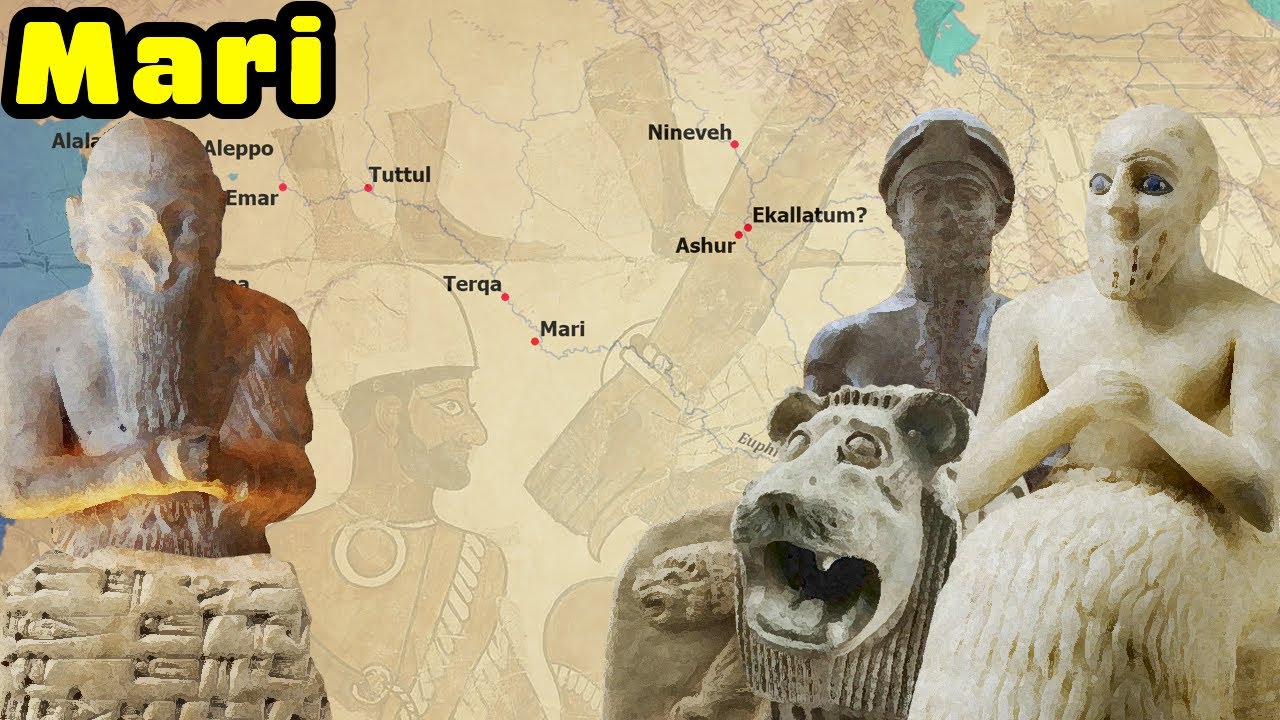
Mari, an influential city of the ancient world during the Bronze Age, thrived in what is now northeastern Syria, showcasing immense wealth and power.
The evolution of British castles, from early hill forts to grand stone fortresses, reveals a complex history shaped by warfare, architecture, and culture.
Donald Trump's presidency is examined for its role in fostering division, violence, and insurrection, culminating in the January 6 Capitol attack.
In 407, the last Roman troops left Britain, marking the beginning of a period that Francis Pryor argues was not one of chaos but of cultural strength and diversity.
The Battle of Algiers highlights how France's military response to Algerian independence efforts destabilized the French Republic and led to political collapse.
The 1949 armistice talks in Rhodes marked a pivotal moment in the Arab-Israeli War, redrawing borders and leaving key issues unresolved.
In July 2021, China celebrated the 100th anniversary of the Chinese Communist Party, marking Xi Jinping's rise as one of the most powerful leaders since Mao Zedong.
Activists recount their experiences of interception and alleged abuse by the Israeli Navy while attempting to deliver aid to Gaza, highlighting ongoing resistance efforts.
Viking warriors transformed into the formidable Norman kings of medieval Europe, shaping history with their conquests and establishing the Duchy of Normandy.
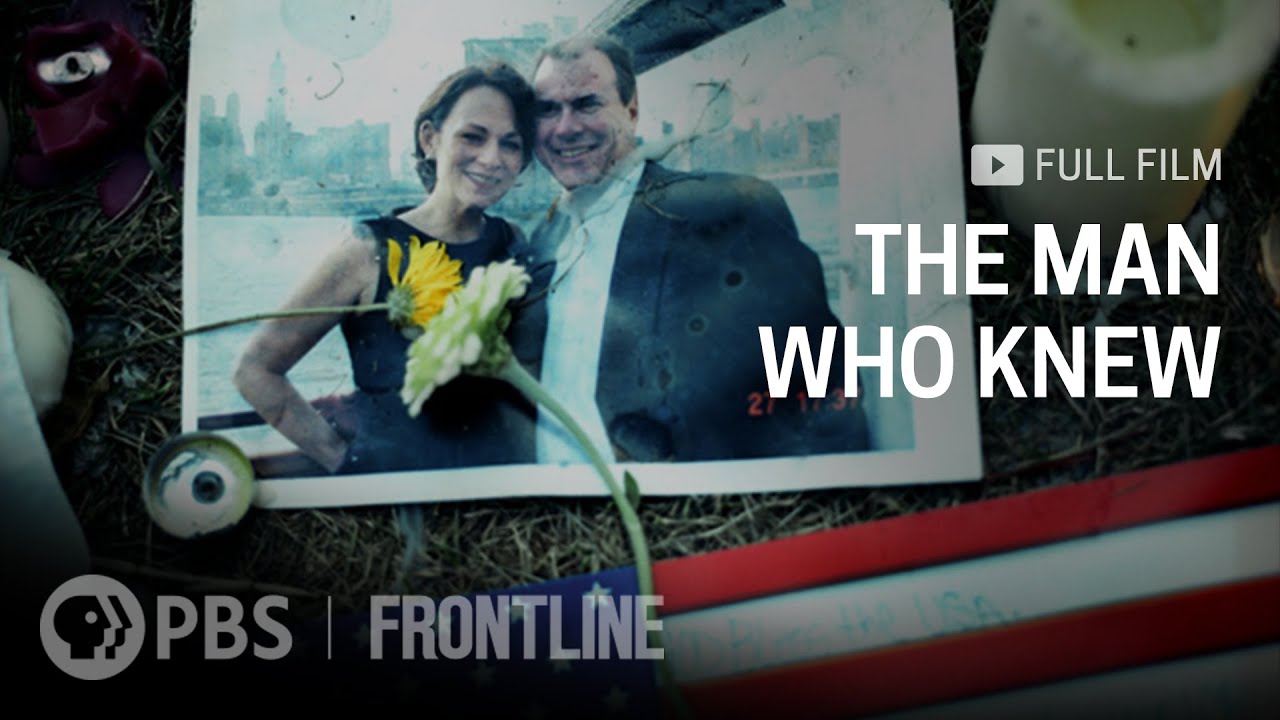
John O'Neill, the former head of the FBI's antiterrorism unit, faced internal resistance while warning about the imminent threat of Al Qaeda before his death on 9/11.
On April 19, 1995, a massive bomb detonated outside the Alfred P.
Israeli secret service agents targeted Nazi war criminal Herbert Cukurs, known as the Hangman of Riga, for assassination in South America due to his role in the deaths of over 30,000 Latvian Jews.
Ugarit, a prosperous Bronze Age city, thrived under various empires before its decline in the 12th century BC, leaving behind a rich archaeological legacy.
The Boötes void spans 330 million light years and contains only 60 observed galaxies, challenging existing theories about cosmic structure.
Liverpool Football Club, once a shadow of its former self, achieved a remarkable victory in the 2005 Champions League against all odds.
1946 marks a pivotal year as George Kennan's long telegram highlights Moscow's aggressive stance against the capitalist West, igniting the Cold War.
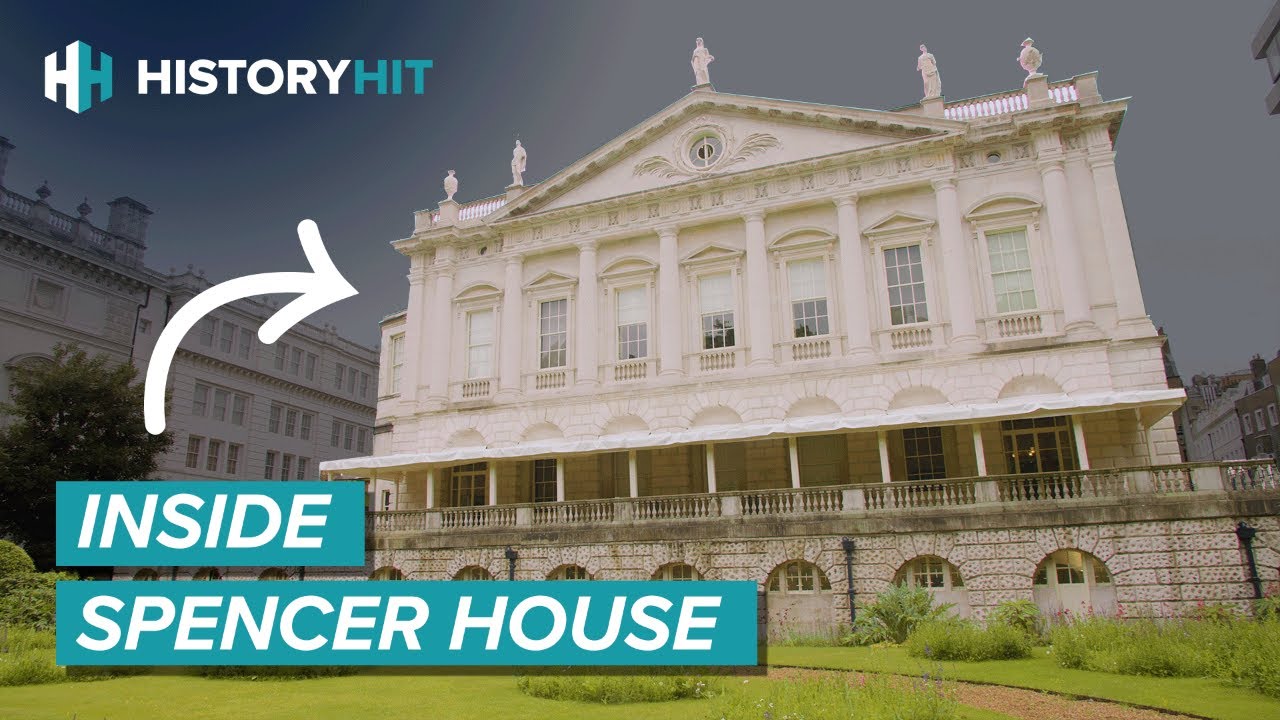
Spencer House, a lavish London residence built by John, the First Earl Spencer, reflects the wealth and romance of the 18th-century Spencer family.
A total volume of 19 cubic miles of pyroclastic material could have caused tsunamis that devastated the coast of Egypt, linking ancient events to biblical stories.
Inter Milan achieved a historic treble in 2010 under president Massimo Moratti, overcoming numerous challenges and rivalries in European football.