From over 100,000 films, discover the handful you'll love.
Free or premium access to the world's largest documentary library.
22463 films(Page 75 of 468)
Mary Beard explores the myths and historical realities of ancient Rome's origins, highlighting its complex relationship with conquest, culture, and governance.
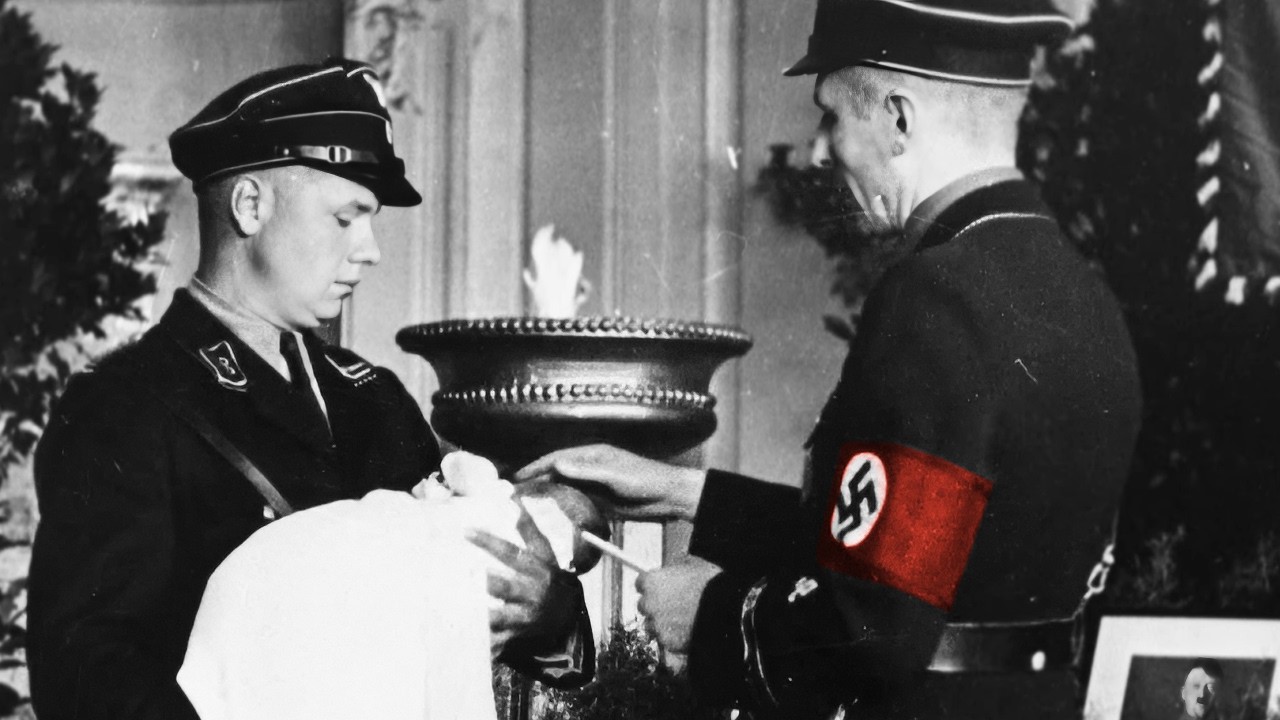
The Nazis' Lebensborn program breeds children for the Master Race during World War II.
An ancient moat in Wales raises questions about its purpose, with theories ranging from a Roman fort to a fortified cattle enclosure or an early chapel.
Joe Pistone, an FBI agent, infiltrated the Bonanno crime family as Donnie Brasco, leading to over 200 convictions and transforming FBI undercover operations.
Air traffic controllers and pilots, including Captain Bjarnason of Icelandair, collaborate to ensure the safe operation of hundreds of flights daily across vast skies.
A canceled television show becomes a major motion picture, driven by a passionate fanbase known as Browncoats who continue to grow in number.
Erich von Manstein's siege of Sevastopol during World War II resulted in an eight-month bombardment that inflicted more damage than the Luftwaffe's attacks on London, Rotterdam, or Warsaw.
In Liverpool, 78-year-old Judy uses DNA testing with Stacey Dooley to investigate the disappearance of her Chinese seaman father after World War II.
100 million copies of Treasure Island have sold in over 40 languages since its publication in 1882, influencing pirate stories for generations.
Ian McNaught Davis presents a retrospective on the BBC Computer Literacy Project, highlighting its impact on public understanding of the micro-computer revolution.
Ninety-five cans of Zyklon B gas, preserved as evidence, reveal the methods used to murder over 1.1 million people at Auschwitz-Birkenau from 1940 to 1945.
A German explorer traveled nearly 20,000 kilometers across West Africa in 1858, seeking the ruins of the once-mighty Songhai Empire.
The Giant Irish Elk, with antlers reaching 12 feet, inhabited Ireland until its extinction nearly 11,000 years ago, prompting inquiries into its disappearance.
Operation Barbarossa, launched by Nazi Germany against the Soviet Union in 1941, was marked by strategic errors and brutal war crimes that led to its eventual failure.
The American Civil War, marked by fierce battles and significant loss, fundamentally transformed the United States between 1861 and 1865.
Albert Einstein's cosmological constant, initially dismissed, gained renewed significance after astronomers confirmed the accelerating expansion of the universe.
In Somerset, archaeologists investigate a Roman villa from 43 A.D. that may have been built on an earlier Iron Age settlement, featuring insights from specialists John Creighton and Tom Moore.
Nazi Germany's downfall is examined through key events from summer 1944 to May 1945, including the Battle of the Bulge and the July 20 plot against Hitler.
The origins of the American Revolution are examined through key events like the Boston Tea Party and the battles of Lexington, Concord, and Bunker Hill.
Bigfoot, Sasquatch, Yeti, and the Honey Island Swamp Monster are explored as part of the global fascination with ape-like cryptids and their legends.
Sir William Wallace, Robin Hood, and King Harold are examined for their historical accuracy and significance in medieval Britain.
Operation Desert Storm in 1991 saw coalition forces defeat the Iraqi army, then the world's fourth largest, in just 100 hours due to superior technology and strategy.
Ratko Mladić, accused of genocide during the Bosnian War, faced trial for his role in the Srebrenica massacre, highlighting the ongoing struggle for justice in the region.
In April 1945, Adolf Hitler reflects on the strategic errors that contributed to Nazi Germany's defeat as the Red Army and Allied forces close in.
Astrophysicists, including Canadian pioneers Gordon Walker and Bruce Campbell, are at the forefront of identifying exoplanets that could resemble Earth.
Ancient cultures exhibit unexplained patterns, including mysterious sites, UFO sightings, and depictions of bird gods and lizardmen, raising questions about shared influences.
The Gulf War, initiated by Saddam Hussein's invasion of Kuwait in August 1990, showcased advanced military technology and logistics from the US and British forces.
On July 12, 1979, Carmine Galante was shot multiple times while having lunch at Joe and Mary's Restaurant in Brooklyn, marking a notorious mob hit.
Jill Dando, a prominent British television presenter, was murdered outside her home in 1999, prompting one of the largest investigations by the Metropolitan Police.
A 1,600-foot main span connects Manhattan and Brooklyn in the iconic Brooklyn Bridge, a marvel of engineering completed in 1883.
Eagle Day, the Luftwaffe's operation led by Hermann Göring to destroy RAF Fighter Command, ultimately failed to achieve its objective during the Battle of Britain.
Pharaoh Ramesses II, known as Ramesses the Great, is examined alongside the Karnak and Luxor temples and the transformative reign of Akhenaten in ancient Egypt.
Heinrich Himmler's obsession with the occult and mystical beliefs significantly influenced his vision for the Nazi regime, intertwining ideology with terror.
By late 1943, the Allies had dominated the Atlantic, leading to the loss of nearly 800 German submarines and 32,000 Allied sailors.
Eight gardens in Ipswich are excavated to reveal the remains of a Roman villa, originally documented by archaeologist Basil Brown in the 1940s.
Heinz Guderian was born on June 17, 1888, in Kulm, West Prussia, and became a key figure in the development of Blitzkrieg tactics during World War II.
Over 60,000 man-made structures were identified in the Yucatan Peninsula using LiDAR technology, revealing a vast ancient Mayan civilization.
Ancient Mesopotamia's kings, including Sargon of Akkad and Hammurabi of Babylon, significantly influenced the region's history and culture through their leadership.
Ancient Alexandria, the Hellenistic capital of the 1st Century BC, is explored for its historical accuracy through the lens of Assassin’s Creed Origins.
The Grand Canyon, a natural wonder nearly 300 miles long and over a mile deep, has been shaped by geological forces including floods, volcanoes, and earthquakes.
The legendary conflict between Takeda Shingen and Uesugi Kenshin on the Kawanakajima plain is explored through the first three pivotal battles of their rivalry.
Twenty bodies buried chaotically in a cemetery near Lima challenge previous understandings of Inca burial practices and the dynamics of colonial resistance.
Vespasian was born on November 17, 9 AD, in the village of Falacrine, northeast of Rome, to a family of equestrian status.
William Marshall, a medieval knight and regent of England, played a crucial role in the defense of the English royal line and the establishment of Magna Carta.
On November 11, 1942, the Soviet Red Army launched Operation Uranus, a counteroffensive that encircled and defeated the German Sixth Army at Stalingrad.
Forty years after ascending to the throne, Maria Theresa of Austria left her empire stronger than when she began her reign in 1740.
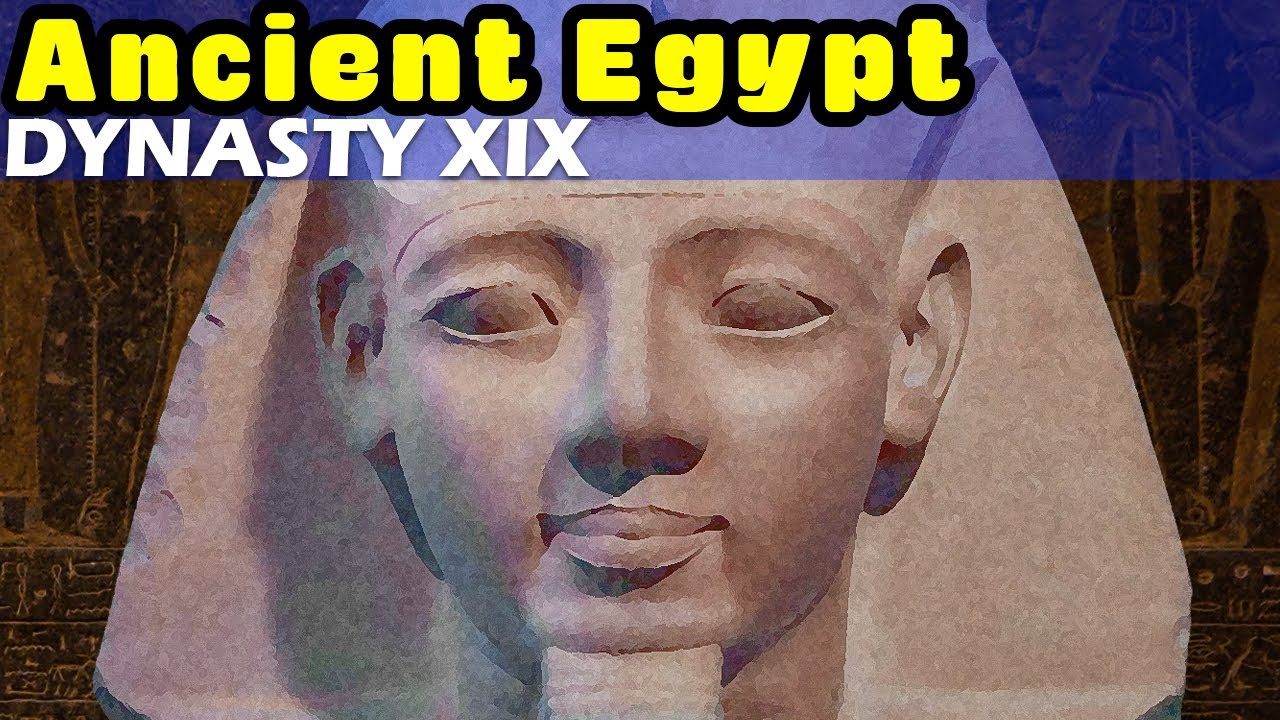
Dynasty XIX of ancient Egypt, marked by influential pharaohs like Ramesses II and significant events such as the Battle of Kadesh, showcases a complex legacy of power and controversy.
British explorer Colonel Percy Fawcett dedicates years to searching for the legendary city of gold, El Dorado, believed to be hidden in the Amazon jungle.